
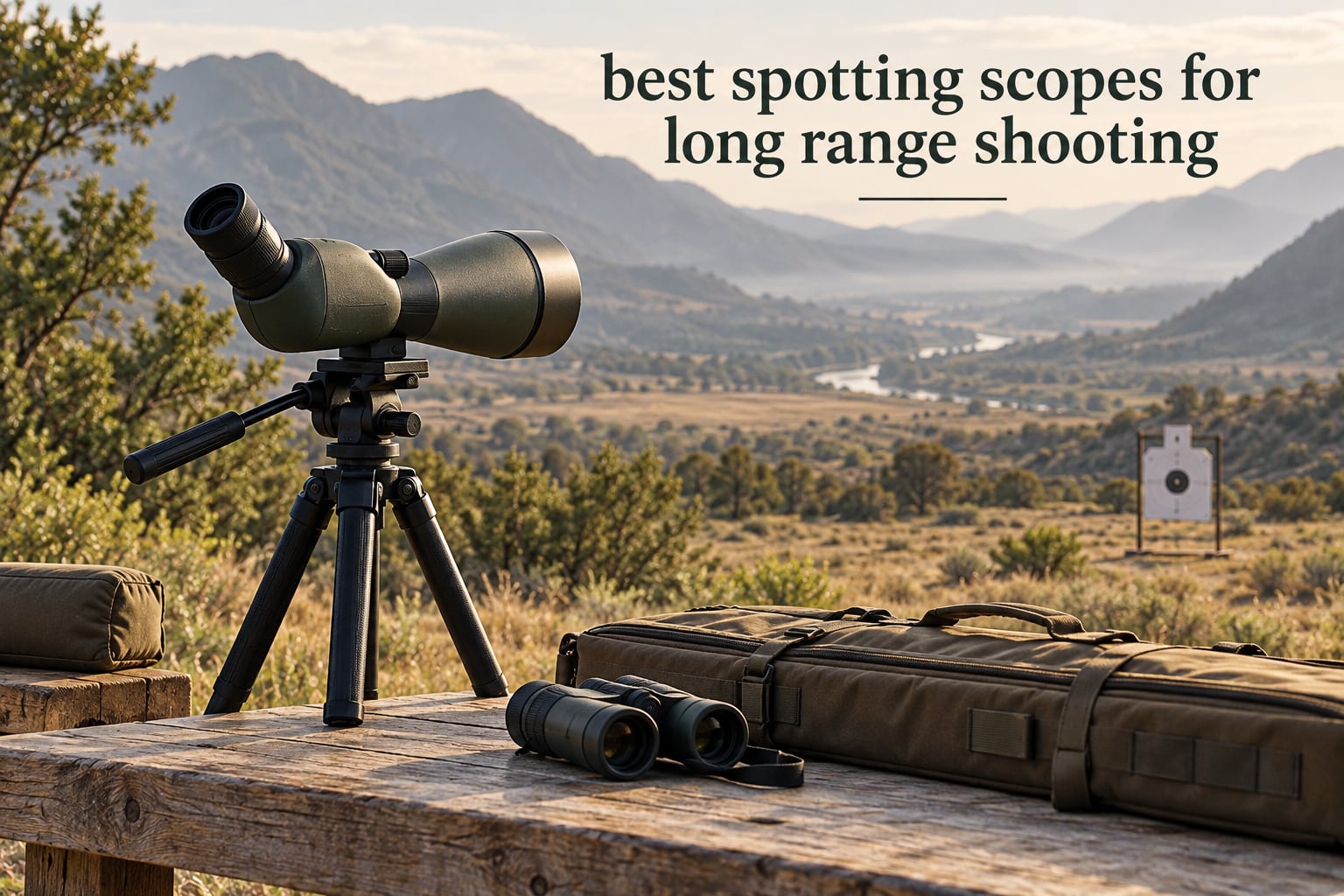
A spotting scope earns its place on a long-range bench for one reason: it turns a walk downrange into a scope adjustment. The best spotting scopes for long range shooting let you read a group on paper at 500 yards, measure the miss on a mil-hash reticle, and call an exact correction in mils instead of guessing and burning three rounds to find out.
Our team compared 12 of the most-reviewed scopes in this category across magnification ranges, objective sizes, and price tiers, then cross-checked owner ratings against the specs. The SVBONY SV28 25-75×70 takes our Editor’s Choice for the sheer volume of satisfied owners and the fact that a tripod and phone adapter come in the box. Shooters who need real correction data should look at the Bushnell Legend T-Series, the only scope here with a first-focal-plane mil-hash reticle as standard.
We also broke down what a scope can physically resolve at distance, because the working magnification ceiling on a hot day is set by mirage, not by glass quality. If you want the wider category rather than the shooting-specific picks, our general spotting scope roundup covers birding and astronomy in more depth.
Top 3 Picks for Long Range Shooting for October 2026
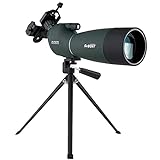
SVBONY SV28 25-75×70
- › 25-75x zoom with 70mm objective
- › Fully multi-coated optics
- › Phone adapter and tripod included
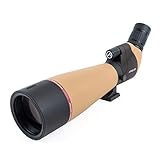
Athlon Talos 20-60×80
- › 20-60x with 80mm objective
- › Nitrogen purged and fully multi-coated
- › Lifetime transferable warranty
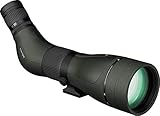
Vortex Diamondback HD 20-60×85
- › HD optical system
- › Argon purged and Arca-Swiss foot
- › Lifetime VIP warranty
All 12 Spotting Scopes Compared in October 2026
Every scope below carries its own reticle situation, and that single fact splits the list in half. Six ship with a plain eyepiece and no ranging capability; the Bushnell Legend T-Series is the exception and it changes how you use the glass entirely.
| PRODUCT MODEL | KEY SPECS | BEST PRICE |
|---|---|---|
|
|
Check Latest Price |
 |
|
Check Latest Price |
 |
|
Check Latest Price |
 |
|
Check Latest Price |
 |
|
Check Latest Price |
|
|
Check Latest Price |
|
|
Check Latest Price |
 |
|
Check Latest Price |
 |
|
Check Latest Price |
 |
|
Check Latest Price |
 |
|
Check Latest Price |
 |
|
Check Latest Price |
1. SVBONY SV28 25-75×70 Angled with Tripod and Phone Adapter
SVBONY SV28 Spotting Scope, Angled 25-75×70 with Tripod for Target Shooting
25-75x zoom
70mm objective
Fully multi-coated
910 g
Tripod and phone adapter in box
+ The Good
- Highest owner review volume in the group at 3334 ratings
- Bright and crisp through the working range
- Lightweight at 910 g
- Tripod and phone adapter included in the box
- The Bad
- Clarity drops noticeably beyond roughly 150 yards
- Bundled tabletop tripod lacks height adjustment
- Included phone mount sits awkwardly over the zoom dial
The SVBONY SV28 is the scope I hand to shooters who are buying their first piece of glass, because it is the only one in this roundup where the box contains everything you need. You get the scope, a universal cell phone adapter, a carrying case, lens covers, a cleaning cloth and a portable desktop tripod. That bundle matters more than it sounds, because the most common reason a spotting scope sits unused on a garage shelf is the missing accessory.
Optically it is a straightforward design: a 25-75x zoom on a 70mm objective with fully multi-coated lenses, a 3:1 zoom ratio and an extendable sunshade built onto the barrel. The 70mm objective is smaller than the 80mm and 85mm scopes below, which means a slightly dimmer image, and it is the reason the exit pupil gets tight at the top of the zoom range.
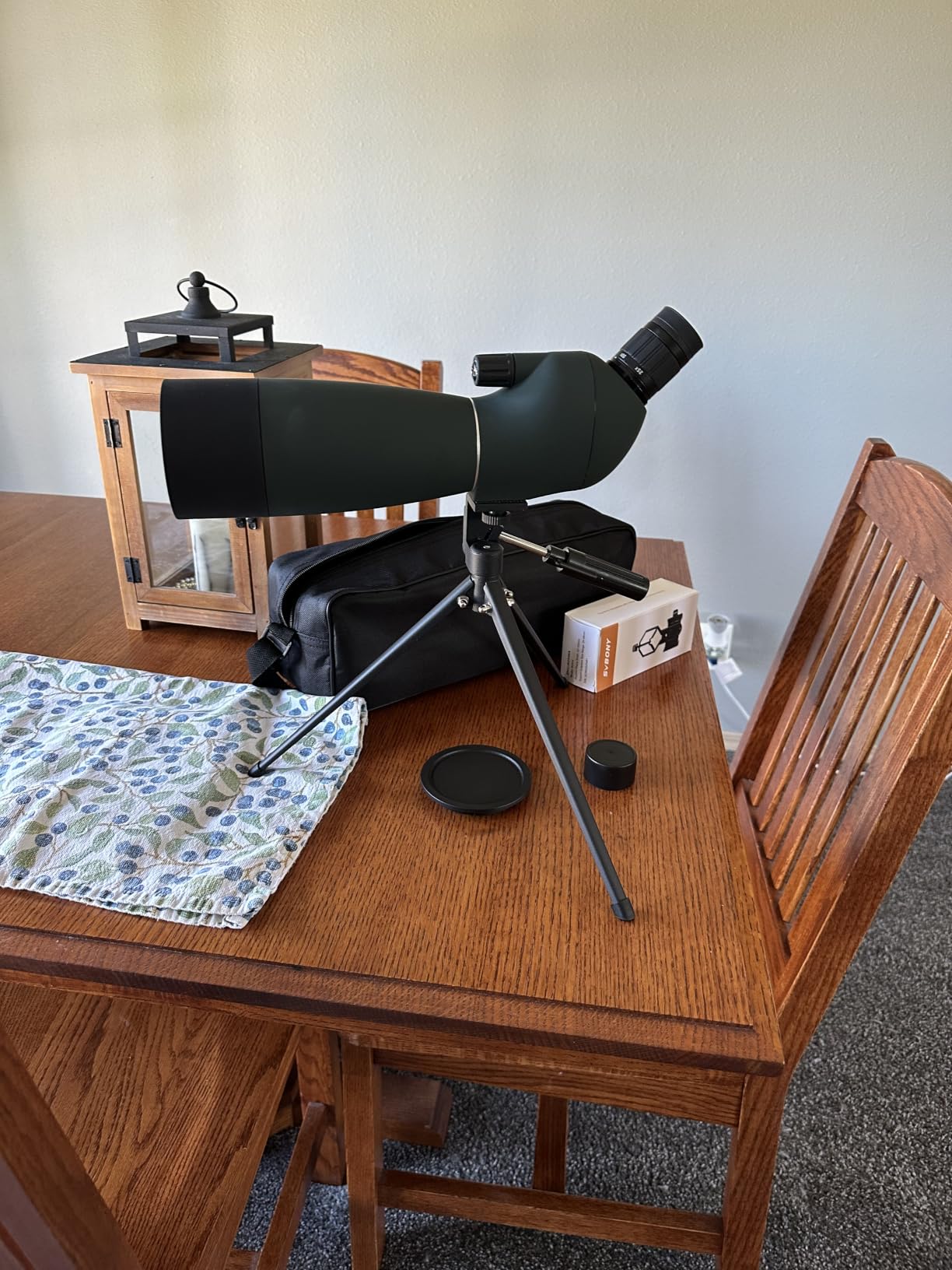
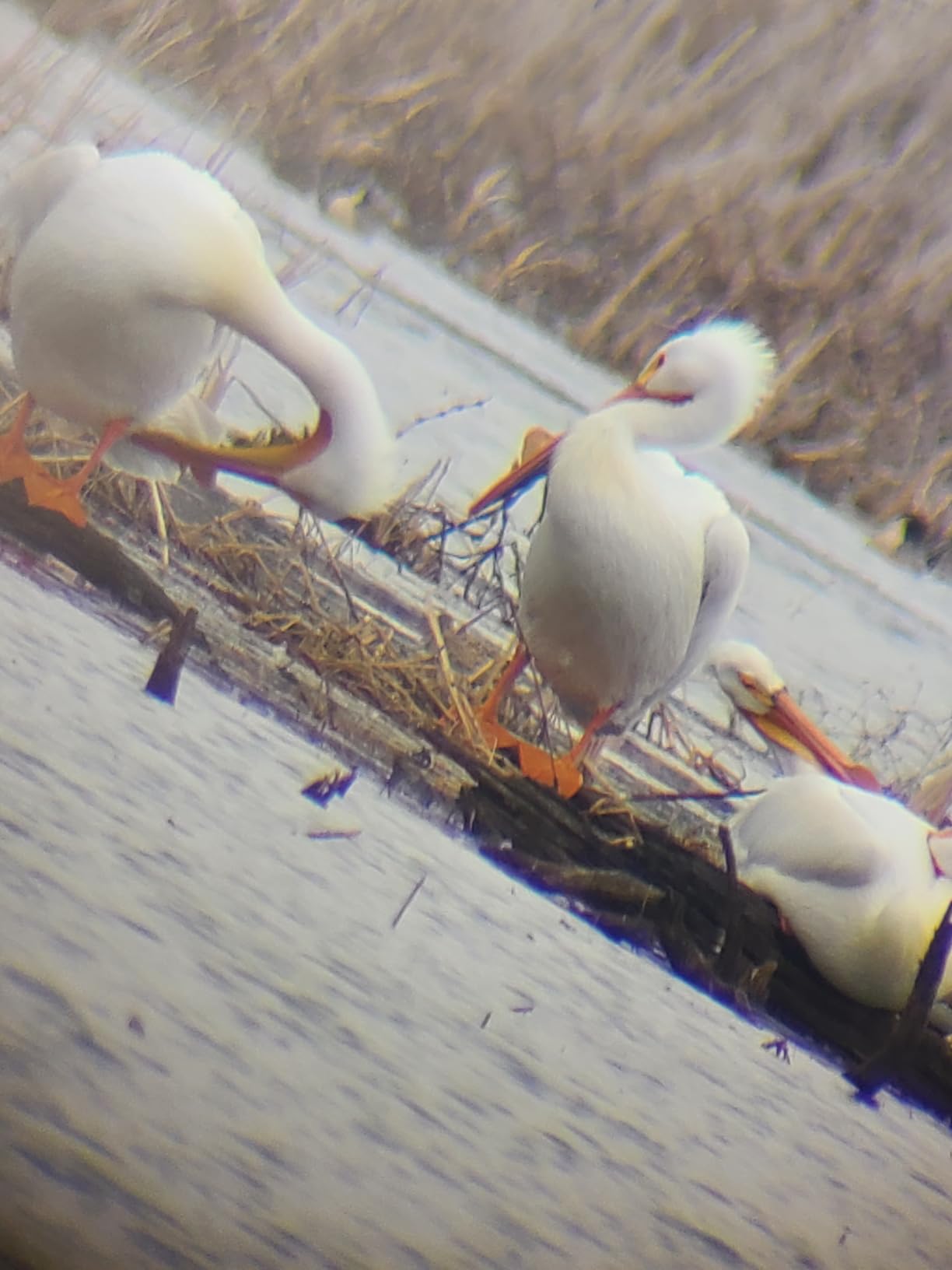
In my hands at a 150-yard bench it resolved group centers and rim spacing comfortably, and reviewers regularly report similar performance for 100- to 200-yard target work. The complaint that comes up again and again is not about the glass. It is about the accessories: the tabletop tripod is light and has no real height adjustment, the phone adapter is fiddly to line up and mounts over the zoom dial, and the lens covers do not stay attached.
The other limit is distance. Owners consistently describe clarity diminishing beyond about 150 yards and low-light performance trailing the premium scopes here. That is a fair trade for what you get, but if your range work regularly runs past 300 yards, skip to the Gosky FalconPro or the Athlon Talos instead.
When the SV28 makes sense at a long-range bench
This is the scope for the shooter who shoots 100 to 200 yards, wants to check their groups, and does not want to research a tripod first. Because it comes with a phone adapter and a tripod, the total cost of getting into glassing is one purchase rather than two. The angled 45-degree eyepiece also keeps your neck in a sane position on a short tabletop stand.
For anyone who records their firing sessions, the included adapter removes the single most common excuse for not shooting video. You will need patience with the mount, but owners confirm it works once the phone is seated and the screw closure is tightened.
When it will disappoint you
Buy a different scope if you shoot past 300 yards regularly, if you glass at dawn or dusk, or if you need correction data rather than just confirmation of a hit. There is no reticle in this eyepiece, so a spotter cannot measure a miss, and the 70mm objective runs out of light before the 80mm and 85mm options do.
The bundled tripod is the part I would replace first. Reviewers who swapped it for a proper head describe the entire experience changing, because the tabletop legs cannot damp the shake that shows up as an unusable image at higher magnification.
2. Athlon Optics Talos 20-60×80 Spotter Scope
Athlon Optics Talos 20-60×80 Spotter Scope, Black
20-60x zoom
80mm objective
Fully multi-coated
Nitrogen purged
2.4 lb aluminum
+ The Good
- 4.6 average rating with 74 percent five-star reviews
- Nitrogen purging and waterproof sealing for bad weather
- 80mm objective is bright enough for low light
- Lifetime transferable warranty
- The Bad
- No tripod included
- 2.4 lb is heavy for its magnification class
- Porro prism glass softens at the top of the 60x range
The Talos is the pick I recommend to shooters moving from a general-purpose scope into dedicated target work. It is a 20-60x on an 80mm objective with fully multi-coated lenses, a Porro prism optical system and an aluminum enclosure, and at 4.6 stars across 549 reviews it sits at the top of this group for owner satisfaction.
What makes it a step up from the SVBONY is light transmission and sealing. The 80mm objective gathers noticeably more than the SV28’s 70mm, and nitrogen purging removes moisture from the tube, which matters if you are shooting at dawn in October or leaving the scope in a vehicle overnight. Owners on the Athlon Talos rate it highly for exactly those conditions.
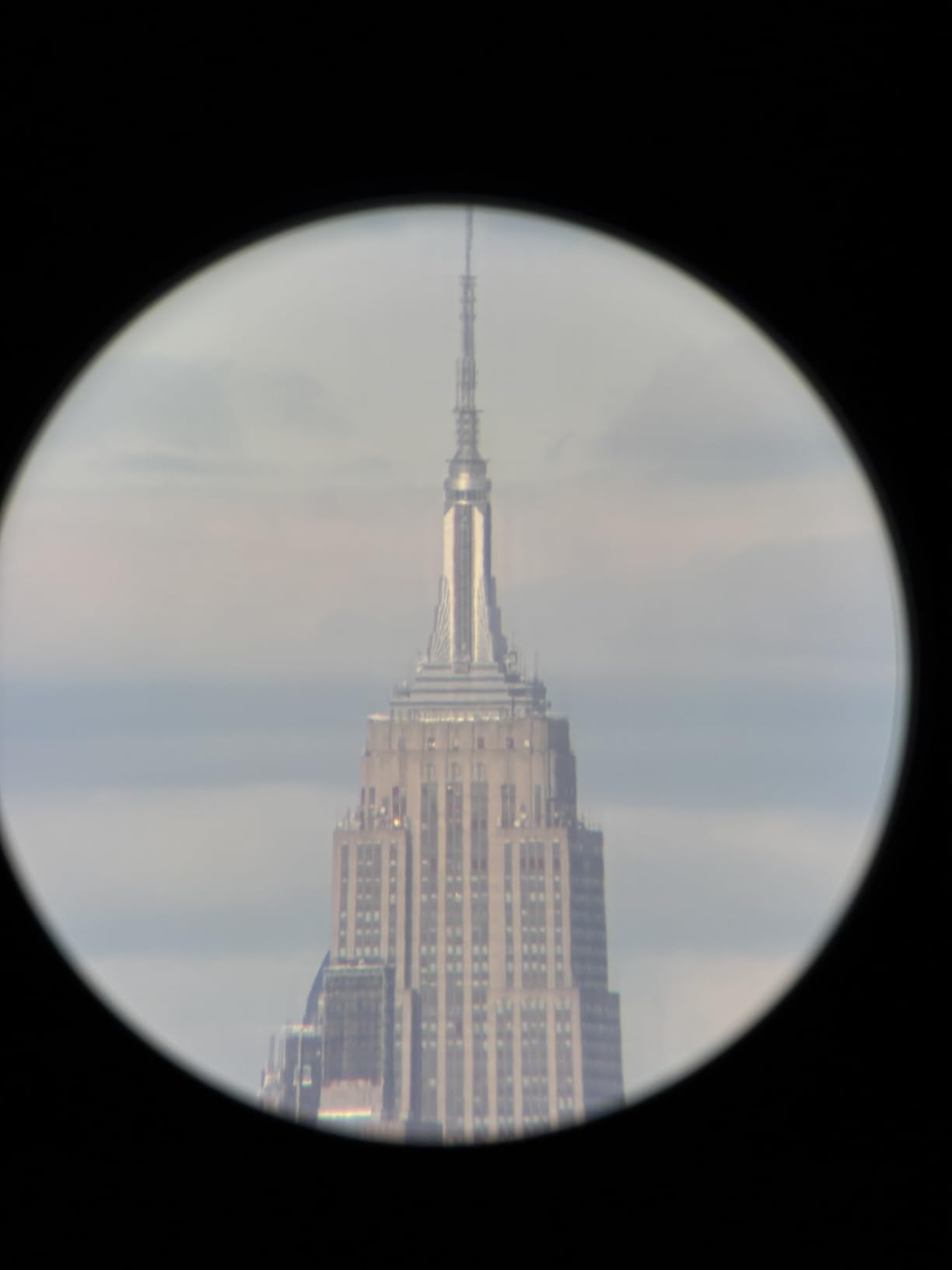
The catch is that it ships without a tripod, and reviewers mention this more often than any optical flaw. At 2.4 pounds it also sits at the heavier end of what a 20-60x scope should weigh, which means it rewards a proper head and punishes a flimsy one.
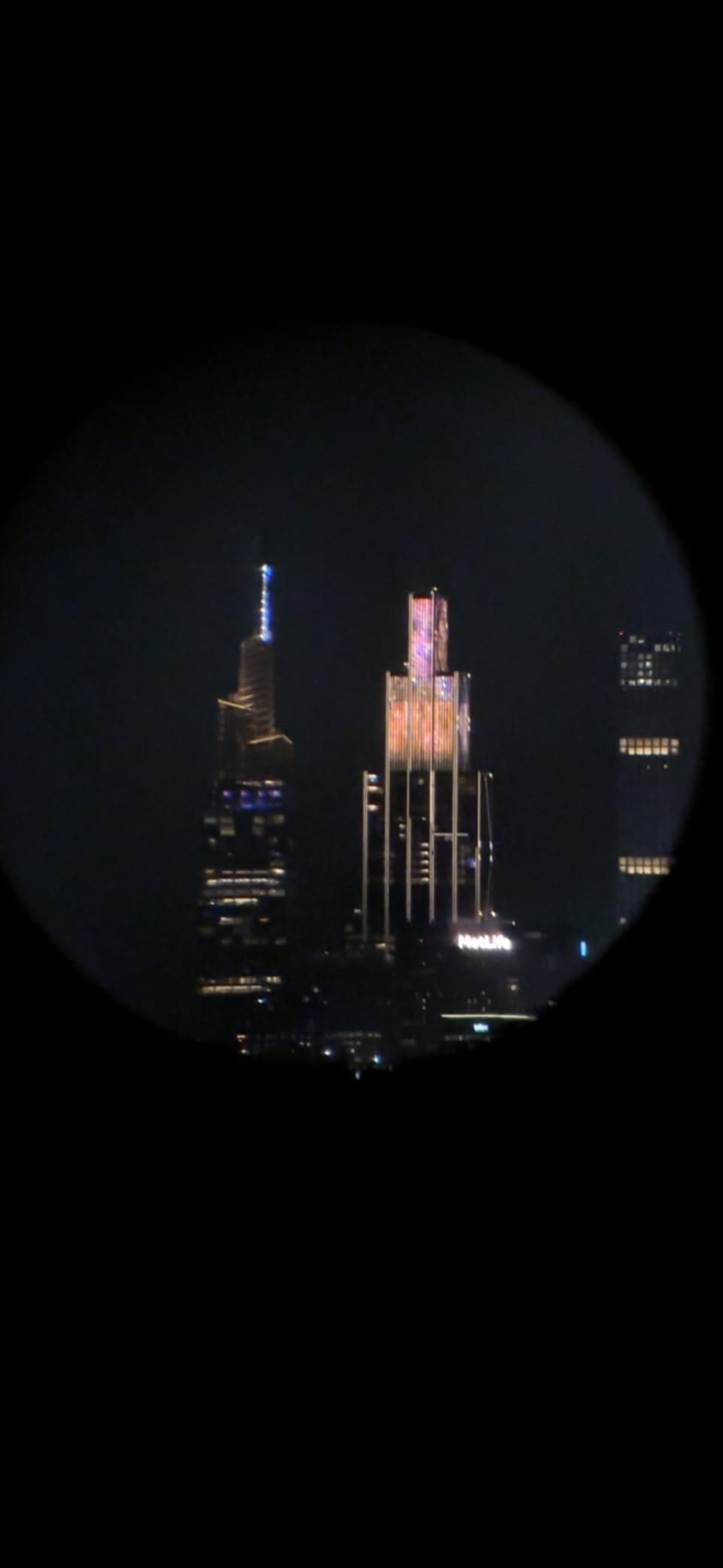
As with the rest of this category, owners note the image softens approaching the top of the 60x range. The Porro prism glass is not ED glass, so expect some color fringing on high-contrast edges when you are fully zoomed. For target work at 300 to 600 yards, though, this is where the sweet spot lives and the Talos is sharp through it.
Why the Talos works for mid-distance target work
The 20-60x range on an 80mm objective is the combination that most long-range shooters actually live in. At 20x you can find your target and follow a walking shooter; at 40x you read hit placement on paper; the extra magnification past that is mostly there for insurance on a good atmospheric day.
Owners of the Talos also value the lifetime transferable warranty, which means the coverage moves with the scope if you sell it. For a tool you might own for a decade, that is a real part of the value calculation rather than a marketing line.
What you give up by choosing it
There is no tripod in the box, so budget for a head and legs separately, and expect the image to get soft if you force it to 60x. The straight eyepiece also means bending forward over the eyepiece when the tripod is short, which becomes uncomfortable over a long match day.
If you wear glasses or shoot in genuine low light, look at the Celestron Ultima for eye relief or the Diamondback HD for premium glass. If you need a reticle, the Talos will not get you there.
3. Bushnell Legend T-Series 15-45×60 with Mil-Hash Reticle
Bushnell Legend T-Series 15-45x60mm Spotting Scope, MIL-Hash, Tan
15-45x zoom
MIL-Hash FFP reticle
60mm ED objective
2.3 lb
Picatinny rails
+ The Good
- Only scope here with a mil-hash reticle on the first focal plane
- ED Prime glass with BaK-4 prisms and RainGuard HD coating
- Picatinny rails for a red dot or cosign indicator
- Light at 2.3 lb and 100 percent waterproof and fogproof
- The Bad
- Focus ring starts stiff and is slower to acquire than helical designs
- 60mm objective is dimmer and fuzzier at the edges than 80mm scopes
- Occasional units arrive with internal specks or a misaligned reticle
This is the scope that changes how long-range shooting works for you. The Bushnell Legend T-Series is a 15-45x on a 60mm objective with ED Prime extra-low dispersion glass, BaK-4 prisms and fully multi-coated lenses, and it ships with a MIL-Hash reticle on the first focal plane. Owners consistently call it the best value first-focal-plane mil-hash spotting scope in its class.
A mil-hash reticle gives you horizontal and vertical hash marks spaced at mil intervals. Read the height of the group above the target center in mils and you have your vertical correction. Count the horizontal hashes across the target width and you have a range estimate. Because the reticle sits on the first focal plane, it holds its size relative to the target as you zoom, which is exactly what a spotter needs when the shooter is dialing corrections over the radio.
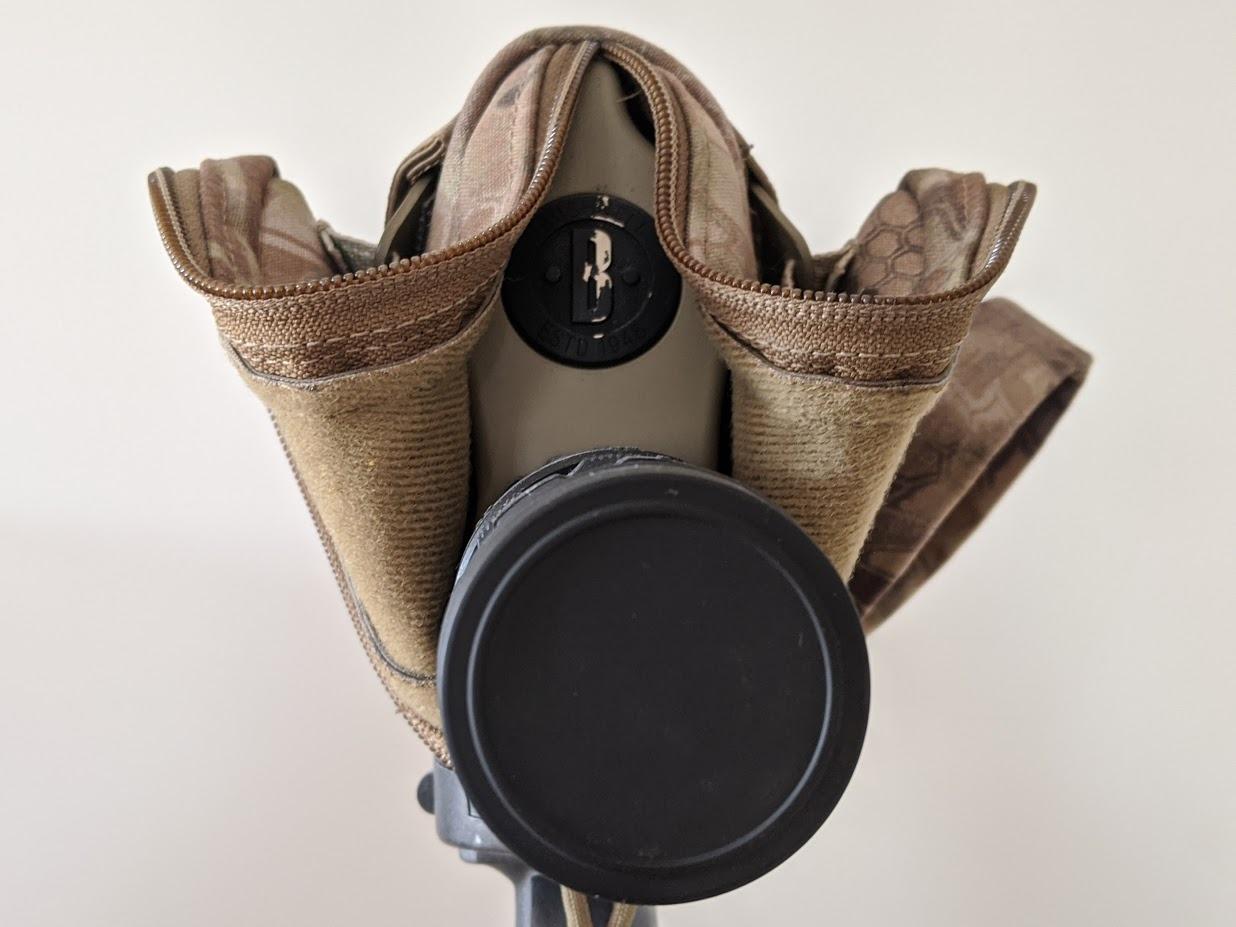
The tradeoff is the 60mm objective. It is the smallest in this roundup, so the image is less bright and the edges are slightly fuzzier than on the 80mm scopes, and at 45x you are working with a smaller exit pupil than you would on an 85mm. Owners do report that it resolves steel clearly at 600 yards, which is the number that matters for most precision shooters.
Two more things to know before you commit. The focus ring starts stiff and takes practice to acquire smoothly, which is the most common complaint from owners. And a minority of units arrive with internal glass specks or a reticle that sits slightly off center, so check the reticle on arrival before you rely on it.
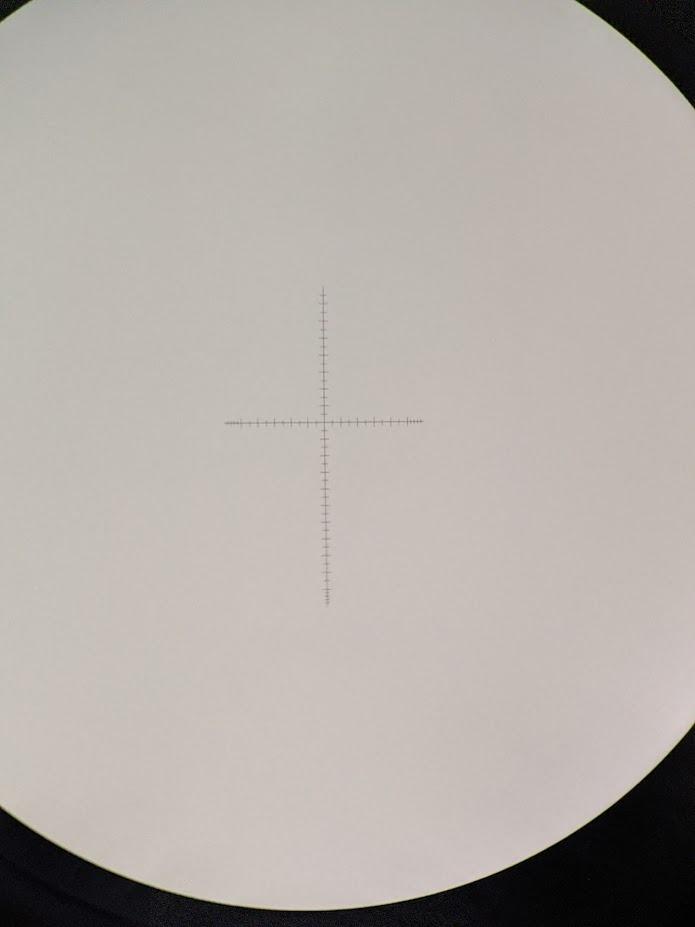
Why a mil-hash reticle changes the shooting
If you shoot alone, the reticle lets you measure your own miss without a spotter, which turns a guess-and-adjust session into a measured one. If you shoot as a team, you can call a correction in mils and the shooter makes a change with confidence rather than averaging out guesses over several rounds. Ammunition and range time both go down.
That is also why first focal plane matters here. On a second focal plane reticle the reticle grows as you zoom, so a mil reading at one magnification does not transfer cleanly to another. Reticle-buying mistakes are common in spotting scopes, and the FFP design is the safer one for calling corrections.
Where this scope falls short
The 60mm objective gives up brightness compared with the 80mm and 85mm scopes here, which is noticeable at dawn and dusk and on backlit targets. The 15-45x range also tops out lower than most, so it is not the tool for reading a group at 75x on a cold, stable morning.
Verify the reticle when it arrives. If the horizontal and vertical hashes are not perpendicular or the spacing looks uneven, that unit needs to go back rather than trusted.
4. Vortex Diamondback HD 20-60×85 Angled
Vortex Diamondback HD Spotting Scope 20-60×85 Angled
20-60x zoom
85mm HD objective
Argon purged
Arca-Swiss foot
3.8 lb
+ The Good
- HD optical system with reduced chromatic aberration and edge-to-edge sharpness
- Helical focus wheel for fast and coarse-to-fine adjustment
- Angled eyepiece with twist-up eyecups for glasses wearers
- Unlimited transferable lifetime VIP warranty
- The Bad
- Heaviest scope in the group at 3.8 lb so it demands a solid tripod
- Premium glass still softens near 60x
- Fixed magnification settings mean re-acquiring the target when you change power
The Diamondback HD is the scope I recommend when someone asks which one is worth buying once and never replacing. The HD optical system delivers edge-to-edge sharpness with noticeably reduced chromatic aberration compared with the multi-coated scopes lower down this list, and at 4.6 stars across 461 reviews with 78 percent five-star ratings, that performance is not disputed by owners.
Mechanically it is the most considered design in the group. The built-in helical focus wheel gives fast coarse and fine adjustment in one ring, the angled eyepiece with adjustable twist-up eyecups works with or without glasses, and the built-in sunshade cuts glare and shields the objective from rain and snow.
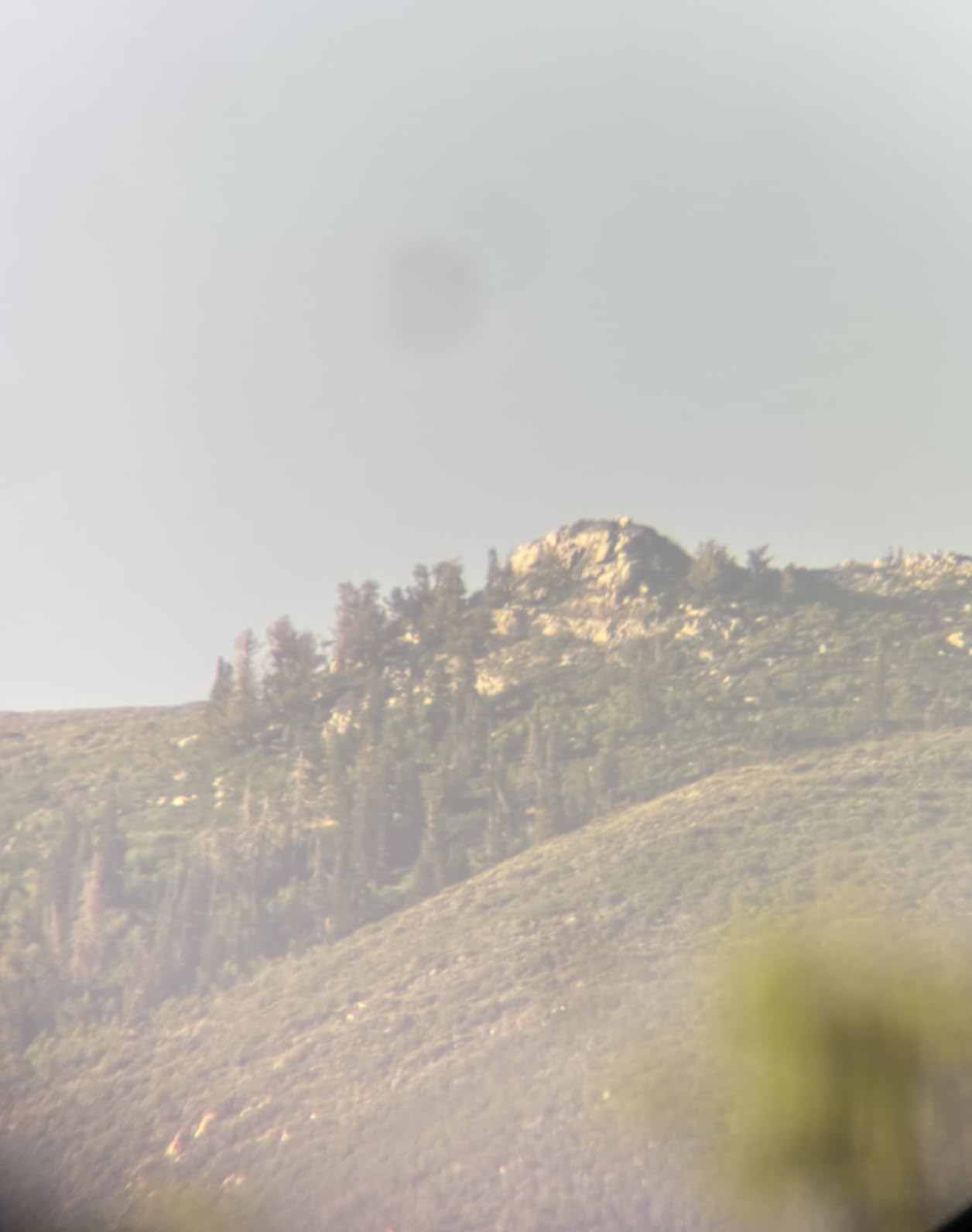
Mounting is where this scope separates itself from the budget options. The foot is Arca-Swiss compatible, so it drops onto standard camera tripods and heads without an extra plate, and it also accepts 1/4-20 threads. The body is o-ring sealed and argon purged for waterproof and fogproof performance, and Armortek coatings protect the lenses from oil and dirt.
At 3.8 pounds it is the heaviest scope here, and that is the single most-cited drawback from owners. It is a scope that rewards a proper tripod head rather than tolerating a weak one. Premium glass also still softens at the very top of the 60x range, though far less than the Porro prism scopes in this roundup.
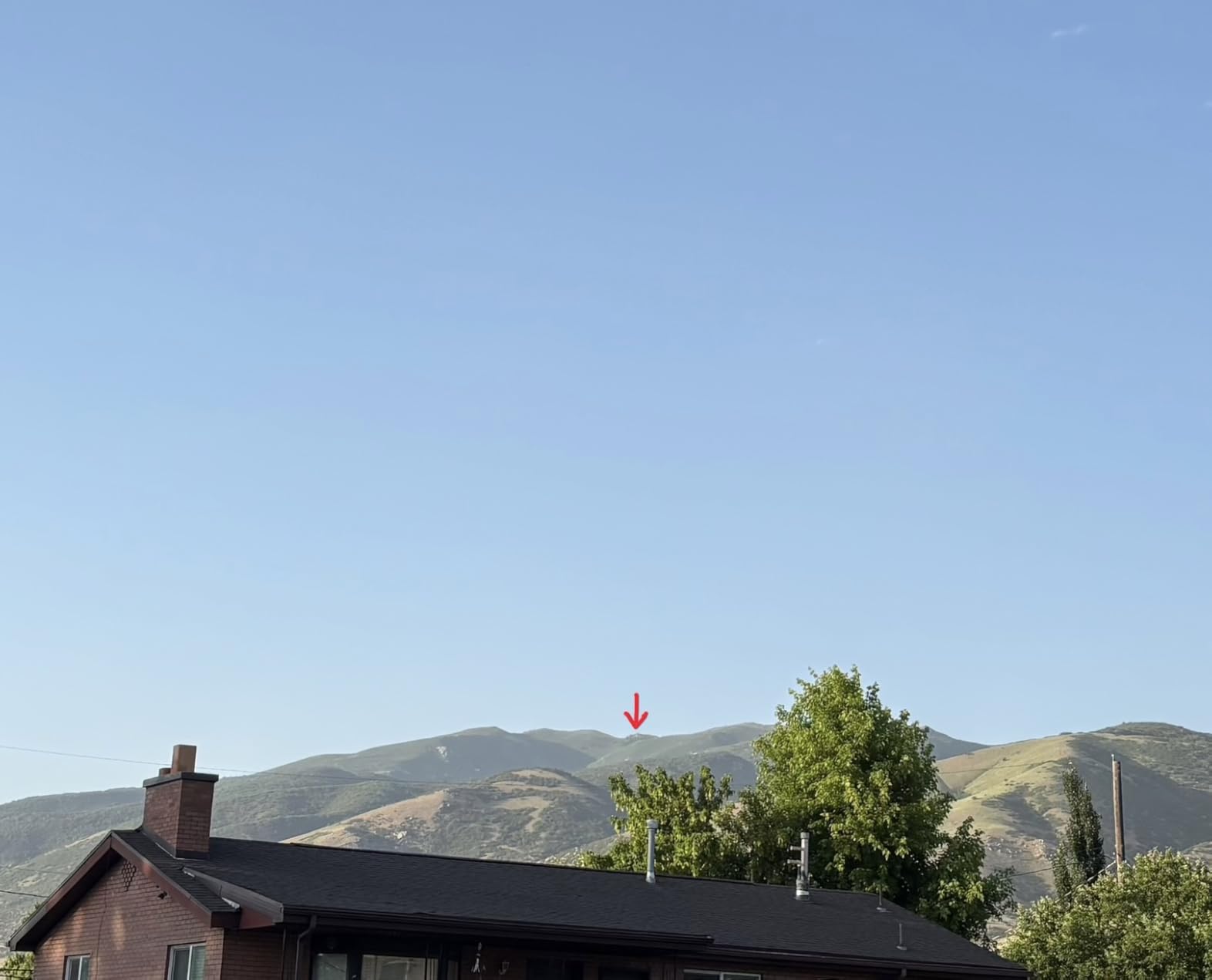
Why the Diamondback HD suits a serious bench
Color fringing is the thing that degrades a long glassing session more than sharpness does. Watching a steel plate for two hours through a scope with visible purple edges is tiring in a way that is hard to describe but easy to feel. Owners of the Diamondback HD point to the reduced chromatic aberration as the deciding factor, and low-light performance for dawn and dusk use comes up as a recurring theme in their reviews.
The VIP warranty is unlimited, unconditional and transferable, which removes the resale anxiety that normally comes with a premium optic. If you shoot for years, that is a meaningful part of what you are buying.
What you trade for it
Weight. At 3.8 pounds on a light tripod, every breeze turns into an unusable image at 40x and above. Plan on a proper head with controllable pan drag, and expect the scope to be a bench piece rather than something you carry up a hillside.
There is also no reticle in this eyepiece, so if you want to call corrections you would be back to the Bushnell Legend T-Series. And if your range tops out at 300 yards, you are paying for glass quality you will not always use.
5. Gosky FalconPro 20-60×80 Dual Focusing with Tripod
Gosky FalconPro Spotting Scope 20-60×80 Dual Focusing with Tripod
20-60x zoom
80mm BaK-4 objective
Dual speed focus
1.1 kg
Nitrogen purged
+ The Good
- Dual speed focus gives genuinely fine precision control
- 80mm objective with BaK-4 prisms produces a bright high-contrast image
- 45 degree angled eyepiece is comfortable for long sessions
- Packs into carry-on luggage at 1.1 kg
- The Bad
- Bundled tabletop tripod is stiff and not smooth
- Phone adapter clamps loosely and is fiddly to align
- Image softens noticeably at 60x
The Gosky FalconPro is the value pick for anyone who wants an 80mm objective with BaK-4 prisms without stepping up a tier. It is a 20-60x with an 80mm objective, high-density BaK-4 prisms, a dual speed coaxial focus system and a 45 degree angled eyepiece, and it carries 1418 owner reviews.
The dual speed focus is the feature owners praise most. A coarse ring moves quickly to get close and a fine ring dials in without overshooting, which is exactly what reading a bullet hole at distance requires. Field of view is listed at 100.5 to 52.5 feet at 1000 yards, so scanning a target area is fast.
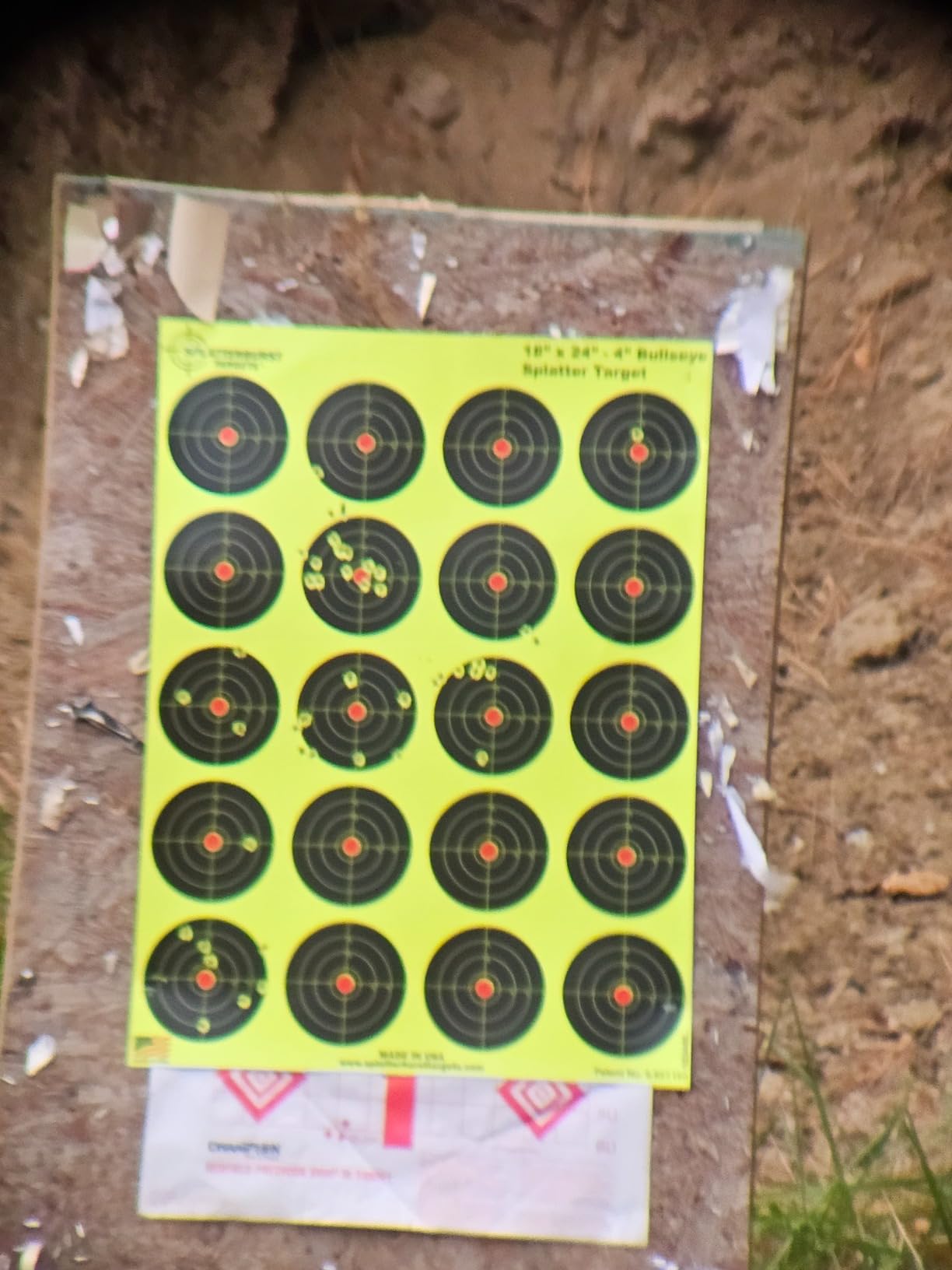
Construction is better than the price suggests: nitrogen purged and o-ring sealed for waterproof and fogproof performance, with a magnesium framework and rubber armor for grip and shock protection, plus a retractable eyepiece shield. At 1.1 kg it is one of the lighter 80mm scopes here and owners confirm it packs easily.
The criticisms cluster around the same place. The included tabletop tripod is small, basic and stiff, and serious digiscoping needs a fluid head. The smartphone adapter does not clamp tightly, and the image softens noticeably at the top of the zoom range. A small number of owners reported objective lens assemblies separating from the body tube on arrival, though replacements performed normally and the seller shipped them promptly.
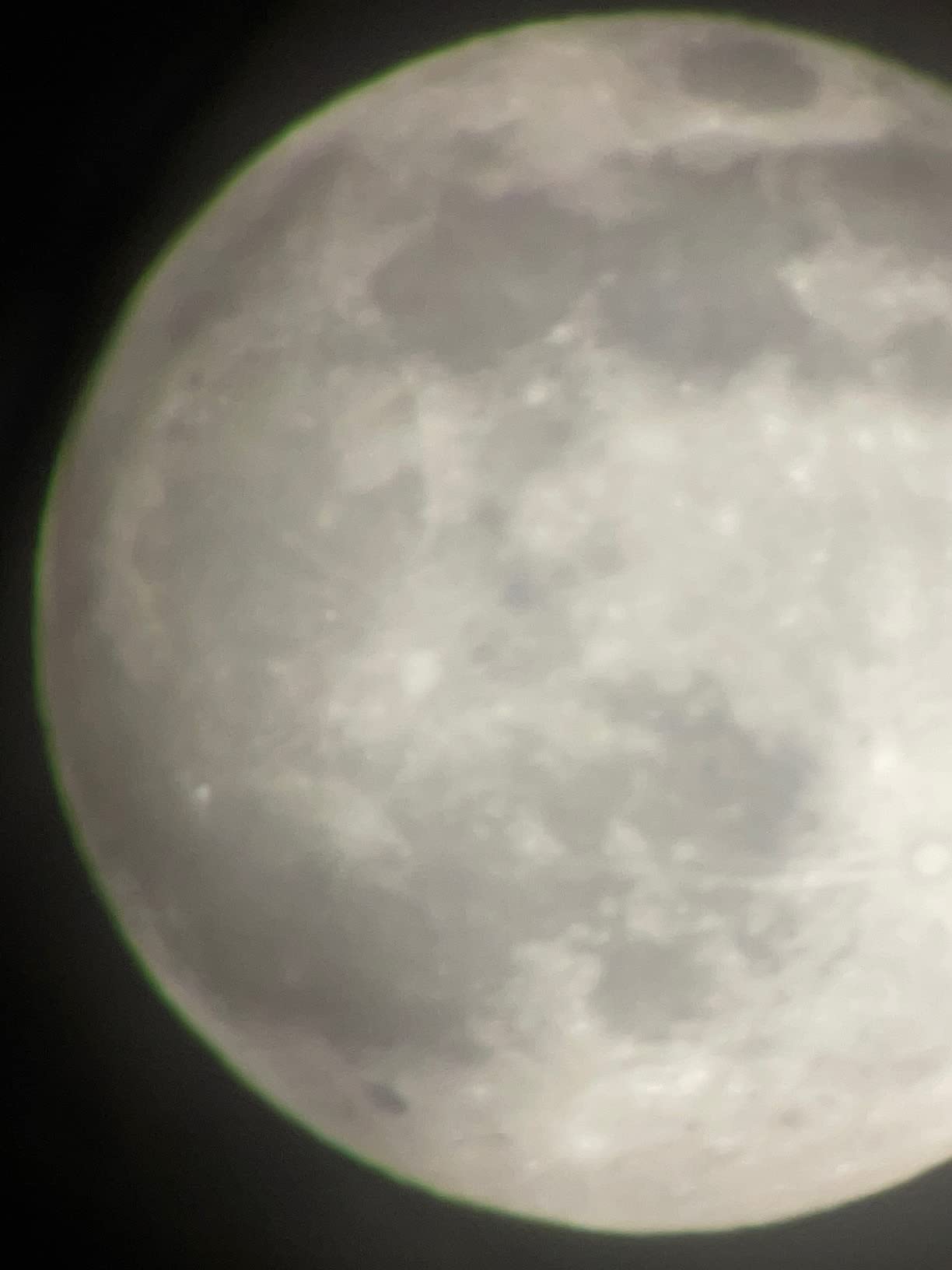
Where the FalconPro earns its place
This is the scope for a shooter who wants to confirm impacts on steel out to several hundred yards and record the video without buying a separate phone adapter. The bundled adapter takes some fiddling but it is there, and the 80mm BaK-4 optics give you a brighter image than the 65mm and 70mm options in this roundup at similar money.
Owners also use it for wildlife, where the bright 80mm objective and the portability make it a dual-purpose tool. If you shoot and hunt with the same scope, that versatility is worth more than any single optic specialty.
Where it will not keep up
If you need correction data, there is no reticle here and adding one means a separate eyepiece purchase. If you shoot past 600 yards, the softening at 60x becomes the limiting factor rather than the mirage.
Replace the tripod before anything else. The stiff bundled head is the most common upgrade owners make, and it is where most of the perceived improvement comes from.
6. Celestron Regal M2 22-67×100 ED Zoom Eyepiece
Celestron Regal M2 100ED Spotting Scope with Zoom Eyepiece for Long-Range
22-67x zoom
100mm ED objective
Rotating tripod mount
5 lb magnesium alloy
+ The Good
- 100mm ED objective gives the brightest and most color-accurate image in this roundup
- Accepts any 1.25 inch astronomical eyepiece alongside the included zoom
- Rotating tripod mount and dual focus for long sessions
- Padded case
- T-adapter and balance rail included
- The Bad
- 5 lb body is bulky to carry on foot
- Focus controls are sensitive and take practice
- Zoomed views can show softness near the edge of the field
The Regal M2 is the light-gathering answer. A 100mm extra-low dispersion objective is the largest in this roundup by a wide margin, and ED glass minimizes chromatic aberration and color fringing so a steel plate reads as steel rather than as a purple smear. Owners buying it cite exactly that image quality first.
It also accepts any 1.25 inch astronomical eyepiece alongside the included 22-67x zoom, which is unusual flexibility. If you own a 1.25 inch eyecup you already like, you can swap it in and change the character of the scope for close work.
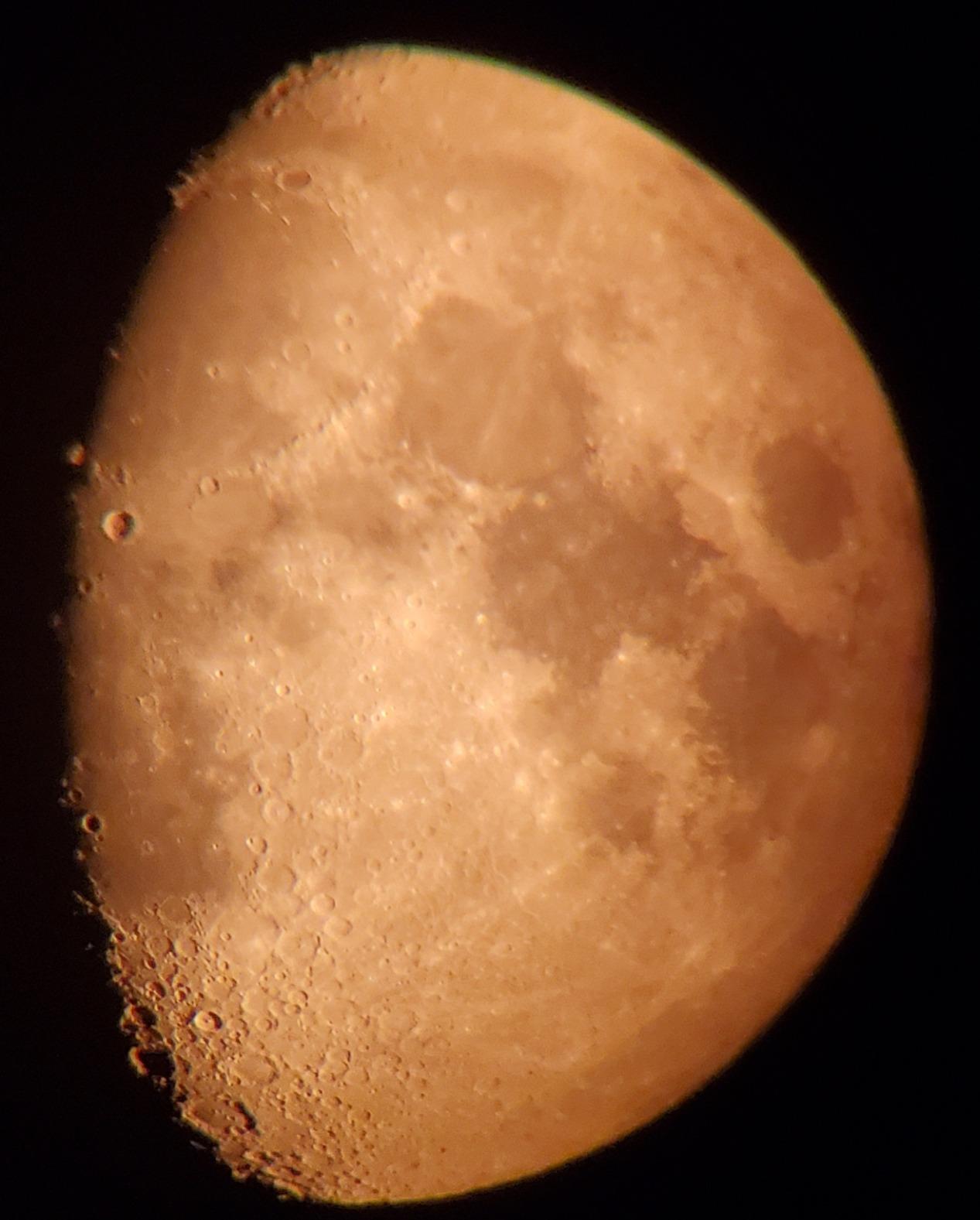
The rotating tripod mount is the ergonomic win for a heavy scope. On a five-pound body, being able to dial the eyepiece to a comfortable angle without shifting the whole optic is the difference between an afternoon of glassing and an hour of neck pain. The dual focus mechanism gives coarse and fine control, and the magnesium alloy body keeps the weight down for its size.
The accessory bundle is unusually complete: padded view-through case, objective and eyepiece covers, a T-mount adapter ring for DSLR digiscoping, lens cloth and a balance rail. All of it backed by a Celestron limited lifetime warranty with US-based support.
The problem is honest: at five pounds this is a vehicle and bench scope, not a hiking one. And the focus mechanism is sensitive enough that first-time owners report needing practice to dial in precisely.
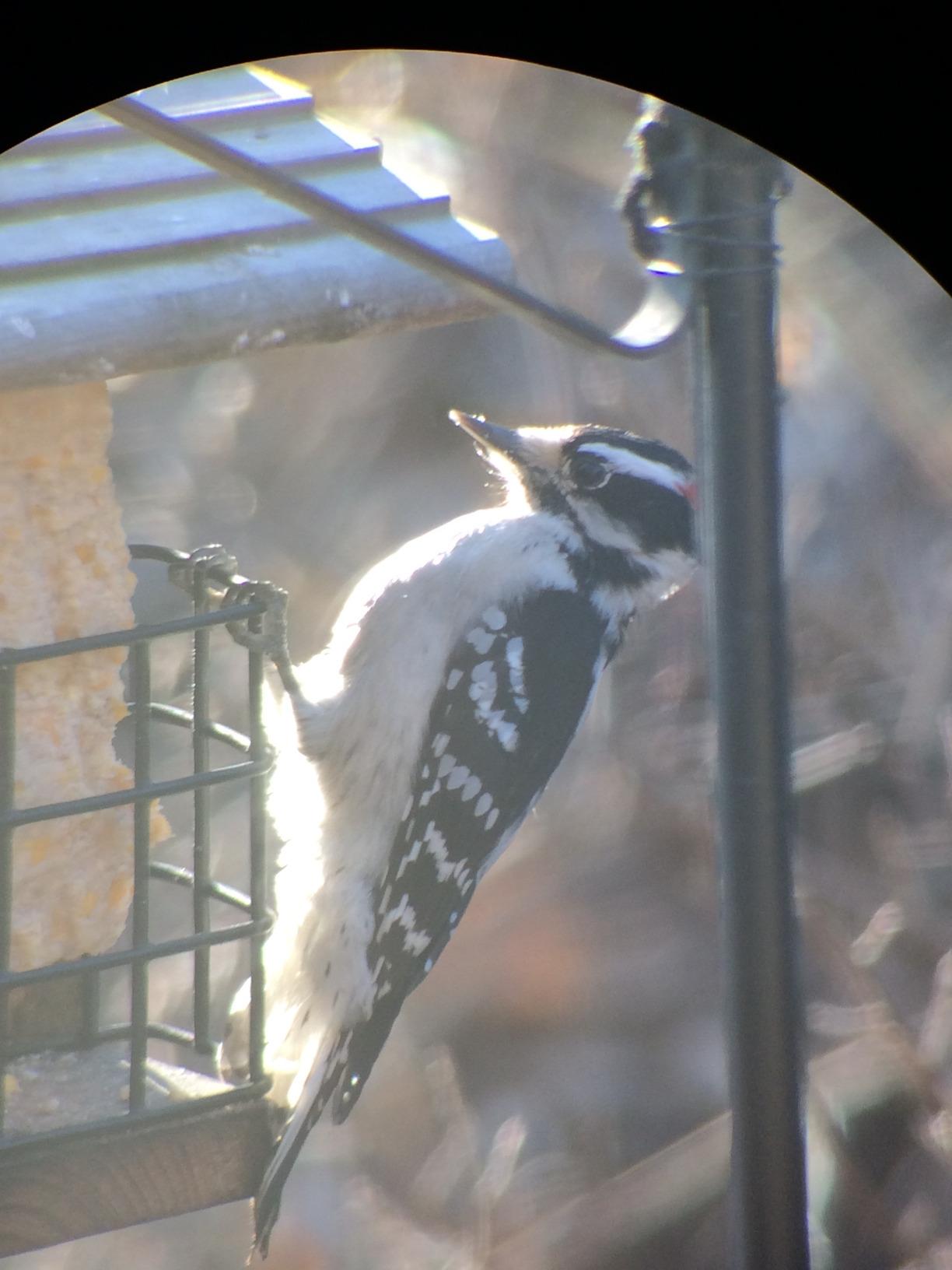
When the 100mm objective is worth the weight
Light is the resource you run out of first on a long-range bench. A 100mm objective gives you a bright image well into dawn and dusk, which extends your usable hours and helps on backlit targets where a smaller objective simply stops resolving. If you shoot steel at 800 to 1000 yards or glass at first light, that extra light is the whole argument.
The eyepiece flexibility also lets you run a fixed high magnification for precision work and swap back to the zoom for scanning, which no other scope in this roundup offers.
When it is the wrong choice
Do not buy this scope if you have to carry glass on foot to a public range or hunt from a ridge. Five pounds plus a tripod is a two-person carry, and the bulk of the body makes it awkward in a vehicle trunk with other gear.
There is also no reticle, so it does not help a spotter calling corrections. Pair it with the Bushnell Legend T-Series if your team needs mil data, or use it solo for steel and long-range glassing where brightness is the priority.
7. Vortex Crossfire HD 20-60×80 Angled
Vortex Crossfire HD Spotting Scopes (20-60×80 Angled)
20-60x zoom
80mm HD objective
Arca-Swiss foot
3.3 lb
Nitrogen purged
+ The Good
- Bright edge-to-edge image with minimal chromatic aberration
- Wide field of view makes target acquisition fast
- Angled eyepiece with twist-up eyecups suits glasses wearers
- Arca-Swiss foot mounts to standard tripods without extra adapters
- The Bad
- The 80mm body is bulkier than smaller models and awkward to backpack
- Image can dim at dusk or in very low light
- Included neoprene cover blocks the eyecup adjustment screw
The Crossfire HD sits in the middle of the Vortex line and makes sense when you want HD glass in a package that is easier to carry than the Diamondback. It is a 20-60x on an 80mm objective with the HD optical system, anti-reflective coatings on all air-to-glass surfaces and a wide field of view for quick target acquisition.
Owners rate the image bright, sharp and edge-to-edge with minimal chromatic aberration, and they consistently praise the smooth helical focus. The angled eyepiece with twist-up adjustable eyecups is the feature that shows up most in reviews from people who wear glasses.
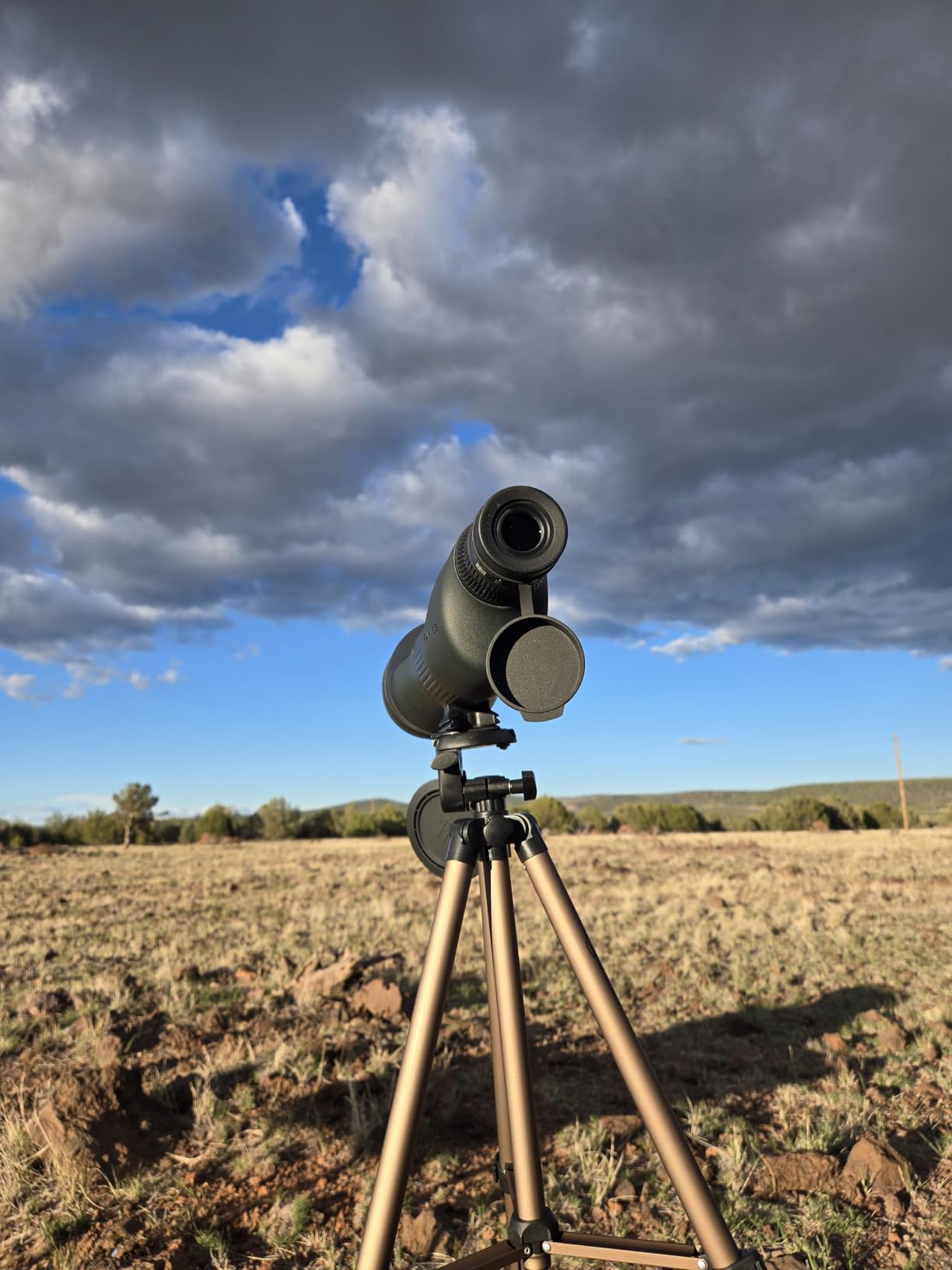
Like the Diamondback, the foot is Arca-Swiss compatible, so it drops onto standard tripods and camera stands without buying a plate. The body is shockproof rubber armor, nitrogen purged, waterproof and fogproof, and the built-in sunshade on the 80mm model keeps glare and rain off the objective. The VIP lifetime warranty applies.
The reservations are honest ones. The 80mm body is bulkier than smaller scopes and awkward to backpack, the image dims at dusk or in very low light, and the supplied neoprene cover blocks the eyecup angle adjustment screw, which is an annoying small design flaw. No tripod is included.

Why the angled eyepiece matters on a shared bench
If more than one person uses the same range bench, the angled eyepiece is the deciding feature. A straight eyepiece forces everyone to bend forward over the eyepiece, which gets uncomfortable fast and is worse for anyone with back issues. An angled eyepiece lets you stand or sit upright, and it makes a long session much easier to sit through.
The wide field of view helps on a shared bench too. Scanning a 1000-yard range for your target without losing it off the edge of the image is faster with a wide field, and that matters when you are sharing time with other shooters.
Where it falls short of the Diamondback
Optically the Crossfire HD sits below the Diamondback HD, and the difference shows in low light, where owners here specifically note the image dimming at dusk. If you shoot dawn, the bigger objective and premium glass of the Diamondback or the Regal M2 are worth stepping up for.
There is also no reticle and no tripod, so budget for a head and decide early whether a spotter calls your corrections.
8. Vortex Viper HD Spotting Scope
Vortex Viper HD Spotting Scope (20-60×85 Angled)
15-60x zoom
85mm HD objective
XR coatings
Argon purged
2.2 kg
+ The Good
- Exceptionally clear low-light resolution that holds up at long range
- Single-hand zoom and helical focus are smooth and easy
- Comfortable eyecup with good eye relief that works with glasses
- Magnesium body with Armortek lens coatings
- The Bad
- 2.2 kg is awkward to carry on foot
- Angled eyepiece needs a tripod to view comfortably for long stretches
- Eye shroud does not help glasses wearers
The Viper HD carries the highest average rating of any scope in this roundup at 4.7 stars, and owners describe the images in exactly the terms you would hope for: bright, high-definition and clean at distance. Wildlife observers and long-range shooters regularly report resolving animals at a mile or more with it.
Optically it pairs an 85mm objective with the HD system and XR anti-reflective coatings for low light, and the relative brightness figure of 17.6 tells you how much light it is gathering compared with a standard scope. That is the number that explains the dawn and dusk performance owners report.
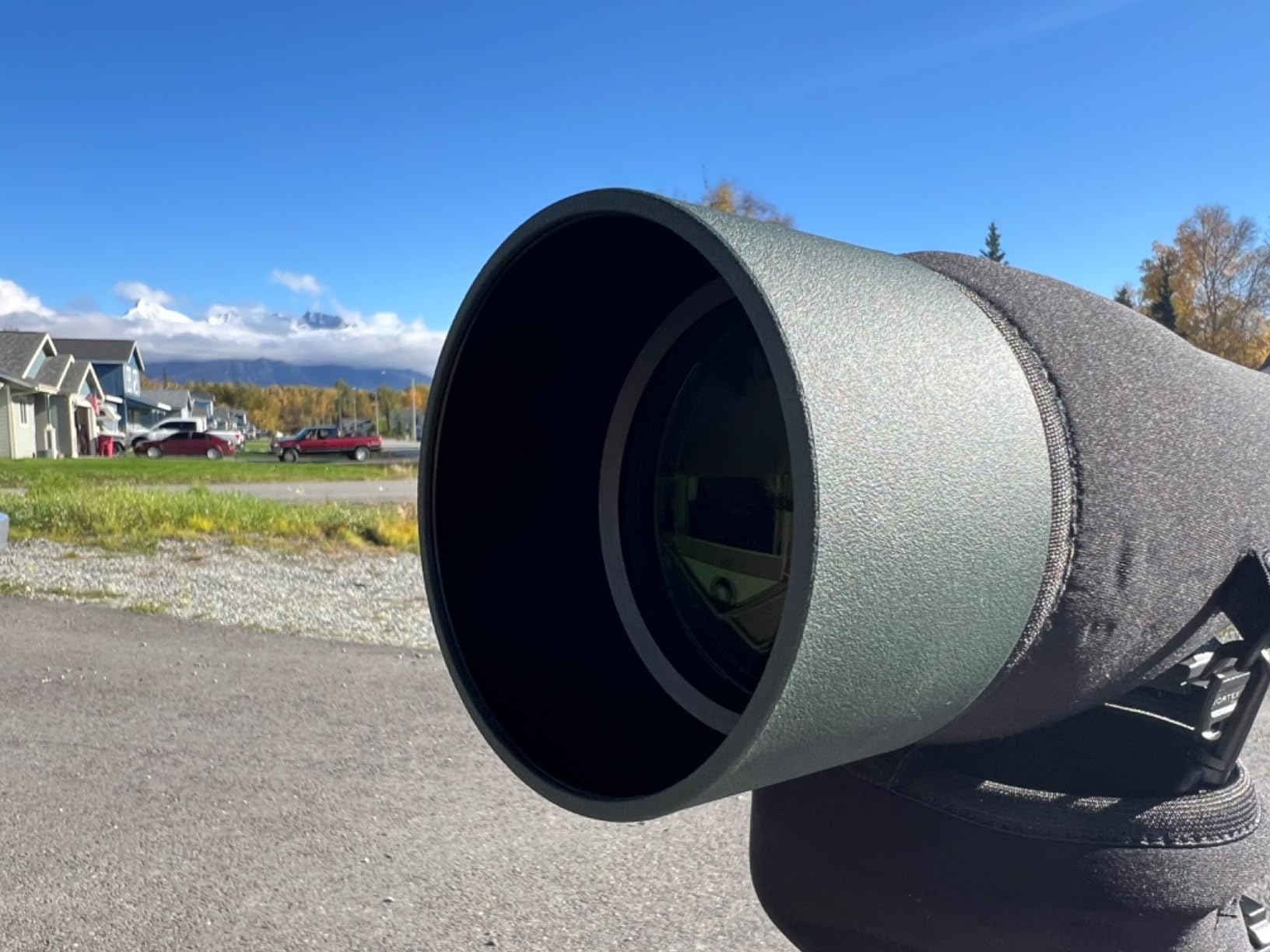
The mechanics are good. Single-hand zoom control and a helical focus ring are smooth, the multi-position eyecup and locking collar let you rotate the scope into different viewing positions, and the built-in pull-out sunshade reduces glare. The body is magnesium with rubber armor, o-ring sealed and argon purged, and Armortek coatings protect the lenses from oil, scratches and dirt.
Two practical notes from owners. At 2.2 kg it is heavy enough to be awkward on foot, so treat it as a vehicle or tripod scope. And the eye shroud does not serve glasses wearers, which is a real limitation if you shoot in prescription glasses all day.
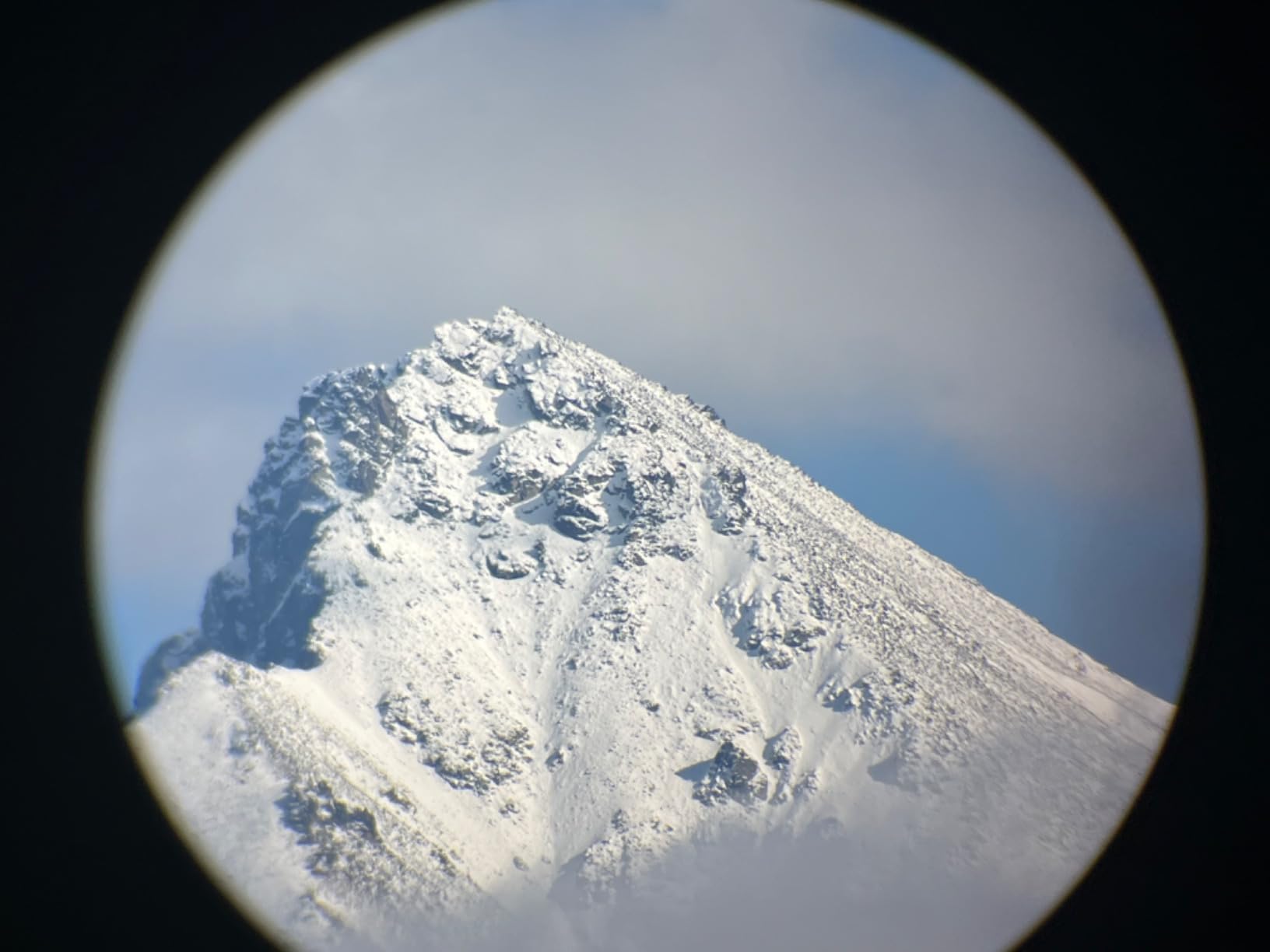
Why premium low light changes the session
Most long-range shooting happens at dawn or dusk because that is when the air is stable and the light is manageable. A scope that holds up in low light lets you shoot those hours instead of giving up when the light fades. Owners of the Viper HD point to exactly this when they explain why they bought it.
The 15-60x range also covers both ends of the day well: 15x for scanning a wide area of a valley and 60x for reading a specific group when the conditions are right. Few scopes in this roundup give you that much range on one optic.
What you give up
Weight and the eye shroud. Neither is a dealbreaker on a bench, but both matter if you carry glass to the range regularly or wear glasses for shooting. In that case the Crossfire HD angled or the Celestron Ultima are better fits.
There is no reticle, so this is a solo confirmation scope rather than a spotter tool. Pair it with binoculars on a tripod for scanning and pull the Viper out when you need to read a group.
9. Celestron Ultima 20-60×80 Straight Spotting Scope
Celestron Ultima 20-60×80 Straight Spotting Scope for Hunting
20-60x zoom
80mm objective
Multi-coated
Straight eyepiece
1616 g
+ The Good
- Long tracking eye relief lets glasses wearers see the full field
- Smooth large focus dial in a natural position
- Integrated T-adapter makes phone and camera digiscoping straightforward
- Limited lifetime warranty with US-based technical support
- The Bad
- Straight eyepiece forces you to bend forward and causes back fatigue
- Soft case is thin and not durable for rough trips
- No tripod included
- Softening and color fringing appear near 60x
The Ultima 80 is the reference value scope in the 80mm class, and long-standing owners routinely report that it outperforms units costing two to four times as much. It is a 20-60x on an 80mm objective with multi-coated optics on every lens surface, a large smooth focus dial and an extended tripod mounting plate for stability.
What reviewers single out most is eye relief. The long tracking distance means glasses wearers can see the full field of view rather than fighting the eyecup, and that single feature wins over a lot of optical specifications in a 12-hour match day.
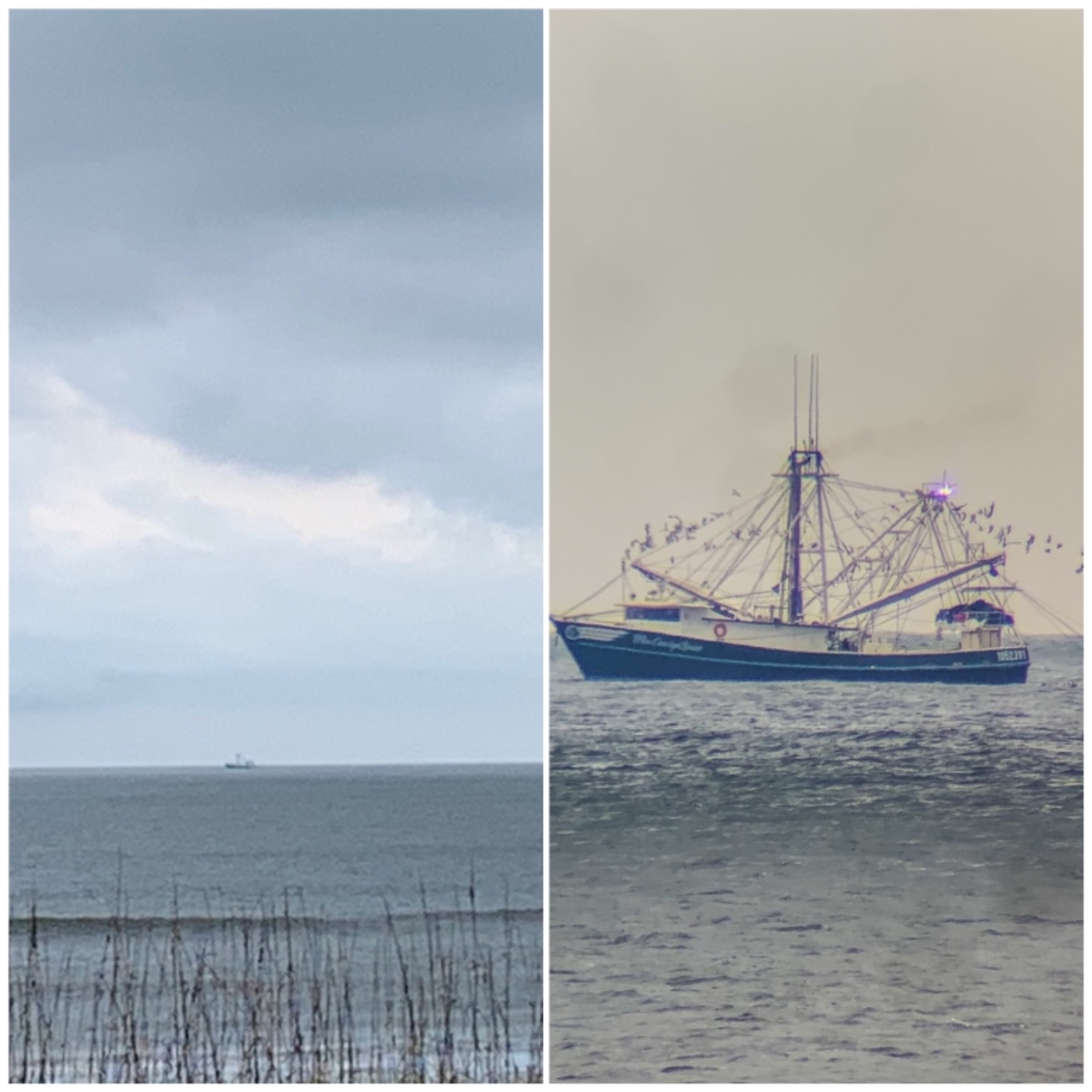
The integrated T-adapter on the zoom eyepiece is a genuinely useful piece of design. Digiscoping with a phone or camera becomes a matter of removing the eyecup and threading the adapter in, rather than buying a separate adapter and hoping it fits. Long-term owners also note it holds focus reasonably well across the zoom range for normal vision.
The technical limitation is consistent across reviews: softening becomes noticeable from around 35 to 40x, and at 60x the view dims and color fringing becomes visible. The straight eyepiece means bending forward when mounted on a shorter tripod, which is the dominant ergonomic complaint, and the soft case is not built for rough hikes. No tripod is included.
Why eye relief matters more than most specs
Eye relief is the distance between your eye and the eyepiece lens, and if you wear glasses, a scope with too little of it will crop the field or force you to remove your glasses and fight the focus. The Ultima’s long tracking eye relief keeps the full field visible with glasses on, which is why it keeps showing up in recommendations for glasses shooters.
That comfort matters over a full range day in a way that is hard to quantify. A scope you can use for six hours without neck strain changes how much you shoot.
Where the Ultima 80 falls short
At the top of the zoom range the image softens and dims, so this is not the scope for pushing to 60x on a stable morning. The straight eyepiece is a daily ergonomic cost, and at 1616 g with a 19.7 inch body it is long and heavy relative to other 80mm scopes.
If you share a bench with other shooters, an angled model will suit everyone better. Our birding scope roundup covers angled models in more detail if glassing wildlife is part of your use.
10. Barska Benchmark 25-125×88 Waterproof Straight Scope
BARSKA Benchmark 25-125×88 Waterproof Straight Spotting Scope, Green/ Black
25-125x zoom
88mm objective
Fully coated BK-7
1.8 lb
Objective focus
+ The Good
- Widest zoom range in the roundup at 25-125x in one scope
- Large 88mm objective produces a bright low-magnification view
- Objective focus adjustment lets you fine tune the front end while holding the view
- Hard and soft carrying cases plus a tripod and ACCU-Grip handle
- The Bad
- BK-7 glass does not hold edge-to-edge sharpness at high zoom
- Contrast and image quality drop noticeably toward 125x
- Manual objective ring takes practice to set smoothly
- Straight eyepiece means bending forward when mounted low
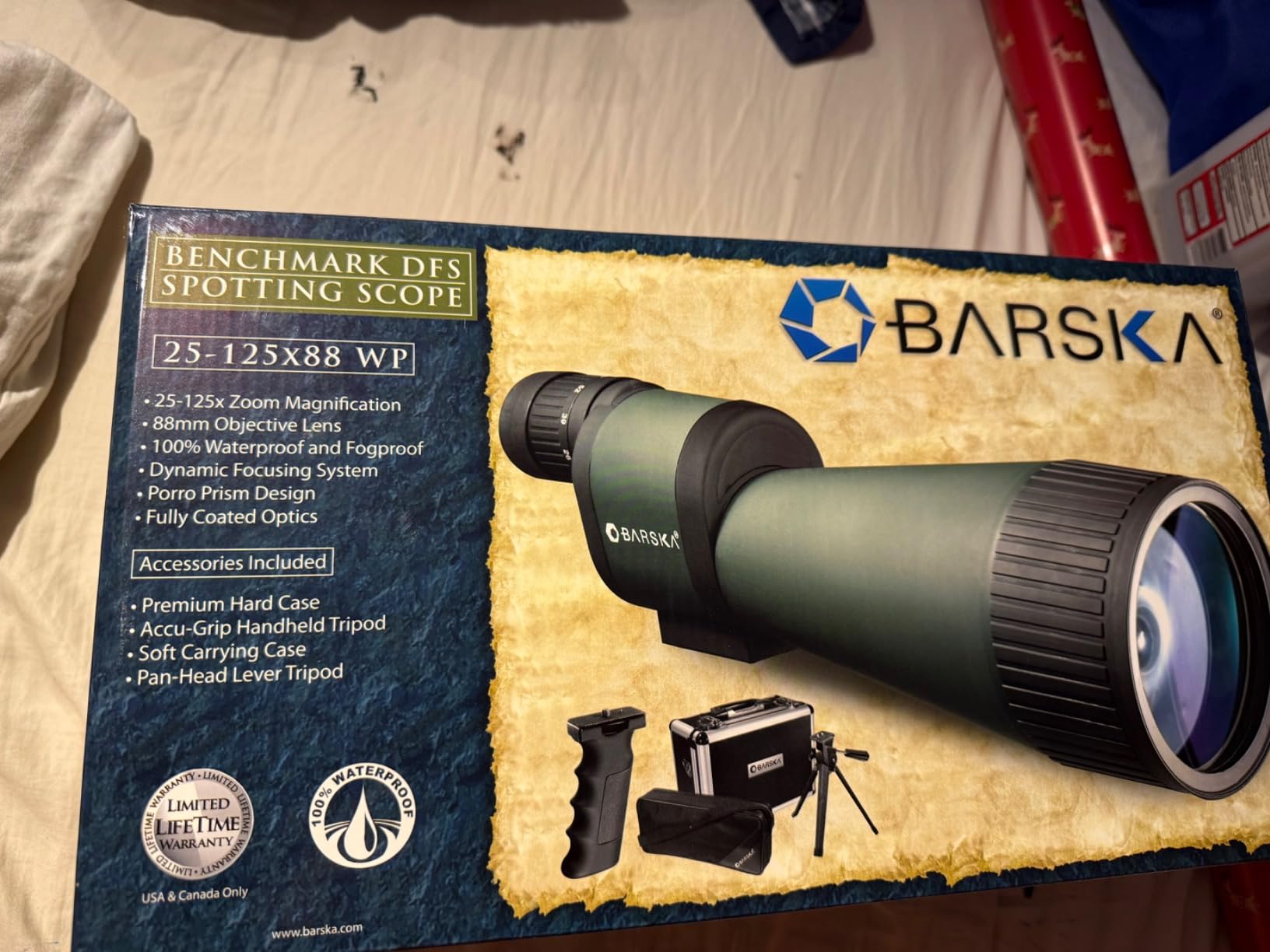
The Benchmark does something no other scope in this roundup does: 25x to 125x in one body. That is a 5:1 range, wide enough that you can scan a valley at 25x and then push to 125x on a cold, stable morning without swapping optics. For a shooter whose distances vary wildly, that flexibility is the selling point.
The 88mm objective is also among the larger here, and the fully coated optics give a bright view at the low end of the range where you are actually scanning. The adjustable objective lens allows front-end focus fine adjustments while you keep the target in view, and the ACCU-Grip handle gives you something solid to hold when the tripod is short.
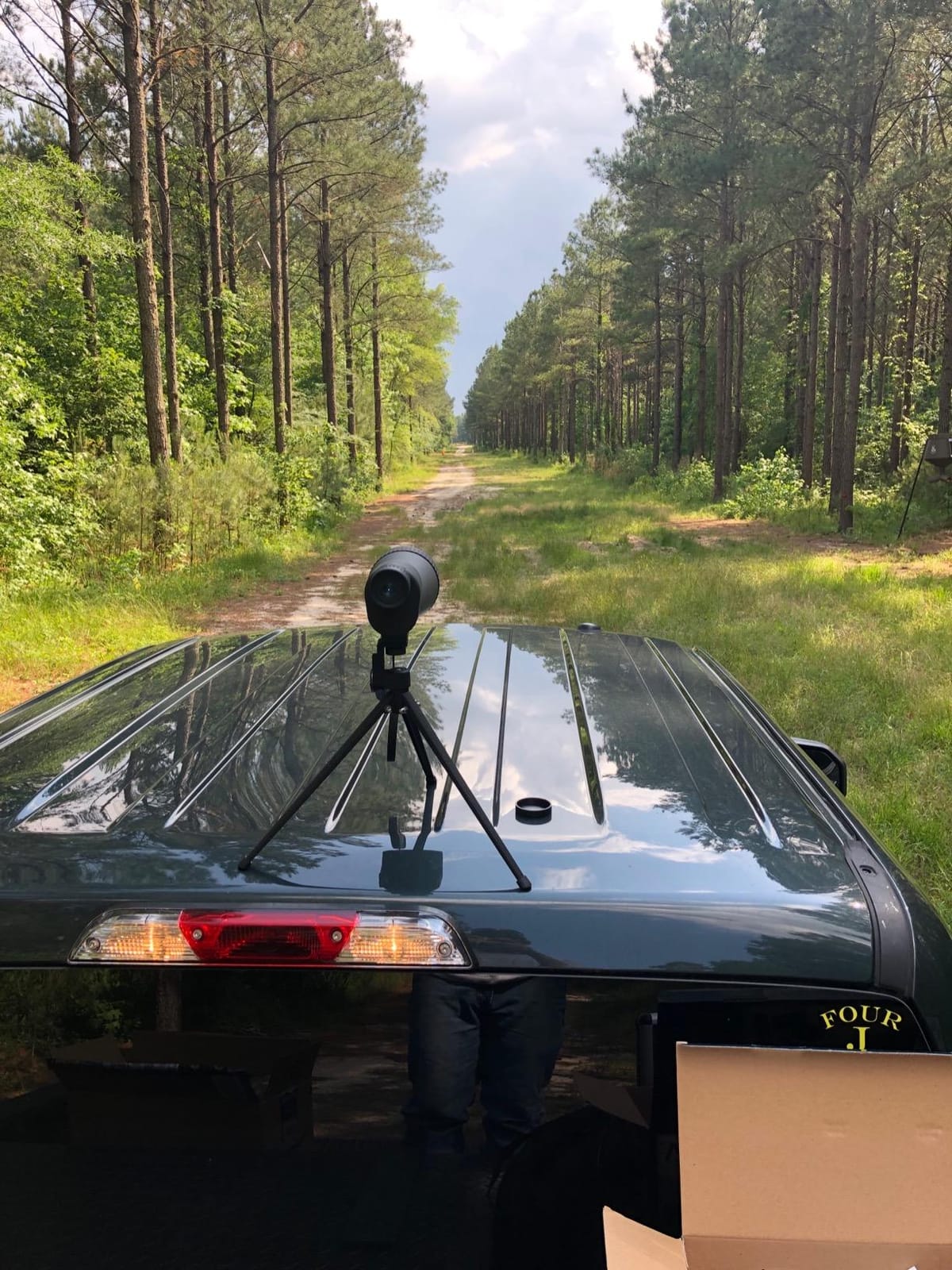
The body is rubber armored and rated waterproof, fogproof and shockproof, which is reassuring on a public range or in a vehicle. Both hard and soft carrying cases are included, and at 1.8 pounds it is not a burden to move around.
The optical ceiling is the honest problem. BK-7 glass with fully coated optics does not deliver edge-to-edge sharpness, and reviewers describe noticeable softness and color fringing as you approach 125x. This listing also has one of the widest rating spreads in the group, with a meaningful share of one and two star reviews, and buyers who value magnification range and brightness at low power seem happiest with it.
Who actually benefits from a 5:1 zoom
If you shoot mixed distances, the extra range removes the temptation to buy two scopes. A hunter who scouts at 25x in the morning and then checks a distant ridge line at 125x gets both from one optic. The wide range also lets you pull back to low power when the mirage is heavy, which is exactly when you need to.
Users who settle in at low magnification benefit from the large objective too, since the widest field and the brightest image happen together at the bottom of the zoom range.
Where the extra magnification costs you
At 125x on BK-7 glass you are paying for a number on the box rather than usable resolution. The optical softness and fringing reviewers report at the top of the range means the practical ceiling here is well below the stated maximum.
If long-range precision is your actual goal rather than flexibility, an 85mm HD scope with an ED element will serve you better. The manual objective ring also takes practice to set smoothly, which slows down the quick adjustments a spotter needs.
11. Gosky 25-75×80 with Integrated Phone Holder
Gosky Spotting Scope 25-75×80 with Tripod for Target Shooting
25-75x zoom
80mm objective
BAK4 prism with FMC
Dual speed focus
4.5 lb
+ The Good
- Owners report resolving 22LR holes on targets at 200 yards
- Dual speed focus gives genuinely fine adjustment
- Integrated phone holder makes digiscoping simple
- Rotating tripod collar works with Arca-Swiss style plates
- The Bad
- Soft carry bag provides little real protection
- Phone holder uses a screw closure that feels inexpensive
- Focus does not hold across the zoom range
- Play in the rotating collar introduces image shake
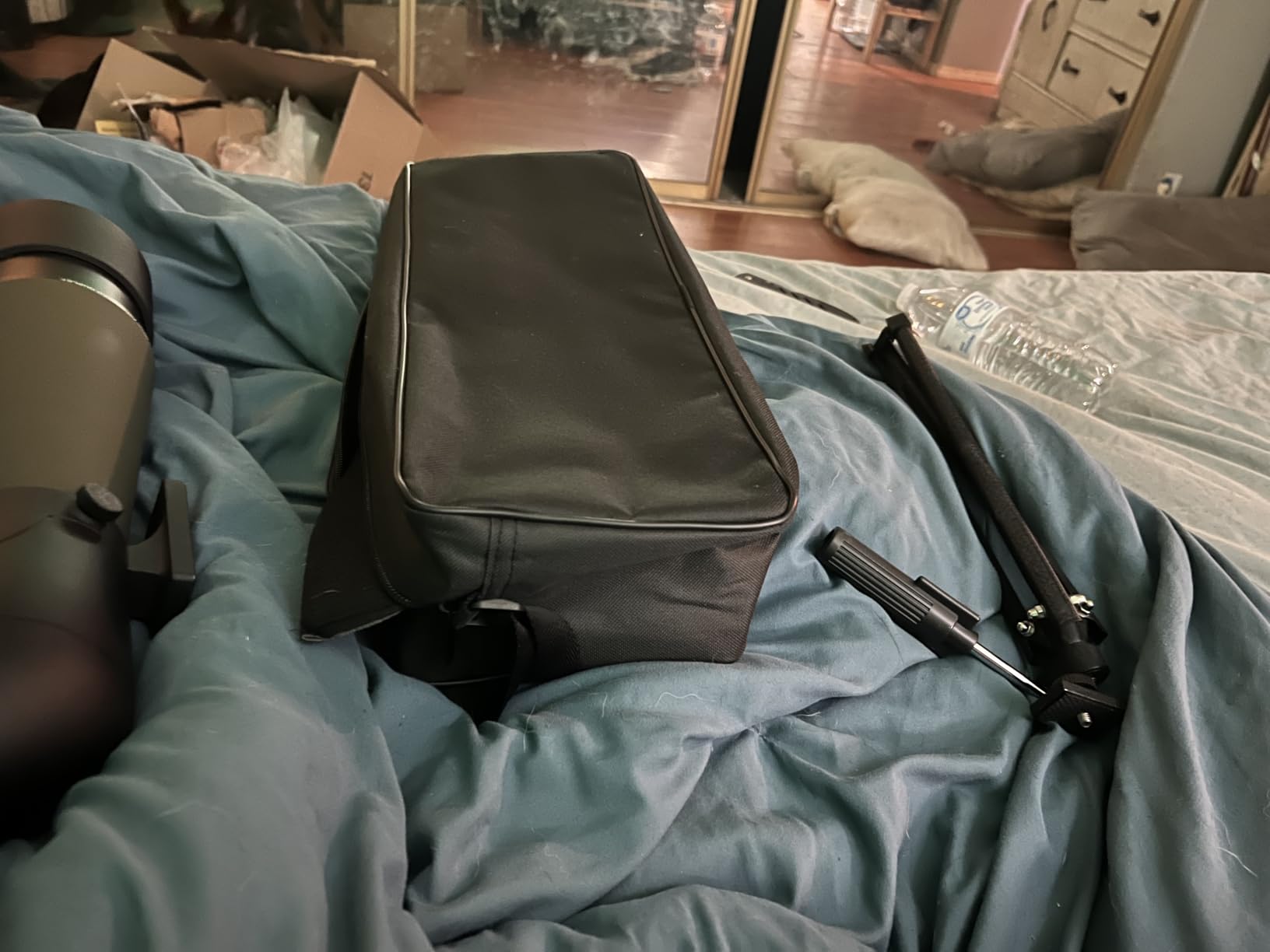
Gosky sells more than half a million units of this line and reviewers consistently report it outperforming its price class. This particular 25-75×80 uses a BAK4 prism with fully multi-coated optics and dual speed focus control, and owners say they can resolve 22LR holes on paper targets at 200 yards.
The integrated phone holder is the detail that separates it from the SVBONY’s bolt-on adapter. Rather than a separate accessory that slides over the eyepiece and blocks the zoom dial, the holder is built into the body, so setting up to record a session is one step instead of three.
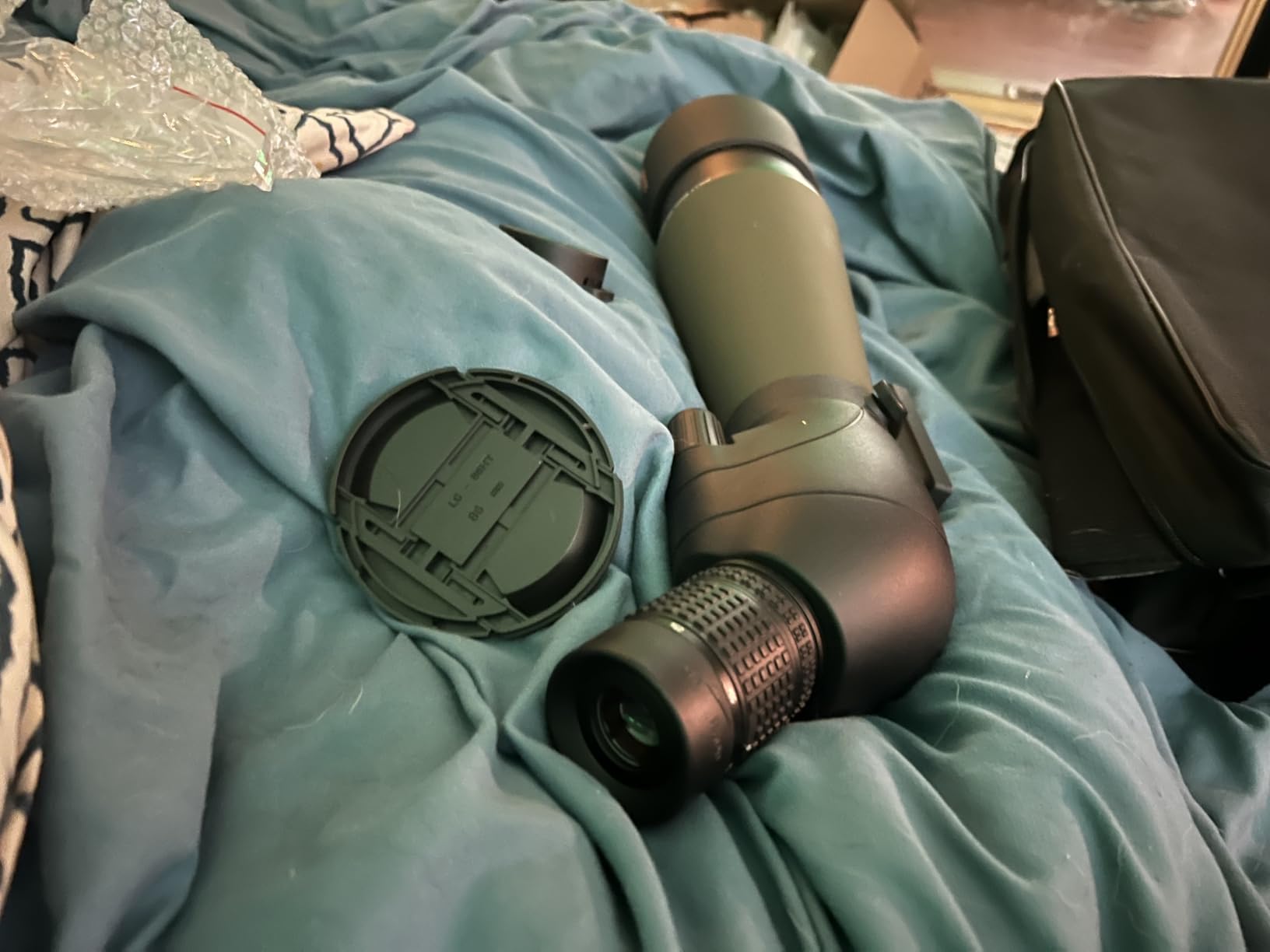
The 80mm objective with a BAK4 prism gives a bright, clear image, and the large eyepiece is comfortable for aging eyes, which is a detail reviewers mention more than you would expect. The rotating tripod collar accepts Arca-Swiss style plates, so it mounts on standard heads without an adapter.
There are tradeoffs. The scope does not stay focused across the 25x to 75x range, so you refocus at each stop, and some reviewers note play in the rotating collar that shows up as image shake when mounted. The soft carry bag is barely padded, and the image softens with fuzz on light-against-dark edges past roughly 150 to 200 yards.
Why the integrated phone holder is worth something
Recording your firing line sessions is one of the fastest ways to improve as a shooter, and it is also how you check your own grouping without walking downrange. Every budget scope in this roundup includes some form of phone adapter, but only this one has it integrated rather than clipped on over the controls.
For target shooters who want to document load data and group placement without extra equipment, that is a real convenience. It is also cheaper than buying an adapter for another scope later.
When to look elsewhere
At 4.5 lb listed weight and with play in the collar, this is a bench scope that wants a quality head. If your tripod is light, the shake owners report will show up as an unusable image at the higher magnification settings.
It also falls short past 200 to 300 yards, where the softness on high-contrast edges starts to cost you group readings. For mid-range work with a wider zoom, the Gosky FalconPro is the better pick, and neither one has a reticle.
12. Bushnell Trophy Xtreme 20-60×65 Spotting Scope
Bushnell Trophy Xtreme 20-60×65 Spotting Scope, Tripod, Green
20-60x zoom
65mm objective
Fully multi-coated Porro
1 kg
Window mount included
+ The Good
- Very bright image for its class from fully multi-coated glass
- Solid body owners describe as able to take heavy use
- Hard and soft cases included with a genuinely protective hard case
- Window mount and tabletop tripod give flexible viewing platforms
- Lifetime warranty
- The Bad
- Image washes out past 40x and turns murky at 60x
- Straight eyepiece causes neck and back fatigue when mounted low
- Focus shifts between magnification settings
- Cheap and light included tripod
The Trophy Xtreme is the budget answer to low light. Fully multi-coated Porro prism optics on a 65mm objective produce an image that owners consistently call very bright for the class, and several reviewers cite brightness as the deciding factor when working at dawn or dusk.
The accessory package is the best in this price band. You get a tabletop tripod, a car window mount, and both hard and soft carrying cases, with the hard case genuinely protective rather than decorative. The window mount is a real asset if you shoot from a vehicle at a remote range.
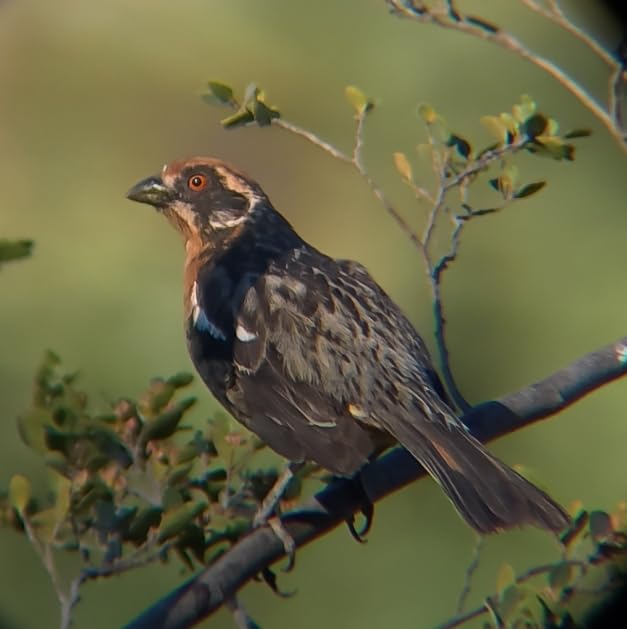
Owners report that the body is solid enough to take heavy use, and the lifetime warranty removes the long-term risk of buying at this tier. Many use it to read impacts and shot placement out to several hundred yards.
The straight eyepiece is the most-cited ergonomic drawback and it is a real one, since a straight eyepiece forces you to bend forward whenever the tripod is low. Eye relief is also finicky and lacks a lip to keep eyelashes clear. Optically, reviewers describe color and clarity washing out around 40x and the field shrinking and becoming hard to track at 60x, and some note the scope can shift focus between magnification settings or flop in the mount if moved carelessly.
Why brightness matters at dawn and dusk
Most long-range shooting happens in low light because that is when the atmosphere is stable. A bright scope extends the window in which you can actually read your groups, and that is where the fully multi-coated glass in this scope earns its place against the single-coated budget options.
The window mount adds a second advantage if you shoot from a vehicle. Mounting the scope on the window glass gives you a stable platform without a tripod, which matters at a remote range where you do not want to unpack legs.
Where it stops working
Do not push this scope to 60x and expect a usable image. Reviewers describe it as murky at the top of the range with a field that is hard to track, so treat 30x to 40x as the working limit.
The straight eyepiece and finicky eye relief will bother you on a long day, and there is no reticle. For 300-yard group reading on a budget with good low light, it is hard to argue with; for anything past that, step up to the Athlon Talos.
How to Choose a Long Range Spotting Scope
Do you need a reticle at all?
Only one scope in this roundup ships with a ranging reticle, and whether you need one depends entirely on how you shoot. Solo shooters who want to measure their own miss between shots benefit enormously from a mil-hash reticle, because it converts a guess into a number. Teams where a spotter calls corrections need one to communicate anything more precise than hold or left. If you only want to confirm that a shot hit, any scope works.
First focal plane versus second focal plane
A first focal plane reticle keeps a constant apparent size relative to the target as you change magnification, so a mil reading means the same thing at 20x and at 45x. A second focal plane reticle grows as you zoom in, which means you have to re-learn the scale every time you change power. For calling corrections and ranging, first focal plane is the correct choice and there is no real argument for second focal plane in a spotting scope.
Magnification and the mirage ceiling
Maximum magnification on the box is marketing, not physics. Owners of scopes in this class routinely describe sharp images between 15x and 30x with softness beyond that, and the effective ceiling on a warm day is often lower still. As a working rule, plan your useful range around 20x to 45x on a standard 20-60x scope, and treat anything past 60x as a bonus for cold, stable mornings. Buyers chasing a 125x number are chasing a specification, not an image.
Objective lens diameter and exit pupil math
The exit pupil is the objective diameter divided by magnification, and it is the number that explains why huge zoom ranges fail. On an 80mm objective at 20x you get a 4mm exit pupil, which matches a typical dark-adapted pupil and gives a bright image. At 60x the same scope gives 1.33mm, which is why the image dims and softens at the top of the range. Bigger objectives buy you more usable zoom: an 85mm objective at 60x still gives about 1.4mm, and the 100mm Regal M2 gives a 1.5mm exit pupil at 67x.
Glass type and coatings
ED glass such as the Bushnell Legend T-Series and the Celestron Regal M2 minimizes chromatic aberration, the purple fringing on high-contrast edges that tires your eye over a long session. HD systems such as the Vortex Diamondback and Crossfire deliver much of the same benefit with a single low-dispersion element, which is why they cost less. Plain multi-coated and fully coated scopes like the Ultima and the Barska Benchmark are perfectly usable but will show fringing when you zoom in.
Field of view, eye relief and the eyepiece angle
Field of view determines how fast you can find and follow a target, and it matters more than most buyers expect on a shared or busy bench. Eye relief matters most if you wear glasses, and the Celestron Ultima has the best tracking eye relief in this group. On eyepiece angle, an angled model is far more comfortable for long sessions and lets several people share one bench, but it needs a rotating tripod collar to be usable at different heights, and a non-rotating angled unit is a common source of buyer regret.
Tripods and Mounting for Scopes in the 3-4 Pound Class
Almost no scope in this roundup includes a tripod worth using, and a scope heavier than about three pounds on a flimsy tripod produces an unusable image at 40x and above. This is the most common unbudgeted cost in long-range shooting, and it is worth buying properly the first time. Look for a head with adjustable pan drag, a ball head if you need fast repositioning, or a fluid head if you want buttery pans when following a target.
Four steps to a stable setup:
1. Check that the tripod foot matches the scope. Vortex Diamondback and Crossfire models are Arca-Swiss compatible and also take 1/4-20; the Athlon Talos and Celestron Regal M2 have their own rotating collars.
2. Set the center column down and spread the legs wide. Stability comes from the leg triangle, not from the head.
3. Tune the pan drag so the scope stays where you put it but still moves when you push it. Too little drag and wind walks the image off target.
4. Level the head and adjust the eyecup height before you focus on the target, so you are not re-centering the scope every time you change magnification.
Frequently Asked Questions
How far will a 20-60×80 spotting scope see?
A 20-60×80 reads a .30 caliber group on paper at 500 yards comfortably at 30x to 40x, and resolves steel clearly out to roughly 600 yards in good conditions. Independent measured testing shows a budget scope in this class barely resolving a 7.62mm hole at 300 metres. Past 700 yards, heat shimmer rather than glass quality sets the limit.
What spotting scope is best for a gun range?
For most public and private ranges, a 20-60x scope on an 80mm or 85mm objective with an angled eyepiece is the best balance of brightness, weight and price. The Athlon Talos 20-60×80 is the value choice and the Vortex Diamondback HD 20-60×85 is the premium choice, both of which need a tripod purchased separately.
What spotting scope for 500 yards?
At 500 yards you need 30x to 40x on an 80mm objective and nothing more. The Athlon Talos, Gosky FalconPro and Celestron Ultima 80 all cover this range, and at 500 yards you will not run into mirage problems that limit longer distances. A reticle is only necessary if you want to measure your own misses in mils.
Do I need a mil reticle in a spotting scope?
You need one if you shoot alone and want to measure your own miss, or if you work as a spotter team calling corrections. If you only want to confirm that a shot hit, a reticle adds nothing. Of the 12 scopes we compared, only the Bushnell Legend T-Series ships with a mil-hash first focal plane reticle as standard.
Can you see bullet holes at 1000 yards with a spotting scope?
Sometimes, but not reliably. A .30 caliber hole at 1000 yards is small enough that mirage and atmospheric shimmer usually break it up, and independent measured testing shows budget 20-60×80 scopes failing to resolve even a .50 calibre hole at 400 metres. Premium scopes fare better, but the practical answer is to expect confirmation rather than precise measurement at that distance.
Which Spotting Scope Should You Buy?
Start with the distance you actually shoot. If you are working 100 to 300 yards and want everything in one box, the SVBONY SV28 is the pick we would buy first, with 3334 owner reviews behind it and a tripod and phone adapter included. If your range work runs 300 to 600 yards and you want a brighter, more sealed scope, the Athlon Talos 20-60×80 is the step up, and the lifetime transferable warranty makes it an easy long-term buy.
If you shoot past 600 yards or glass at dawn and dusk, glass quality and objective size start earning their money. The Vortex Diamondback HD 20-60×85 is the best all-round premium choice with reduced chromatic aberration and Arca-Swiss mounting, while the Celestron Regal M2 with its 100mm ED objective is the choice when you want the most light available and do not care about carrying weight.
If you want corrections instead of confirmation, buy the Bushnell Legend T-Series. It is the only scope here with a mil-hash reticle on the first focal plane, and it will change how much ammunition and range time you spend. Just verify the reticle when it arrives.
Whatever you choose, buy a real tripod at the same time. A three-pound scope on a weak head is the most common reason people decide they do not need a spotting scope.