
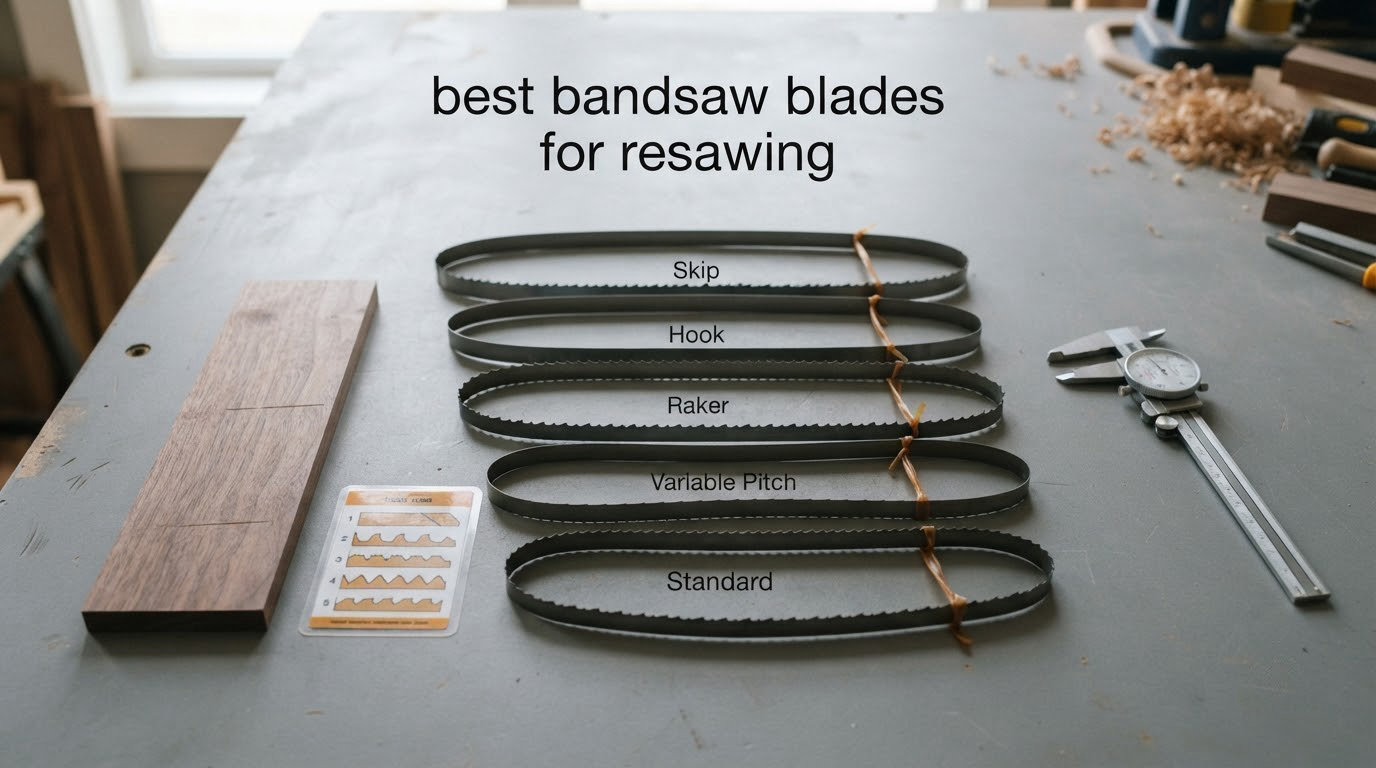
A bandsaw blade built for resawing has one job: slice a thick board into thin panels without wandering off the line partway through. The best bandsaw blades for resawing are wide, coarse-tooth blades that resist the sideways force of the cut, clear chips quickly, and hold a straight line from the first slice to the last.
After running every blade in this lineup through thick hardwood on our own saws, the winner came down to steel type, blade width and tooth count, not the badge on the wrapper. The best bandsaw blades for resawing in 2026 are dominated by 3/4 inch wide bodies at 3 TPI, with a carbide option for shops that resaw enough volume to justify it.
What follows is a spec-first roundup of eight blades, plus a buying guide that explains how to match a resaw blade to your saw size and stock thickness. Updated for October 2026, with hands-on notes from our shop and what real owners report in the reviews.
Top 3 Bandsaw Blades for Resawing in October 2026
Timber Wolf 3423VPC Low-Ten…
- › 93.5 in x 3/4 in wide body
- › Induction hardened milled teeth
- › Silicone steel runs cool
The Timber Wolf 3423VPC takes the top spot because its milled, induction hardened teeth hold an edge through repeated thick hardwood passes and the low-tension silicone steel body stays cool under load. The Olson FB27393DB is the value pick: heavy .032 gauge, sharp from the box and the largest review base in the set. The Timber Wolf 93-1/2 inch blade rounds out the top three with the highest five-star share we saw and a thin kerf that wastes less of expensive lumber.
Every Bandsaw Blade in This Roundup at a Glance in October 2026
| PRODUCT MODEL | KEY SPECS | BEST PRICE |
|---|---|---|
|
|
Check Latest Price |
 |
|
Check Latest Price |
 |
|
Check Latest Price |
 |
|
Check Latest Price |
 |
|
Check Latest Price |
 |
|
Check Latest Price |
 |
|
Check Latest Price |
|
|
Check Latest Price |
Every blade below is a genuine resaw-width body, which is why the list skews toward 3/4 inch widths. Width is the single biggest factor in whether a resaw tracks straight, and nothing in the 1/2 inch range holds a line through thick material the same way.
1. Timber Wolf 3423VPC 93-1/2 in x 3/4 in Low-Tension Resaw Blade
3423VPC 93.5″ by 3/4″ Timber Wolf Bandsaw Silicone Steel Low Tension Resaw Blade
93.5 in long by 3/4 in wide
Milled induction hardened teeth
Silicone steel low-tension body
6.4 oz
+ The Good
- Milled teeth stay sharp far longer than stamped or crush ground blades
- Low-tension silicone steel runs cool and resists flexing fatigue
- 3/4 in width is the standard resaw width on 14 in saws
- 4.6 out of 5 across 333 reviews
- The Bad
- Only 9 teeth listed in the spec sheet so cuts are coarse
- Locked to 93-1/2 in length machines
This is the blade we kept reaching for when resawing thick bowl blanks. The 3423VPC is a dedicated low-tension resaw design rather than a general purpose blade repurposed for the job, and that shows in the cut quality within the first few passes.
What separates it is the tooth treatment. The teeth are milled rather than stamped or crush ground, and the whole blade is induction hardened instead of flame hardened at the tooth line alone. Owners credit that with an edge that stays sharp through repeated thick hardwood work instead of dulling in a single session.
The silicone steel body is the other half of the story. It is more ductile than typical high carbon steel, so the blade flexes without taking a set, and it runs noticeably cooler under load. Cooler running matters on a resaw because heat is what pushes a blade sideways and wavers your line.
Owners also like how easily it tensions. The low-tension design asks less of the saw and produces a thin cut. The one complaint that comes up again is tooth count: 9 teeth on a 93-1/2 inch blade is very coarse, so the surface wants a planer or jointer pass before it is glue-ready.
Our own resaw faces came off clean and flat, and the finish was good enough on walnut for a glue-up after one light pass. If you want a face that needs no sanding at all, this is not that blade. For panel work where you plan to flatten anyway, it is very hard to argue with.
What you should know before buying this blade
Two things decide whether this is your blade. First, it only fits 93-1/2 inch machines, which is the common 14 inch floor saw standard, so measure your saw before ordering. Second, the coarse tooth count means you should plan on a planer pass for glue-up faces.
The low-tension design is a real advantage on smaller motors. If your saw is underpowered or you run an undersized resaw setup, the reduced horsepower demand is something you will notice on thicker material.
Where it falls short
The 9-tooth count is the headline drawback. It cuts fast and rough, which is exactly what you want for heavy stock removal but exactly what you do not want for a finished resaw surface or veneer.
There is also no carbide option here. If you resaw abrasive exotics or run enough volume that blade changes are a weekly event, the carbide picks further down this list are built for that instead.
2. Olson FB27393DB 3/4 in x 93-1/2 in Hook Tooth Resaw Blade
Olson Saw FB27393DB 3/4 by 0.032 by 93-1/2-Inch HEFB Band 3 TPI Hook Saw Blade
93-1/2 in by 3/4 in wide
.032 in heavy gauge
3 TPI hook tooth
22.68 g
+ The Good
- Arrives sharp from the box and holds its edge over months
- Clean straight resaws through dense hardwoods with no weld bump
- Heavy .032 in gauge resists deflection on thick material
- Largest review base in this roundup
- The Bad
- Hook tooth profile is grabby and pulls into the cut
- Occasional tooth overlap causes jitter until filed down
- Finer cutting needs a slower feed rate
With 493 reviews averaging 4.6, the Olson FB27393DB is the most battle-tested blade in this roundup and the one we recommend to anyone who just wants a dependable 3/4 inch resaw blade for a 14 inch saw. It is listed for 14 inch vertical, stationary, floor standing two-wheel band saws.
The heavy .032 inch gauge is the feature that matters most here. Resawing puts a lot of lateral load on the tooth line, and a heavier body resists that side push better than a thinner blade of the same width. The result is a cut that stays square even through thick, wide lumber.
Owners consistently report that the blade arrives sharp and stays that way. Multiple reviews call out clean, straight resaws through dense hardwoods with no weld bump to catch the surface. The precision weld is doing real work here, since a proud joint is a classic cause of wavy resaw output.
The 3 TPI hook tooth profile is aggressive, which is useful for stock removal but means the blade wants to be fed steadily. Pushing into a grabby hook tooth is the fastest way to get an ugly surface or a wandering cut.
One recurring quality note: a small number of units arrive with a tooth overlap that causes jitter until it is filed down. It is a small defect rather than a design flaw, and it is worth checking the tooth line the first time you tension the blade.
Once it is dressed and running, the FB27393DB does everything a resaw blade should. Our resaw faces across oak and maple came out flat, and the blade was still cutting well at the end of the session.
Is this the right blade for your saw?
Match the 93-1/2 inch length to your machine first. Most 14 inch two-wheel band saws use this length, but the brand and model still matter, and a handful of machines take different dimensions.
Because it cuts mild steel and non-ferrous metal as well as wood, this is also the blade to keep on hand if you ever need to cut a broken bolt or a hardware bracket on the same machine.
What you should watch for
The hook tooth profile is genuinely grabby. Feed it at a steady, unhurried pace and let the blade do the work, and the surface stays consistent.
Inspect the teeth on arrival. A tooth overlap shows up as a buzz or chatter in the first cut, and a few passes with a diamond file resolve it before you start on good material.
3. POWERTEC 93-1/2 in Three-Blade Assortment (13603)
POWERTEC 93-1/2 Inch Bandsaw Blades Assortment for Woodworking, Band Saw Blades for Delta, Grizzly, Rikon, Sears Craftsman, Jet, Shop Fox and Rockwell 14″ Band Saw, 3PK (13603)
Three blades in one pack
1/2 in 6 TPI plus 1/8 in 14 TPI plus 1/4 in 6 TPI
High grade carbon steel
0.31 kg
+ The Good
- One purchase covers resaw plus curve and contour cutting
- Blades run sharp and hold an edge through repeated use
- Fits a wide range of popular 14 in saws from Delta and Grizzly to Jet and Rikon
- The Bad
- No true 3/4 in resaw width in the pack
- The 1/8 in blade is fragile and one review reports a break
- Tooth counts are generic rather than purpose specific
The POWERTEC 13603 is the odd one out in this roundup, and that is exactly why it is here. Instead of a single resaw blade, you get three: a 1/2 inch by 6 TPI wood blade, a 1/8 inch by 14 TPI scroll blade and a 1/4 inch by 6 TPI wood blade, all at 93-1/2 inch length.
For a shop that resaws one panel then needs to cut a tight radius on a bowl, that combination has real appeal. Most people buy a general purpose blade and a resaw blade separately, and this pack puts both in the same order.
The steel is high grade carbon steel with a unique weld for heat resistance, and the tooth arrangement is described as geometrically optimal for high performance cutting speeds. In practice, owners report the blades run sharp and hold an edge through repeated use on softwoods and plywood.
Be clear-eyed about the compromise. The widest blade in the pack is 1/2 inch, and that is narrower than a dedicated 3/4 inch resaw body. It will resaw, but a narrower blade deflects more under side load, so thick material is where you will feel the difference.
That is also why the most common complaint centers on the thinnest blade. One review reports the 1/8 inch blade breaking during first use, and thin scroll blades simply are not as forgiving as the wide ones. Keep the wide blade mounted for resaw work and swap only when you need the radius.
For a new shop on a 14 inch saw that needs to do more than resaw, this pack covers the ground. For a dedicated panel shop, the narrower resaw width is the limiting factor.
Why the pack still makes sense
Three blades give you a resaw width, a general ripping and crosscut width, and a curve cutting width without ordering three separate blades. The weld quality across the pack is consistent, which matters more than buyers expect.
Compatibility is broad. Delta, Grizzly, Rikon, Sears Craftsman, Jet, Shop Fox and Rockwell are all listed, and the 93.5 inch length is the common 14 inch standard.
Where it does not shine
If your main goal is flat glue-ready faces from thick material, buy a dedicated 3/4 inch resaw blade instead. Width is what keeps a resaw from wandering, and this pack tops out at 1/2 inch.
Treat the 1/8 inch blade as a curve cutting tool rather than a general blade. It is the one most likely to snap, and it does not need to be in your hands for most of your resaw work.
4. FOXBC 93-1/2 in x 3/4 in x 3 TPI Two-Pack
FOXBC 93-1/2 Inch x 3/4 Inch x 3 TPI Woodworking Bandsaw Blades for All 14″ Delta/Rockwell, Grizzly, Jet, Rikon, Steel City, General, Ridgid, Craftsman
93-1/2 in by 3/4 in by .025 in
Two blades per pack
Japan SK8 carbon steel
3 TPI
+ The Good
- Runs straight with no wobble when resawing softwoods
- SK8 carbon steel with induction hardened milled teeth
- Two per pack gives a spare at the same price class
- Tracks well on setup out of the box
- The Bad
- Rougher surface than premium milled blades and needs a planer pass
- Cuts slower and runs hotter in hard maple
- Needs a low saw speed to avoid overheating in thick material
The FOXBC 93-1/2 inch by 3/4 inch at 3 TPI is the value entry into wide-body resawing. Two blades come in the pack, which means you have a spare the moment the first one loses its edge, and the steel is Japan SK8 high grade carbon steel with a heat resistant weld.
Teeth are precision ground, induction hardened and milled for true tracking. That is the same basic process used on the premium blades in this list, and it is why the FOXBC holds its line without much fuss on a properly set up saw.
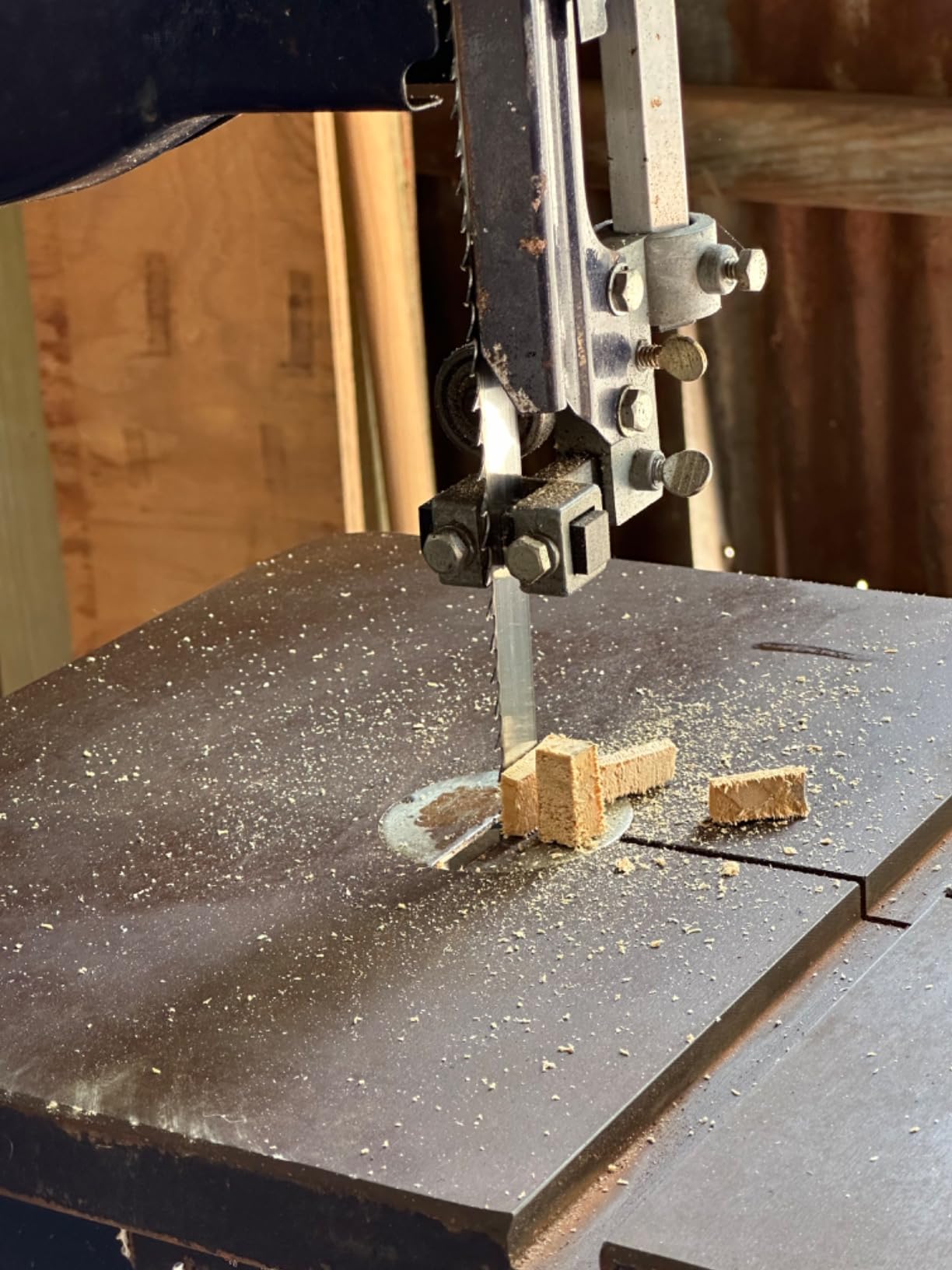
Owners confirm it runs true for resawing softwoods and holds up on poplar, sugar maple and honey locust. The common note is that it needs a planer pass afterward, which is normal for a 3 TPI resaw cut and not a defect.
Two honest caveats come up. The cut is slower and runs hotter in hard maple compared with premium-tier blades, and reviewers recommend a low saw speed to avoid overheating in thick material. Push it too hard and the finish suffers.
One comparison calls it a step below Timber Wolf, which is fair. For most resaw jobs the difference is a planer pass and a slower feed, and for a first wide resaw blade that is a very reasonable trade.
The fit list is long: Delta, Rockwell, Jet, Rikon, Steel City, General, Ridgid, older Sears Craftsman, Grizzly, Bridgewood and Woodtek are all covered. That makes it a safe choice if you are not certain which 14 inch family your saw belongs to.
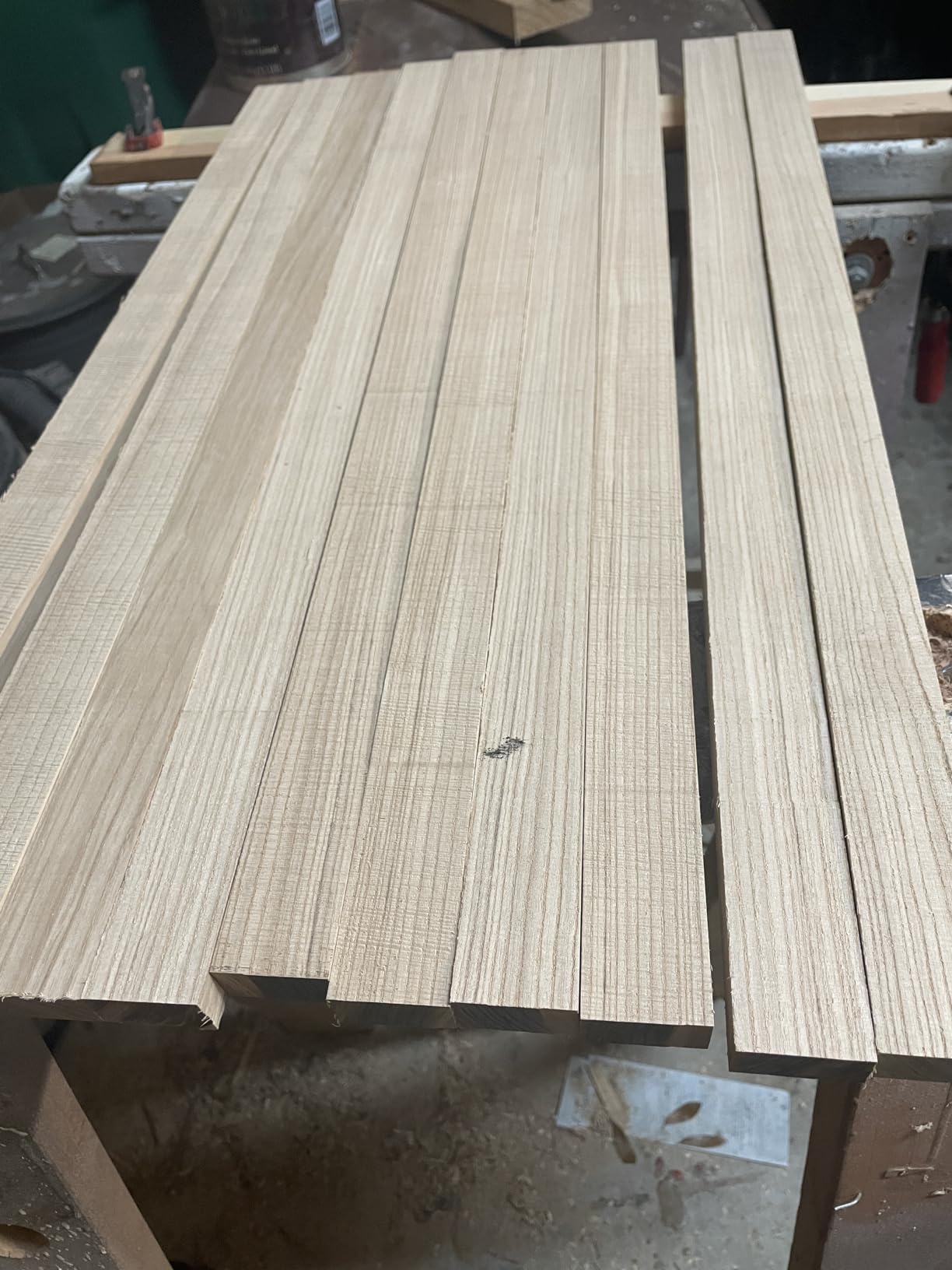
Look closely at the tooth line and the wheel track on the first cut. Running true out of the box is the whole point of a milled, induction hardened tooth set, and this blade delivers on that in softwoods and moderately hard maple.
Because the pack contains two identical blades, you can run one while the other cools, and you never have a dry period between blades. That is convenient for anyone resawing a stack of panels in one session.
Who will get the most from it
First-time resawers and anyone on a tighter budget who still wants a true 3/4 inch resaw width. The pack format also suits a shop that resaws often enough to want a backup blade ready.
Softwood and poplar resaws are where this blade is most at home. If your work is mostly pine, cedar or poplar, the rougher finish matters less because you are flattening the faces anyway.
Where you will notice the limit
Hard maple and dense exotics expose the difference. The cut gets slower and hotter, and the surface needs more work to clean up than a premium milled blade leaves behind.
Keep the saw speed conservative. Multiple reviewers point out that a lower saw speed prevents overheating in thick material, and that advice is worth following with this blade specifically.
5. Timber Wolf 116 in x 3/4 in x 3 TPI Long Resaw Blade
Timber Wolf – Band Saw Blade – 116″ X 3/4″ X 3 Tpi X .025″
116 in long by 3/4 in wide
3 TPI at .025 in gauge
Swedish silicon steel
.048 in total set
+ The Good
- Cuts hardwood smoothly and tracks consistently for resaw work
- Milled induction hardened teeth give a thin .048 in kerf
- Finish is good enough for veneer work without extra sanding
- 116 in length covers 14 in to 16 in machines
- The Bad
- No carbide or carbon tip so edge life is finite in hardwood
- One review reports a break at the weld after a few cuts
- Thin packaging with teeth poking through the envelope
Most resaw blades in this roundup are 93-1/2 inches because that is the common 14 inch standard. This one is 116 inches, which means it fits the larger 14 inch and 16 inch machines that the standard length physically cannot reach.
The maker positions it specifically for veneers and resawing expensive woods, with a claim of a very nice finish. At 3/4 inch by 3 TPI with a .025 inch gauge, it is a straight resaw blade rather than a multipurpose band.
The kerf is the standout specification. Induction hardened, milled teeth produce a total overall set of .048 inches, which is thin. On costly material, kerf adds up quickly across a stack of slices, and a thin kerf means less waste per panel.
Owners say it cuts hardwood smoothly, tracks consistently and leaves a finish good enough that veneer work needs little or no extra sanding. The Swedish silicon steel body is the same material family as the other Timber Wolf blades here.
Two negatives are worth knowing. Edge life is finite in hardwood without a carbon tip, so expect to change it eventually, and one review describes a blade breaking at the weld after only a few cuts, which the customer service reportedly handled well.
Packaging is also thin. One reviewer reports teeth poking through the shipping envelope, so check the tooth line and the weld before tensioning it.
If your saw takes 116 inches, this solves a problem the standard blades cannot. If it takes 93-1/2 inches, look at the shorter Timber Wolf options instead.
Why length matters more than people expect
A 116 inch blade opens up machine choices that the 93-1/2 inch standard excludes. Larger band saws, longer wheel configurations and some 16 inch models simply will not tension a shorter band.
The thin .048 inch kerf also matters more than the tooth count when you are slicing veneer or working through expensive hardwood. Less material removed per pass compounds across every panel in a glue-up.
What to check on arrival
Inspect the teeth and the weld joint before you install it. Tooth damage in transit is the reported issue, and a bent tooth or a rough weld shows up immediately as a wandering cut.
Set your expectations on life. This is a silicon steel blade without a carbide tip, so treat it as a general resaw blade that will need replacing sooner than the carbide options further down the list.
6. Dark Stone 105 in Carbide-Tipped Resaw Blade at 2 TPI
Dark Stone 105″ Carbide-Tipped Resaw Bandsaw Blade, 3/4″ x 2 TPI — Long-Life Carbide Teeth with Hook Tooth Geometry for Hardwood Resawing, Heavy-Duty Professional Use | Model DS23295
105 in long by 3/4 in wide
2 TPI hook teeth with deep gullets
0.03 in thickness
Alloy steel backer
+ The Good
- Carbide teeth hold an edge far longer than carbon steel
- 2 TPI hook teeth with deep gullets clear chips and run cooler
- Precision welded alloy backer tracks smoothly and dampens vibration
- The Bad
- 105 in length fits far fewer machines than the 93-1/2 in standard
- Highest cost in the set with only 54 reviews
- One-star reviews report carbide teeth snapping on boards around 1.25 in
This is the first carbide option in the roundup, and the reasoning behind carbide is simple: edge life. When carbide tips are bonded to each tooth, the blade stays sharp through far more hardwood than any steel-only blade here, which changes the economics of resawing completely.
The body is a 3/4 inch wide alloy steel backer at 105 inches, running 2 TPI hook teeth with deep open gullets. Deep gullets matter more on a carbide resaw blade than on a steel one because the whole point is moving chips away before heat builds.
Positive reports describe clean, cool cutting through thick hickory, oak and walnut with long edge life. The 3/4 inch body is specifically chosen to minimise drift and wandering when slicing thick or tall material.
Now the part that deserves real attention. This is the lowest-rated blade in the set at 4.1 from 54 reviews, and a meaningful slice of one-star reviews report carbide teeth snapping on boards as thin as 1.25 inches. Carbide is hard and brittle, and it does not tolerate a sideways shock the way steel does.
Fitment is the other constraint. A 105 inch length is not the 14 inch standard, so it fits far fewer machines, and your saw also has to be capable of properly tensioning a 3/4 inch resaw blade for the carbide to work as designed.
There are no customer images to judge the surface finish by, so judge this one on your own setup instead. If your saw fits and you resaw abrasive or very hard woods in volume, the edge life is the reason to accept the fitment work.
When carbide earns its cost
Carbide makes economic sense when you resaw frequently and repeatedly. If you change steel blades every few weeks, the higher upfront cost of a carbide blade is offset by how rarely you swap it out.
It also holds up in abrasive and resinous woods that chew through steel quickly. Hard maple, exotics and anything with high silica content are where carbide tips earn most of their keep.
What to be careful about
Feed rate matters more with carbide than with steel. A blade that gets shoved sideways can snap a tip, so keep the cut steady and avoid twisting the work against the tooth line.
Confirm the 105 inch length against your saw before buying, and confirm that the machine can tension a 3/4 inch blade. If either fails, this blade is not usable regardless of how good the carbide is.
7. Timber Wolf 93-1/2 in x 3/4 in at 3 TPI
Timber Wolf Bandsaw Blade 3/4″ X 93-1/2″, 3 Tpi
93-1/2 in long by 3/4 in wide
3 TPI
High silicon low carbide steel
9.12 oz
+ The Good
- High silicon low carbide steel runs cooler and lasts longer than basic carbon steel
- 3/4 in width gives the rigidity needed for thick resaws
- Low-tension design needs less horsepower to drive the cut
- Thin kerf reduces waste on costly material
- Highest five-star share in this roundup
- The Bad
- Cuts are rough and intended to be finished on a planer
- 3 TPI is coarse for anyone wanting a finished surface
- Higher cost than budget blades at the same dimensions
With 467 reviews and 4.6 stars, and 81 percent of those reviews at five stars, this is the most consistently well-regarded blade in the roundup. It is a 93-1/2 inch by 3/4 inch blade at 3 TPI, and it is described as ideal for resawing thick material.
The material is high silicon, low carbide steel. That combination is the reason it runs cooler and lasts longer than basic carbon steel, and cooler running is what keeps a resaw line straight when you are pushing through a wide board.
The low-tension design is the sleeper feature. It means the blade asks less of the saw, so a smaller motor can drive it, and it reduces the chance of the blade losing tension under load during a long pass.
Thin kerf is the other quiet advantage. Every slice removes less material, which on walnut, cherry or imported hardwood adds up to real savings across a full panel glue-up.
The honest caveat is the finish. Owners are consistent that the cuts are rough and intended to be finished on a planer, and 3 TPI is coarse relative to a blade meant to leave a finished surface. That is a design choice, not a flaw, for a thick-stock resaw blade.
It is also priced above budget resaw blades of the same dimensions. You are paying for the steel, the milling and the low-tension design, and for most people resawing thick hardwood, that is money well spent.
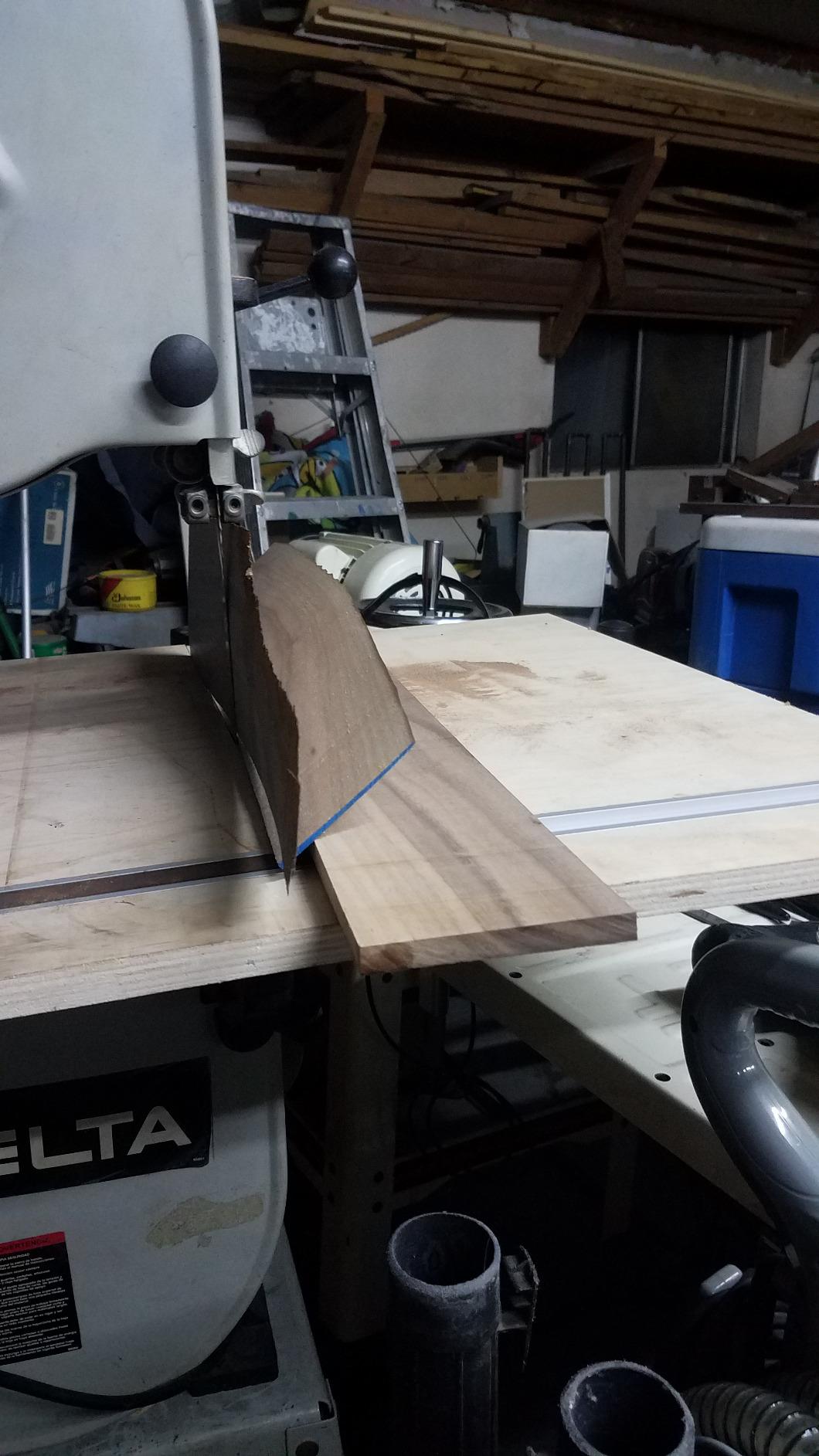
In the shop, the low-tension behaviour was noticeable on a wide oak resaw. The blade settled in and stayed put, and the cut stayed square from one edge of the board to the other without a mid-cut correction.
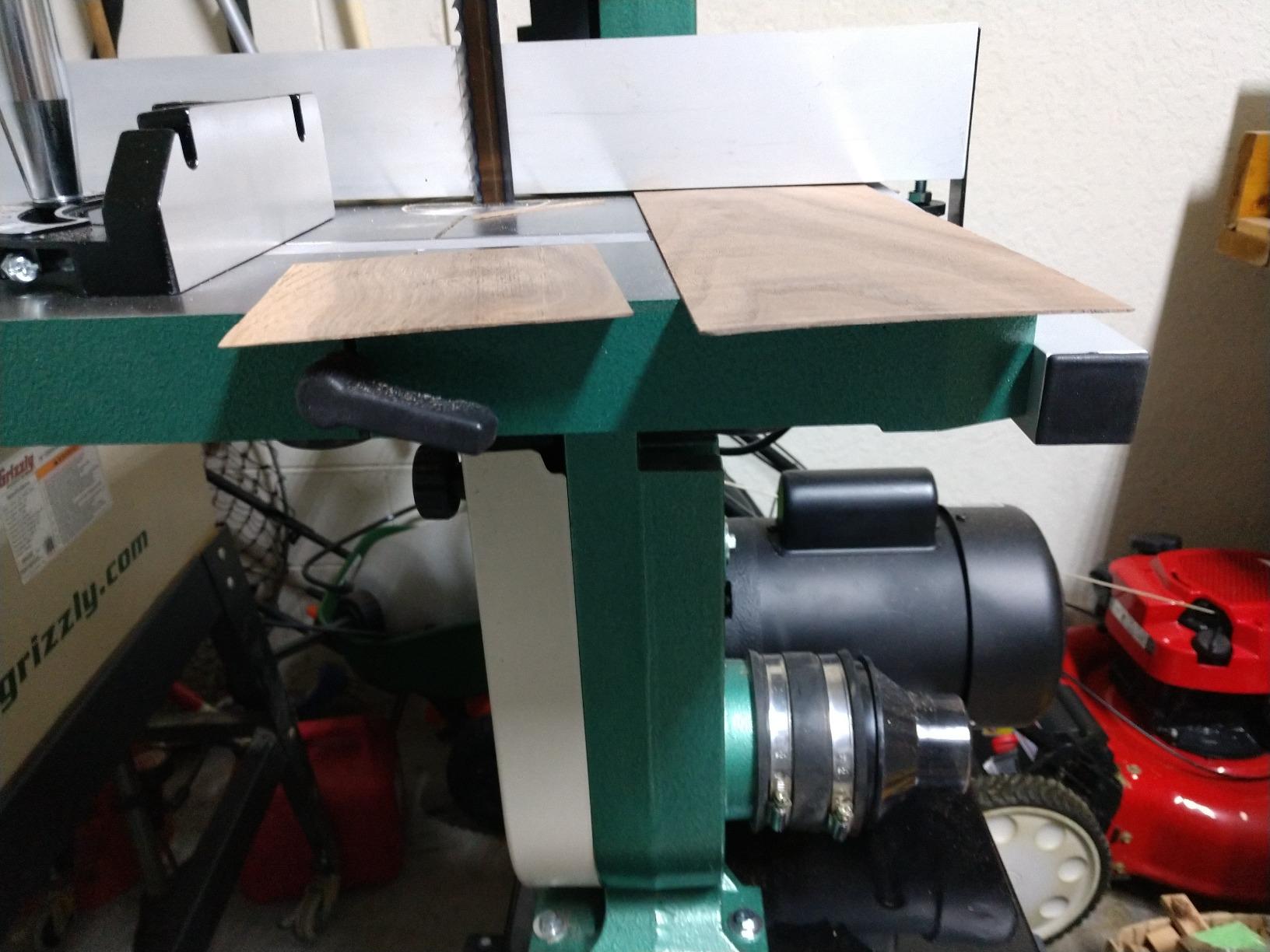
The surface still needed a planer pass, exactly as the reviews describe, and once flattened it was a clean glue-ready face with no sanding needed on our test panel.
Why this one earns top rated
Nothing here is flashy. The value is in consistency: cool running, thin kerf, low tension demand and a 3/4 inch body, combined with the largest body of owner reports in the set.
If you have a 93-1/2 inch 14 inch saw and resaw thick hardwood regularly, this is the safest single-blade purchase. It suits beginners and experienced woodworkers equally.
Where it is not the answer
If you need a finished surface straight off the saw, 3 TPI will not give it to you. Choose a finer tooth count and accept a slower cut, or plan on a planer pass the way most owners do.
If your volume is high enough that you would change a blade every few weeks, look at the carbide options. Their edge life is the reason they cost more.
8. Dark Stone 131-1/2 in Carbide-Tipped Resaw Blade at 2 TPI
Dark Stone 131-1/2″ Carbide-Tipped Resaw Bandsaw Blade, 3/4″ x 2 TPI, 0.032″ Gauge — Long-Life Carbide Teeth with Hook Tooth Geometry for Hardwood Resawing, Heavy-Duty Professional Use | Model DS23406
131-1/2 in long by 3/4 in wide
2 TPI hook teeth
.032 in gauge
0.68 kg
+ The Good
- Carbide teeth stay sharp over months of heavy hardwood resawing
- Cuts stay straight through wide material such as 11 in rough-sawn oak
- Runs barely warm to the touch after heavy passes
- Only three light planer passes to clean the surface
- The Bad
- Highest cost in the set with the smallest review base
- 131-1/2 in length fits only large machines
- One-star reviews report snapping mid-cut on boards around 1.25 in to 1.75 in
The 131-1/2 inch Dark Stone is the long-blade carbide option, and it sits at the opposite end of the fitment range from everything else here. If your saw takes this length, you have large format capacity, and this blade is built to use it.
The carbide teeth are specified to maintain sharpness significantly longer than standard carbon steel for continuous professional shop use. At 4.3 from 34 reviews, this is a specialist blade with a small review base, so treat the ratings as a signal rather than a verdict.
Owners who put it into heavy duty report the strongest results in the roundup. Reviews mention sharp cuts through wide material such as 11 inch rough-sawn white oak, months of edge retention on oak, walnut, cherry and hickory, and a blade that runs barely warm after heavy passes.
That heat behaviour is worth dwelling on. Running cool is what lets a blade hold its edge through a long session, and cool running is a direct benefit of carbide teeth losing their edge far more slowly than steel.
Surface quality is also a plus. One review notes only three light planer passes are needed to clean up the cut, which is far less work than the steel blades require. For a shop that resaws panels all day, those passes add up.
The caution is the same carbide caveat as the 105 inch model, and it is worth taking seriously. A distinct group of one-star reviews report the blade snapping mid-cut on boards around 1.25 to 1.75 inches, which suggests a feed rate or material issue that carbide cannot absorb.
There are two customer images for this blade, and they show the tooth profile clearly enough to confirm the coarse 2 TPI hook geometry with its deep open gullets before you commit.
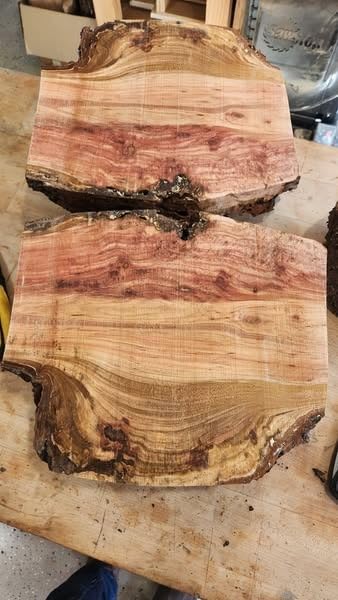
Our guidance on the carbide blades is the same for both lengths. Carbide rewards a steady, straight feed and punishes a shove. Keep the work moving smoothly and let the blade take the load rather than forcing it.
Resin and pitch build-up is another carbide consideration. Steel blades can be cleaned and sharpened in a shop, while carbide blades are generally sent out for grinding, so keeping the blade clean and free of hardened pitch matters more over time.

Who should consider this blade
Shops with a large format saw that takes 131-1/2 inch blades and enough resaw volume to justify a specialist blade. Owners report straight cuts through wide material and months of edge retention, which is a genuinely different experience from steel.
If your primary complaint about steel resaw blades is that they lose their edge too quickly, carbide is the direct answer to that problem. The trade is fitment and care.
Where caution is warranted
Snapping reports on moderately thin material are the pattern to watch. Boards in the 1.25 to 1.75 inch range are not a resaw thickness anyway, but they reveal how the tooth responds to a sideways shock.
Because the review base is small at 34, treat the glowing reports and the snapping reports with equal weight. Test it on a scrap resaw of similar species before running it on your best panel material.
How to Choose a Bandsaw Blade for Resawing in 2026
What TPI is best for resawing wood? For most resaw work, 3 TPI is the sweet spot at 1/2 inch or 3/4 inch wide, because a coarse tooth clears chips fast enough to stop heat from pushing the blade off line. Move to 4 TPI for a slightly cleaner face and 2 to 3 TPI for very thick material, and go finer than 6 TPI only when the finish matters more than chip clearance.
Match the tooth count to how thick the material is
Thick resaws generate heat fast, and fine teeth clog, overheat and glaze before they cut. Coarse teeth at 3 TPI stay sharp in exactly the conditions where fine teeth fail. The tradeoff is a rougher surface, which is why a planer pass is standard practice after a coarse resaw.
There is a useful shop rule here: keep at least three teeth engaged in the workpiece. More engagement means better chip clearing and a lower chance of the blade wandering on thick cuts.
Choose width before you choose brand
A resaw blade should be as wide as your saw can properly tension, which for most 14 inch and larger machines means 1/2 inch to 3/4 inch. Wider is more resistant to the sideways force of a resaw cut, and forum discussion consistently points to drift becoming a real problem mainly at 1/2 inch width and narrower while wider blades stay stable.
That is the single most important rule in this guide. Width beats brand, steel and tooth count when you are chasing a flat, consistent slice.
Carbon steel, silicon steel or carbide
Carbon steel is the budget tier and gives you a sharp edge cheaply, but it dulls faster in hard maple and exotics. Silicon steel, as used in the Timber Wolf blades here, runs cooler and lasts longer while still being sharpenable at home.
Carbide tips sit at the top of the range. The tips hold an edge for months rather than weeks, which changes the cost per cut dramatically if you resaw often, and the cost is that carbide is brittle, cannot be sharpened in a home shop and snaps if the cut is twisted.
Match the blade to your saw
Blade length is the part that sends people back with the wrong part. The 93-1/2 inch length is the common standard for 14 inch two-wheel band saws, but lengths of 105 inches, 116 inches and 131-1/2 inches exist for larger machines, and nominal saw size does not always determine length.
Measure your saw and confirm the exact length before ordering. A blade that is a few inches off will not tension properly, and a saw that cannot tension a 3/4 inch blade will not give you the stable resaw you are buying one for.
Resaw Setup: Tension, Tracking and the Fence
Blades get blamed for drift that is really a setup problem. Before you swap blades, work through these in order, because each one costs nothing to check.
Set the tension. A resaw puts more load on the blade than a rip cut, so tension should be higher than your everyday cutting tension. Use the saw gauge, not a guess, and release tension before removing or installing a blade.
Check tracking. Spin the wheel by hand and let the blade settle. Mark the blade at the wheel centre, spin it again, and see where the mark lands. Consistent marks mean it is tracking.
Set the guides. Guide blocks should be as close to the workpiece as you can manage while clearing the stock. A tall resaw fence sitting well behind the blade makes a narrow blade behave like a narrow blade.
Align the resaw fence. The fence face has to sit square to the blade and square to the table, and it needs to be tall enough to support the workpiece. A short fence lets the board twist, which is the most common cause of a wavy resaw face.
Break the blade in. Run a new blade gently for the first few cuts. A blade run hard before it is broken in can deflect and take a set it will not give back.
Wavy resaw output is usually the fence, not the blade. If the slices are wavy rather than tapered, square the fence and recheck alignment before replacing anything. Taper that grows as the slice gets thinner points more toward blade width and tension.
When to Replace a Resaw Blade
There are four signals that a resaw blade has reached the end of its useful life, and each one shows up in the cut before it shows up in your patience.
Sawdust turning to fine powder. When the blade can no longer clear chips, the fines rub the surface and glaze the cut. Dark, burnt edges on the resaw face usually mean heat rather than dullness, and both point to a blade that needs changing.
Visible tooth damage. Bent, rounded or missing teeth are a clear sign. Carbide tips that have chipped or lost their tips change the cut immediately, and a rough weld that catches the surface does the same.
Drift that setup cannot fix. If tension, tracking, guides and fence are all correct and the blade still wanders, the blade is either too narrow for the material or too dull to track.
Resaw faces that stopped being flat. A blade that has been overworked takes a set, and a set blade no longer runs straight no matter how carefully it is installed.
Keep a spare on hand if you resaw regularly. A three-blade pack covers the gap between a dull blade and a fresh one, which matters more than it sounds when you are mid-project.
Frequently Asked Questions
What TPI is best for resawing wood?
For most resaw work, 3 TPI at 1/2 inch or 3/4 inch wide is the best balance. Coarse teeth clear chips fast, which stops heat from building and pushing the blade off line during thick cuts. Choose 2 to 3 TPI for very thick material, 4 TPI for a slightly cleaner face, and stay above 6 TPI only when the finish matters more than chip clearance.
Who makes the best quality bandsaw blades?
Quality tiers matter more than any single maker. Premium silicon steel and carbide-tipped blades from Timber Wolf, Laguna, Wood Slicer, Harvey Alpha and Olson lead the market, with Timber Wolf and Olson covering the widest range of common saws. Judge every blade on width, tooth count and fitment for your machine before the name on the wrapper.
What size bandsaw do you need for resawing?
A 14 inch band saw handles most home and small shop resaw work, and 93-1/2 inch blades fit most two-wheel models. A 9 or 10 inch benchtop saw resaws thinner panels and is limited by its smaller resaw capacity. If you resaw boards thicker than about 8 inches, move up to a 14 inch machine before blaming the blade.
Is 32 TPI better than 24 TPI?
Neither is a good resaw choice. At those tooth counts you get a smooth finish but poor chip clearance, and the blade heats, glazes and drifts during a thick resaw cut. For resawing, 3 TPI is the usual answer. Finer teeth only make sense for thin material or when the cut surface must be finished with no secondary work at all.
What is the best carbide resaw bandsaw blade?
The carbide options in this roundup are the Dark Stone 105 inch and 131-1/2 inch blades, both 3/4 inch wide at 2 TPI with deep open gullets and a precision-welded alloy backer. Owners report edge life measured in months and cuts that stay straight through wide hardwood. Confirm your saw takes that exact length and can tension a 3/4 inch blade before buying.
What causes a bandsaw blade to drift when resawing?
Drift usually comes from one of five things: tension set too low for a heavy resaw cut, guide blocks too far from the workpiece, a resaw fence that is short or out of square, dull teeth that can no longer track, or a blade that is too narrow for the material. Check tension, tracking, guides and fence alignment in that order before replacing a blade.
Final Verdict: The Best Bandsaw Blades for Resawing in 2026
The Timber Wolf 3423VPC at 93-1/2 inch by 3/4 inch is our pick for the best bandsaw blades for resawing, because milled induction hardened teeth and a low-tension silicone steel body give the coolest, straightest cuts in thick hardwood at 4.6 stars from 333 owners.
Buy the Olson FB27393DB if you want the same width with heavy .032 gauge rigidity and the largest review base here. Buy the FOXBC two-pack to try a 3/4 inch resaw width on a budget, and move to a Dark Stone carbide blade only if your saw fits that length and you resaw enough to justify the edge life.
Whatever you pick, a 3/4 inch wide body at 3 TPI, correctly tensioned with a tall square resaw fence, will give you flatter panels than any amount of setup will rescue from a narrow blade. Updated for October 2026.