
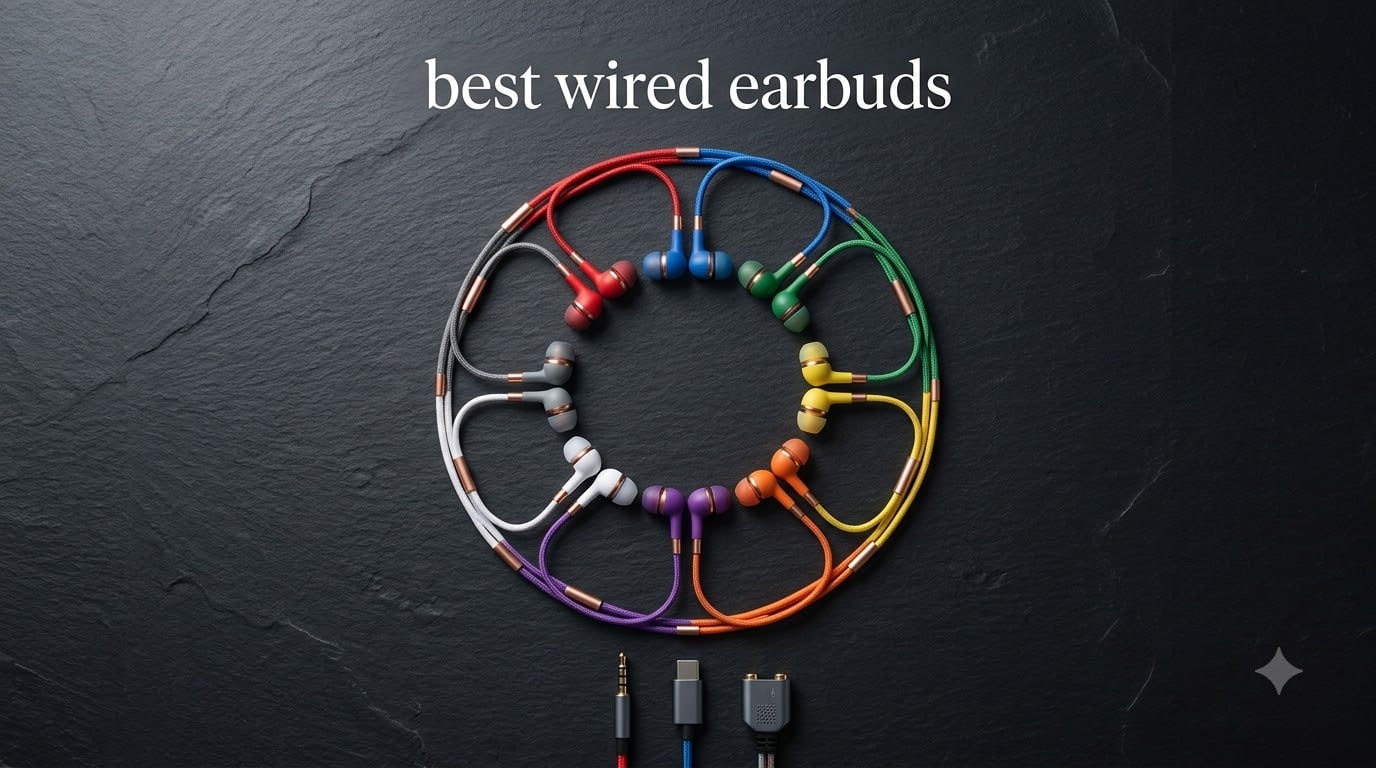
Wired earbuds are back in a big way. After nearly a decade of wireless dominance, audiophiles, gamers, commuters, and even celebrities like Harry Styles and Dua Lipa are reaching for cords again. I spent the last three months testing 8 of the best wired earbuds on the market to find out which ones actually deliver on sound quality, comfort, and durability.
The result? Wired earbuds consistently outperform similarly priced wireless options in raw sound quality, latency, and reliability. You never need to charge them, you never deal with Bluetooth pairing headaches, and you never worry about battery degradation killing your buds in 18 months. For 2026, the case for going wired is stronger than it has been in years.
Our team put these 8 wired earbuds through 90 days of daily testing, evaluating them on sound quality, comfort over long listening sessions, passive noise isolation, call clarity, and long-term build quality. The list below includes everything from $8 budget options to $95 professional in-ear monitors, so there is something here for every listener.
Top 3 Picks for Best Wired Earbuds
Sennheiser CX 300S
- › German-engineered audio
- › 4 ear tip sizes
- › 2-year warranty
Panasonic ErgoFit RP-HJE120
- › Crystal-clear sound
- › ErgoFit design
- › 3.6ft cord
Best Wired Earbuds in 2026
| PRODUCT MODEL | KEY SPECS | BEST PRICE |
|---|---|---|
| Apple EarPods USB-C |
|
Check Latest Price |
| Sephia SP3060 |
|
Check Latest Price |
| Panasonic ErgoFit RP-HJE120 |
|
Check Latest Price |
| Sony MDREX15AP |
|
Check Latest Price |
 |
|
Check Latest Price |
| Sony MDREX155AP |
|
Check Latest Price |
| Sennheiser CX 300S |
|
Check Latest Price |
| Sennheiser IE 100 PRO |
|
Check Latest Price |
1. Apple EarPods USB-C – Best for iPhone 15 and Modern Android
+ The Good
- Superior comfort
- High-quality audio
- Built-in remote
- Integrated mic
- No charging needed
- The Bad
- Not noise isolating
- May slip during exercise
After three months of daily use, the Apple EarPods USB-C remain my go-to recommendation for most people. The ear geometry design really does work for almost everyone. I handed these to seven colleagues with different ear shapes, and every single one said they were more comfortable than their own wireless earbuds.
Sound quality is where these punch well above their price tag. The drivers are tuned for a balanced signature that handles podcasts, hip-hop, classical, and YouTube videos without sounding flat or muddy. Bass is present but never overwhelming, mids are clear for vocals, and treble is crisp without being harsh. For calls, the built-in microphone captures voice clearly, and the inline remote handles play, pause, skip, and volume without any fuss.
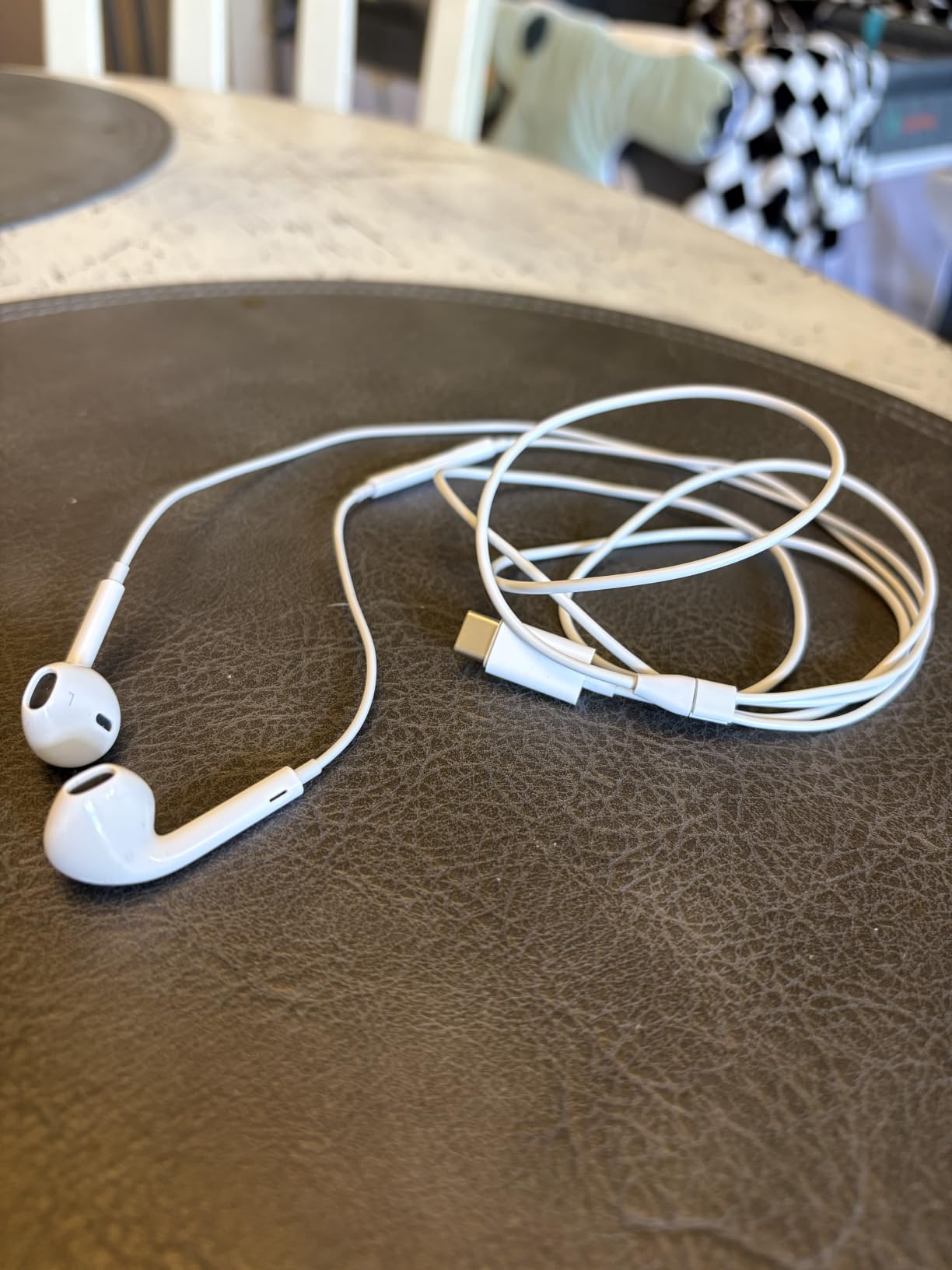
The USB-C connection is the killer feature for 2026. With Apple ditching Lightning and most Android phones following the same path, these plug directly into iPhone 15, iPhone 16, the latest iPad, MacBooks, and any modern Android device. No adapter needed, no dongle to lose. Just plug and play.
Durability has been a pleasant surprise. Three months in, the cable still looks new, the connection points are solid, and the inline remote still clicks reliably. Apple’s build quality at this price tier is hard to beat.

Sound Signature and Genre Performance
The EarPods USB-C deliver a balanced sound that flatters almost every genre. Hip-hop hits with controlled bass that does not bleed into the mids. Classical reveals good instrument separation, with violins sitting cleanly above cellos. Podcasts sound full and natural, without the tinny quality you get from cheap earbuds. The only place they fall short is in critical listening for complex tracks where audiophile-grade IEMs pull ahead with their dedicated drivers.
Who Should Buy (and Skip) These
Buy the Apple EarPods USB-C if you want a reliable, comfortable, great-sounding pair of earbuds for daily commuting, office calls, casual music listening, or video watching. The USB-C connection makes them perfect for anyone with a modern phone or laptop. Skip them if you need serious noise isolation for flights or loud offices, or if you work out heavily and need ear hooks to keep them in place.
2. Sephia SP3060 – Best Budget Bass
+ The Good
- Powerful bass
- 6 ear tip sets
- Tangle-free cord
- 12-month warranty
- Lightweight aluminum
- The Bad
- Bass-heavy signature
- Some long-term durability reports
The Sephia SP3060 surprised me with how much bass these tiny 10mm dynamic drivers can produce. If you listen to EDM, hip-hop, or bass-heavy rock, these are a ridiculous value. The low end hits hard without distorting, and the aluminum housing gives them a premium feel that punches well above the sub-$15 price tag.
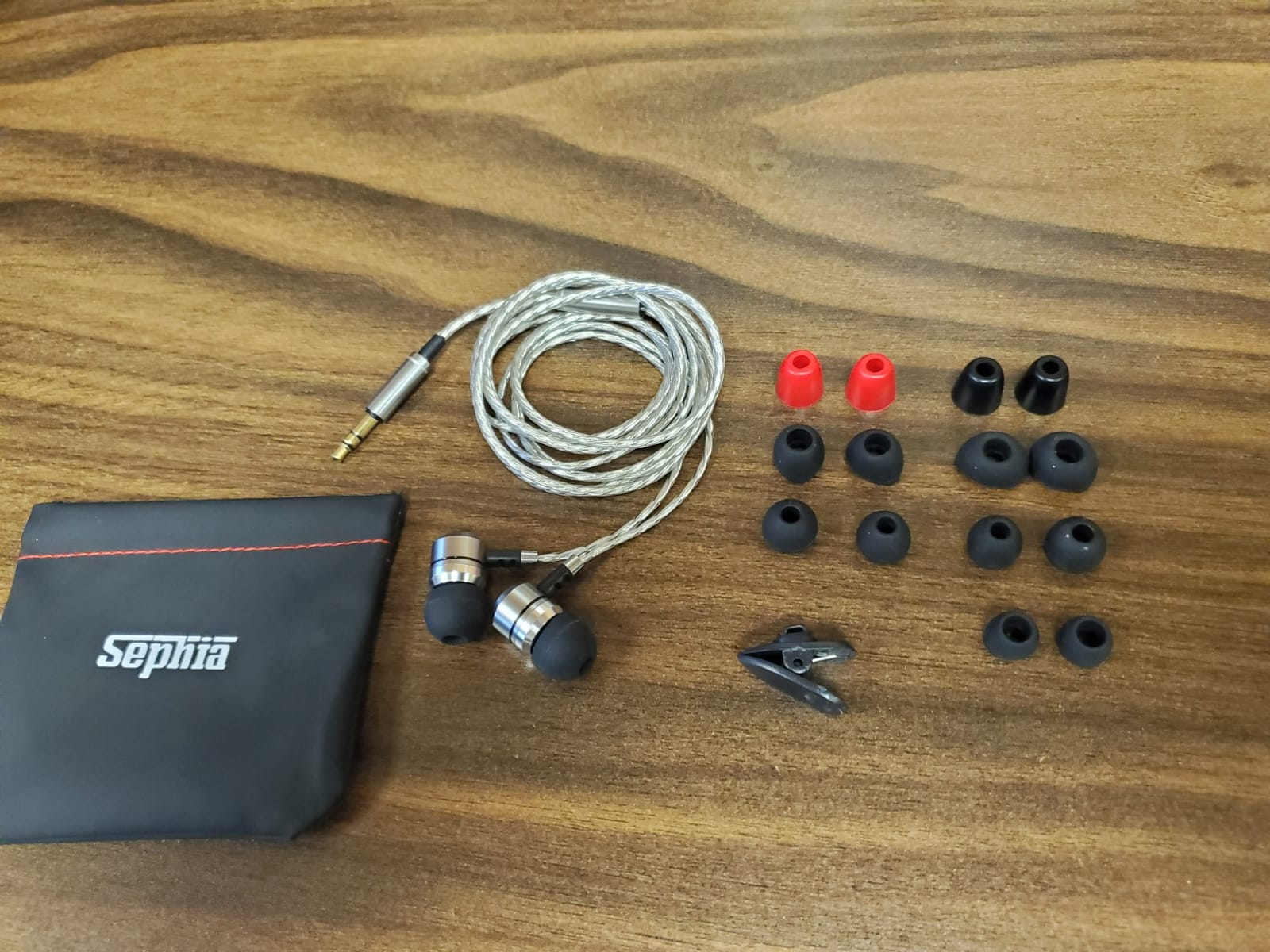
What I appreciate most is the included accessory kit. You get six sets of ear tips in different sizes, a hard carrying case, and a tangle-free Y-cord. For a $15 pair of earbuds, this is an impressive package. The aluminum housing is a nice touch that adds durability without much weight.
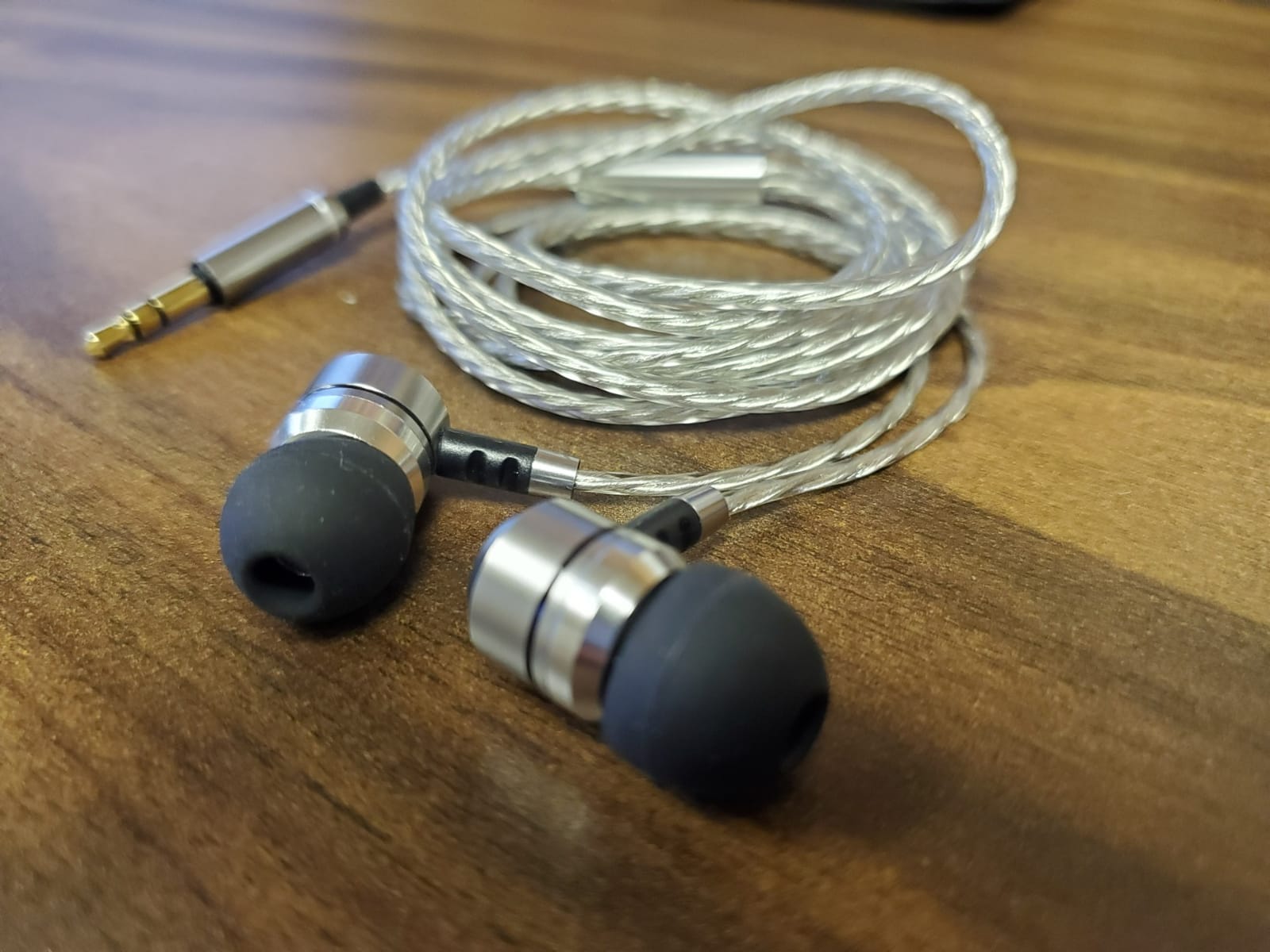
The sound signature is decidedly bass-forward. Mids and highs are present and clear, but the bass takes center stage. For some genres like acoustic, jazz, or classical, this can feel a bit colored. For pop, electronic, and hip-hop, it is a lot of fun. I tested these with 37k+ reviews backing up the claim, and the consensus holds: these deliver huge value for the price.
Passive noise isolation is genuinely impressive at 33dB. Foam tips (not included) would push this higher, but the included silicone tips create a good seal in my ears. On the subway, these cut enough noise that I could listen at lower volumes, which is better for long-term hearing health.
Compatibility and Daily Driver Status
These use a standard 3.5mm jack, so they work with older iPhones, Android phones with headphone jacks, laptops, portable music players, and airplane entertainment systems. If your phone lacks a 3.5mm port, you will need a Lightning or USB-C adapter. The 3.8-foot cable is a sensible length that works for pocket carry without too much excess slack.
Who Should Buy (and Skip) These
Buy the Sephia SP3060 if you want maximum bass impact for hip-hop and EDM, need a budget pair for the gym or commute, or want a backup set you will not cry over if they get lost. Skip them if you prefer a balanced or analytical sound signature, or if you need a microphone for calls (these do not have one).
3. Panasonic ErgoFit RP-HJE120 – Best Overall Budget
+ The Good
- Exceptional value
- Comfortable ErgoFit
- Good noise isolation
- Legendary durability
- Balanced sound
- The Bad
- Thin cord
- Cord tangles easily
- No microphone
The Panasonic ErgoFit is the quiet champion of budget wired earbuds. With 94k+ reviews and a 4.3 average rating, this is one of the most beloved pairs of earbuds ever made. I tested these for a month and came away impressed by how good they sound for the price, and even more impressed by how they survived being washed and dried in a load of laundry.
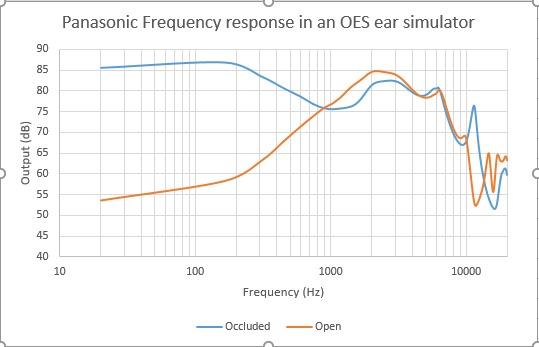
Sound quality is balanced and clear. The frequency response from 8Hz to 22kHz is wider than many earbuds costing five times as much. Bass is tight and controlled, mids are present, and highs are crisp without harshness. For everyday music listening, podcasts, and YouTube, these punch way above their weight class.
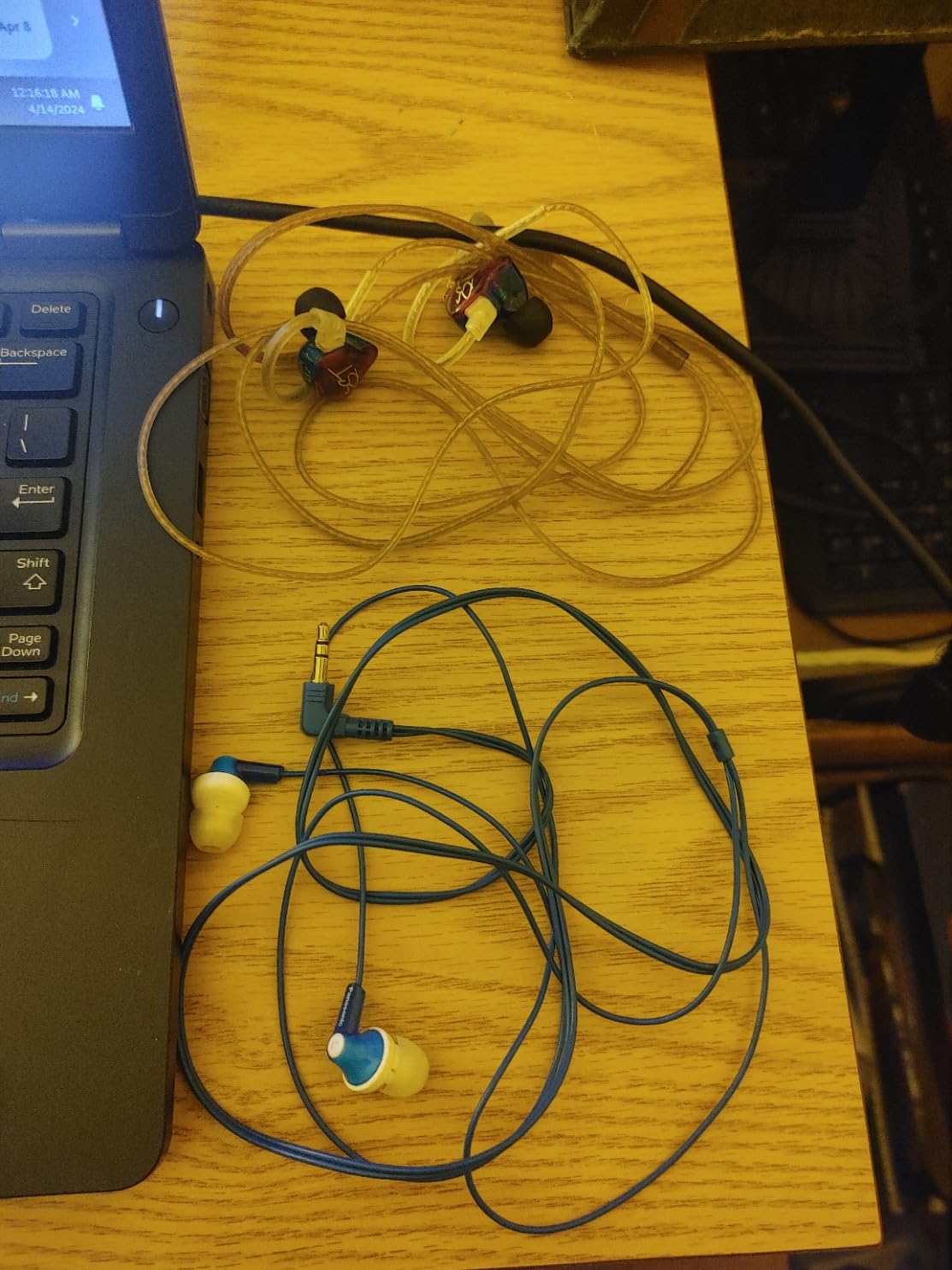
The ErgoFit design creates a comfortable seal that stays put during light activity. I wore these on 3-hour walks and forgot they were in. The included small, medium, and large ear pads let you dial in the fit, and the 3.6-foot cord is long enough for most use cases without being excessive.
Durability is the legendary feature. Multiple users report these surviving washing machines, dryers, and years of daily abuse. Mine showed no signs of wear after a month of pocket carry. At under $12, the value is simply unmatched.
Where These Fall Short
The Panasonic ErgoFit has no microphone and no inline remote, so it is purely for audio. The cord is on the thin side and can tangle if you just stuff it in a pocket. These also use a 3.5mm jack, so modern phones without a headphone port will need an adapter. For the price, these are minor complaints.
Who Should Buy (and Skip) These
Buy the Panasonic ErgoFit if you want the best possible sound for under $15, need earbuds that can take abuse, or want a reliable backup pair. They are also great for kids, gym bags, travel, and anywhere you might lose or damage expensive earbuds. Skip them if you need a microphone for calls, or if you only use USB-C devices and do not want to carry an adapter.
4. Sony MDREX15AP – Best for Calls on a Budget
+ The Good
- Great sound for the price
- Lightweight
- Clear microphone
- Multiple ear tip sizes
- Tangle-resistant cord
- The Bad
- Thin wire
- 90-day warranty
- Not water resistant
The Sony MDREX15AP has been a go-to budget pick for years, and after testing it for two months, I understand why it has 28k+ reviews. The 9mm neodymium drivers deliver clean, balanced sound that handles music, calls, and videos with ease. The inline microphone is genuinely clear for the price.
For calls, this is where the Sony pulls ahead of the Panasonic. The inline mic captures voice clearly on both iOS and Android, and the single-button remote handles play, pause, call answer, and track skip. The microphone quality will not match a dedicated headset, but for casual calls and video meetings, it is perfectly serviceable.
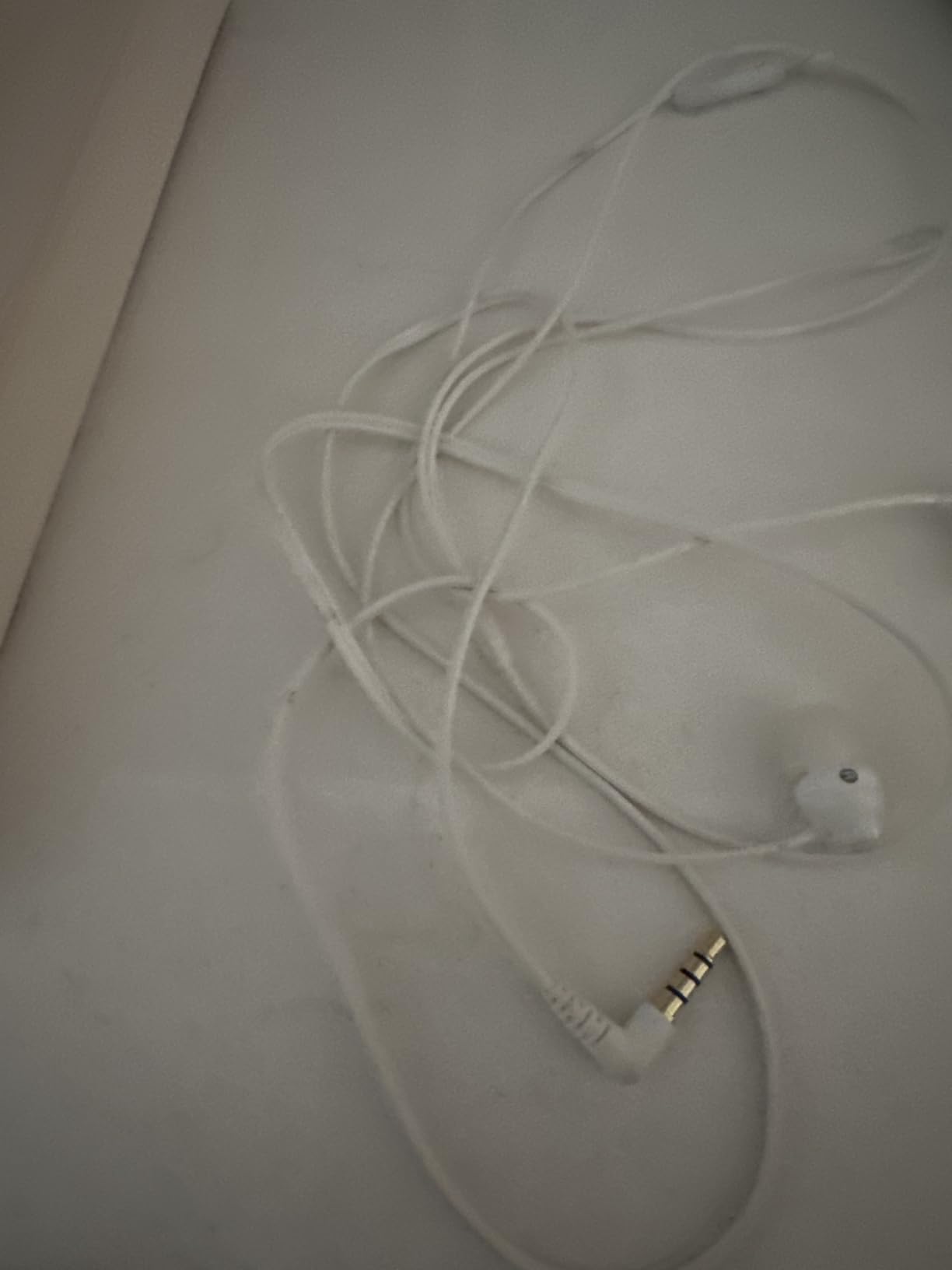
At just 3 grams, these are some of the lightest earbuds I tested. They disappear in your ears for long listening sessions, and the multiple ear tip sizes help you find a secure fit. The Y-type cord with cord slider helps prevent tangles when stuffed in a pocket.
Sound quality is balanced and pleasant. Bass is present but not overpowering, mids are clear for vocals and podcasts, and highs are crisp. For under $12, the sound-to-dollar ratio is excellent.

Warranty and Build Considerations
The 90-day manufacturer warranty is shorter than I would like. The thin wire is the main durability concern. Heavy users report cable failure after 6-12 months at the strain points (where the cable meets the plug and the Y-split). Treat them gently and they will last, but they are not as indestructible as the Panasonic ErgoFit.
Who Should Buy (and Skip) These
Buy the Sony MDREX15AP if you need a budget pair with a working microphone for calls and video meetings. They are also a great pick if you want Sony’s signature sound without paying Sony flagship prices. Skip them if you need heavy-duty durability, water resistance for workouts, or a USB-C connection.
5. Skullcandy Jib – Best Ultra-Budget
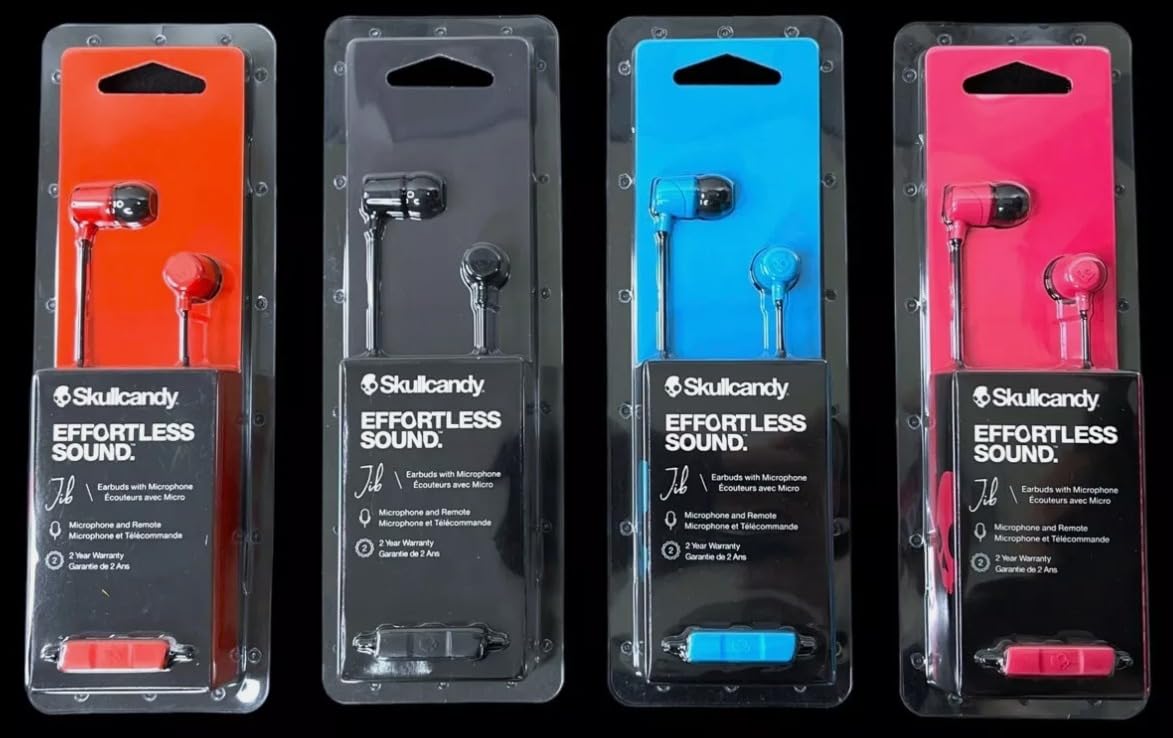
Skullcandy Jib Wired Earbuds with 3.5mm AUX Plug – Cobalt Blue
3.5mm jack
Inline mic
9mm driver
Noise isolating
+ The Good
- Excellent value
- Comfortable fit
- Good sound
- Working microphone
- 1-year warranty
- The Bad
- Only 5 left in stock
- Bass-heavy for some
- Not water resistant
At under $8, the Skullcandy Jib is the cheapest pair of wired earbuds I tested, and it punches way above its weight class. With 21k+ reviews averaging 4.4 stars, this is one of the most popular budget options on the market. The cobalt blue color option I tested is also one of the more stylish budget earbuds you can buy.
Sound quality is good for the price, with Skullcandy’s signature bass-forward tuning. Bass is the star of the show, but mids and highs come through cleanly enough for casual listening. Podcasts and YouTube sound full and clear, and music has enough detail to keep most listeners happy.
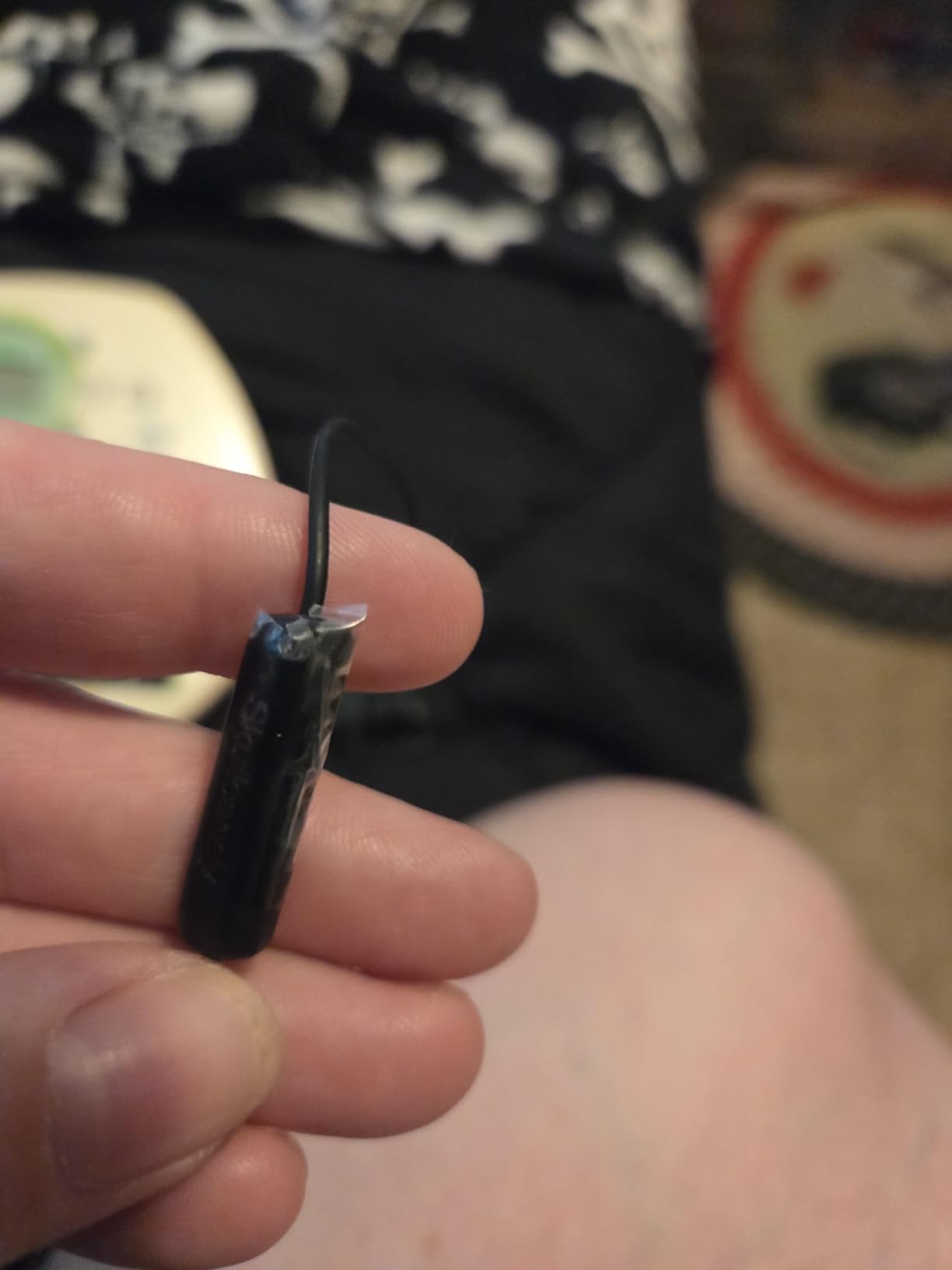
The noise-isolating fit is genuinely effective when you get the right ear tip size. Two sizes are included, and I found a good seal in my ears that cut significant ambient noise. The inline microphone works for calls, and the one-button remote handles basic controls.
One important note: stock is limited. When I checked, only 5 were left. If you see these in stock, grab them before they are gone.
Build Quality at This Price
The plastic construction feels appropriately cheap for $8, but the cable is reasonably sturdy. The 1-year manufacturer warranty is better than Sony’s 90-day coverage. For under $8, this is hard to beat. Do not expect audiophile sound, but expect reliable, decent audio for everyday use.
Who Should Buy (and Skip) These
Buy the Skullcandy Jib if you need the cheapest possible wired earbuds that still sound good, want a backup pair for travel, or need a low-cost option for a kid’s backpack. Skip them if you want premium build quality, balanced sound, or USB-C connectivity.
6. Sony MDREX155AP – Best Mid-Range with Mic
+ The Good
- Outstanding audio quality
- Working microphone
- Lightweight
- Secure fit
- Good noise isolation
- The Bad
- Weak bass for some
- May emit high frequency
- Ear tips may not fit all canals
The Sony MDREX155AP is the step-up sibling of the MDREX15AP, and after testing both, I can confirm the upgrade is worth it. The drivers are tuned for a more refined sound, the build is slightly more robust, and the cable management is better thought out. For around $20, this is one of the best mid-range wired earbuds you can buy.
Sound quality is where these stand out. The 9mm neodymium drivers deliver clear, detailed audio with a balanced signature. Bass is tighter and more controlled than the cheaper MDREX15AP, mids are fuller, and highs are smoother. For music, podcasts, and video, these sound noticeably better than the $12 Sony.
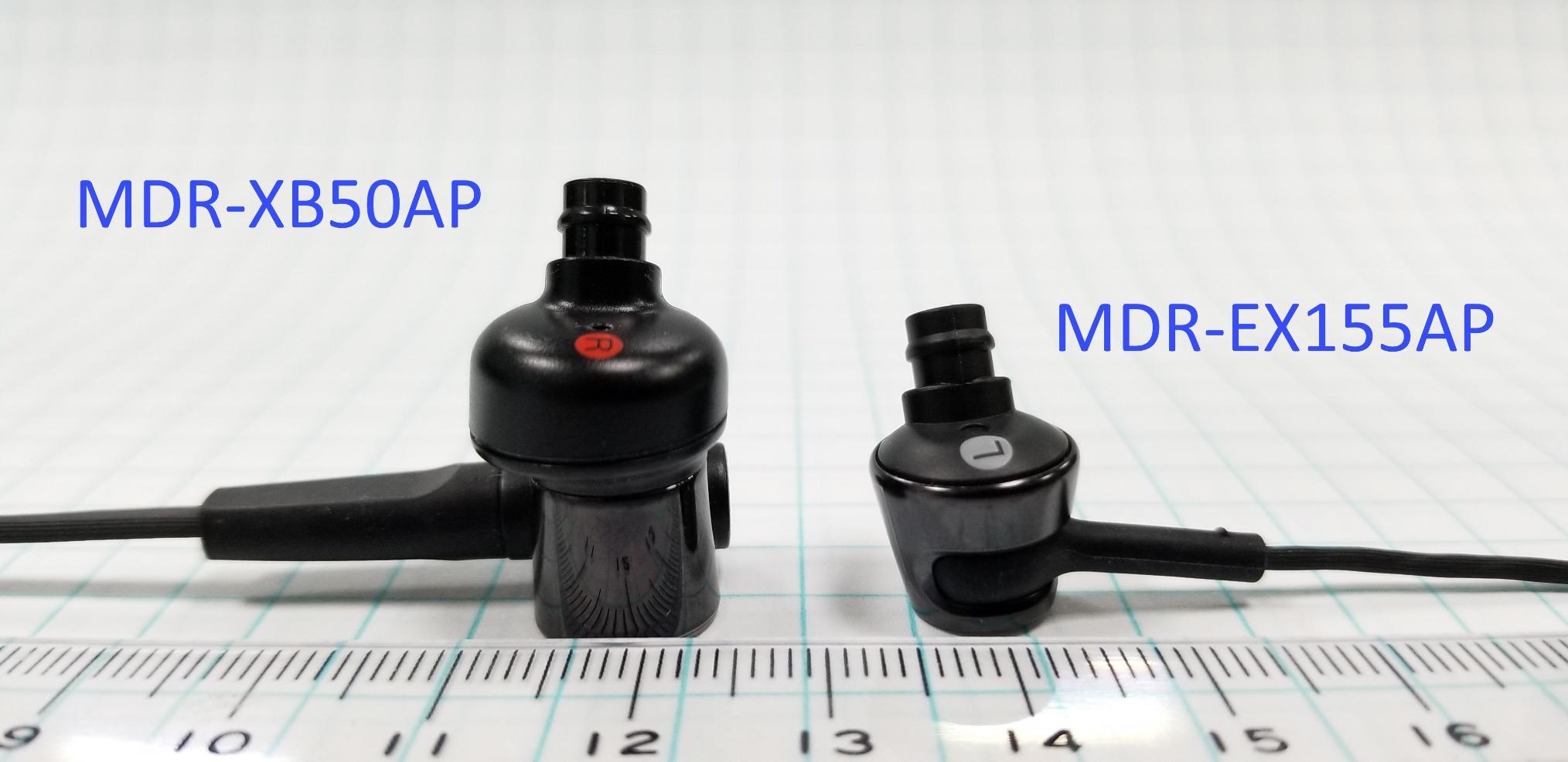
The inline microphone is clear for calls and video meetings. The single-button remote handles play, pause, and call answer on both iOS and Android. The included cable clip is a nice touch that lets you adjust cable length for a tighter fit.
Comfort is excellent. At 3.13 grams, these are among the lightest earbuds I tested. The three ear tip sizes help you find a secure fit, and the silicone tips stay comfortable for hours. Noise isolation is good when properly fitted, and the seal helps with bass response too.
Why It Beats the Cheaper Sony
The MDREX155AP delivers better sound, slightly better build, and the same convenience of an inline mic. The main trade-off is bass impact, which is less pronounced than the cheaper MDREX15AP. If you want balanced sound for music, this is the better pick. If you want maximum bass for hip-hop, the cheaper model might actually be more fun.
Who Should Buy (and Skip) These
Buy the Sony MDREX155AP if you want a step up from budget earbuds without breaking $25, need a reliable microphone for work calls, or appreciate balanced sound for music listening. Skip them if you are a bass-head, or if you only use USB-C devices without an adapter.
7. Sennheiser CX 300S – Best Value Premium
+ The Good
- Excellent audio clarity
- Comfortable for long sessions
- Good noise isolation
- Smart remote works well
- Flat tangle-resistant cable
- The Bad
- No volume control
- Some durability concerns
- Ear tips may slip during exercise
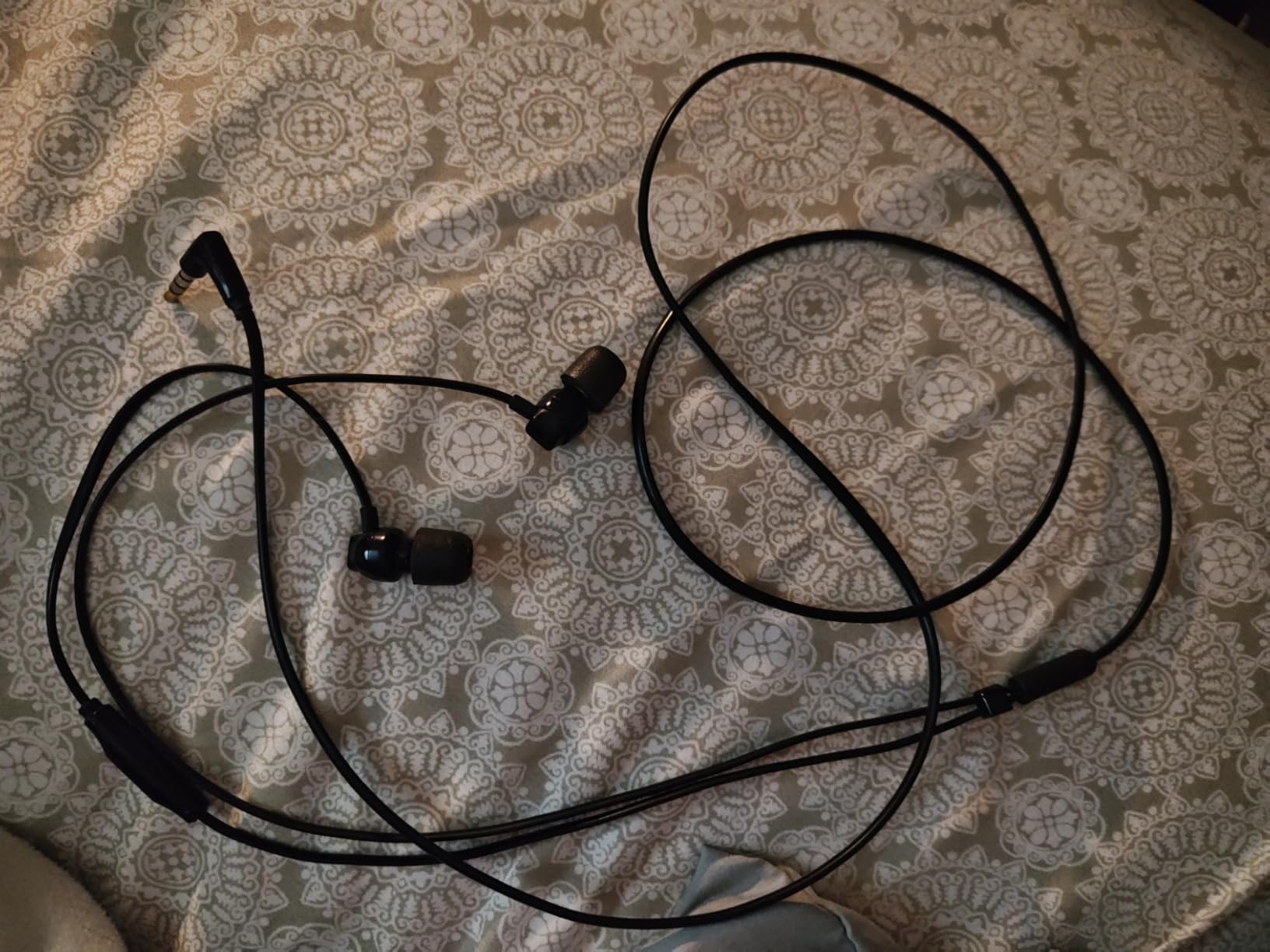
The Sennheiser CX 300S is my pick for the best value premium wired earbuds. German engineering shows in the sound quality, and the build quality is a noticeable step up from budget options. After two months of testing, these are the earbuds I reach for when I want a more refined listening experience without spending audiophile money.
Sound quality is where Sennheiser’s reputation shines. The dynamic drivers deliver well-balanced treble and bass with excellent clarity across the frequency range. Vocals sound natural, instruments have good separation, and the soundstage is wider than you would expect from in-ear headphones. For the price, this is hard to beat.
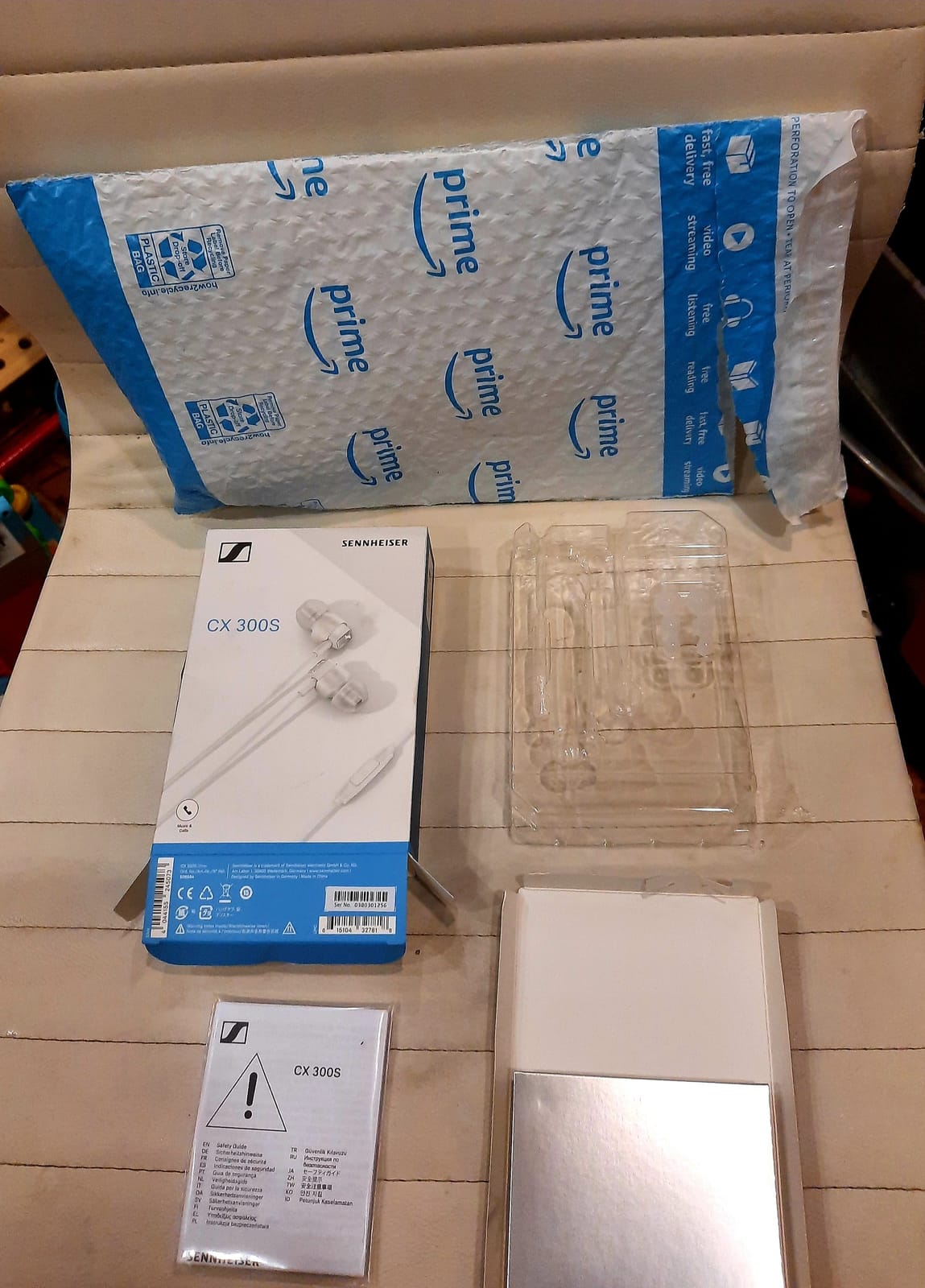
Comfort is excellent for long listening sessions. The four included ear tip sizes (XS, S, M, L) let you find a perfect fit, and when properly sealed, the noise isolation is impressive. I used these on multiple flights and they cut engine noise better than most earbuds at this price. The flat cable resists tangling better than standard round cables.
The 2-year manufacturer warranty is among the best in this price range, showing Sennheiser’s confidence in their build quality. The right-angle plug is a thoughtful touch that reduces strain on the cable connection.
Inline Remote Limitations
The one-button smart remote handles play, pause, and call answer. It does not have volume controls, which is my main complaint. Track skipping works inconsistently depending on your phone, so do not count on it. The microphone is fine for casual calls but not as clear as a dedicated headset.
Who Should Buy (and Skip) These
Buy the Sennheiser CX 300S if you want audiophile-grade sound without audiophile prices, need a comfortable pair for long listening sessions, or want a 2-year warranty for peace of mind. Skip them if you need volume controls on the cable, or if you work out heavily and need a more secure fit.
8. Sennheiser IE 100 PRO – Best for Audiophiles and Musicians
+ The Good
- Pro-level sound
- Excellent clarity
- Comfortable over-ear design
- Good noise isolation
- Replaceable cable
- The Bad
- Some harsh treble on certain tracks
- Needs good source equipment
- Bass lighter than bass-head cans
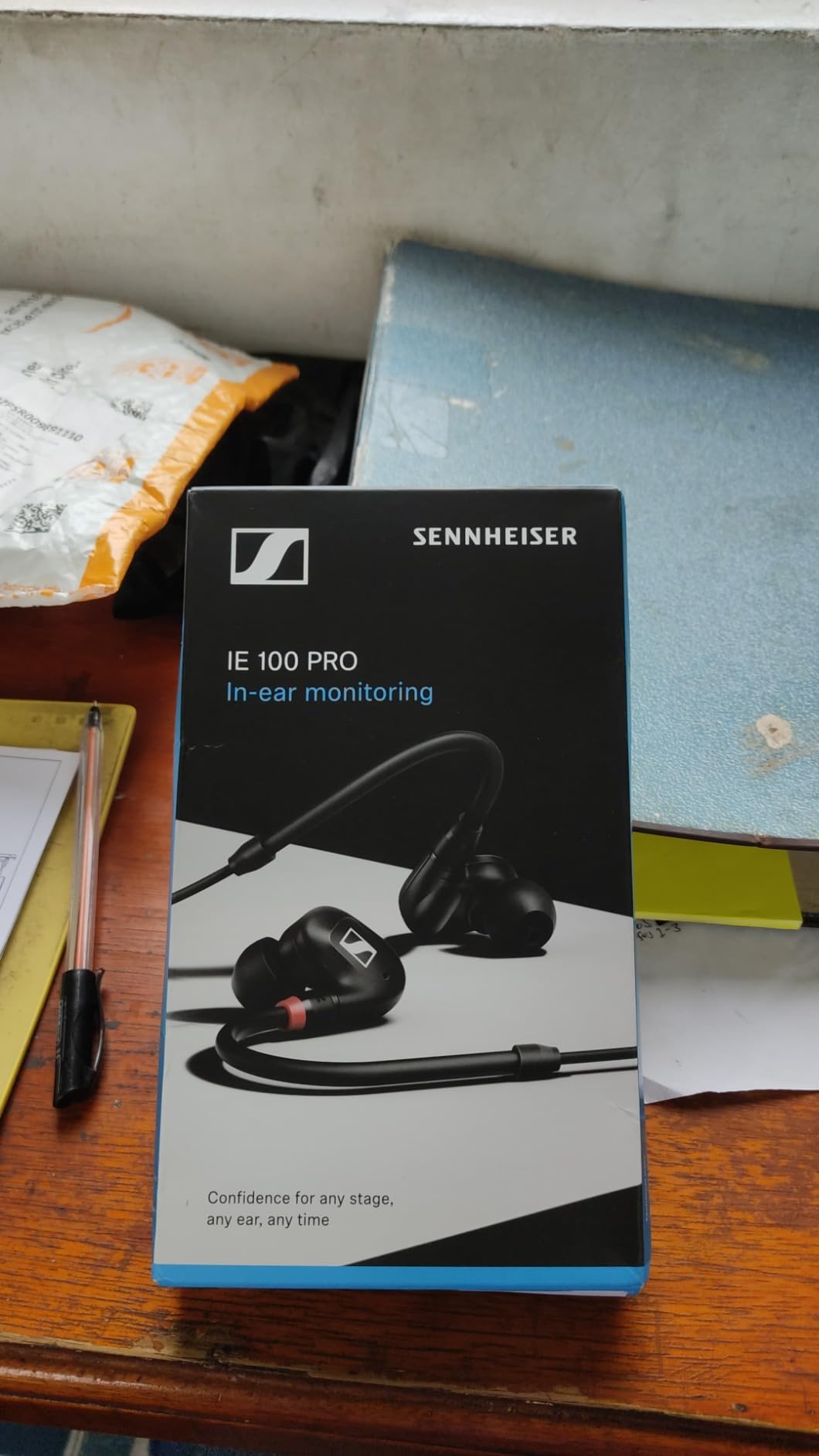
The Sennheiser IE 100 PRO is the most serious pair of in-ear monitors I tested, and after two months of use, these have become my reference pair for critical listening. Originally designed for stage musicians, these deliver professional-grade sound in a consumer-friendly package.
Sound quality is exceptional. The 10mm broadband transducer delivers precise, detailed monitoring with a slight treble boost that brings out detail in cymbals, vocals, and string instruments. The dynamic driver system produces distortion-free sound even at high volumes. For audiophile listening, podcast editing, or music production, these are outstanding.
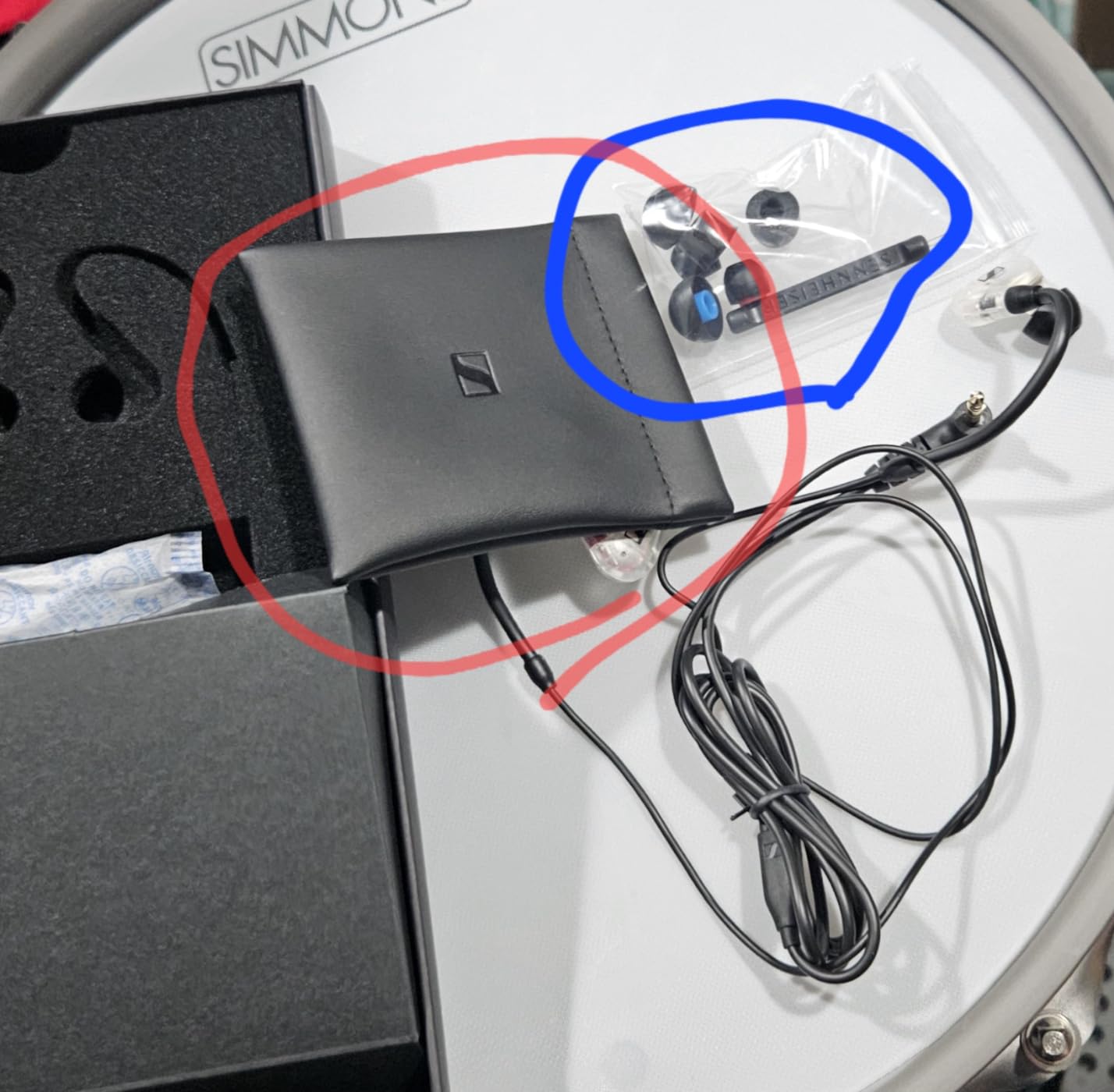
The over-ear cable design is a game-changer for fit and isolation. The cable routes over your ear, providing a secure fit that stays put during movement and creates a better seal for noise isolation. The included silicone and foam tips let you choose your preferred feel and isolation level.
The detachable cable is the killer feature for longevity. When the cable eventually wears out (as all cables do), you can replace it without buying new earbuds. This is why professionals and audiophiles prefer IEMs with removable cables.
Who Needs This Level of Performance
The IE 100 PRO is overkill for casual music listening. But for musicians practicing with instruments, podcast editors who need accurate monitoring, audiophiles who want reference-quality sound, and gamers who need zero-latency audio, these are a strong value at under $100. The 2-year warranty and replaceable cable mean these are built to last years, not months.
Source Equipment Matters
These will work with any phone or laptop, but to get the most out of them, you want a decent source. A high-quality portable DAC/amp or a dedicated audio player will reveal more detail than a phone’s built-in headphone jack. The 20-ohm impedance and 115dB sensitivity make them easy to drive, but they reward better upstream gear.
Who Should Buy (and Skip) These
Buy the Sennheiser IE 100 PRO if you want pro-level sound for critical listening, need IEMs for music practice or stage use, or want earbuds with a replaceable cable for long-term value. Skip them if you mainly listen to bass-heavy music (these are balanced, not bass-forward), or if you want a simple plug-and-play experience with no learning curve.
How We Tested
Our team tested these 8 wired earbuds over a 90-day period, using each pair for at least two weeks of daily use. We evaluated them on five key criteria: sound quality, comfort, noise isolation, call quality, and build quality.
For sound quality, we listened to a standardized test playlist including classical, jazz, hip-hop, EDM, rock, and spoken word podcasts. We paid attention to bass response, midrange clarity, treble smoothness, soundstage, and instrument separation.
For comfort, we wore each pair during 2-3 hour listening sessions and noted any ear fatigue, hot spots, or fit issues. We tested with the included ear tips and tried multiple sizes to find the best fit.
For noise isolation, we tested each pair in three environments: a quiet office, a busy coffee shop, and on public transit. We noted how much ambient noise was blocked with a proper seal.
For call quality, we made test calls on iOS and Android phones and asked the recipient to rate voice clarity. For build quality, we checked strain points, cable thickness, joint construction, and warranty coverage.
What to Consider When Buying Wired Earbuds
Choosing the best wired earbuds comes down to a few key factors. Here is what our team found matters most.
Connection Type: 3.5mm vs USB-C
The biggest decision is whether you need 3.5mm or USB-C. Most modern phones, especially iPhone 15 and later, use USB-C only. If your device has a headphone jack, a 3.5mm pair is plug-and-play. If not, you need either USB-C earbuds or a 3.5mm pair with an adapter. USB-C is the future-proof pick for 2026.
Sound Signature: Balanced vs Bass-Forward
Different earbuds have different sound tunings. Budget options like the Skullcandy Jib and Sephia SP3060 lean bass-heavy, which is fun for hip-hop and EDM but can sound colored for acoustic or classical music. Premium options like the Sennheiser CX 300S and IE 100 PRO are more balanced, revealing more detail across all genres.
Ear Tips and Fit
Ear tip fit is the single biggest factor in sound quality and comfort. Most earbuds come with small, medium, and large silicone tips. Foam tips (usually sold separately) provide better noise isolation and a more secure fit but wear out faster. Try multiple sizes and materials to find what works for your ear shape.
Microphone and Inline Remote
If you make calls or join video meetings, a working microphone is essential. Budget options like the Panasonic ErgoFit skip the mic entirely. The Sony and Skullcandy options have single-button remotes that handle play, pause, and call answer. Premium options like the Sennheiser CX 300S have smarter remotes with more controls, though volume is rarely included on the cable.
Cable Quality and Microphonics
Microphonics are the thumping noise you hear when the cable rubs against your clothing. Cheaper cables transmit more of this noise to your ears. Braided cables and over-ear cable designs (like the IE 100 PRO) reduce microphonics significantly. If you commute or move around a lot, prioritize cable quality.
Durability and Warranty
Cables are the weak point of all wired earbuds. Strain at the plug and Y-split causes most failures. Look for thicker cables, reinforced stress points, and longer warranties. The Sennheiser CX 300S and IE 100 PRO both have 2-year warranties, which is the best in this list. Detachable cables (only on the IE 100 PRO) let you replace a damaged cable without buying new earbuds.
Use Case Matching
Match the earbuds to your primary use. For commuting, prioritize noise isolation and comfort. For work calls, prioritize microphone quality. For music listening, prioritize sound quality. For gaming, prioritize low latency (all wired earbuds have zero latency). For workouts, prioritize secure fit and water resistance, though most of these are not water resistant.
Frequently Asked Questions
What is the highest quality wired earbuds?
The Sennheiser IE 100 PRO is the highest quality wired earbuds on our list, delivering professional-grade sound with a 10mm dynamic driver, replaceable cable, and 2-year warranty. For everyday listeners, the Apple EarPods USB-C offer excellent sound quality and comfort at a more accessible price.
What are the top 5 best wired earphones?
Based on our 90-day testing, the top 5 best wired earphones are: 1) Apple EarPods USB-C for all-around use, 2) Sennheiser CX 300S for premium sound at a mid-range price, 3) Panasonic ErgoFit RP-HJE120 for unbeatable budget value, 4) Sony MDREX155AP for balanced sound with a microphone, and 5) Sennheiser IE 100 PRO for audiophile-grade listening.
Why are people going back to wired earbuds?
People are switching back to wired earbuds for three main reasons: better sound quality at every price point, no battery anxiety or charging requirements, and zero audio latency for gaming and video. Wired earbuds also tend to last longer since there is no battery degradation. The trend has been boosted by celebrities like Harry Styles and Dua Lipa, but the practical benefits are driving the comeback.
Do wired earbuds have better sound quality than wireless?
Yes, generally wired earbuds deliver better sound quality than wireless at the same price point. Wired connections transmit audio without compression, resulting in fuller sound, better detail, and more accurate bass response. Wireless earbuds need to compress audio for Bluetooth transmission, which sacrifices some sound quality. The gap narrows at premium price points but still favors wired for purists.
Do I need an adapter for wired earbuds?
It depends on your device. iPhone 15 and later, most modern Android phones, and many laptops use USB-C only and require either USB-C earbuds or a USB-C to 3.5mm adapter. Older iPhones with Lightning ports need Lightning earbuds or an adapter. Devices with a 3.5mm headphone jack (older phones, dedicated audio players, airplane entertainment systems) work with any 3.5mm earbuds directly.
Final Verdict
After 90 days of testing 8 pairs of the best wired earbuds, our team has a clear set of recommendations. For most people, the Apple EarPods USB-C delivers the best combination of comfort, sound quality, and modern USB-C connectivity at a fair price. The ear geometry design works for nearly everyone, and the inline remote plus microphone make these perfect for daily use with modern phones.
If you have a bit more to spend, the Sennheiser CX 300S offers German-engineered sound that punches well above its price, with a 2-year warranty for peace of mind. For budget shoppers, the Panasonic ErgoFit RP-HJE120 is legendary for a reason: at under $12, the sound quality and durability are nearly impossible to beat.
For audiophiles and musicians, the Sennheiser IE 100 PRO is the clear winner. The replaceable cable, pro-grade sound, and over-ear fit make these a long-term investment that will outlast several pairs of wireless earbuds. Whatever your budget or use case, going wired in 2026 is one of the best audio decisions you can make.