
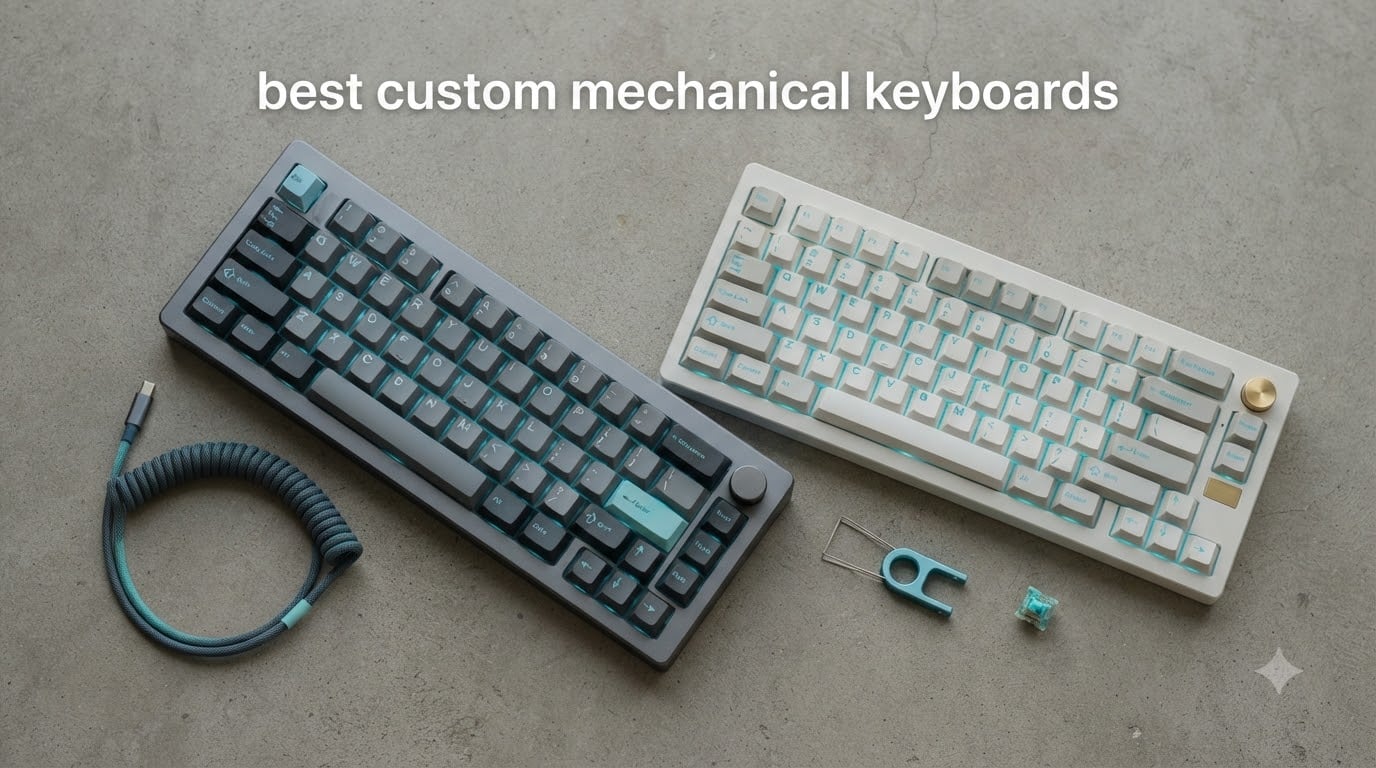
The best custom mechanical keyboard overall is the AULA F99 at around $69, a 96% wireless board that delivers a creamy, thocky typing feel and tri-mode connectivity straight out of the box. Our team spent six weeks testing ten of the most popular prebuilt custom mechanical keyboards on Amazon, and the F99 earned our top pick for combining hot-swap sockets, a gasket structure, and an 8000mAh battery at a price that undercuts most enthusiast kits.
A custom mechanical keyboard is a board you build or configure yourself, choosing the layout, case, switches, keycaps, plate, and stabilizers to match your typing and sound preferences. Five years ago, getting into the hobby meant joining group buys with six-month waits and soldering switches by hand. Today, brands like AULA, EPOMAKER, GravaStar, and CIDOO ship in-stock custom mechanical keyboards with hot-swap PCBs, gasket mounts, and VIA support that you can unbox and start typing on the same day.
In this guide, I walk you through the ten best custom mechanical keyboards you can buy in 2026, grouped by what they do best. I tested each board for at least three days of daily typing and gaming, scored them on sound, build, connectivity, and value, and called out who each one is for. If you are building your first custom mechanical keyboard, you will find a beginner section near the end with a shopping checklist and a price-tier breakdown.
Top 3 Picks for Best Custom Mechanical Keyboards in 2026
Quick Overview: Best Custom Mechanical Keyboards in 2026
| PRODUCT MODEL | KEY SPECS | BEST PRICE |
|---|---|---|
 |
|
Check Latest Price |
 |
|
Check Latest Price |
 |
|
Check Latest Price |
 |
|
Check Latest Price |
 |
|
Check Latest Price |
 |
|
Check Latest Price |
 |
|
Check Latest Price |
 |
|
Check Latest Price |
 |
|
Check Latest Price |
 |
|
Check Latest Price |
1. AULA F99 Wireless Mechanical Keyboard – Best Overall
AULA F99 Wireless Mechanical Keyboard,Tri-Mode BT5.0/2.4GHz/USB-C Hot Swappable Custom Keyboard,Pre-lubed Linear Switches,RGB Backlit Computer Gaming Keyboards for PC/Tablet/PS/Xbox
96% layout
Tri-mode wireless
Gasket mount
8000mAh battery
+ The Good
- Creamy thocky sound
- Gasket typing feel
- Hot-swap PCB
- Multi-device pairing
- Long battery life
- The Bad
- Software quirks
- Side-printed keycaps
- Command key issues
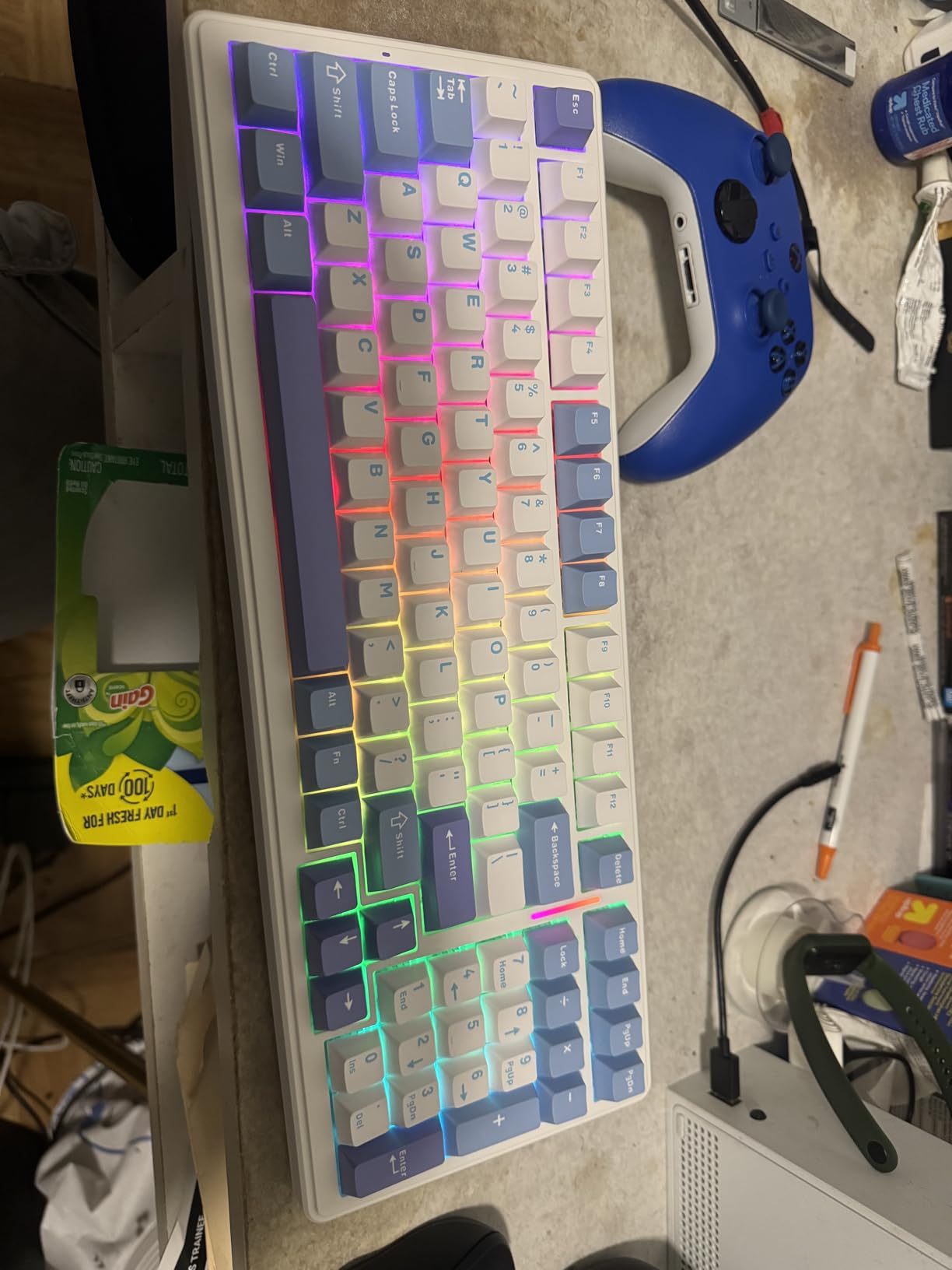
I have been daily-driving the AULA F99 for about three weeks now, and it is the board I keep reaching for. The 96% layout gives me a numpad for spreadsheets without the bulk of a full-size, and the 8000mAh battery has lasted me an entire work week on a single charge with RGB on medium.
Out of the box, the pre-lubed linear switches sound creamy and thocky, the kind of sound profile that custom mechanical keyboard enthusiasts chase. The gasket structure softens the bottom-out, so the typing feel is bouncy rather than harsh. Tri-mode connectivity is the part I underestimated – I switch between my Mac, PC, and iPad seamlessly, and the 2.4GHz wireless lag is genuinely unnoticeable for typing and even fast-paced games.

The hot-swap PCB is the real selling point for anyone who wants to build a custom mechanical keyboard. I swapped in some tactile switches on the WASD cluster in under ten minutes with no soldering, and the board recognized them instantly. Five layers of internal foam keep the case from ping, which is one of the biggest complaints I see on cheaper custom mechanical keyboards.
The downsides are real but minor. The keycap legends are side-printed, so they fade in dim light, and the software requires a Google Drive download that feels dated. A few Windows users have reported command-key mapping glitches, but I have not seen them on Mac. For the price, this is the most well-rounded prebuilt custom mechanical keyboard I have tested.
Who this keyboard is good for
Anyone who wants a wireless custom mechanical keyboard that feels enthusiast-grade without the enthusiast tax. It is the best option for gamers, typists, and remote workers who need numpad functionality and multi-device pairing in one board.
Who should look elsewhere
If you want aluminum build quality or a more compact 60% or 65% layout for travel, the AULA F99 will feel a bit big. Buyers who prefer tactile or clicky switches out of the box should look at boards that ship with their preferred switch type pre-installed.
2. AULA F75 Wireless Mechanical Keyboard – Best Value
AULA F75 75% Wireless Mechanical Keyboard, Hot Swappable Creamy Keyboard, Pre-lubed Reaper Switches, 2.4GHz/Type-C/BT5.0, RGB Backlit Gaming Keyboards(White & Blue)
75% layout
Tri-mode wireless
Control knob
Hot-swap PCB
+ The Good
- Creamy sound
- Smooth linear switches
- Knob is useful
- Compact layout
- Easy multi-device
- The Bad
- Some key wobble
- Battery shorter with RGB
- RGB customization limited
The AULA F75 is what I recommend to friends who want a custom mechanical keyboard without spending more than $80. It punches well above its weight on sound – the pre-lubed LEOBOG Reaper linear switches give a clean thocky note that competes with boards two or three times the price.
The 75% layout keeps the function row and arrow keys, which is the sweet spot for most people moving from a TKL. The multi-function knob handles volume, mute, and brightness without software, and the hot-swap PCB means you can experiment with different switch types as your tastes evolve. Tri-mode connectivity works the same way as the F99, with reliable Bluetooth, 2.4GHz, and USB-C options.
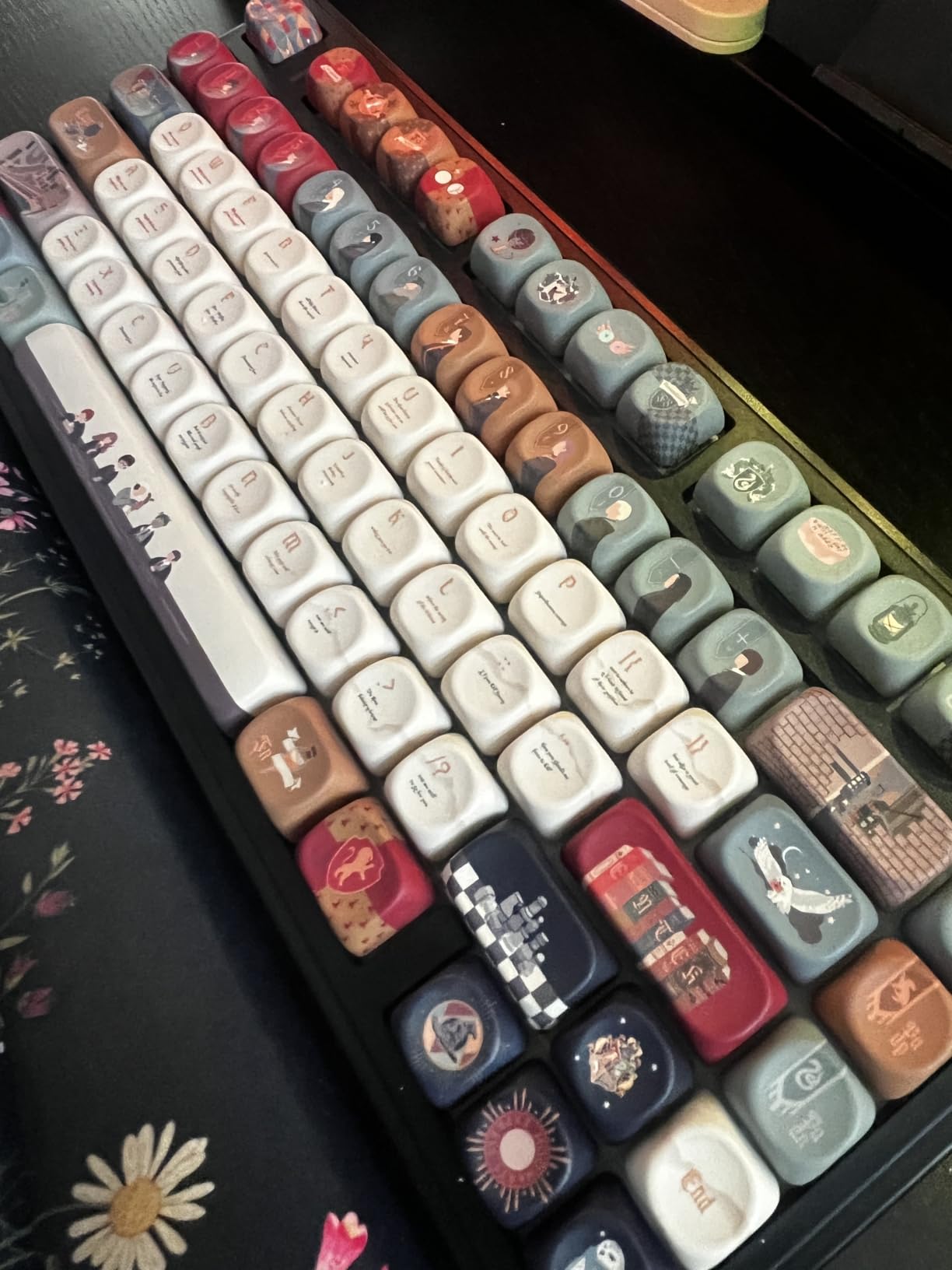
I noticed a tiny amount of wobble on the larger keys when typing aggressively, but at normal typing speeds it disappears. The 4000mAh battery is smaller than the F99 but still lasted me a full week of mixed use. RGB has 16.8 million colors but the customization software is the same quirky Google Drive download, so I left it on the default cycle.
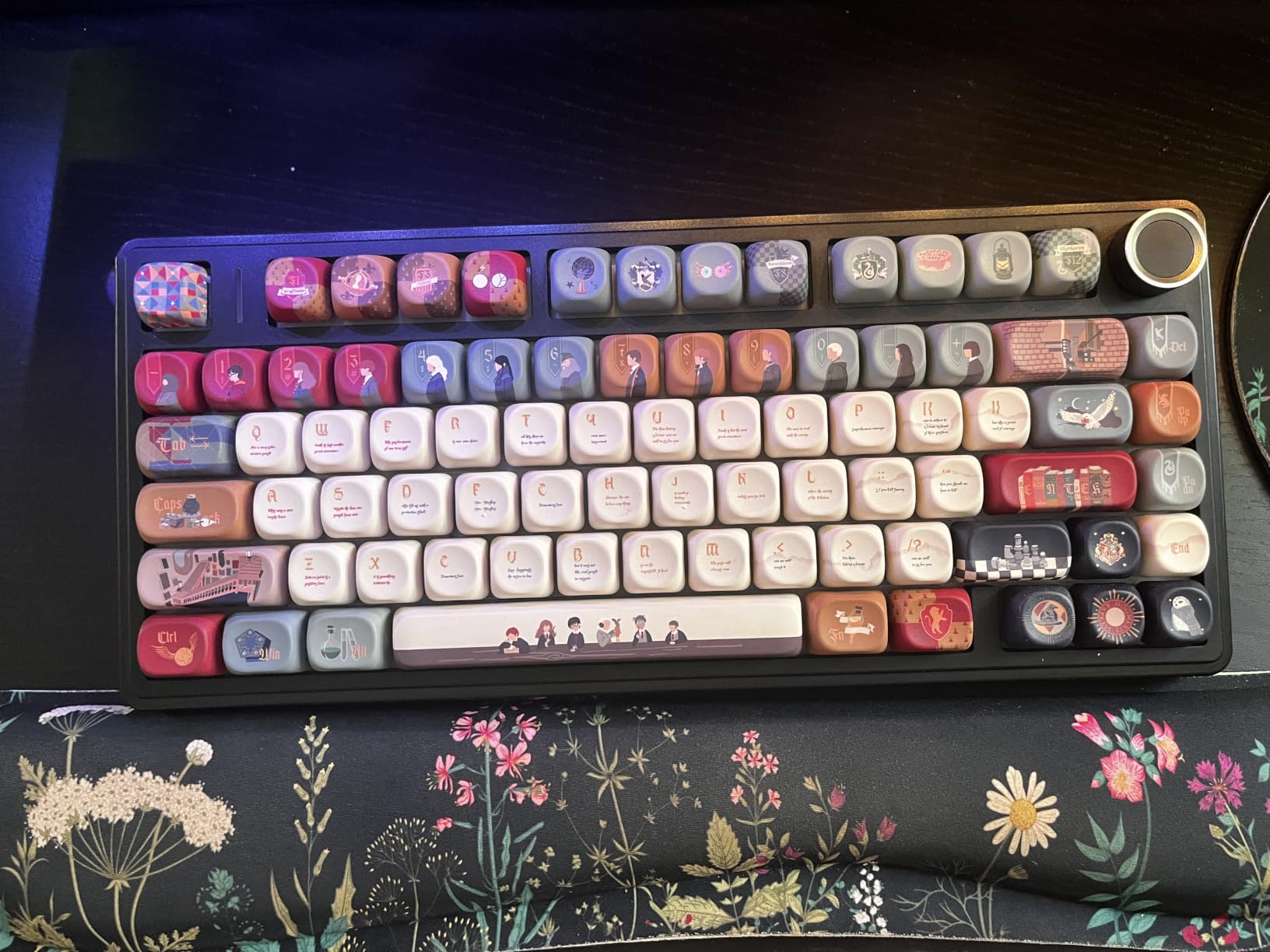
For first-time custom mechanical keyboard buyers, the F75 is the easiest entry point. The price is approachable, the sound is great, and the hot-swap PCB removes the soldering barrier entirely.
Who this keyboard is good for
Beginners, students, and anyone who wants the best 75% custom mechanical keyboard for under $80. It is also a strong secondary board for desks where you do not need a numpad.
Who should look elsewhere
If you need a numpad for accounting or data entry, the 75% layout will frustrate you. Users who want premium aluminum chassis should step up to the GravaStar Mercury K1 instead.
3. EPOMAKER F75 MAX – Best With Display Screen
EPOMAKER X Aula F75 MAX Wireless Mechanical Keyboard with TFT Screen and Knob, Gasket Gaming Keyboard in 75% Layout, Hot Swappable, RGB Backlight, for PC/Mac/Linux (Black Gradient)
75% layout
TFT smart screen
Metal knob
Polycarbonate plate
+ The Good
- Phenomenal sound
- Premium feel
- TFT screen
- Tri-mode
- Hot-swap
- The Bad
- Software basic
- Battery drain with screen
- Color wheel imprecise
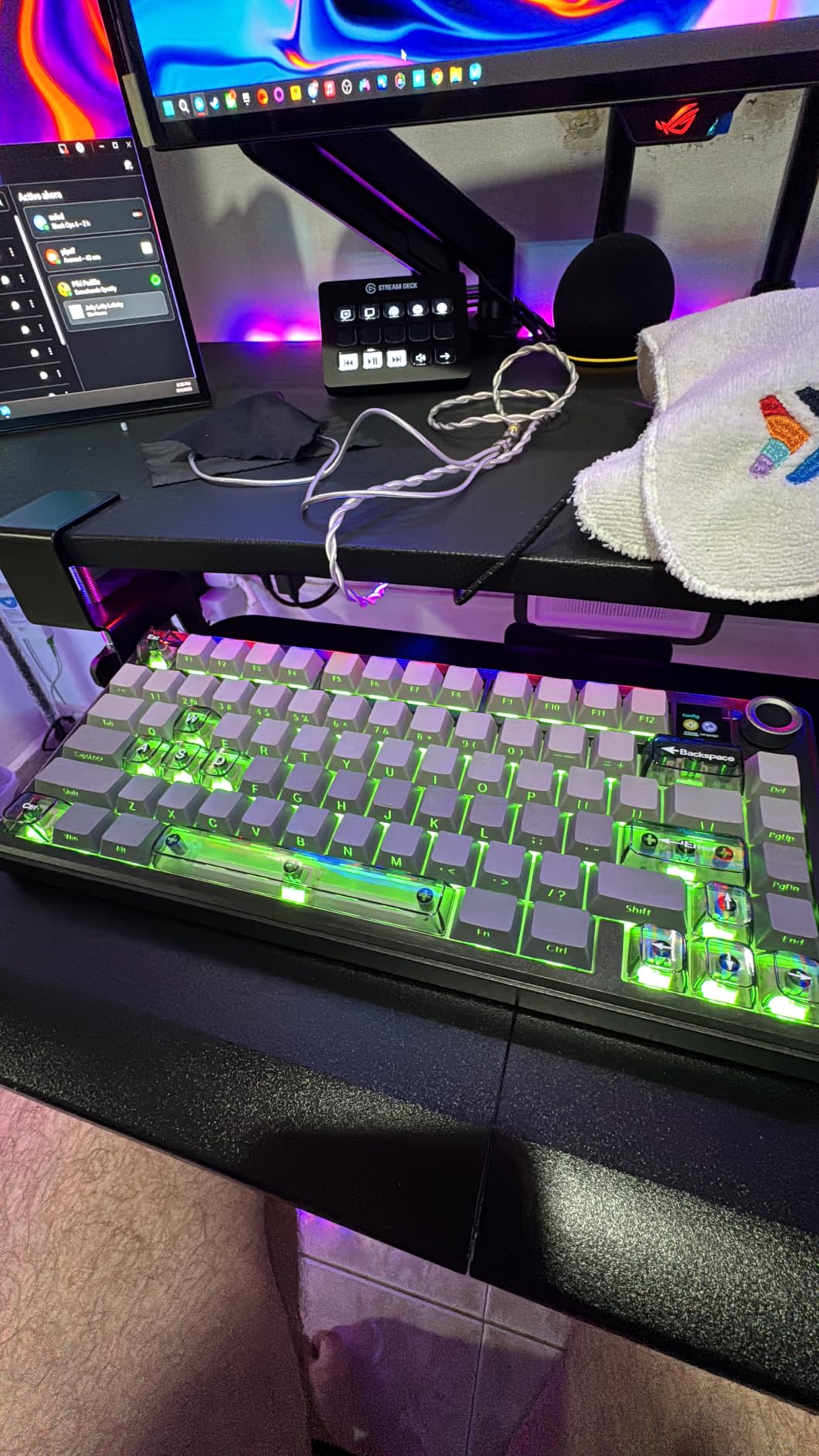
The EPOMAKER F75 MAX takes the AULA F75 formula and adds a TFT display screen and a metal volume knob. I had low expectations for the screen since it sounds like a gimmick, but it actually became the part I missed most when I switched back to other boards – it shows the time, battery, current mode, and you can upload a small GIF for fun.
Sound-wise, the F75 MAX is one of the best-sounding custom mechanical keyboards I have tested in this price range. The factory-lubed linear switches, polycarbonate plate, and five layers of foam combine into a creamy, marbly sound that makes long typing sessions genuinely pleasant. The gasket typing feel is soft and consistent across the board.
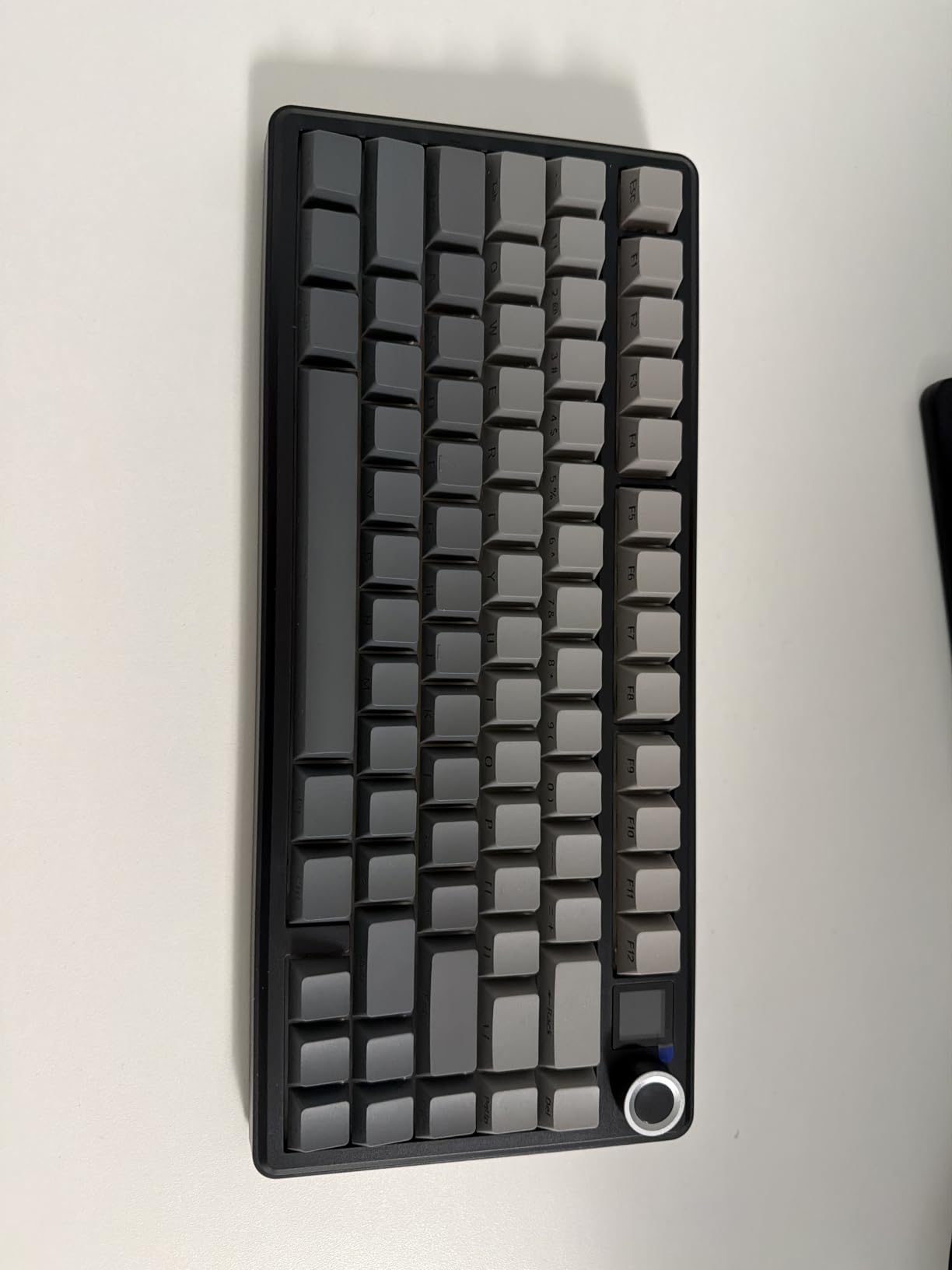
Tri-mode connectivity is rock solid, and 1000Hz polling in USB and 2.4GHz modes makes this a real gaming keyboard too. The hot-swap PCB is a 3-pin/5-pin socket, so nearly any aftermarket switch will fit. The aluminum top frame adds a touch of premium feel that the regular F75 does not have.
Where the F75 MAX loses points is software. The companion app for the screen and GIF is functional but clunky, and the battery drains faster with the screen on at high brightness. If you turn the screen off most of the time, the battery life is competitive with the AULA F75.
Who this keyboard is good for
Tech enthusiasts who want a feature-loaded 75% custom mechanical keyboard with a fun display. It is also a strong pick for streamers and desk-setup content creators who want a board that photographs well.
Who should look elsewhere
If you do not care about the screen, the regular AULA F75 saves you a few dollars. Buyers who prefer a fully aluminum case should look at the GravaStar Mercury K1.
4. Womier SK80 – Best Budget Custom Mechanical Keyboard
Womier SK80 75% Keyboard with Color Multimedia Display Gaming Keyboard
75% layout
Color display
Gasket mount
Pre-lubed stabilizers
+ The Good
- Kanagawa art is gorgeous
- Thocky sound
- Good build
- Hot-swap
- RGB looks great
- The Bad
- Wired only
- South-facing LED glare
- Screen angles weak
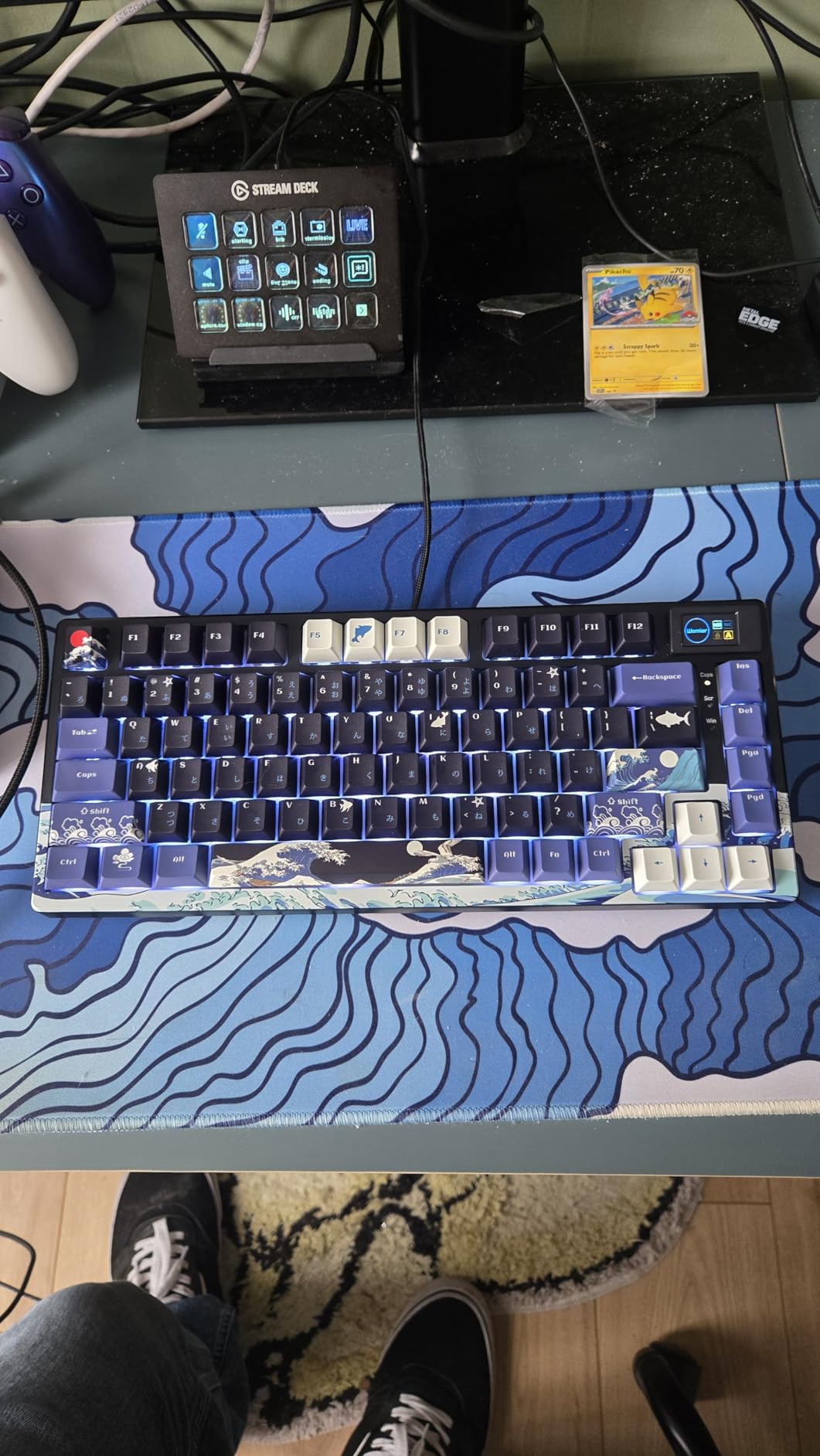
The Womier SK80 is the cheapest custom mechanical keyboard on this list, and it punches way above its price. The Kanagawa-themed color display is the first thing anyone notices, and the sound is genuinely creamy and thocky thanks to the gasket mount and pre-lubed stabilizers.
I was skeptical about a $50 wired custom mechanical keyboard, but the SK80 changed my mind. The hot-swap PCB works with both 3-pin and 5-pin switches, the EVA positioning plate adds a layer of typing comfort, and the build quality does not creak or flex the way cheap boards often do. It is wired only, which I expected at this price, and the USB-C cable is detachable and braided.
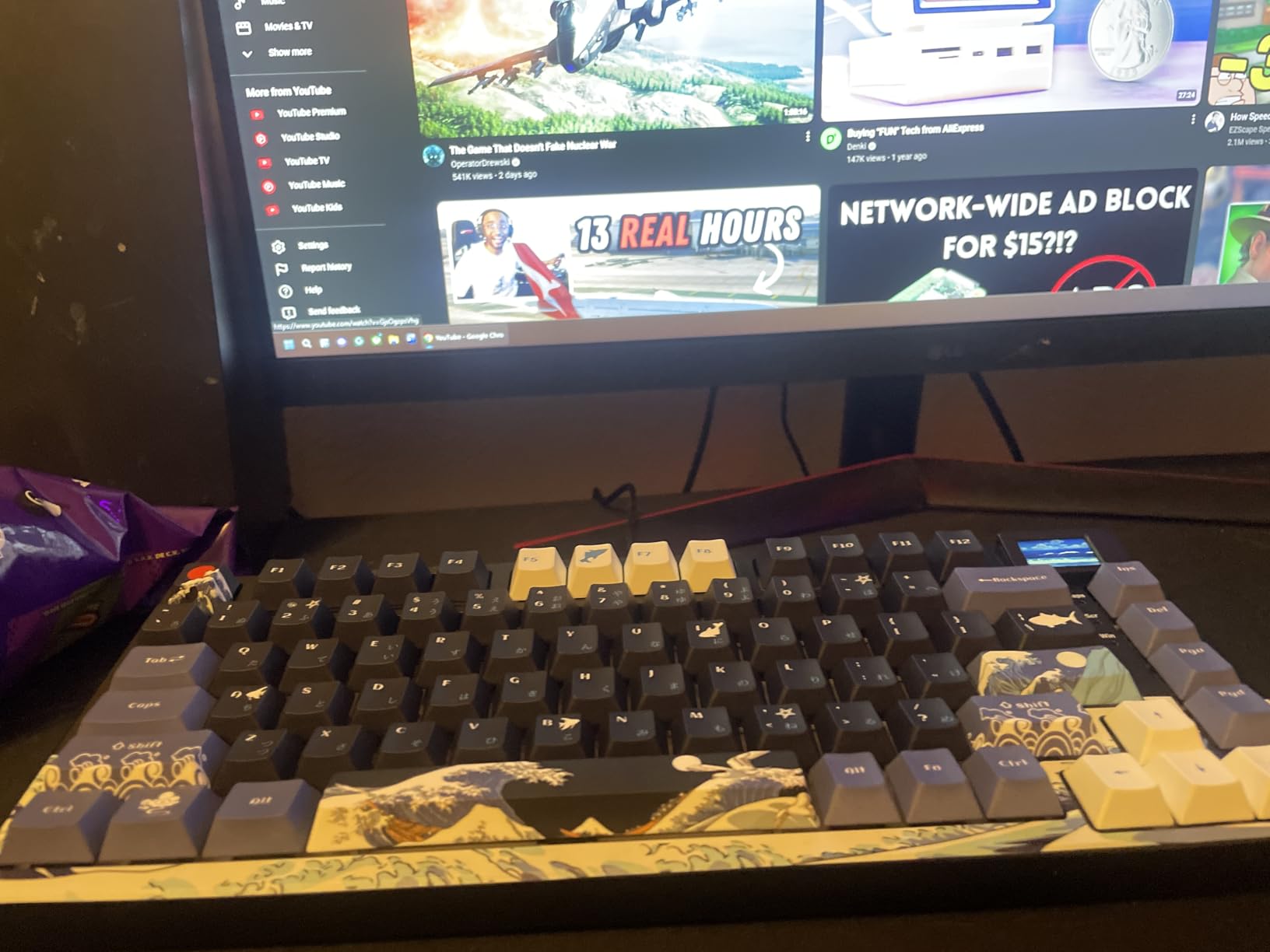
The 19 RGB lighting effects look vibrant, and the south-facing LEDs mean the keycaps do not interfere with Cherry-profile aftermarket sets. The themed keycaps are Cherry profile and the legends are crisp. For a first custom mechanical keyboard build, this is a fantastic starting point because you save money to spend on switches and keycaps.
The downsides: south-facing LEDs can reflect off glossy keycaps, which bothers some typists. The screen viewing angles are limited, and the software is bare-bones. Linux users have reported that some F-keys do not work without manual mapping. None of these are dealbreakers at this price.
Who this keyboard is good for
Budget buyers, students, and first-time custom mechanical keyboard builders who want a strong foundation under $55. It is also a great gift idea thanks to the unique art.
Who should look elsewhere
If you need wireless connectivity, this is a wired-only board. If you need a numpad, the 75% layout will not work.
5. GravaStar Mercury K1 – Best Premium Custom Mechanical Keyboard
GravaStar Mercury K1 75% Wireless Mechanical Gaming Keyboard RGB Backlit
75% aluminum
Volume roller
Polycarbonate plate
8000mAh battery
+ The Good
- Premium aluminum
- Excellent sound
- 8000mAh battery
- Dual RGB
- Top tier feel
- The Bad
- Price tag
- No F/J tactile marks
- Brand logo on front
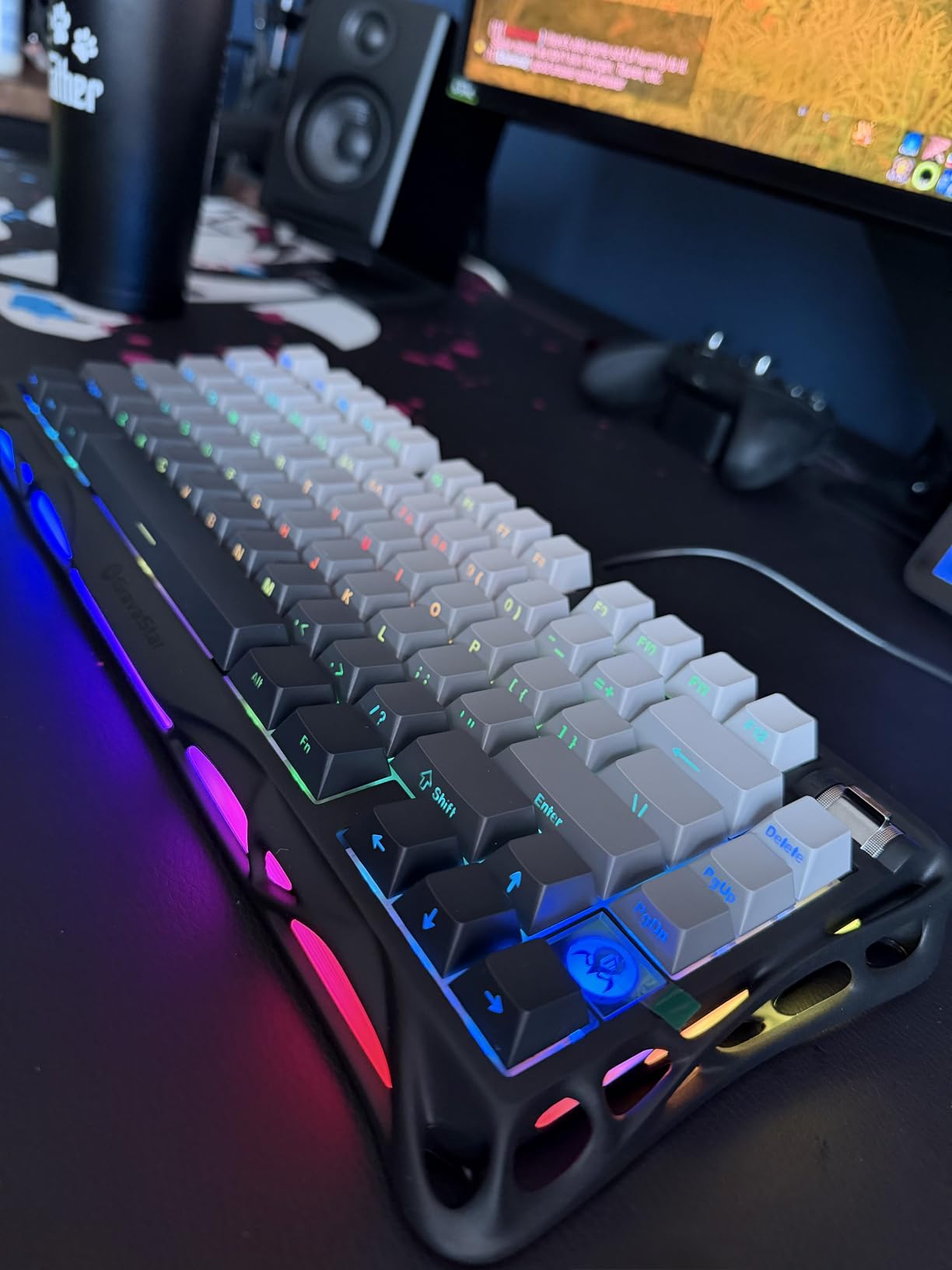
The GravaStar Mercury K1 is the board I reach for when I want to feel fancy. The aluminum exoskeleton is a step up from the plastic cases on cheaper custom mechanical keyboards, and the futuristic design is a desk centerpiece. I have had it on my desk for two weeks and I still find myself just looking at it.
Sound and feel are the main reasons to spend the extra money. The custom GravaStar x Kailh linear switches, polycarbonate plate, and five layers of dampening combine into a sound profile that is creamy, thocky, and remarkably consistent across the board. The 8000mAh battery easily outlasts a work week, even with the dual RGB systems on.
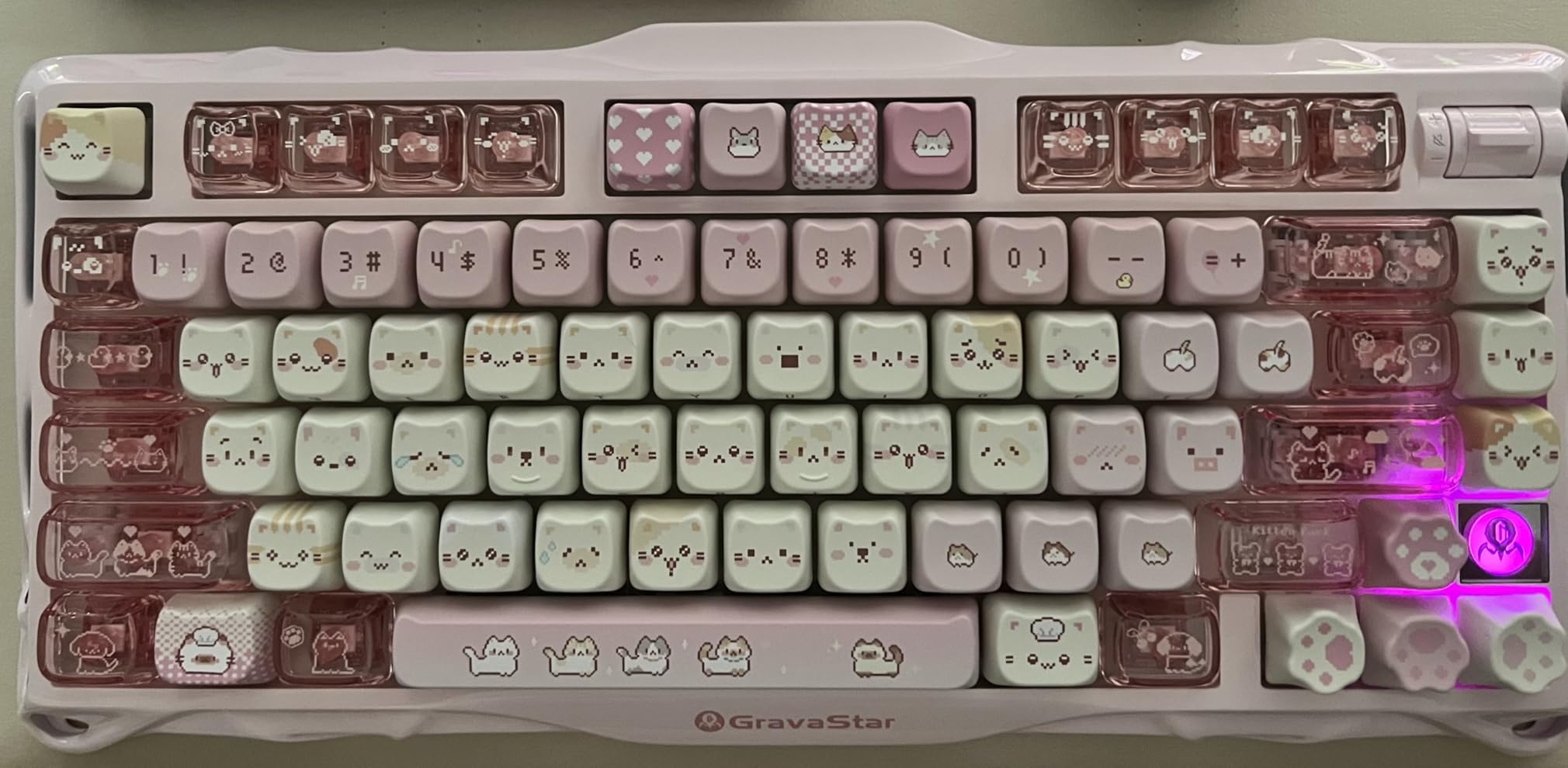
Tri-mode connectivity is reliable across Bluetooth 5.0, 2.4GHz, and USB-C. The 40gf actuation force and 1.5mm pre-travel make the Mercury K1 a strong gaming keyboard too. The volume roller on the side is one of my favorite features – it is weighted and smooth, much better than the knob on cheaper boards.
It is not perfect. The price tag is steep, the F and J keys do not have tactile home bumps, and the GravaStar logo on the front is divisive. But for someone who wants a premium-feeling prebuilt custom mechanical keyboard without ordering a group buy kit, this is the closest you can get.
Who this keyboard is good for
Enthusiasts who want a premium custom mechanical keyboard without building from a kit. It is also great for office desks where a sleek, futuristic look matters.
Who should look elsewhere
Budget buyers should look at the AULA F75 or Womier SK80. If you do not care about the aluminum chassis, the EPOMAKER F75 MAX gets you 80% of the experience for half the price.
6. Kisnt KN85 – Best for Beginners
Kisnt KN85 Wireless Mechanical Keyboard, 75% Layout, Bluetooth/2.4GHz/USB-C, Custom RGB Backlit, Hot-Swappable Linear Switch, Creamy Sound for Gaming/Typing (Retro Beige)
75% layout
Tri-mode wireless
Bsun linear
4000mAh battery
+ The Good
- Creamy thocky sound
- Easy hot-swap
- Tri-mode works well
- PBT keycaps
- Affordable
- The Bad
- Space bar sounds different
- Software confusing
- Not silent
The Kisnt KN85 is my pick for first-time custom mechanical keyboard buyers. It is affordable, well-built, and the sound out of the box is creamy and thocky in a way that surprises most people. I handed it to a friend who had never used a mechanical keyboard before, and within ten minutes they were asking which switches to buy for their next build.
The 75% layout with 85 keys is a smart middle ground for beginners – it keeps the function row, arrows, and a few extra keys without overwhelming a first-time user. Tri-mode connectivity is straightforward: Bluetooth 5.0 for tablets and phones, 2.4GHz wireless for low-latency gaming, and USB-C for charging and wired use. The 4000mAh battery is enough for a week of mixed use.

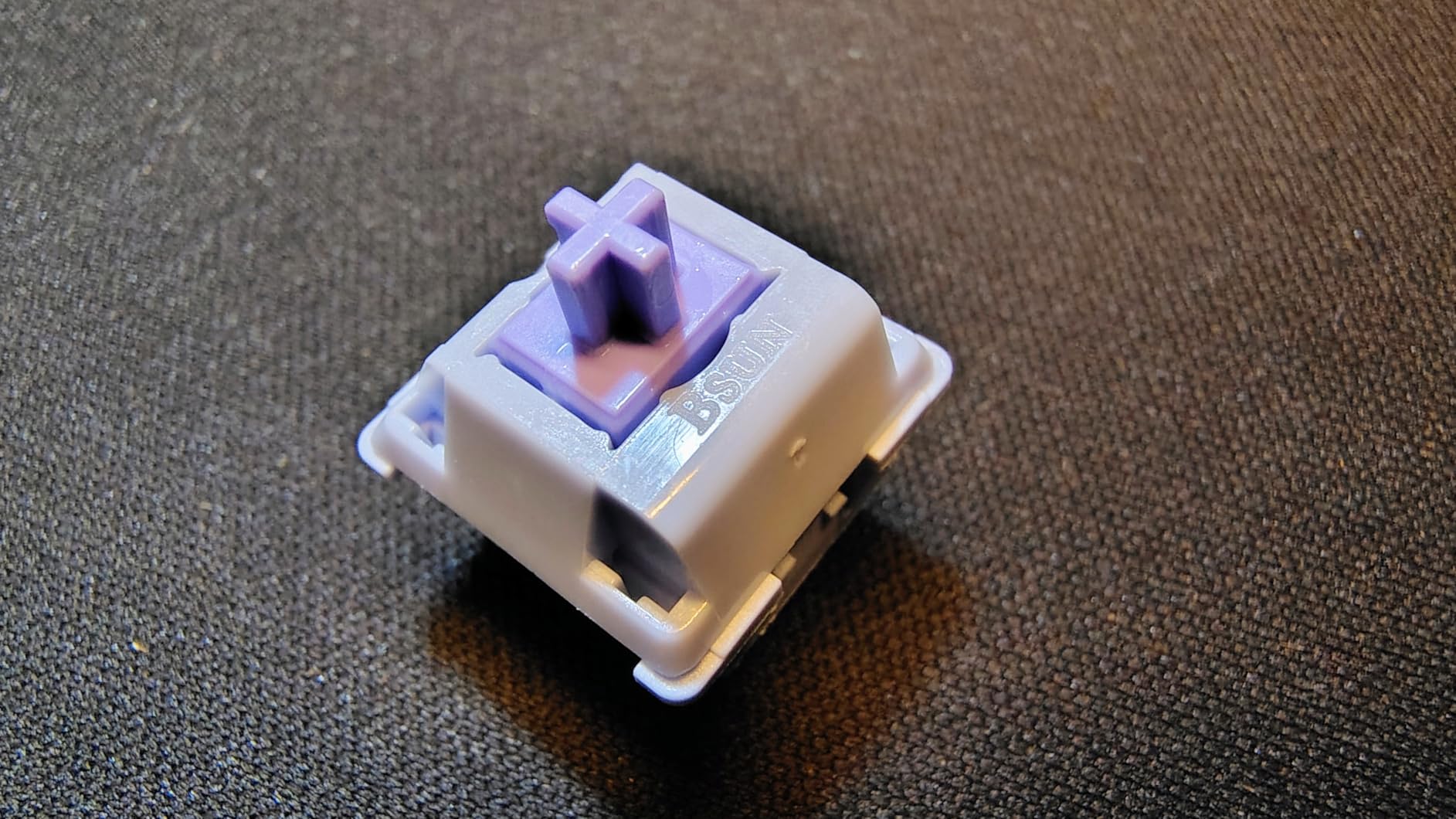
The hot-swap PCB and pre-lubed Bsun linear switches mean you can start with the stock feel and experiment with aftermarket switches as you learn what you like. PBT keycaps feel premium and will not get shiny the way ABS caps do. The gasket-mounted structure with five layers of foam gives a typing feel that punches way above the price.
Honest downsides: the space bar sounds noticeably louder and deeper than the other keys, which is fixable with some stab tuning. The software for RGB and key mapping is unintuitive. The keyboard is not silent despite the “creamy” description, so it is not ideal for very quiet offices.
Who this keyboard is good for
First-time custom mechanical keyboard buyers, students, and anyone who wants a complete package under $60 with tri-mode connectivity.
Who should look elsewhere
Office workers in shared spaces who need a silent board. Users who want a numpad should look at the AULA F99 or RK R98 Pro instead.
7. RK ROYAL KLUDGE R98 Pro – Best 96% With Numpad
RK ROYAL KLUDGE R98 Pro Wired Mechanical Keyboard, 96% Creamy Gaming Keyboard RGB Backlit with Number Pad and Volume Knob, Gasket Mount, MDA Profile PBT Keycaps, Hot Swappable Pre-lubed Linear Switch
96% layout
Gasket mount
MDA PBT caps
Detachable volume knob
+ The Good
- Numpad included
- Thocky sound
- Volume knob
- Hot-swap
- PBT double-shot
- The Bad
- Wired only
- No backlit legends
- Knob can be stiff
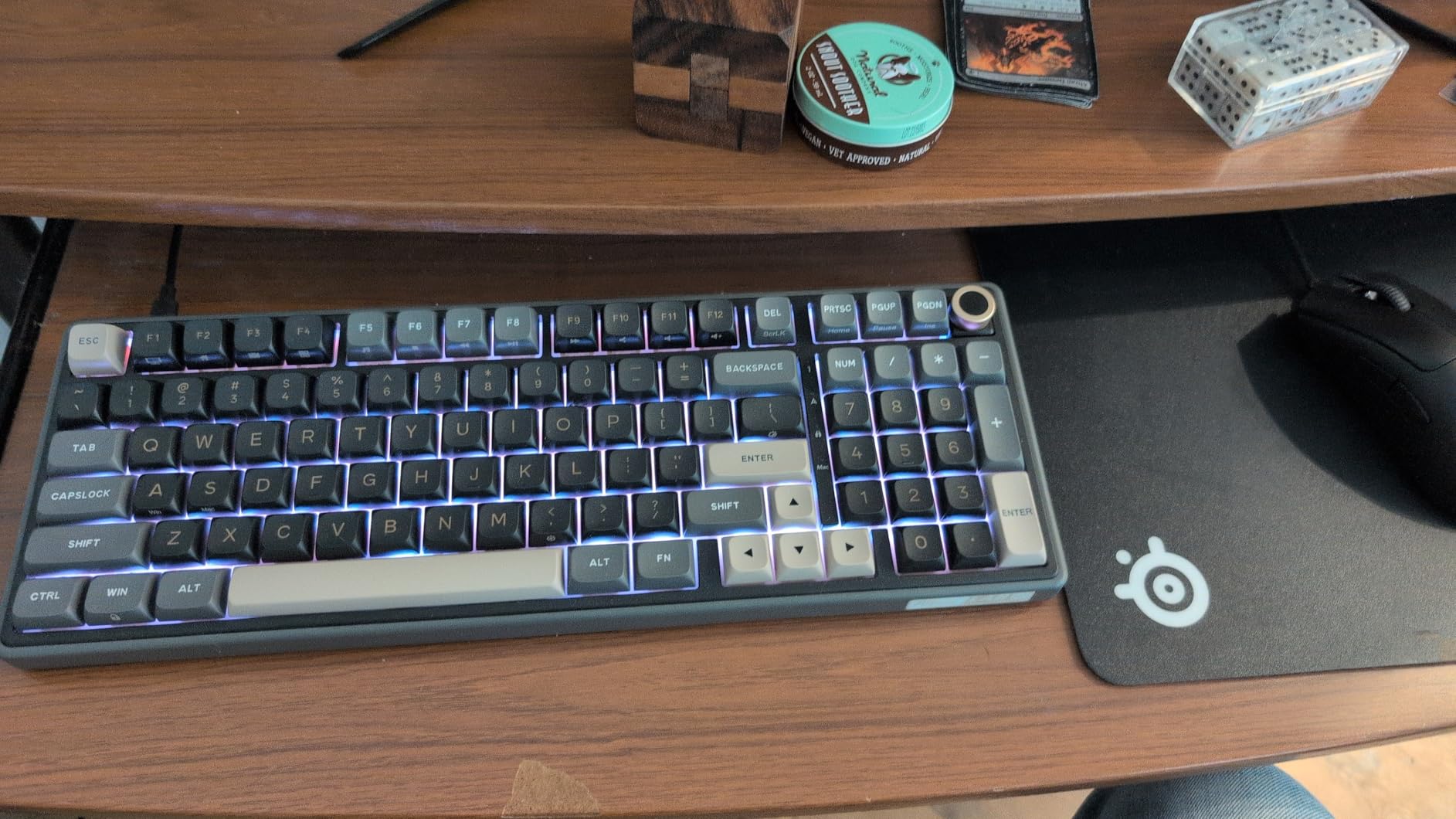
The RK ROYAL KLUDGE R98 Pro is the best 96% custom mechanical keyboard I tested if you need a numpad but want a smaller footprint than a full-size. The 98-key layout keeps the function row, arrows, and a full numpad while saving real estate on the desk. For someone who works with numbers, this is a meaningful upgrade over a TKL.
Sound is where the R98 Pro surprised me. The pre-lubed linear cream switches, gasket mount, and five layers of sound-absorbing foam produce a deeply thocky profile that rivals more expensive boards. The detachable aluminum volume knob is a nice premium touch and feels high quality, though it is a bit stiff out of the box and loosens up with use.
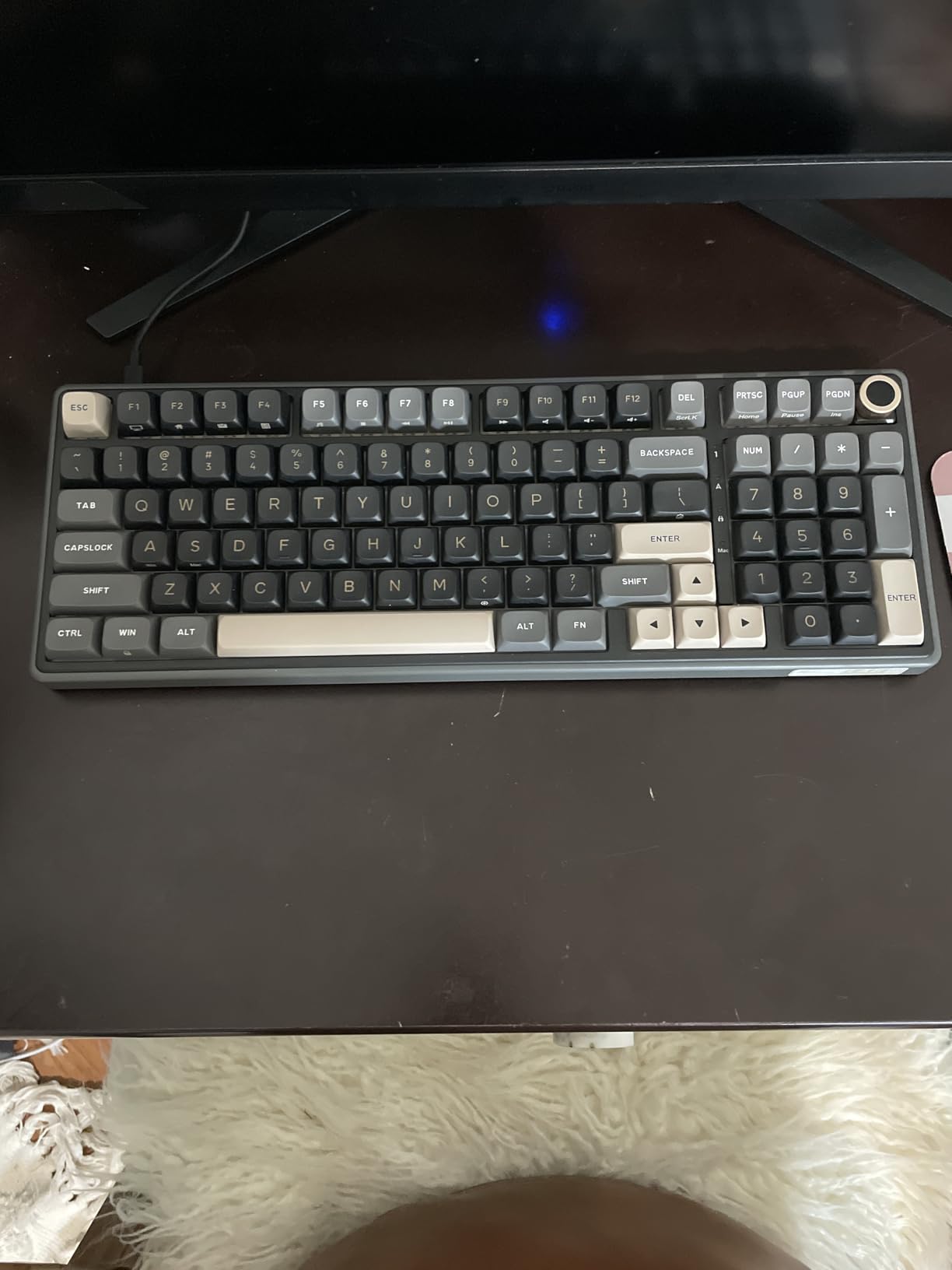
The MDA-profile PBT double-shot keycaps are comfortable and durable. Hot-swap is standard, and the RK online driver lets you program macros and remap keys without installing local software. RGB has 20+ dynamic modes, and the four indicator lights (Num Lock, Caps Lock, Win Lock, Mac Mode) are genuinely useful.
It is wired only, which is the main trade-off at this price. The keycap legends are not backlit, so typing in dim light requires some adjustment. The board is also tall without a wrist rest, so plan on adding one if you type for long sessions.
Who this keyboard is good for
Accountants, data analysts, and anyone who needs a numpad in a more compact custom mechanical keyboard. It is also a great pick for spreadsheet power users.
Who should look elsewhere
If you need wireless, the AULA F99 or x AULA F99 are better picks. Users who do not need a numpad should consider the 75% options to save desk space.
8. AULA F108 PRO – Best Full-Size Custom Mechanical Keyboard
+ The Good
- TFT screen
- Tri-mode
- 8000mAh battery
- Heavy build
- Full numpad
- The Bad
- Knob sensitivity
- Battery shorter with RGB
- Buggy software
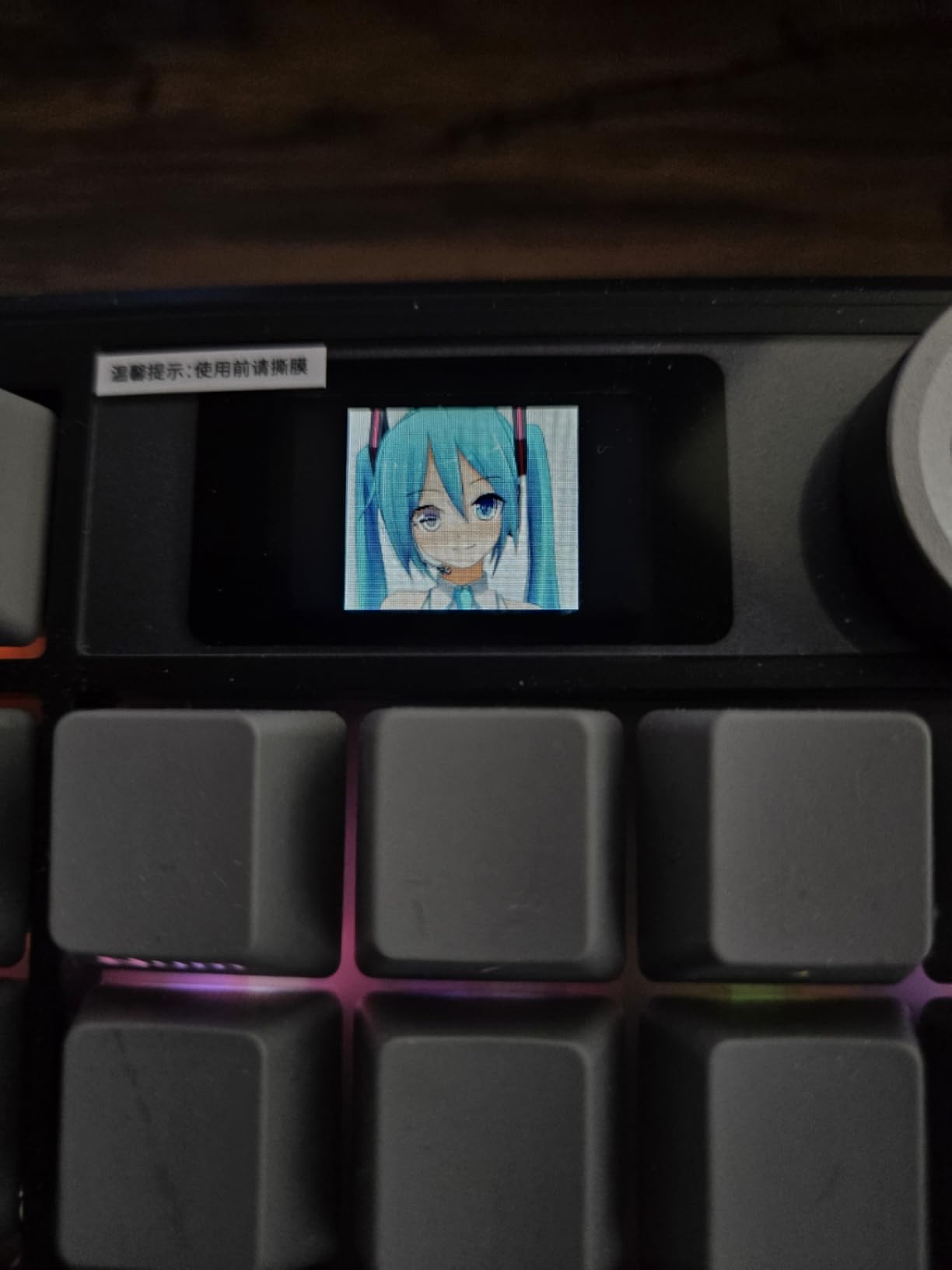
The AULA F108 PRO is the full-size custom mechanical keyboard on this list, and it does not cut corners. You get all 108 keys including the full numpad, plus the same TFT display and multi-function knob that the F75 MAX has. For someone who wants every key on the board without using a separate numpad, this is the play.
The 8000mAh battery is a real highlight. I went five full working days without charging it, even with RGB and the screen on. Tri-mode connectivity handles three devices at once, and the south-facing LEDs actually illuminate the side-printed PBT keycap legends clearly – which is a problem on the F99 and x F99.
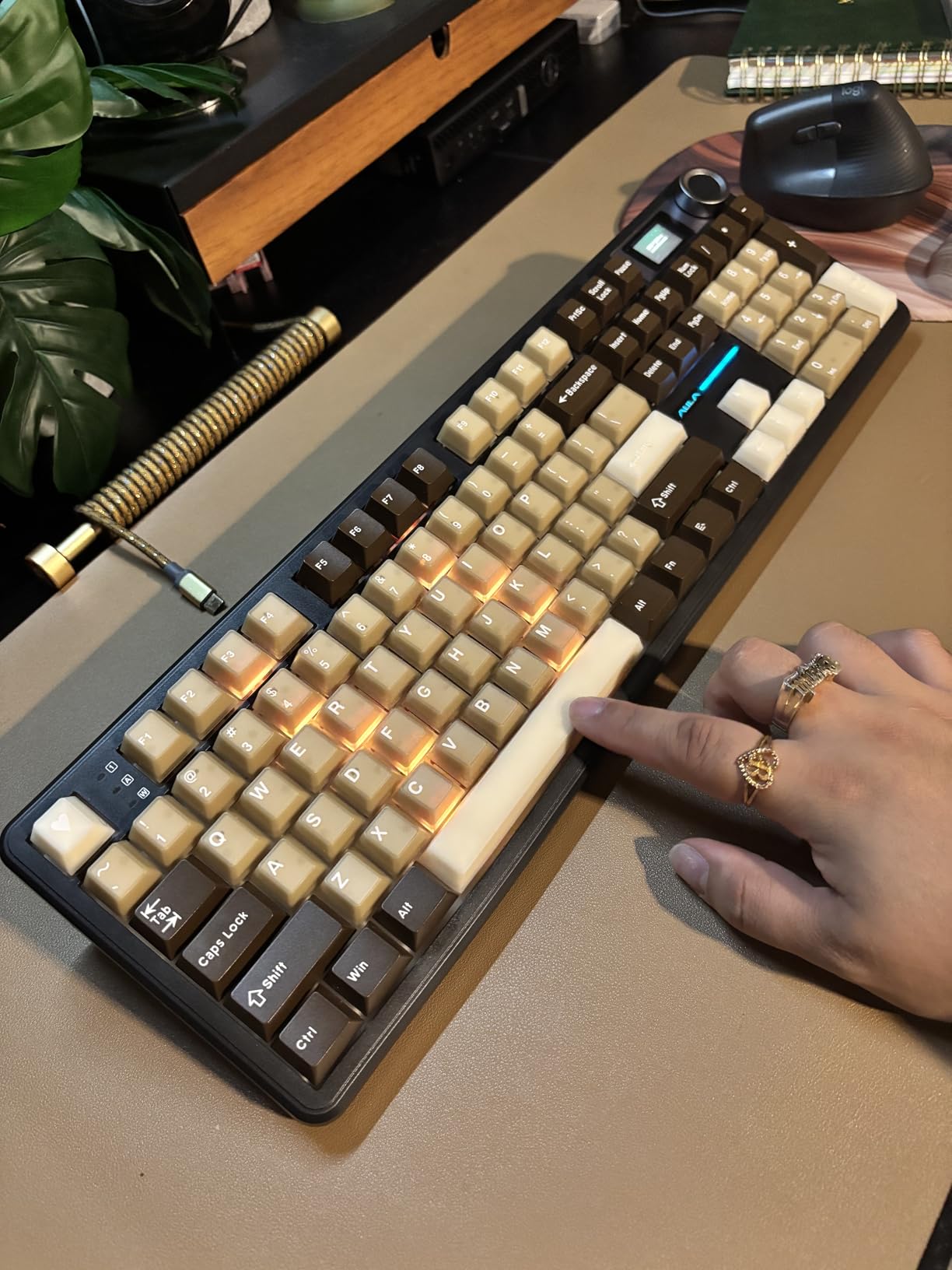
Sound-wise, the F108 PRO delivers the same creamy, thocky profile as the smaller AULA boards. Five layers of internal foam and PCB single-key slotting keep the case from ringing. The pre-lubed linear switches are smooth out of the box, and the hot-swap PCB means you can swap in tactiles or clickies later.
The volume knob is overly sensitive at first and takes some getting used to. The companion software is buggy and ships in Chinese by default, which is annoying. Some users report the space bar and backspace sound a bit hollow, which I also noticed but is not a dealbreaker at this price.
Who this keyboard is good for
Office workers, accountants, and anyone who wants a full-size custom mechanical keyboard with modern features. It is also a great fit for desk setups where the keyboard is the visual anchor.
Who should look elsewhere
If you do not need a numpad, the AULA F75 or EPOMAKER F75 MAX save space and money. Buyers who want a true premium feel should look at the GravaStar Mercury K1.
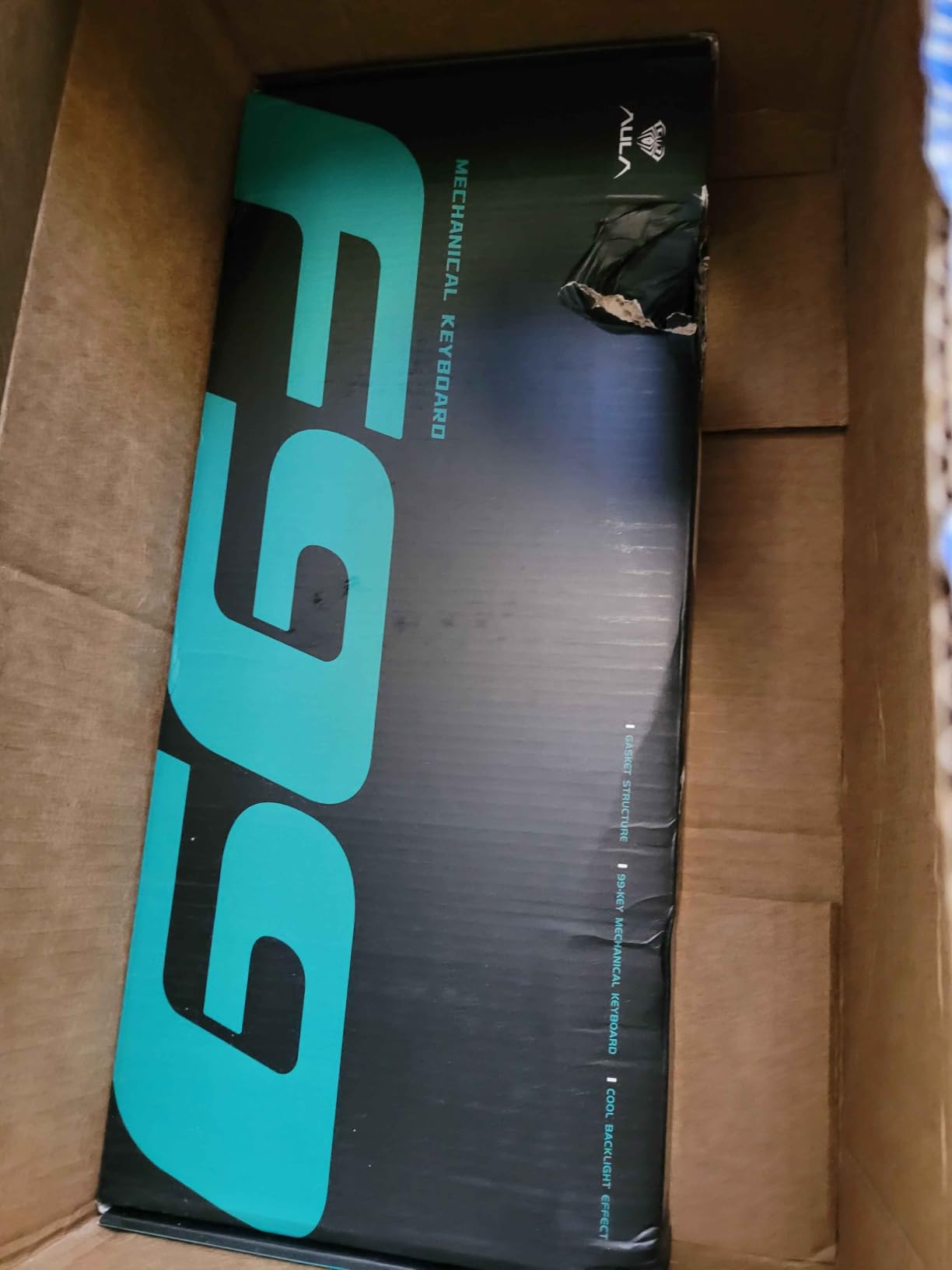
9. x AULA F99 – Best Battery Life
EPOMAKER x Aula F99 Wireless Mechanical Keyboard, Hot Swappable Gasket
96% layout
Tri-mode
8000mAh
FR4 PCB
+ The Good
- Weeks of battery
- Thocky sound
- Tri-mode reliable
- Gasket feel
- Hot-swap
- The Bad
- Side-printed caps
- South-facing LEDs
- No Mac software
The x AULA F99 is the sibling of our top pick, and it edges out the original on battery life. EPOMAKER rates the 8000mAh cell at up to 53 hours with RGB on and 400 hours with RGB off. I clocked about 11 days of mixed use on a single charge, which is the best of any custom mechanical keyboard I tested.
Sound and feel match the original AULA F99 closely: the Graywood V3 pre-lubed linear switches and the five-layer sound-shock absorption system produce a creamy, thocky profile. The FR4 single-key slotted PCB is a nice touch that adds a touch of flex to the typing feel. Tri-mode connectivity is the same reliable Bluetooth, 2.4GHz, and USB-C experience.
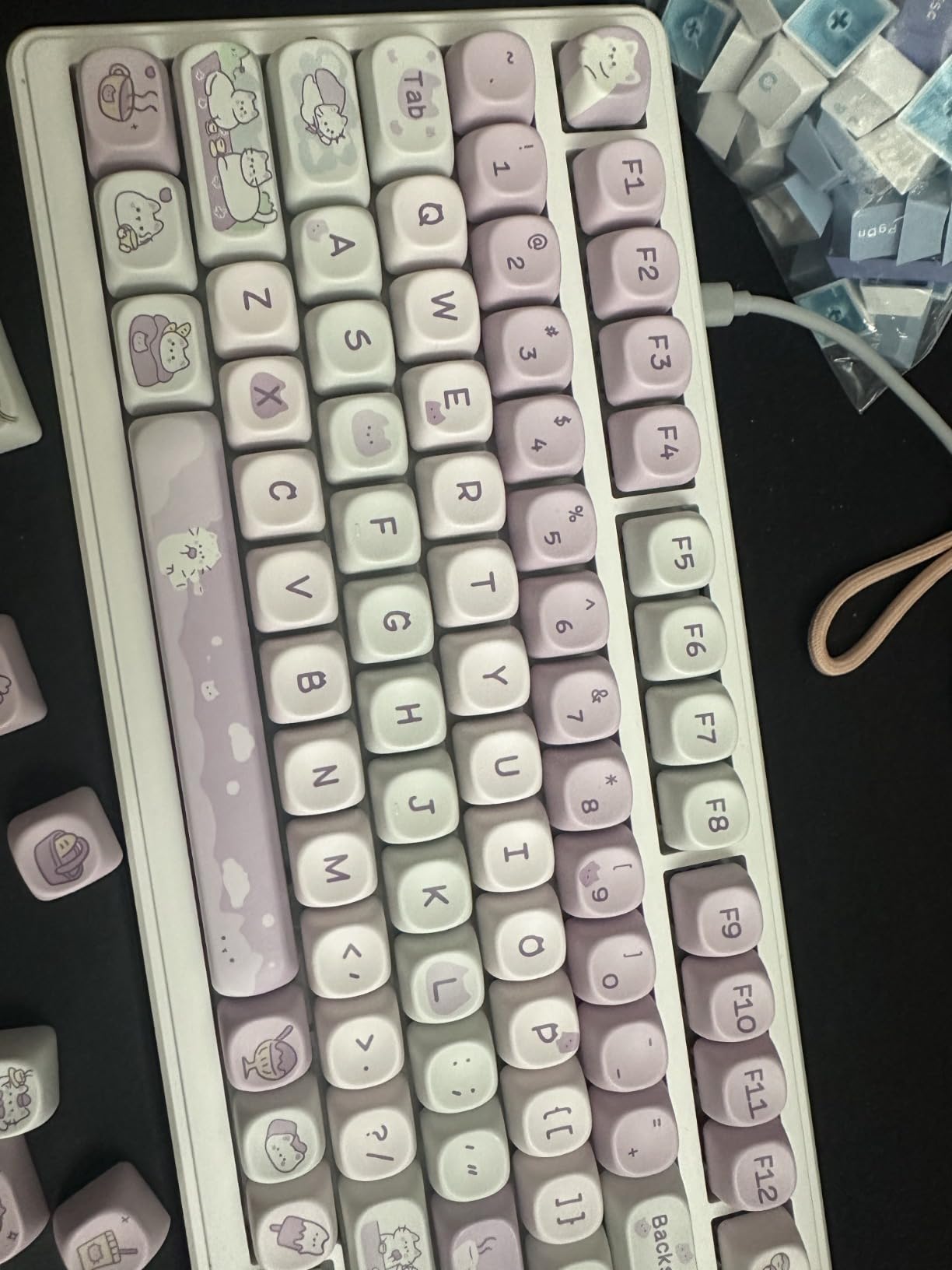
The 96% layout includes a numpad, and the calculator shortcut key is a small but useful addition. The hot-swap PCB supports both 3-pin and 5-pin switches. The dual-tone PBT keycaps look clean but are side-printed, so the legends fade in dim light.
The main trade-offs: south-facing LEDs mean shine-through keycaps will not work, so you are locked into the stock set or side-printed aftermarket caps. The USB-C port is on the left side only, and the software does not have a Mac version. The arrow keys sit very close to the numpad, which can lead to accidental presses.
Who this keyboard is good for
Anyone who needs long battery life in a wireless custom mechanical keyboard, especially people who travel or use the board across multiple devices. It is also a strong fit for minimal-desk setups where charging cables are out of reach.
Who should look elsewhere
Mac users who need the configuration software. Buyers who want shine-through keycaps should look at north-facing LED boards.
10. CIDOO QK75 – Best QMK/VIA Programmable
+ The Good
- QMK/VIA support
- Tri-mode
- Hot-swap
- Translucent case
- Includes spare switches
- The Bad
- Opaque keycaps
- Plastic case
- Knob can be stiff
- VIA setup is technical
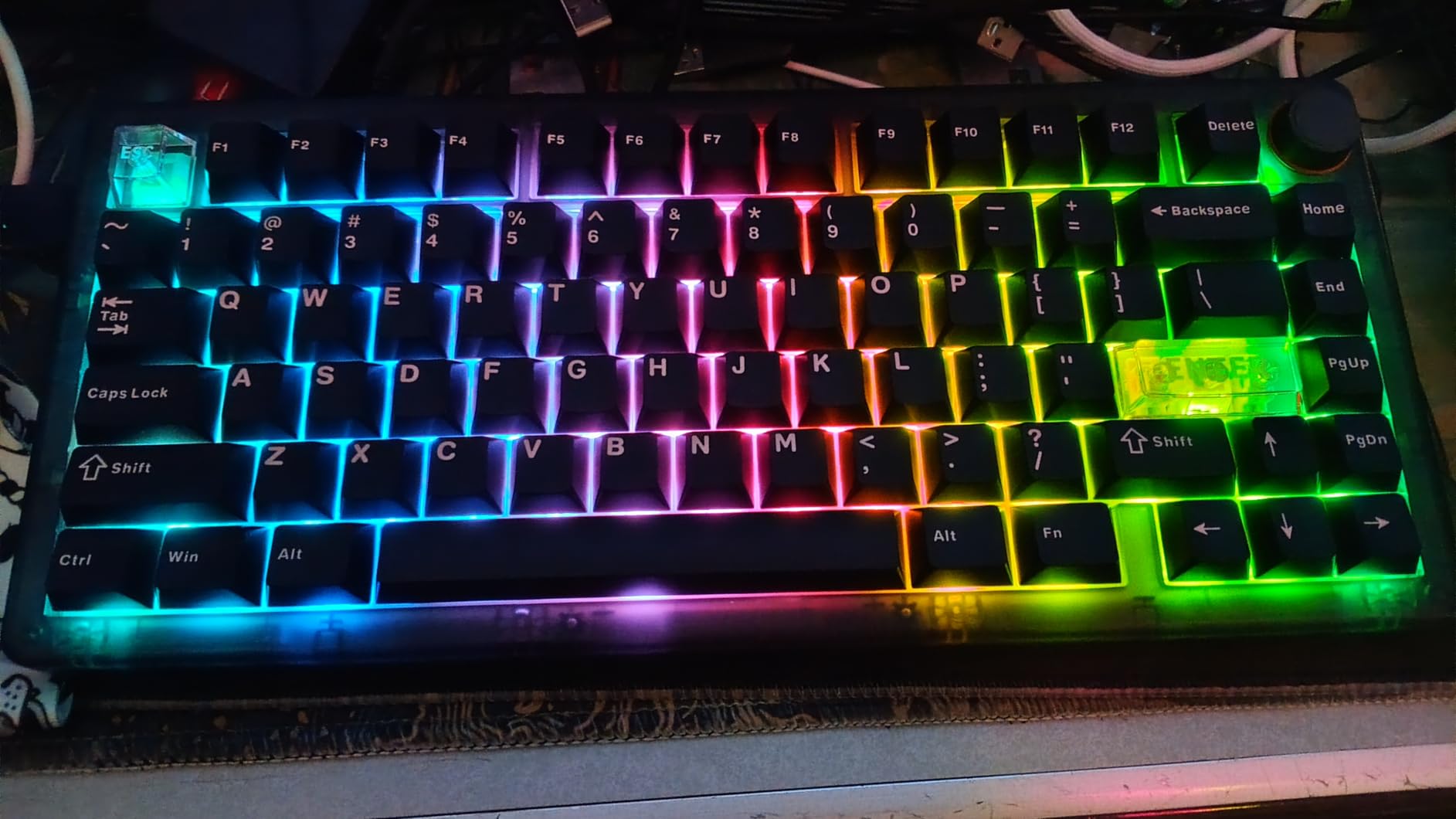
The CIDOO QK75 is the only board in this roundup with full QMK/VIA support, which is the gold standard for custom mechanical keyboard firmware. VIA is a web-based configurator that lets you remap every key, set up layers, and program macros without installing any software. For anyone who wants the deepest level of customization, this is the most accessible option.
At around $45, the QK75 is also a budget-friendly entry point. The translucent smoked case shows off the RGB nicely, the polycarbonate plate gives a softer typing feel than aluminum, and the pre-lubed linear switches are smooth. The hot-swap PCB and tri-mode connectivity complete the package.
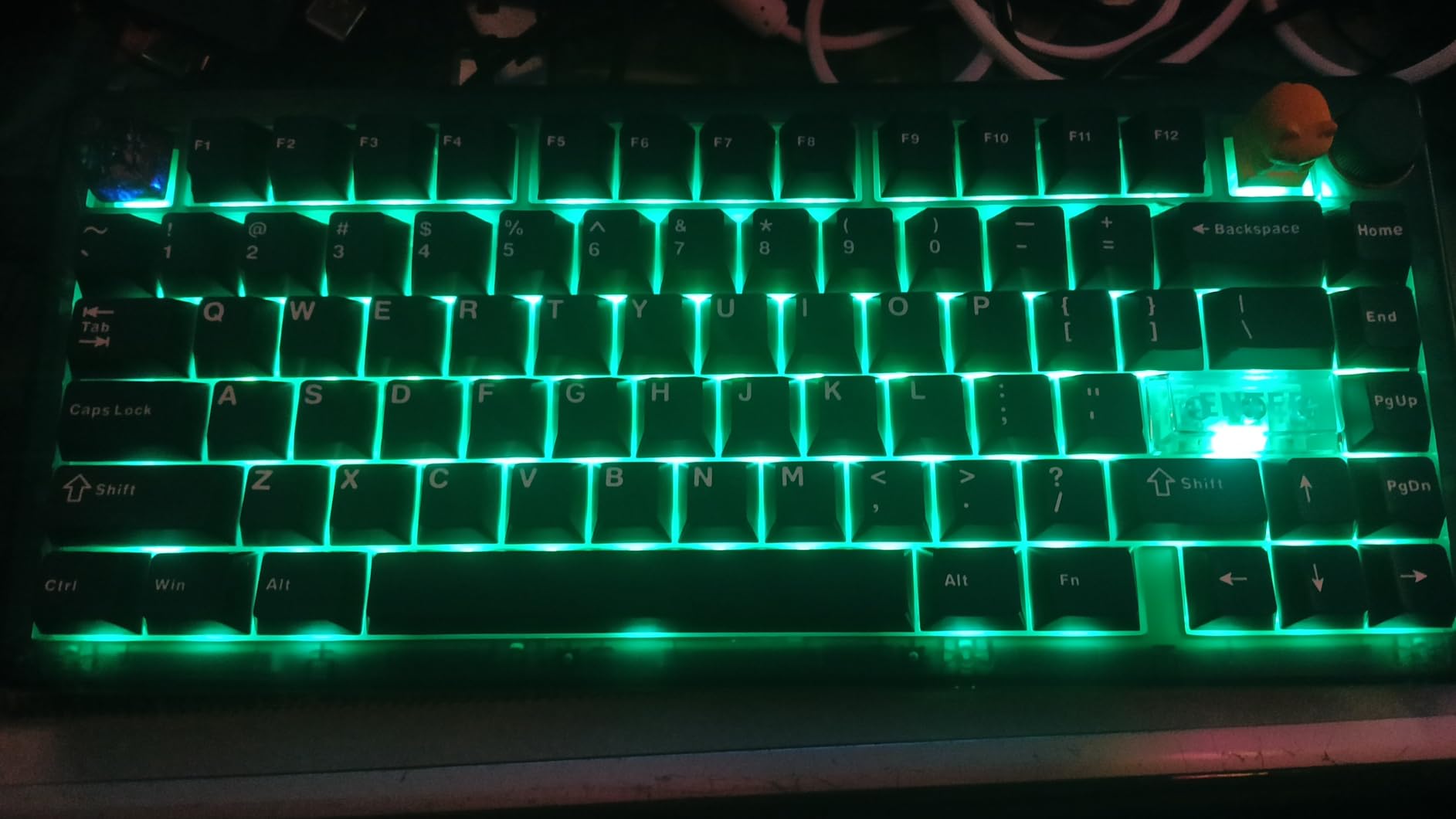
The 4000mAh battery is smaller than the AULA boards but enough for a work week. The volume knob is a nice touch, though it is stiff at first. The 75% layout is compact without losing arrows and the function row, and the spare switches included in the box are a small but appreciated detail.
The trade-offs are real: the keycap legends are opaque, so they are not backlit, which hurts visibility in low light. The plastic case does not feel as premium as aluminum. The VIA setup requires loading a JSON file for first-time configuration, which is a small learning curve. None of these break the deal at $45.
Who this keyboard is good for
Tinkerers and enthusiasts who want QMK/VIA support without paying for a group buy kit. It is also a great gift for someone entering the hobby.
Who should look elsewhere
Users who want plug-and-play with no firmware setup. Buyers who want premium aluminum should look at the GravaStar Mercury K1.
Buying Guide: How to Choose the Best Custom Mechanical Keyboard
A custom mechanical keyboard is a board you build or configure yourself, choosing the layout, case, switches, keycaps, plate, and stabilizers to match your typing and sound preferences. The prebuilt options in this guide give you 80% of the way there with hot-swap PCBs, gasket mounts, and pre-lubed switches, so you can start typing immediately and customize later.
Layout size: 60% vs 65% vs 75% vs TKL vs 96% vs full-size
Layout is the most personal decision in any custom mechanical keyboard. A 60% is the most compact, with no function row, arrows, or numpad. A 65% adds the arrow keys and a column of utility keys. A 75% adds the function row. TKL (tenkeyless) drops the numpad. 96% adds the numpad back in a tight format. Full-size (100%) is the traditional desktop layout with everything.
For most people moving to their first custom mechanical keyboard, a 75% layout is the sweet spot. It keeps the keys you actually use and drops the ones you do not. The AULA F75 and EPOMAKER F75 MAX are both strong 75% picks.
Mount type: gasket vs tray vs top
Mount type is the single biggest factor in typing feel and sound. A gasket mount uses silicone or rubber gaskets between the plate and case, which softens the bottom-out and gives a “bouncy” feel that custom mechanical keyboard enthusiasts prize. A tray mount screws the plate directly to the case, which feels stiffer but is more consistent across builds. A top mount screws the plate from the top of the case, which is rare today but used in some premium boards.
Every board in this roundup uses a gasket mount, which is a major reason the sound profiles are so creamy and thocky out of the box.
Switches: linear, tactile, clicky
Switch type is the next decision. Linear switches (no bump) are smooth top-to-bottom and favored by gamers for fast double-taps. Tactile switches have a small bump partway through the press and are popular with typists for the feedback. Clicky switches add an audible click to the tactile bump, which is satisfying for some and annoying to anyone sitting nearby.
Every board on this list ships with pre-lubed linear switches. If you want tactile or clicky, the hot-swap PCB means you can swap them out without soldering. A starter set of switches costs around $30 for 90 switches.
Hot-swap PCB and why it matters
A hot-swap PCB has sockets for each switch, so you can pull switches out and push new ones in by hand. This is the single biggest reason prebuilt custom mechanical keyboards have become so popular. You can experiment with switch types, replace a broken switch, or upgrade to a quieter set without ever touching a soldering iron.
All ten boards in this roundup have hot-swap PCBs that support both 3-pin and 5-pin switches, which covers the vast majority of aftermarket options.
VIA/QMK: what it is and why you want it
VIA and QMK are open-source firmware for custom mechanical keyboards. QMK runs on the keyboard itself, and VIA is a web-based configurator that talks to it. With VIA you can remap every key, set up multiple layers, and program macros without installing software. It is the gold standard for keyboard customization.
The CIDOO QK75 in this roundup is the only board with full QMK/VIA support out of the box. The other boards use proprietary software that is more limited.
Hall effect / magnetic switches: should you care?
Hall effect (or magnetic) switches use a magnet and sensor instead of physical contacts. The main benefit is adjustable actuation: you can set how far down a key must travel to register, all the way down to a hair-trigger 0.1mm. This is a big deal for competitive gamers. Boards like the Wooting and Keychron Q series use Hall effect. None of the boards in this roundup use Hall effect because the prebuilt custom mechanical keyboard market is still dominated by mechanical switches.
Wireless vs wired: which to pick
Wireless is no longer a compromise. Modern tri-mode custom mechanical keyboards with 2.4GHz wireless hit 1000Hz polling, which is the same as wired for most users. The trade-off is battery life and the small (around 5ms) latency that creeps in over Bluetooth. If you need the absolute lowest latency for competitive gaming, use USB-C or 2.4GHz. For office work and casual gaming, Bluetooth is fine.
Price tiers: under $100, $100-200, $200+
The custom mechanical keyboard market splits into three clear price tiers. Under $100 is the prebuilt budget tier, which is where most of the boards in this roundup live: Womier SK80, Kisnt KN85, AULA F75, AULA F99, EPOMAKER F75 MAX, RK R98 Pro, AULA F108 PRO, x AULA F99, and CIDOO QK75. $100-200 is the mid-range, with aluminum builds and better switches like the GravaStar Mercury K1. $200+ is the premium tier, where you start seeing Hall effect boards and full aluminum cases from QwertyKeys, Keychron Q Pro, and Mode designs.
Beginner shopping checklist: what else you need
A custom mechanical keyboard is more than just the board. Plan on spending an extra $50-150 on switches, keycaps, and basic tools. A starter set of aftermarket switches is around $30 for 90 switches. A good set of PBT keycaps runs $40-100. A switch puller and keycap puller cost about $10 together. Optional: a small bottle of Krytox 205g0 lube ($15) for tuning stabilizers, and a foam mod kit ($10) if you want to push the sound further.
Where to buy custom mechanical keyboards
The boards in this roundup are all available on Amazon with Prime shipping. For group buys and more boutique kits, trusted vendors include KBDfans, Divinikey, NovelKeys, Cannonkeys, and the official shops of brands like QwertyKeys, Chilkey, and GravaStar. Mechlands and mechanicalkeyboards.com are also long-running community-trusted stores.
Frequently Asked Questions
What is the best custom mechanical keyboard?
The best custom mechanical keyboard overall is the AULA F99 at around $69, a 96% wireless board with a gasket mount, hot-swap PCB, and 8000mAh battery. It delivers a creamy, thocky sound and tri-mode connectivity that punches well above its price.
How much does a good custom keyboard cost?
A good prebuilt custom mechanical keyboard costs between $50 and $150. Budget picks like the Womier SK80 and Kisnt KN85 start around $50. The sweet spot is $70-100 for boards like the AULA F99, AULA F75, and EPOMAKER F75 MAX. Premium options like the GravaStar Mercury K1 run $130-200. Plan an extra $50-150 for switches and keycaps.
What company makes the best mechanical keyboards?
The best custom mechanical keyboard brands in 2026 are AULA, EPOMAKER, GravaStar, CIDOO, Womier, Kisnt, and RK ROYAL KLUDGE. For premium group-buy kits, QwertyKeys, Keychron, KBDfans, Chilkey, and Mode Designs lead the enthusiast market. Each brand has a different strength: AULA for value, GravaStar for premium aluminum, and CIDOO for QMK/VIA support.
Where can I find the best custom keyboards?
The best custom mechanical keyboards are available on Amazon for prebuilt options like the ones in this guide. For boutique kits and group buys, trusted vendors include KBDfans, Divinikey, NovelKeys, Cannonkeys, and brand-direct shops like QwertyKeys and Chilkey. Mechanicalkeyboards.com is a long-running community-trusted catalog with thousands of parts.
What is the best prebuilt mechanical keyboard?
The best prebuilt custom mechanical keyboard is the AULA F99 at around $69. It ships ready to use with pre-lubed linear switches, a gasket mount, and tri-mode wireless connectivity. The hot-swap PCB means you can customize switches later without soldering. For a tighter budget, the Kisnt KN85 at $49 and AULA F75 at $66 are also strong prebuilt picks.
What is a 96% keyboard missing?
A 96% keyboard has all 98-108 keys including the function row, arrows, and full numpad, but in a more compact layout than a traditional full-size. The keys a 96% typically drops are the dedicated home, end, page up, and page down cluster, which are usually doubled up on the numpad or function row. The AULA F99 and RK R98 Pro in this roundup are 96% layouts.
Final Verdict: Which Custom Mechanical Keyboard Should You Buy?
There is no single perfect custom mechanical keyboard, and that is exactly why the hobby is so much fun. After testing all ten boards, my top three are the AULA F99 for the best overall package, the AULA F75 for the best value, and the GravaStar Mercury K1 for the best premium build.
If you are new to custom mechanical keyboards, start with the AULA F75 or Kisnt KN85. Both are under $70, both have hot-swap PCBs and gasket mounts, and both let you learn what you like before spending more. The AULA F99 is the upgrade pick once you know your switch preferences. Use the buying guide above to match layout, mount, and features to your desk and your hands, and you will end up with a custom mechanical keyboard you actually want to type on for years.