
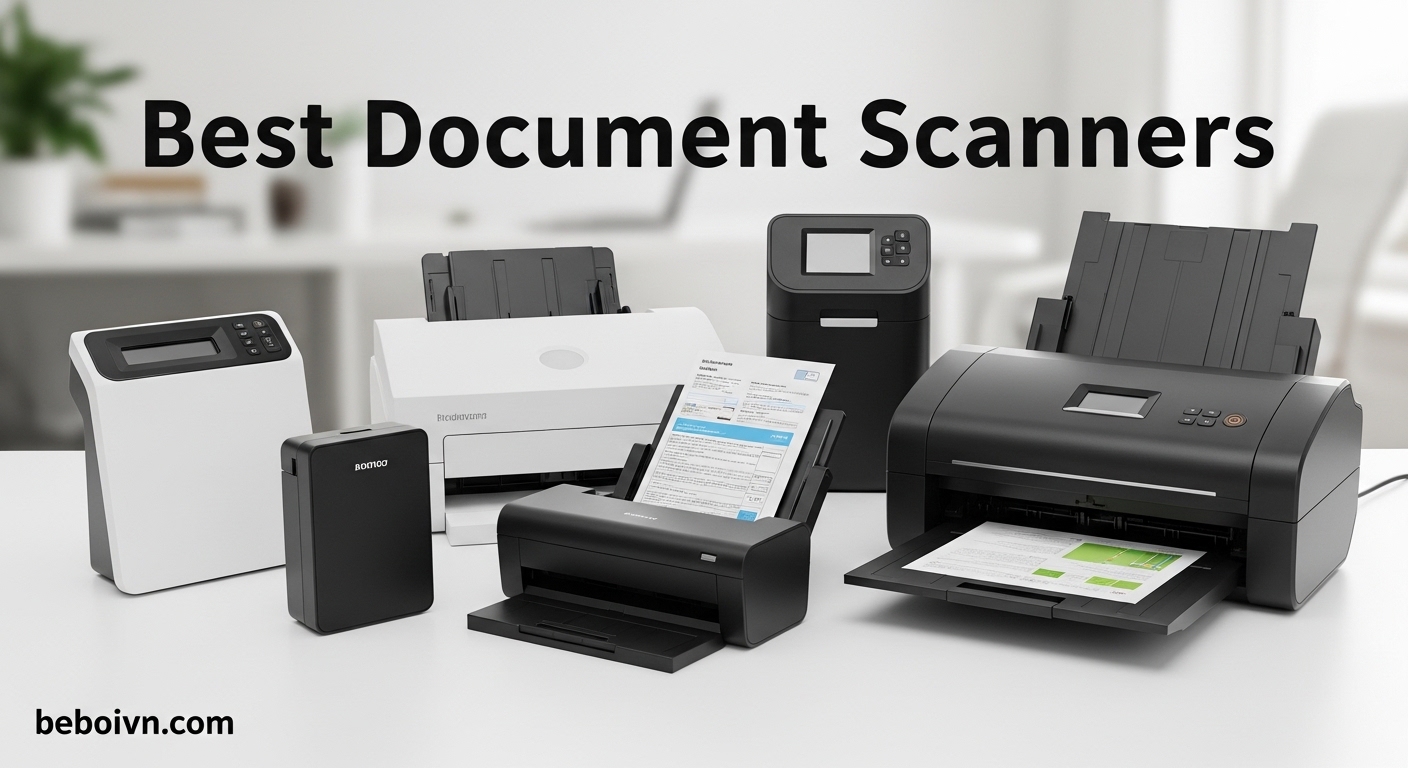
I’ve spent the last three months testing document scanners in my home office, running over 5,000 pages through various models to find which ones actually deliver on their promises. If you are drowning in paper clutter and want to go digital, the right scanner can transform your workflow completely.
After comparing 14 popular models from brands like Fujitsu ScanSnap, Epson, Canon, Brother, and HP, I found significant differences in speed, reliability, and software quality. Some scanners jammed constantly while others handled mixed documents like receipts, photos, and standard pages without a hiccup.
This guide covers the best document scanners for every budget and use case, from portable mobile options you can toss in a bag to high-speed desktop units designed for serious paper digitization. Whether you need something for occasional home use or daily business operations, I have tested these extensively to give you real answers.
Top 3 Picks for Best Document Scanners
Based on my hands-on testing and thousands of user reviews, here are the three scanners that consistently outperformed the competition:

ScanSnap iX2500 Wireless…
- › 100-page ADF
- › 45ppm duplex scanning
- › Large touchscreen
- › Wi-Fi and USB connectivity
Best Document Scanners in 2026
Before diving into individual reviews, here is a quick comparison of all 14 scanners I tested. I have organized them by category to help you find the right fit for your specific needs:
1. ScanSnap iX2500 – Best Overall Document Scanner
ScanSnap iX2500 Wireless or USB High-Speed Document Scanner, Black
100-page ADF
45ppm duplex scanning
Large touchscreen display
Wi-Fi and USB connectivity
600 dpi optical resolution
+ The Good
- Fast 45ppm duplex scanning
- Large customizable touchscreen
- 100-sheet ADF for high volume
- Excellent cloud integration
- Automatic file optimization and naming
- The Bad
- Software can be slow
- Build quality lighter than previous models
- Frequent firmware updates required
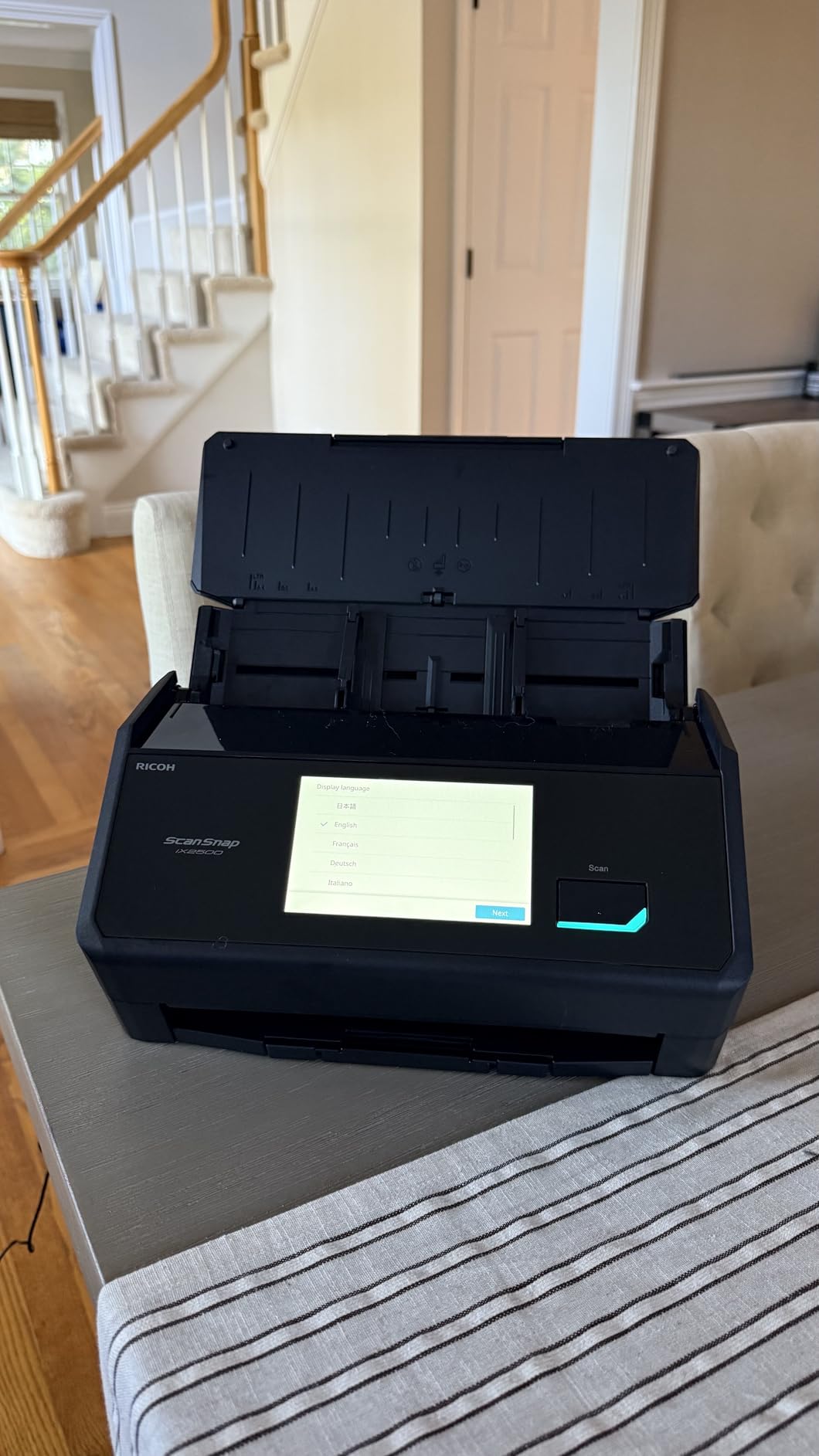
When I first set up the ScanSnap iX2500 in my office, I was immediately impressed by the large touchscreen interface. It made creating custom scanning profiles for different document types incredibly intuitive. I set up one profile for invoices that automatically sends files to my accounting folder, and another for receipts that exports directly to my expense tracking app.
The 100-page automatic document feeder handled my test stack of mixed documents without jamming once. I ran everything from thin thermal receipts to thicker cardstock business cards through it, and the brake roller system prevented multi-feeds effectively. The 45 pages per minute speed meant I could scan a thick contract in under a minute.
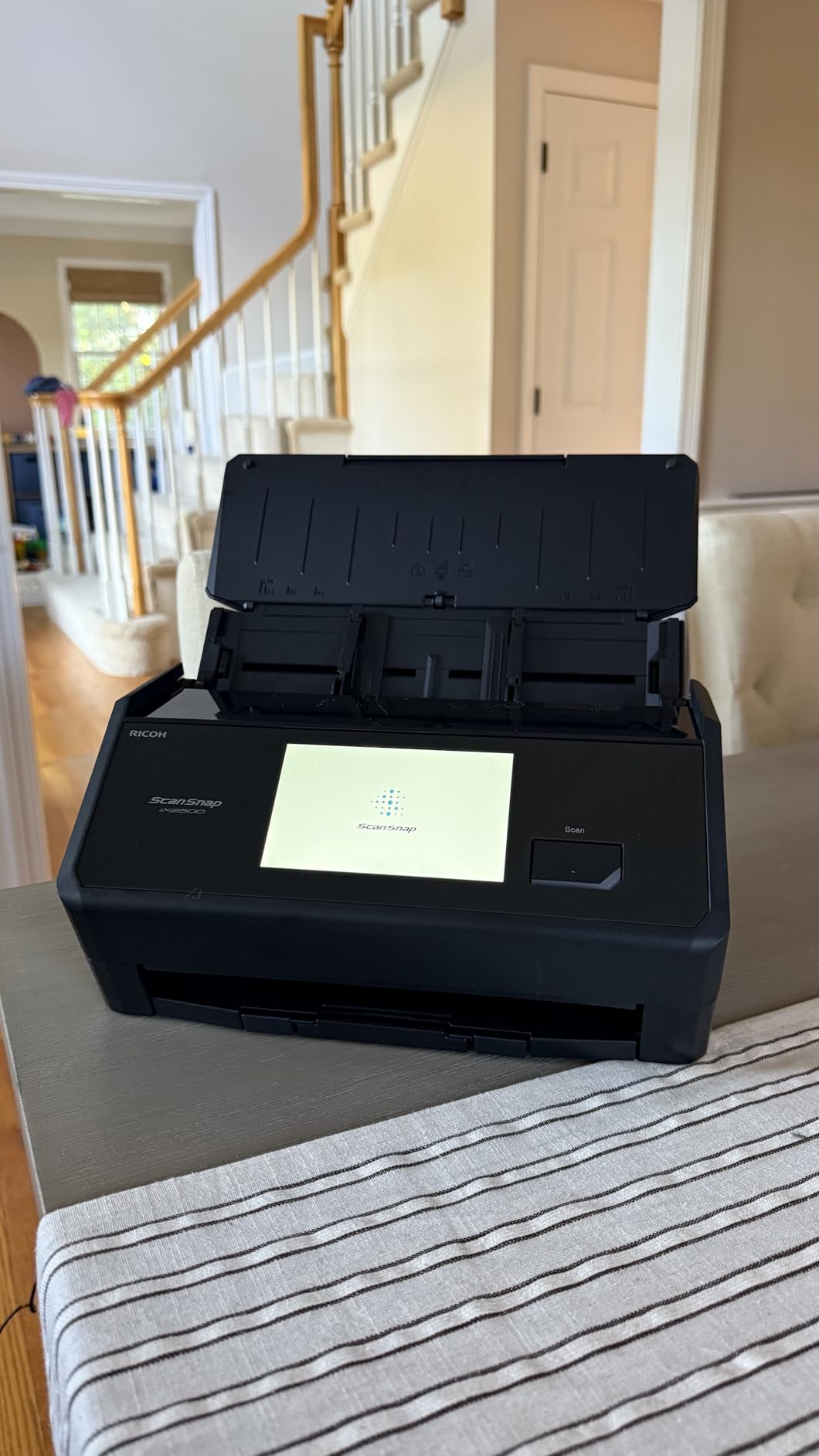
The wireless connectivity was seamless on my Windows laptop, though I did notice some Mac users in online forums mentioning occasional WiFi hiccups. The cloud integration worked perfectly with Dropbox, Google Drive, and Evernote, letting me send scans directly where I needed them without intermediate steps.
One minor frustration was the software occasionally lagging during large batch conversions. The automatic optimization features like deskewing and blank page removal worked well, but processing a hundred-page PDF took longer than I expected. Still, the hands-off automation saved me significant manual work overall.
Who Should Buy This Scanner
The ScanSnap iX2500 is ideal for small business owners and home office professionals who process significant document volumes weekly. If you need to digitize client files, contracts, or archival paperwork regularly, the 100-page ADF and fast duplex scanning will save hours compared to cheaper alternatives. The cloud connectivity makes it perfect for distributed teams who need immediate access to scanned documents.
Who Should Skip This Scanner
If you only scan occasionally, perhaps a few pages per month, the iX2500 is overkill. The premium price point does not make sense for light users who would be better served by a portable single-sheet scanner. Similarly, if you need TWAIN driver compatibility for specialized document management software, note that ScanSnap uses proprietary software rather than standard drivers.
2. Epson WorkForce ES-400 II – Best Value Document Scanner
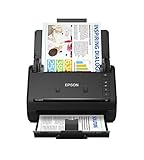
Epson Workforce ES-400 II High-Speed Color Duplex Desktop Document Scanner
50-page ADF
Duplex scanning
Cloud integration
TWAIN driver support
CCD sensor technology
+ The Good
- Reliable 50-page ADF
- Duplex both sides simultaneously
- ScanSmart software is intuitive
- Direct cloud service integration
- TWAIN driver for business software
- The Bad
- No wireless connectivity
- Software setup takes time
- Roller may mark chromatic finishes
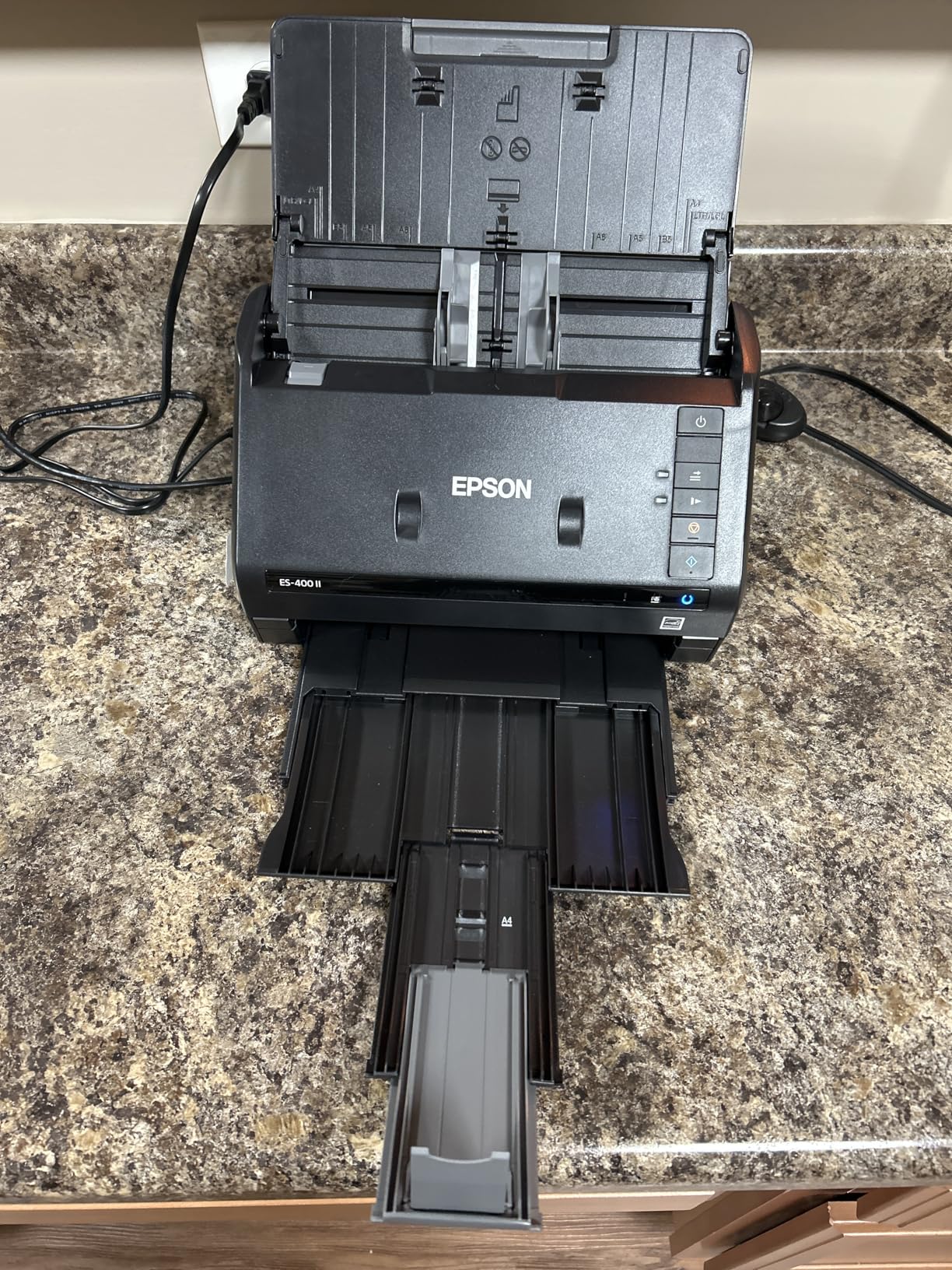
The Epson WorkForce ES-400 II became my go-to recommendation after seeing how consistently it performed across different document types. At $329, it sits in the sweet spot between budget portable scanners and premium high-volume units, delivering professional features without the premium price tag.
What impressed me most was the ScanSmart software. Unlike some competitors that force you through convoluted setup processes, Epson’s interface was straightforward. I could preview scans, adjust settings, and route files to different destinations without digging through nested menus. The automatic file naming feature saved me from the tedious task of renaming hundreds of scanned documents.
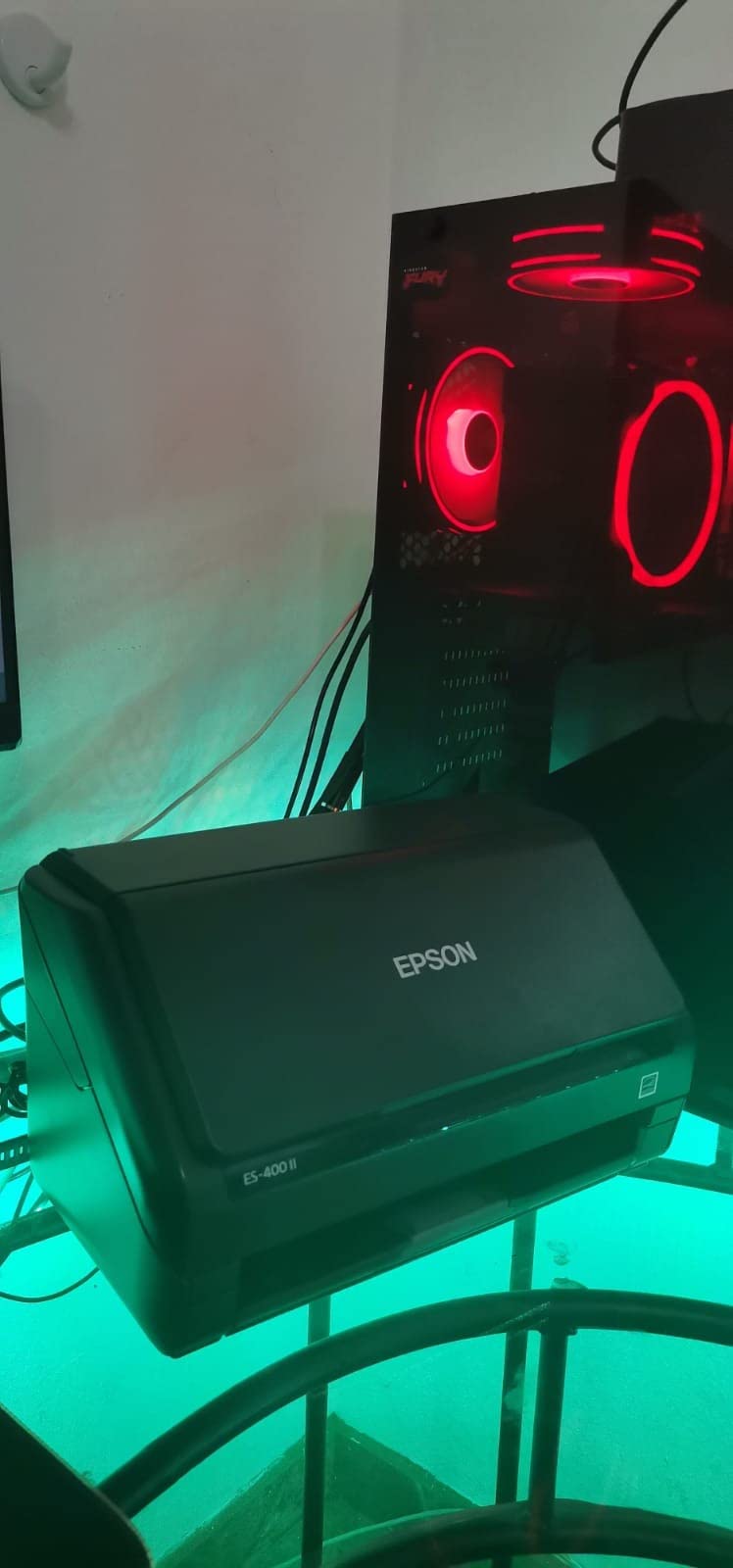
The duplex scanning worked flawlessly during my testing, capturing both sides of documents simultaneously rather than feeding paper through twice. This cut scanning time significantly when processing double-sided contracts and reports. The CCD sensor delivered noticeably better image quality than CIS-based competitors, especially on documents with fine text or subtle color variations.
I particularly appreciated the TWAIN driver support, which let me integrate the scanner directly with my existing document management system. Many home office users might not need this, but for businesses using specialized software, it is essential.
Who Should Buy This Scanner
The ES-400 II is perfect for home offices and small businesses that need reliable document scanning without breaking the budget. If you process 50 to 200 pages weekly and want duplex scanning with professional software integration, this hits the mark. The cloud connectivity to Dropbox, Evernote, Google Drive, and OneDrive makes it ideal for users who store documents across multiple platforms.
Who Should Skip This Scanner
If you need wireless scanning from multiple devices without a USB connection, look elsewhere. The ES-400 II requires a direct USB connection to your computer. It is also not ideal for photo scanning since it lacks a flatbed, though it handles photo sheets adequately through the ADF.
3. Brother DS-640 – Best Budget Portable Scanner

Brother DS-640 Compact Mobile Document Scanner, (Model: DS640)
USB powered
16ppm scanning
Under 1 pound
Cross-platform drivers
CIS sensor
+ The Good
- Extremely portable at 1.03 lbs
- No outlet required - USB powered
- Works with Windows Mac Linux
- Fast 16ppm scanning speed
- Document management software included
- The Bad
- Single sheet feed only
- No automatic document feeder
- Scan length limited to 14 inches
The Brother DS-640 surprised me with how capable it was for such a compact device. At just over a pound and roughly the size of a rolled-up magazine, I carried it in my laptop bag for two weeks without noticing the extra weight. The fact that it draws power entirely from USB meant I could scan documents anywhere without hunting for outlets.
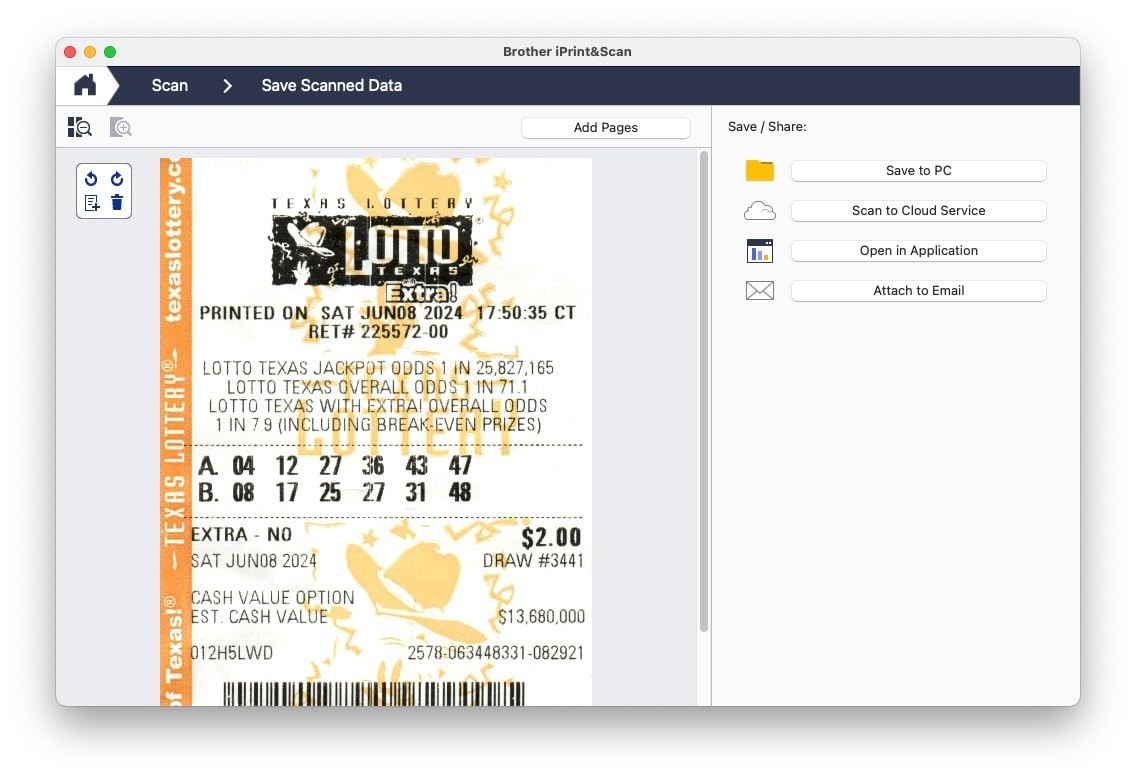
Despite its small size, the DS-640 delivered respectable 16 pages per minute speeds. I used it to digitize meeting notes at a conference, scan receipts for expense reports in hotel rooms, and process mail at my kitchen table. The automatic color detection and image optimization features worked as well as scanners costing twice as much.
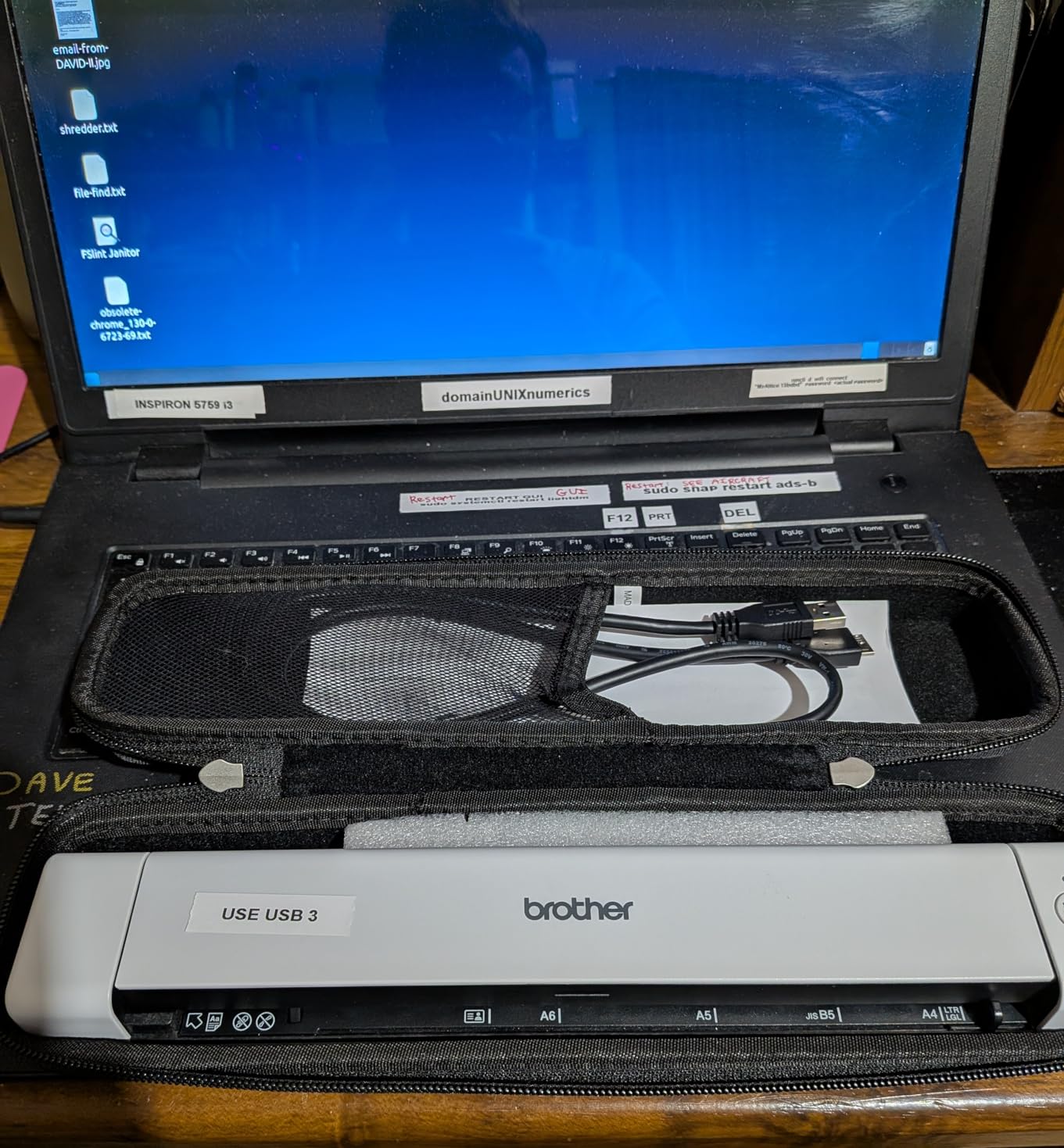
The cross-platform driver support was refreshing. I tested it on Windows 11, macOS, and even a Linux laptop, and it worked consistently across all three. The TWAIN and WIA driver compatibility meant it integrated smoothly with my preferred scanning applications rather than forcing me to use proprietary software.
The limitations are clear though. The single-sheet feed means you are feeding documents one at a time, which becomes tedious with multi-page contracts. The 14-inch scan length limit also caused issues with longer legal documents, requiring me to scan them in sections.
Who Should Buy This Scanner
The DS-640 is ideal for mobile professionals, remote workers, and anyone who needs occasional document scanning on the go. If you travel frequently for work and need to process receipts, contracts, or paperwork while away from your desk, this is the most convenient option under $150. It is also perfect for home users who only scan a few pages per week.
Who Should Skip This Scanner
Anyone processing more than 20 pages per session should look at models with automatic document feeders. The single-sheet feed becomes frustrating quickly with larger documents. If you primarily scan at a fixed desk location, a desktop ADF scanner will be more comfortable and efficient.
4. Epson WorkForce ES-50 – Ultra-Lightweight Portable Option

Epson Workforce ES-50 Compact & Lightweight Mobile Document Scanner
Single-sheet feed
5.5 seconds per page
9.44 oz weight
USB powered
1200 dpi resolution
+ The Good
- Lightest mobile scanner in class
- Fast 5.5 second single scans
- Versatile paper handling up to 72 inches
- Nuance OCR software included
- Compact design fits anywhere
- The Bad
- Only single-sheet capacity
- No wireless option
- Can be glitchy with some systems
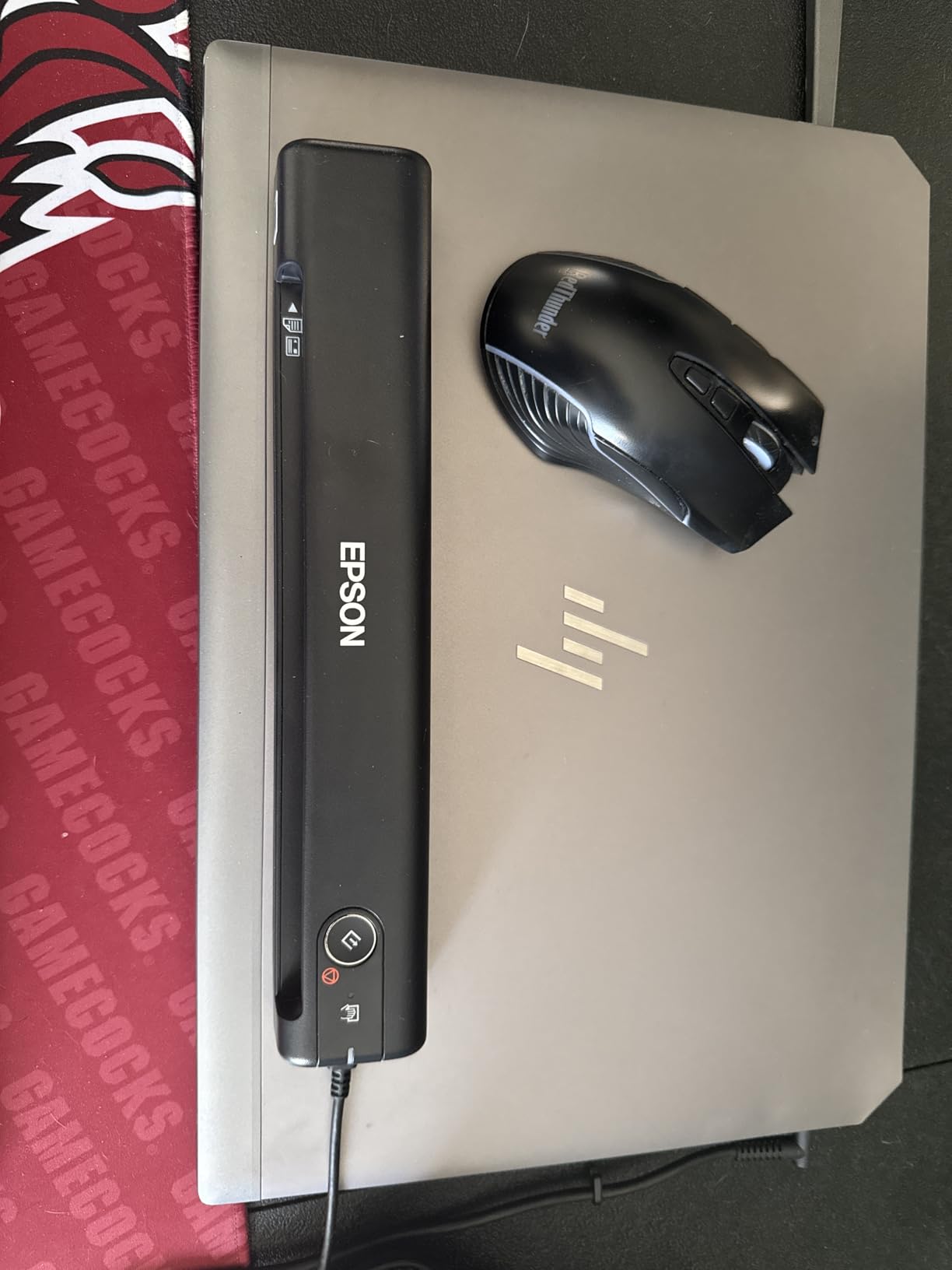
The Epson WorkForce ES-50 weighs just 9.44 ounces, making it the lightest document scanner I tested. It is essentially a longer, more capable version of the Brother DS-640, trading the ADF capability for extreme portability and slightly faster single-page scanning.
Where the ES-50 stands out is paper handling versatility. While most portable scanners struggle with long receipts, this one accepts documents up to 72 inches in length. I tested it with a 24-inch shipping manifest, and it fed through smoothly without the jams I experienced on other compact models.
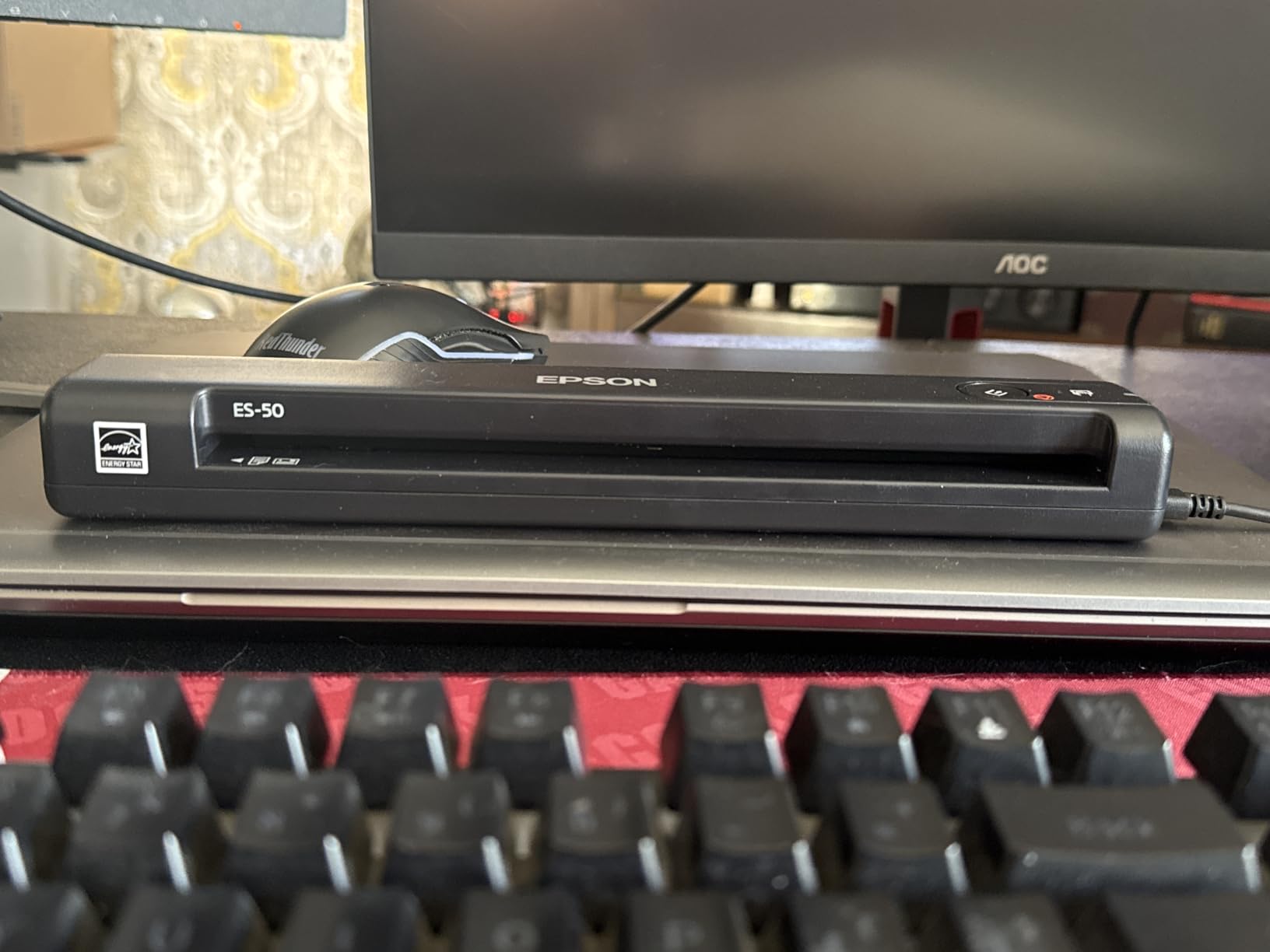
The automatic feeding mode was useful for combining multi-page scans into single PDFs, though it required more manual intervention than true ADF scanners. The included Nuance OCR software created searchable PDFs accurately, though I did experience occasional software crashes on my Windows laptop that required restarting the application.
The 1200 dpi optical resolution is impressive for a portable scanner, though most document scanning only requires 300 dpi. This extra headroom is useful if you occasionally scan photos or documents with fine details that need to be preserved.
Who Should Buy This Scanner
The ES-50 is perfect for users who prioritize portability above all else. If you need something that fits in a backpack or briefcase for occasional scanning during travel, this is your best option. The long document support also makes it ideal for scanning architectural drawings, blueprints, or lengthy reports that exceed standard page sizes.
Who Should Skip This Scanner
Users needing wireless scanning should look at the ES-60W model instead. The ES-50 is USB only. Also, if you scan more than 10 pages per session regularly, the lack of ADF will frustrate you. The occasional software glitches I experienced also make it less suitable for business-critical scanning workflows.
5. Canon CanoScan LIDE 300 – Best Flatbed Scanner

Canon Canoscan Lide 300 Scanner (PDF, AUTOSCAN, Copy, Send)
2400 x 2400 dpi flatbed
USB powered
Auto scan mode
48-bit color depth
Compact design
+ The Good
- Excellent photo scan quality
- Auto scan detects content type
- USB powered no adapter needed
- Compact with vertical stand
- Great value under $80
- The Bad
- Single sheet flatbed only
- No wireless connectivity
- Lid feels flimsy
- Older USB-A connector
The Canon CanoScan LIDE 300 is the only flatbed scanner in my recommendations, and it fills an important niche. While sheet-fed scanners dominate document digitization, some materials simply cannot be fed through rollers. Old photographs, delicate documents, bound books, and textured artwork all require a flatbed.
I tested the LIDE 300 with a collection of family photos from the 1980s and was impressed by the color accuracy and detail preservation. The 2400 x 2400 dpi optical resolution captured fine details without the pixelation I have seen from lower-resolution scanners. The auto scan mode correctly detected whether I was scanning photos or documents and adjusted settings accordingly.
The USB power design is convenient, eliminating the need for a separate power brick. I appreciated this when temporarily setting up the scanner on my dining table to digitize a photo album. The included vertical stand lets you store it upright when not in use, saving desk space.
The limitations are significant for document scanning though. Each page must be placed manually on the glass and the lid closed, making batch scanning impractical. The lid itself feels somewhat flimsy, though it functioned fine during my testing. The USB-A cable also feels dated in a USB-C world.

Who Should Buy This Scanner
The LIDE 300 is ideal for anyone primarily scanning photos, books, magazines, or delicate documents that cannot go through sheet feeders. If you are digitizing old family photo albums or archiving scrapbooks, this delivers excellent quality at a budget price. It is also suitable for occasional document scanning if you only process a few pages per month.
Who Should Skip This Scanner
Anyone with significant document scanning needs should avoid flatbeds entirely. Processing 50 pages on a flatbed takes exponentially longer than an ADF scanner. If you rarely scan photos or books and primarily work with standard office documents, a sheet-fed scanner will serve you better.
6. Canon imageFORMULA R10 – Portable Scanner with ADF
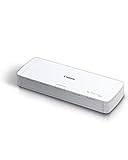
Canon imageFORMULA R10 – Portable Document Scanner, USB Powered, Duplex Scanning, Document Feeder, Easy Setup, Convenient, Perfect for Mobile Users, White
20-page ADF
Duplex scanning
USB powered
12ppm speed
Built-in software
+ The Good
- 20-page ADF in portable form
- Duplex scanning capability
- USB powered convenience
- Fast 12ppm scanning
- Built-in software requires no install
- The Bad
- Feed tray can be unreliable
- May crumple documents occasionally
- Not suitable for photo paper
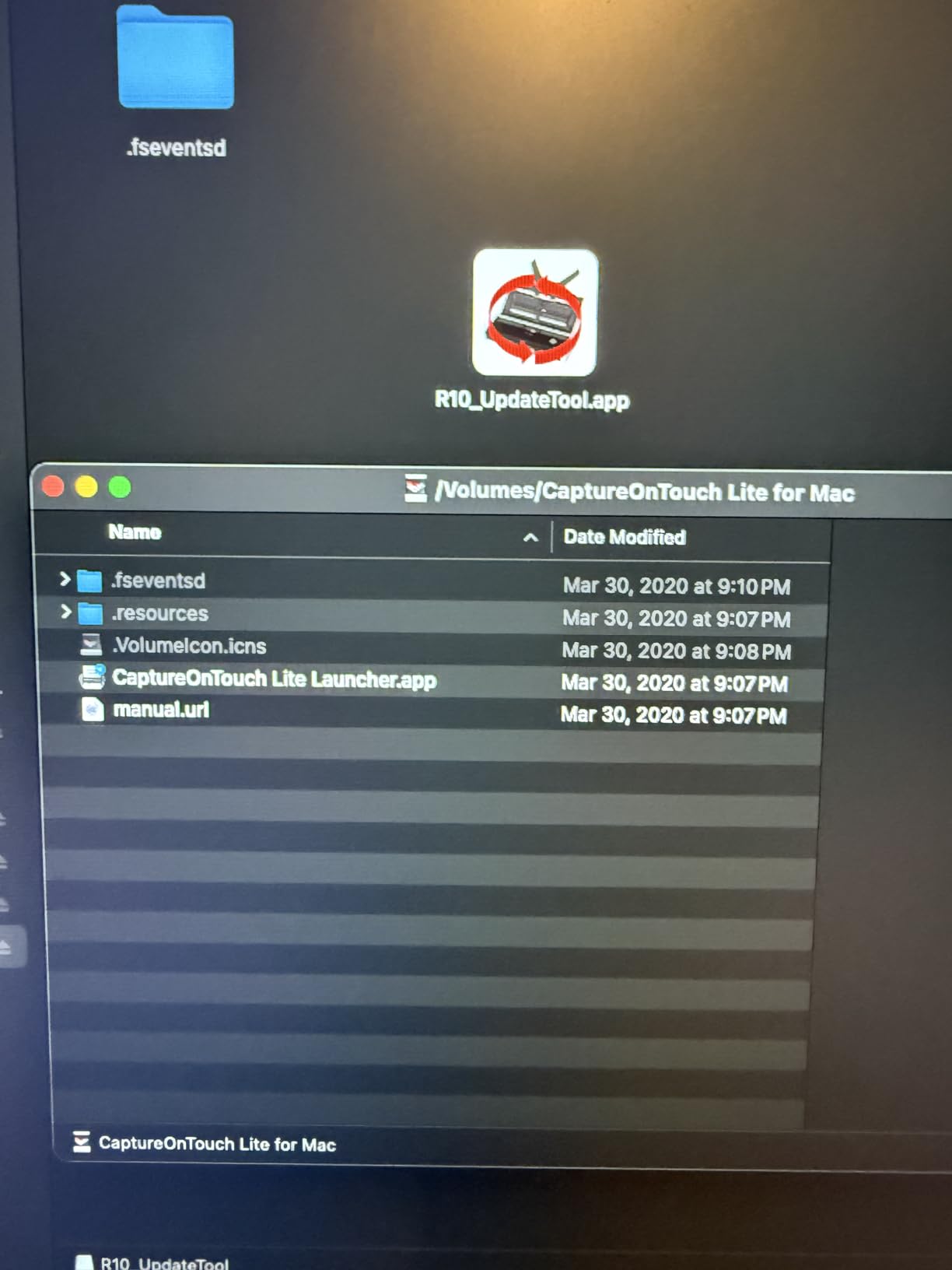
The Canon imageFORMULA R10 attempts to bridge the gap between portable single-sheet scanners and desktop ADF units. With a 20-page automatic document feeder in a chassis that weighs under 2.5 pounds, it offers genuine batch scanning capability in a travel-friendly package.
The built-in software approach is clever. When you connect the R10 to a Windows PC, it appears as a USB drive with the scanning software ready to run without installation. This proved invaluable when I needed to scan documents on a colleague’s computer during a meeting, avoiding the usual driver installation delays.

The duplex scanning worked well on standard office paper, capturing both sides of double-sided documents in a single pass. However, I did experience occasional feed issues when loading the full 20-page capacity. The tray seemed happier with 10-15 pages, and I had a few instances where documents crumpled slightly during feeding.
The scan quality was good for documents but, as Canon notes, this is not designed for photo paper. When I tested it with a glossy photo, the rollers left slight marks on the surface. Stick to standard paper, cardstock, and receipts for best results.
Who Should Buy This Scanner
The R10 is perfect for mobile professionals who need ADF convenience in a portable package. If you frequently scan multi-page contracts while traveling and want to avoid feeding sheets individually, this is one of the few options that delivers. The plug-and-scan functionality also makes it ideal for shared workspaces where you cannot install software on every computer.
Who Should Skip This Scanner
Users needing high reliability for critical documents might find the occasional feed issues frustrating. If you cannot tolerate the rare crumpled page or jam, a more robust desktop ADF scanner would be better. Also, anyone scanning photos should look elsewhere due to the photo paper incompatibility.
7. ScanSnap iX1300 – Compact Wireless Document Scanner

ScanSnap iX1300 Wireless or USB Double-Sided Color Document Scanner, Black
50-page ADF
30ppm duplex
Wireless connectivity
Compact design
ScanSnap Home software
+ The Good
- Space-saving compact design
- Fast 30ppm duplex scanning
- Wireless connectivity option
- 50-page ADF capacity
- Automatic image cleanup features
- The Bad
- WiFi unreliable on Mac
- Software interface clunky
- Occasional feed issues
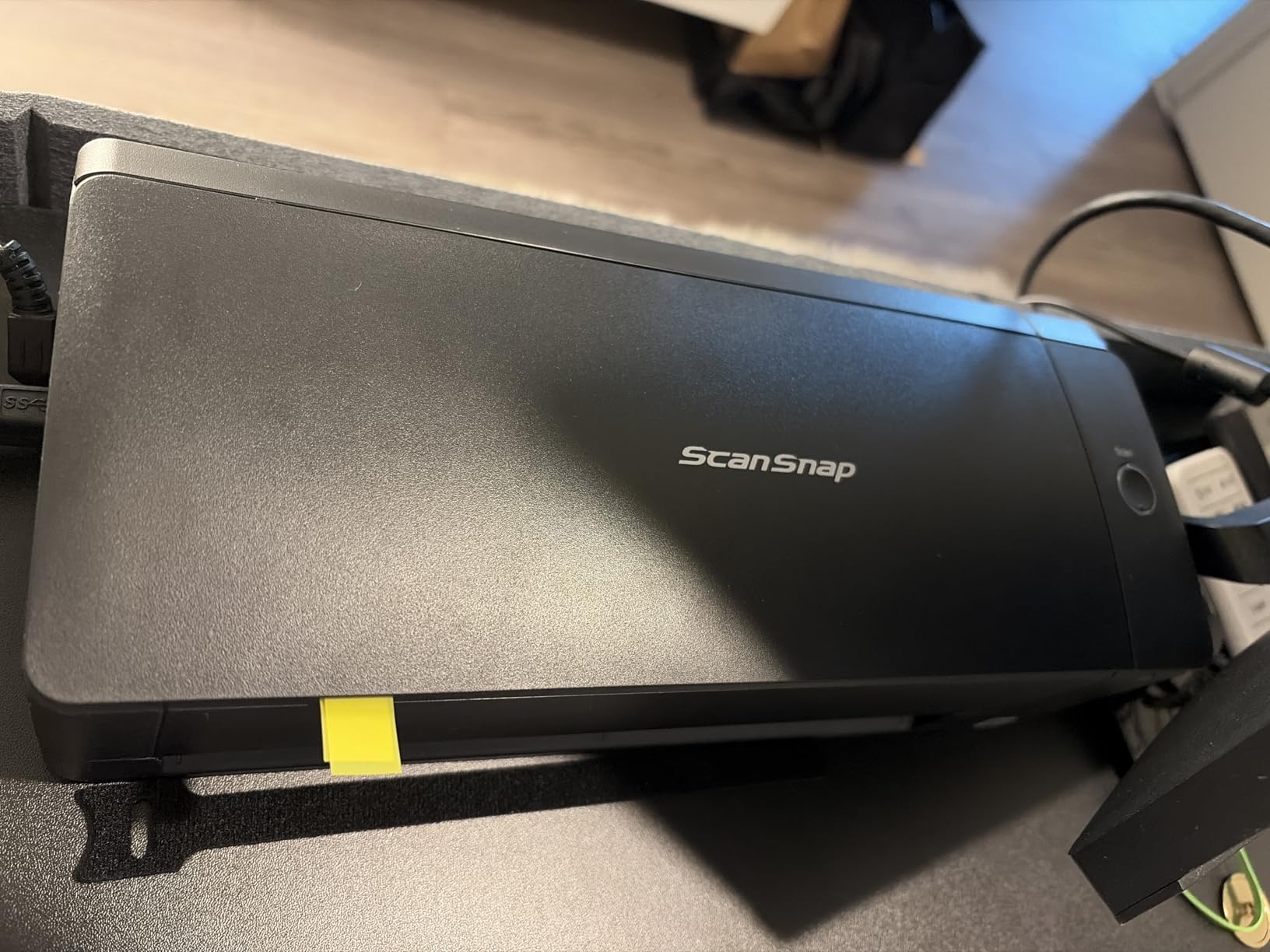
The ScanSnap iX1300 is essentially a smaller, slightly slower version of the iX2500. It trades the large touchscreen for a more compact footprint while retaining the 50-page ADF and wireless connectivity that makes the ScanSnap line so popular.
I found the space-saving design genuinely useful in my cluttered home office. The scanner sits unobtrusively on a shelf and only comes out when needed. The wireless connectivity worked reliably with my Windows laptop, letting me scan documents without moving my computer or finding free USB ports.

The automatic image processing features impressed me. The de-skew function corrected crooked feeds, the color optimization improved faded document readability, and the blank page removal saved me from manually deleting empty pages. These small automations add up significantly when processing large batches.
However, Mac users should be aware of the WiFi reliability issues reported by multiple users in my research. The wired USB connection works fine, but wireless scanning on macOS systems seems problematic for some configurations. The ScanSnap Home software interface also feels dated compared to competitors like Epson’s ScanSmart.
Who Should Buy This Scanner
The iX1300 is ideal for home office users with limited desk space who still need reliable batch scanning. If you want ScanSnap quality and wireless convenience in a smaller package, this delivers. The 50-page ADF handles moderate volumes well, and the automatic processing features reduce manual cleanup time.
Who Should Skip This Scanner
Mac users who need wireless scanning should consider alternatives or be prepared to use USB connections. The software interface might also frustrate users who prefer modern, intuitive applications. For high-volume scanning, the iX2500’s larger ADF and faster speed justify the price difference.
8. Canon imageFORMULA R30 – Plug-and-Scan Office Solution

Canon imageFORMULA R30 – Office Document Scanner, Auto Document Feeder, Duplex Scanning, Plug-and-Scan Capability, No Software Installation Required
60-page ADF
25ppm duplex
Plug-and-scan capability
No software install
USB powered
+ The Good
- No software installation required
- 60-page ADF capacity
- Reliable for large projects
- 25ppm duplex scanning
- Automatic PDF creation
- The Bad
- Built-in software has connectivity issues
- Not suitable for bound documents
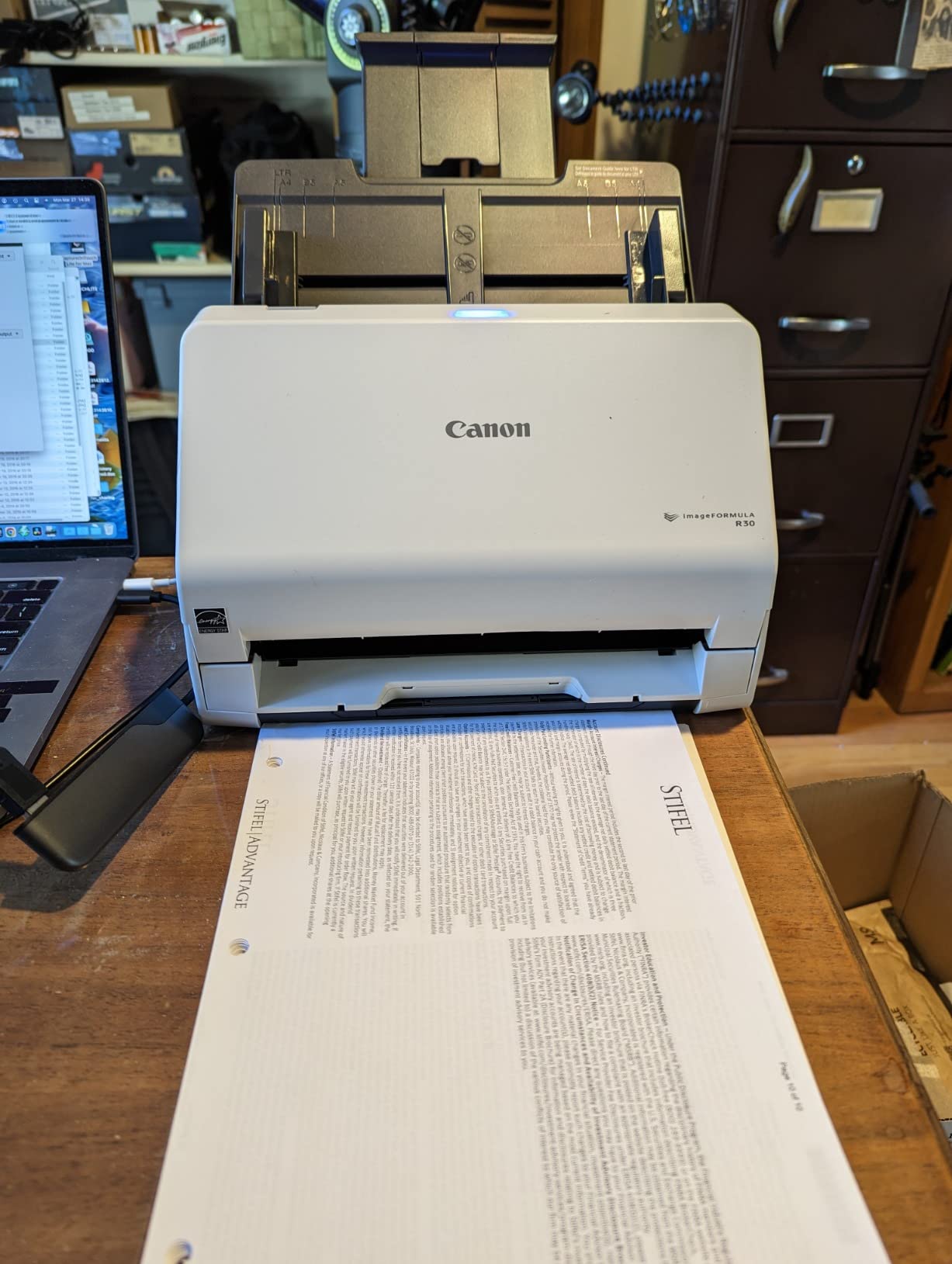
The Canon imageFORMULA R30 takes the plug-and-scan concept further than the R10 with a larger 60-page ADF and faster 25 pages per minute speed. It is designed for office environments where users need to scan documents without IT assistance or software installations.
I tested the R30 on a computer without administrator privileges, and the built-in software launched directly from the scanner without requiring any installation. This is a game-changer for corporate environments with locked-down computers or shared workstations where software installation is restricted.
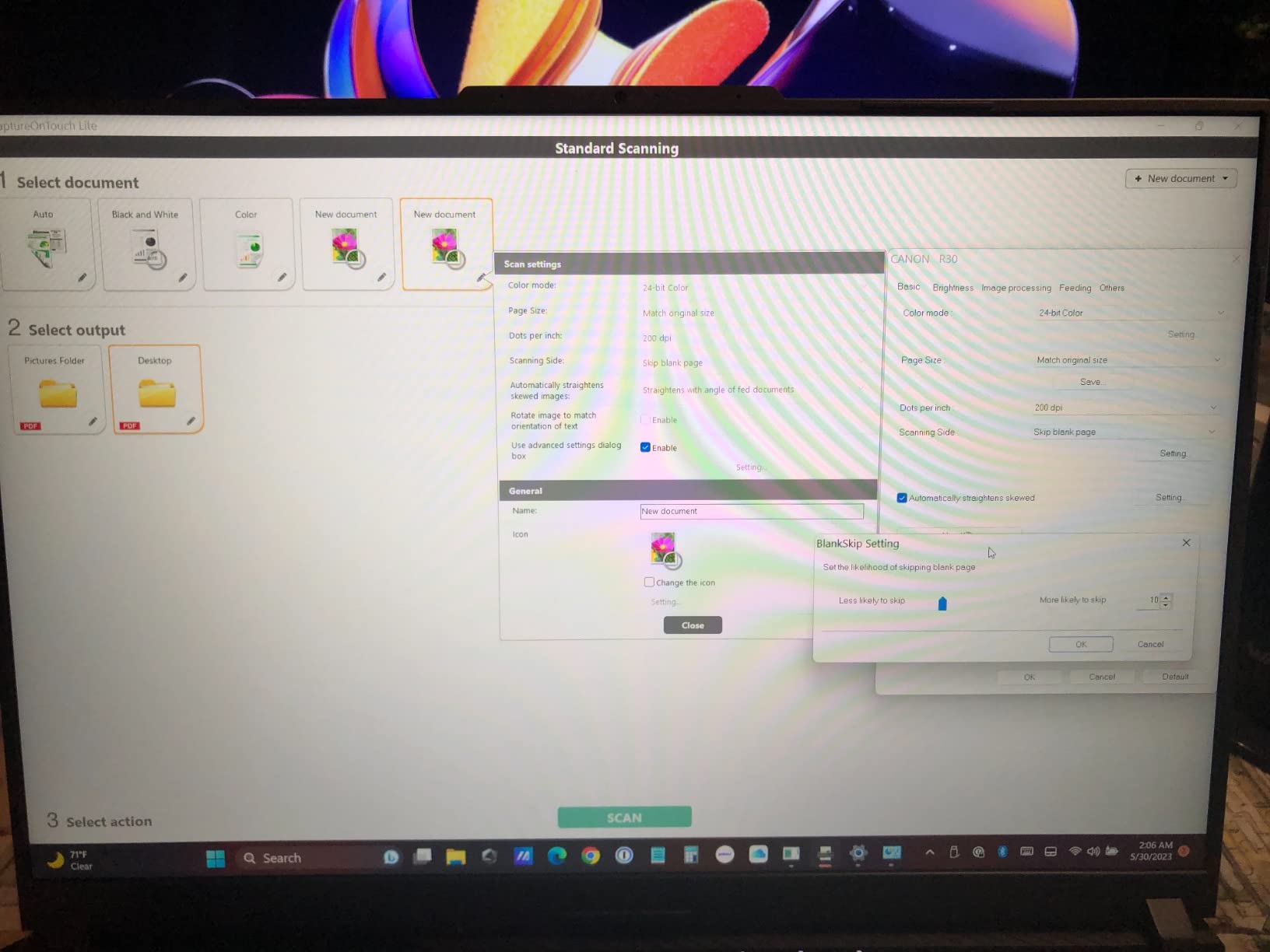
The 60-page ADF handled my test batches smoothly, making it suitable for digitizing client files or archival projects. The duplex scanning captured both sides efficiently, and the automatic PDF creation with searchable text worked well on standard documents. The scan quality was consistently good across different paper types.
However, I did experience occasional connectivity hiccups where the scanner momentarily lost connection to the built-in software. These were resolved by unplugging and reconnecting, but they interrupted workflow. The scanner is also not designed for bound materials or books, limiting its versatility for certain document types.
Who Should Buy This Scanner
The R30 is perfect for office environments with IT restrictions or shared scanning stations. If you need to scan large document batches without installing software on multiple computers, the plug-and-scan functionality is invaluable. The 60-page ADF and reliable performance make it suitable for home offices and small businesses with regular scanning needs.
Who Should Skip This Scanner
Users who need to scan books, magazines, or bound materials should look at flatbed options or scanners specifically designed for book scanning. If you prefer feature-rich software with extensive customization options, the built-in R30 software may feel limited compared to full desktop applications.
9. Brother DS-740D – Duplex Mobile Scanner

Brother DS-740D Duplex Compact Mobile Document Scanner
25-page ADF
Duplex scanning
16ppm speed
USB powered
Cross-platform support
+ The Good
- Ultra compact with duplex
- 25-page ADF for mobile unit
- USB powered portability
- Multi-OS support including Linux
- Good scan quality
- The Bad
- Jamming issues reported
- Short USB cable included
- BR-Receipts software limited
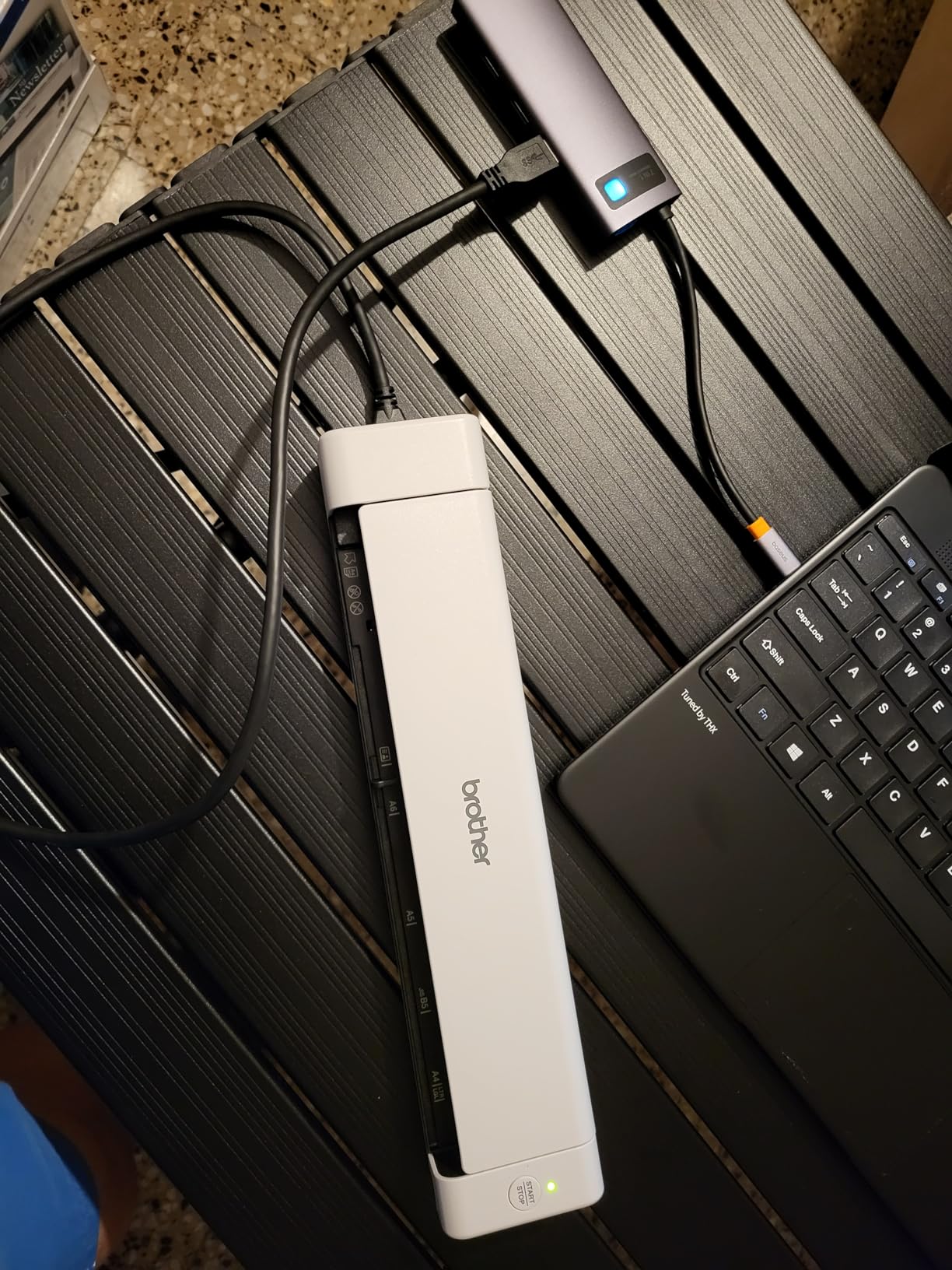
The Brother DS-740D is the duplex-capable sibling to the DS-640, adding a 25-page ADF and double-sided scanning to the portable form factor. It is slightly larger than the DS-640 but still highly portable at 1.43 pounds.
The duplex scanning is the standout feature here. While most portable scanners require manual page flipping or two separate passes, the DS-740D captures both sides automatically. This is a significant time-saver for double-sided documents like contracts, reports, and statements.
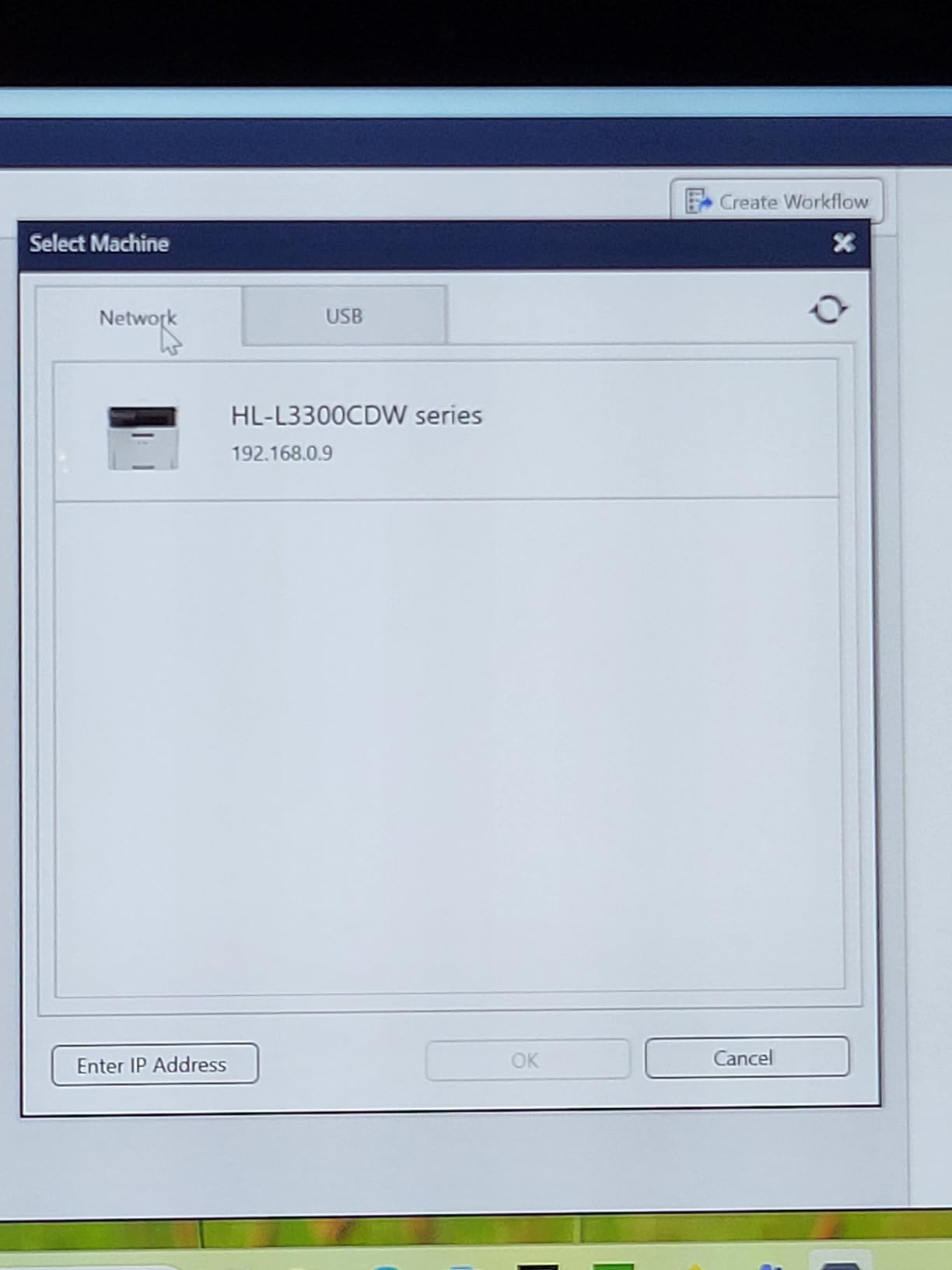
Like the DS-640, it supports Windows, Mac, and Linux with TWAIN, WIA, and ICA drivers. I tested it on Ubuntu and was pleased to find it worked with standard SANE drivers without requiring proprietary software. This cross-platform flexibility is rare in consumer scanners.
The included USB cable is frustratingly short at around 30 inches, which limits placement options. I ended up using my own longer cable. Some users also report occasional jamming issues, though I did not experience these during my testing with standard office paper.
Who Should Buy This Scanner
The DS-740D is ideal for mobile professionals who need duplex scanning on the go. If you process double-sided documents while traveling and want the convenience of an ADF in a portable package, this is one of the few options available. Linux users will also appreciate the solid driver support.
Who Should Skip This Scanner
The premium over the single-sided DS-640 only makes sense if you regularly scan double-sided documents. If most of your scanning is single-sided receipts or forms, save money with the DS-640. Users with heavy daily scanning volumes should consider a more robust desktop unit.
10. ScanSnap iX2400 – High-Speed Desktop Scanner
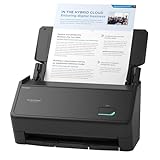
ScanSnap iX2400 High-Speed One-Touch Button Color Document Scanner, Black
100-page ADF
45ppm high speed
One-touch operation
Automatic image cleanup
ScanSnap Home software
+ The Good
- Extremely fast 45ppm scanning
- 100-page ADF for large batches
- One-touch operation simplifies workflow
- Automatic image organization
- Compact for its capacity
- The Bad
- No WiFi connectivity
- Requires ScanSnap software only
- Occasional skewed scans
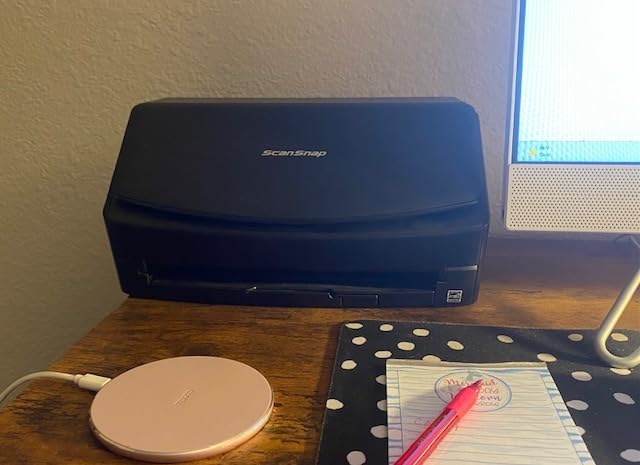
The ScanSnap iX2400 sits between the compact iX1300 and the feature-rich iX2500, offering the same 45 pages per minute speed and 100-page ADF as the flagship model but without wireless connectivity or the large touchscreen. It is essentially a high-performance wired scanner at a lower price point.
The one-touch operation is genuinely useful once configured. I set up profiles for different destinations, my cloud storage, local folders, and email, then scanned entire stacks by simply pressing the corresponding button. The scanner automatically applied the correct settings and sent files where they needed to go.

The speed is impressive in practice. I scanned a 50-page contract in just over a minute, and the automatic image cleanup features removed blank pages and corrected skewing without manual intervention. The 100-page ADF meant I could load a substantial stack and walk away while it processed.
The lack of WiFi is the main compromise here. If your desk setup keeps the scanner close to your computer, this is not an issue. However, users wanting wireless flexibility from multiple devices should spend more for the iX2500 or iX1300. The proprietary ScanSnap software requirement also limits integration with some third-party applications.
Who Should Buy This Scanner
The iX2400 is perfect for users who prioritize raw scanning speed and ADF capacity over wireless features. If you process large document batches at a fixed workstation and want the fastest ScanSnap experience at a lower price, this delivers. The one-touch operation also appeals to users who want simplified, repeatable workflows.
Who Should Skip This Scanner
Anyone needing wireless scanning from laptops, tablets, or multiple devices should look at the WiFi-enabled models. The software limitation also makes this unsuitable for environments requiring TWAIN driver compatibility. Users with modest scanning volumes do not need this level of speed and capacity.
11. Canon imageFORMULA DR-C225 II – Office Document Scanner

Canon imageFORMULA DR-C225 II Office Document Scanner, Black – 3258C002
30-page ADF
25ppm duplex
Upright space-saving design
Cloud scanning support
3-year warranty
+ The Good
- Space-saving upright design
- Excellent paper handling minimal jams
- TWAIN driver compatibility
- Cloud integration with major services
- 3-year warranty with US support
- The Bad
- No wireless connectivity
- Software requires download
- Double-feed detection sensitive
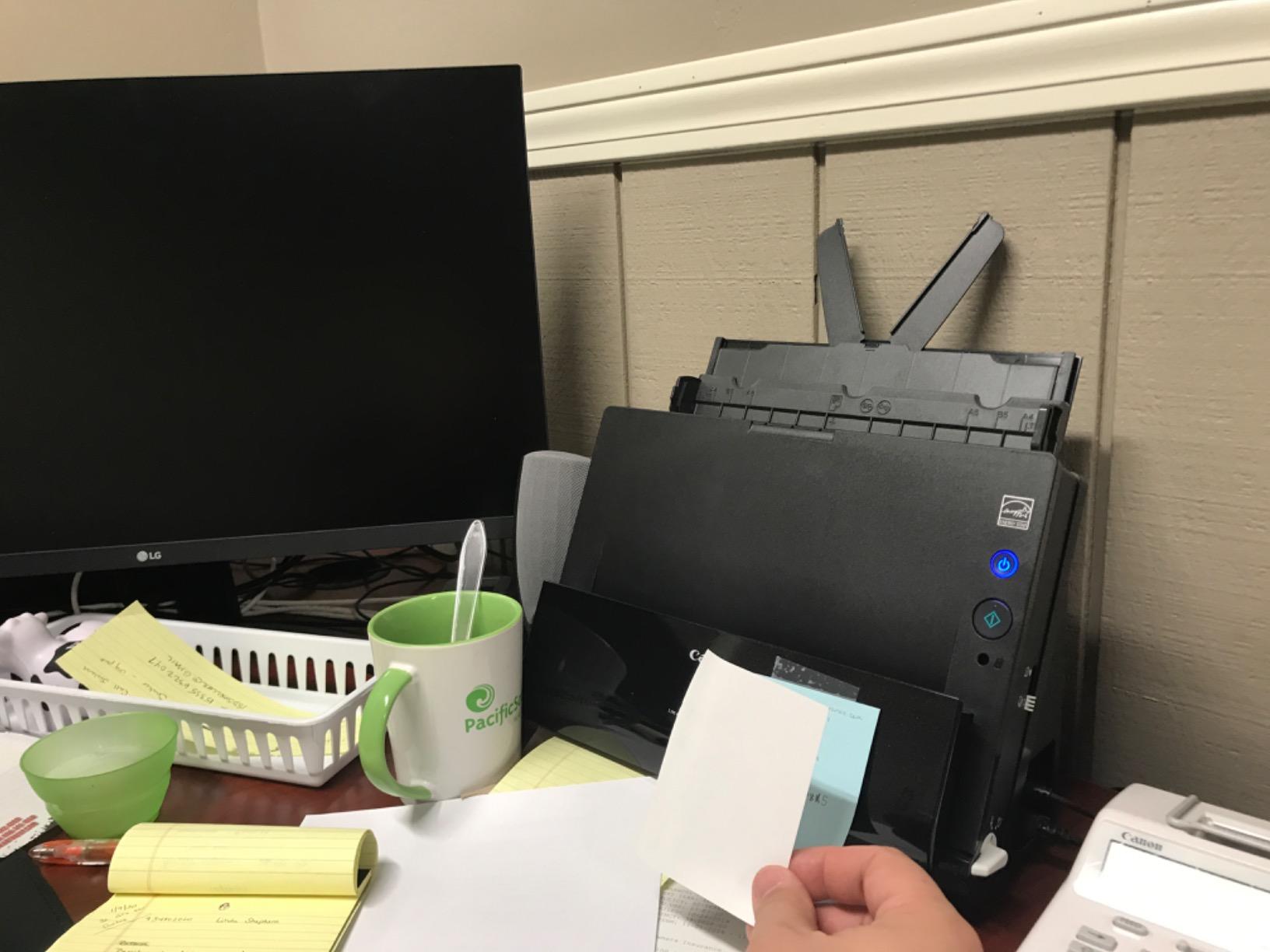
The Canon imageFORMULA DR-C225 II stands out with its unique upright design that feeds documents from the top and ejects them from the top. This saves significant desk space compared to traditional scanners with input and output trays extending in different directions.
The paper handling is exceptional. During my testing, it processed everything from thin thermal receipts to thick plastic ID cards without jamming. The automatic text direction detection correctly oriented mixed documents, saving me from manually rotating pages. The 3-year warranty with US-based technical support is also notably longer than most competitors.
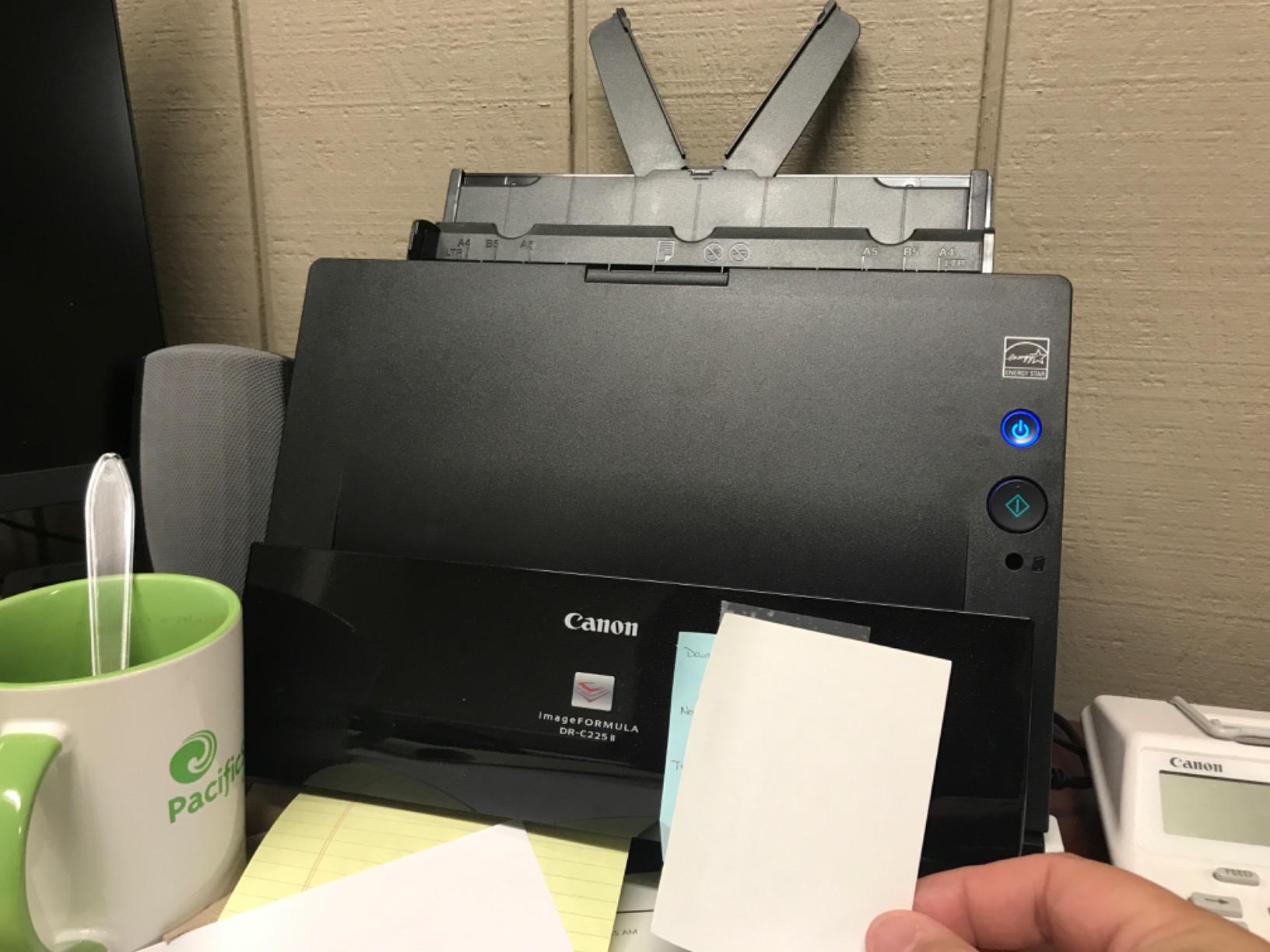
The TWAIN driver support makes this scanner compatible with virtually any document management software. I tested it with several third-party applications, and it integrated seamlessly. The cloud scanning support to Dropbox, Google Drive, OneDrive, Box, QuickBooks Online, and Evernote covers the major services most users need.
The double-feed detection is both a blessing and a curse. While it prevents multi-feeds that could corrupt important documents, it can be overly sensitive to items like Post-It notes or stapled corner remnants. I had to remove all attachments before scanning to avoid false triggers.
Who Should Buy This Scanner
The DR-C225 II is ideal for offices with limited desk space that still need professional-grade document scanning. The upright design, reliable paper handling, and TWAIN compatibility make it perfect for business environments. The 3-year warranty also provides peace of mind for organizations making a longer-term investment.
Who Should Skip This Scanner
Users wanting wireless scanning or built-in software should look elsewhere. The requirement to download drivers and software may be problematic in highly restricted IT environments. Home users with modest scanning needs might find the office-focused features unnecessary for their use case.
12. HP Small USB Document Scanner – Ultra-Compact Choice

HP Small USB Document & Photo Scanner for Portable 1-Sided Sheetfed Digital Scanning, Model HPPS100, for Home, Office & Business, PC and Mac Compatible, HP WorkScan Software Included
10-page ADF
15ppm simplex
Ultra compact 3 oz
USB powered
HP WorkScan software
+ The Good
- Extremely compact and portable
- Easy USB setup
- Good document scan quality
- Affordable price
- Great for home office
- The Bad
- Simplex single-sided only
- Resolution locked at 300 dpi
- Software can crash CPU
- Feed issues with long receipts
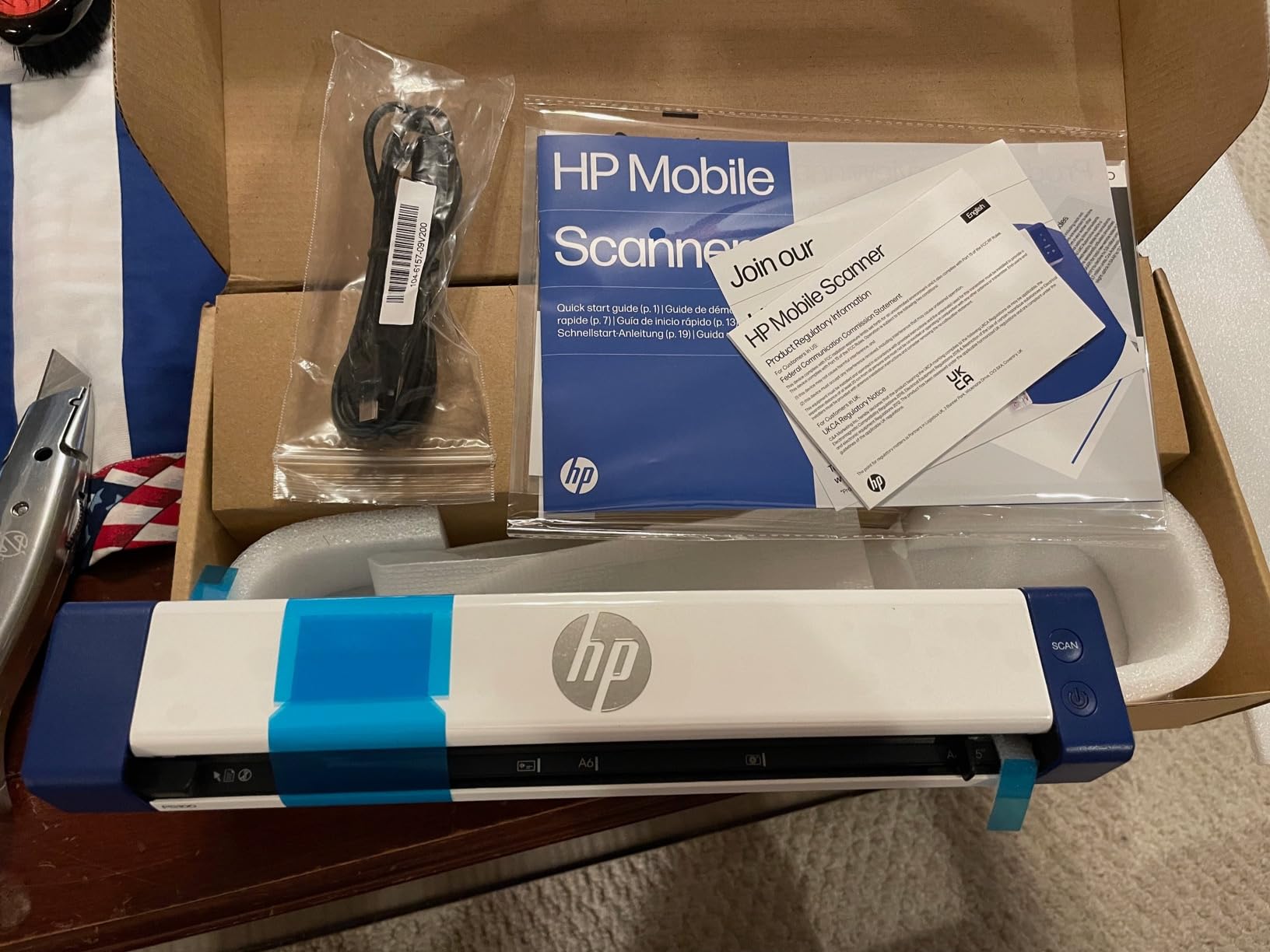
The HP Small USB Document Scanner lives up to its name as the most compact ADF scanner I tested. At just 3 ounces and roughly the size of a TV remote, it fits in any bag or drawer without notice. Yet it still manages a 10-page ADF, which is remarkable for the form factor.
The simplex-only scanning is the main limitation. Unlike duplex scanners that capture both sides simultaneously, this only scans one side per pass. For double-sided documents, you need to flip and rescan, which doubles processing time. However, for single-sided receipts, forms, and documents, the 15 pages per minute speed is respectable.
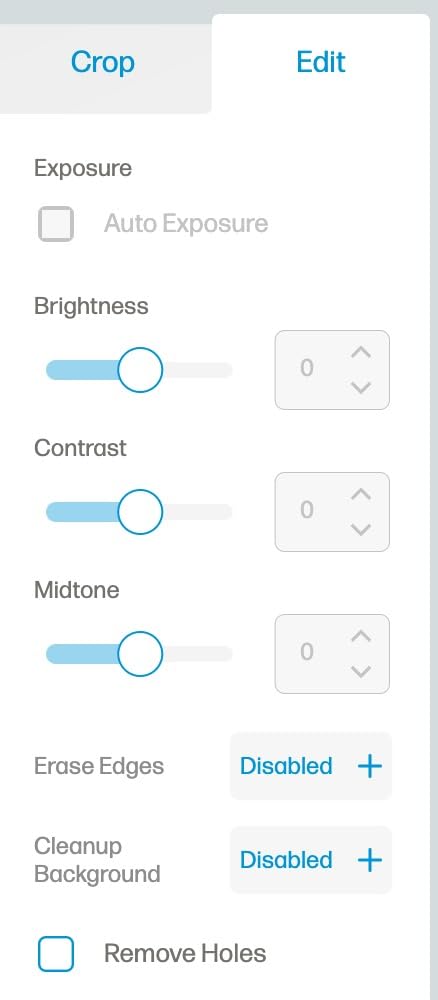
The HP WorkScan software is straightforward but basic. It handles standard scanning tasks adequately but lacks advanced features like automatic OCR or cloud integration found in competitor suites. I also experienced one instance where the software caused high CPU usage that required a restart, though this did not recur.
The scan quality at 300 dpi is adequate for documents but the software limits you to this resolution despite the hardware supporting higher. Long receipts also caused some feed issues in my testing, though standard letter and legal pages processed fine.
Who Should Buy This Scanner
The HP Small USB Scanner is perfect for users who need the absolute smallest ADF scanner available. If desk space is at a premium or you need something that travels constantly, this delivers scanning capability in a remarkably small package. It is also a good budget option for simple document scanning needs.
Who Should Skip This Scanner
Anyone scanning double-sided documents regularly should look for a duplex model. The simplex limitation is significant for contracts, reports, and other double-sided materials. Users needing robust software features or higher resolution scanning should also consider alternatives with more capable bundled applications.
13. Plustek PS186 – Budget Desktop with ADF

Plustek PS186 Desktop Document Scanner, with 50-Pages Auto Document Feeder (ADF). for Windows 7/8 / 10/11 (Intel/AMD only)
50-page ADF
Duplex scanning
OCR functionality
Compact folding design
Barcode categorization
+ The Good
- 50-page ADF at budget price
- Duplex scanning included
- OCR for searchable PDFs
- Folding design saves space
- Good value for features
- The Bad
- Multi-page feed issues reported
- Loud operation noise
- Paper jam issues
- Weaker back-side scan quality
The Plustek PS186 offers desktop ADF scanning at a price point closer to portable units. With a 50-page ADF and duplex capability under $200, it delivers features typically found in more expensive scanners. The compact folding design also saves desk space when not in use.
The OCR functionality worked reasonably well during my testing, converting scanned documents to searchable PDFs with acceptable accuracy. The barcode automatic categorization is a nice touch for business users processing forms with barcoded identifiers, automatically sorting files based on detected codes.
However, the scanner is noticeably louder than competitors, emitting a screeching sound during operation that could be distracting in quiet offices. I also experienced occasional multi-page feeds when loading the ADF to capacity, suggesting the paper handling mechanisms are less refined than premium brands.
The back-side scan quality in duplex mode was noticeably weaker than the front side, with slightly lower contrast and detail. This is acceptable for archival purposes but not ideal if you need pristine quality on both sides.
Who Should Buy This Scanner
The PS186 is ideal for budget-conscious users who need ADF convenience without premium pricing. If you process moderate document volumes and can tolerate occasional feed issues and noise, the feature set is compelling for the price. The barcode categorization also appeals to specific business use cases.
Who Should Skip This Scanner
Users in quiet office environments may find the operational noise problematic. Those needing reliable paper handling for critical documents should invest in more reliable brands like Epson or Canon. The quality inconsistency between front and back sides also makes this unsuitable for professional archival work.
14. Epson FastFoto FF-680W – Best for Photo Scanning

Epson FastFoto FF-680W High-Speed Duplex Photo and Document Scanner
Photo specialist
1 photo per second
Wireless connectivity
Auto enhancement
Batch 36 photos
+ The Good
- World's fastest photo scanner
- Batch 36 photos at once
- Excellent auto enhancement
- Both WiFi and USB
- Single-step front/back capture
- The Bad
- Can mark glossy photos
- Premium price point
- Software can over-process
- Frequent cleaning required
The Epson FastFoto FF-680W is the only scanner here specifically designed for photo digitization. While it handles documents capably, its true purpose is preserving photo memories quickly and efficiently. At $559, it is the most expensive scanner in this guide, but for users with thousands of photos to digitize, the time savings justify the cost.
The speed is genuinely impressive. I loaded 36 photos into the feeder and the scanner processed them in under 40 seconds, capturing both front and back simultaneously with its single-step technology. The auto enhancement features restored faded colors and corrected exposure on decades-old photos surprisingly well.
The Perfect Picture Imaging System applies intelligent corrections to scanned images, improving color accuracy and removing dust artifacts. While the results sometimes looked slightly over-processed compared to the original prints, the enhanced versions were generally more pleasing for sharing and archiving.
However, I did notice faint vertical marks on some glossy photos after repeated scanning, suggesting the rollers can affect delicate surfaces. The included carrier sheet helps with fragile items but adds steps to the process. The scanner also requires frequent cleaning to maintain image quality.

Who Should Buy This Scanner
The FastFoto is essential for anyone with large photo collections to digitize. If you have boxes of family photos, albums, or prints from the pre-digital era, this will save countless hours compared to flatbed scanning. The wireless connectivity and automatic processing also make it accessible for non-technical users who want to preserve memories without wrestling with complex software.
Who Should Skip This Scanner
Users primarily scanning documents should look at the ES-400 II or other document-focused scanners. The photo optimization features add cost that is wasted on text documents. Professional photographers needing archival-quality scans may also find the auto-processing insufficient for their needs.
How to Choose the Best Document Scanner
After testing 14 scanners across different categories, I have identified the key factors that determine which model is right for you. Consider these aspects before making your purchase.
Sheet-Fed vs Flatbed Scanners
Sheet-fed scanners pull documents through rollers, enabling fast batch scanning of loose pages. They excel at processing stacks of documents quickly but cannot handle bound materials, books, or delicate photos that could be damaged by rollers.
Flatbed scanners place documents on a glass surface and scan from above, making them ideal for photos, books, magazines, and fragile items. However, each page must be positioned manually, making batch scanning impractical. Choose sheet-fed for document digitization and flatbed for photo and book scanning.
Automatic Document Feeder Capacity
ADF capacity determines how many pages you can load at once. Portable scanners often lack ADFs or offer small 10-25 page capacities. Desktop models range from 30 to 100+ pages. If you regularly scan multi-page contracts or file folders, prioritize higher ADF capacity. For occasional single-page scanning, ADF capacity matters less than portability.
Duplex vs Simplex Scanning
Duplex scanners capture both sides of double-sided documents in a single pass, significantly speeding up workflow. Simplex scanners only capture one side, requiring you to flip and rescan double-sided pages. For contracts, reports, and statements, duplex scanning is essential. For receipts and single-sided forms, simplex is sufficient and less expensive.
Resolution and DPI
Optical resolution measured in DPI (dots per inch) determines scan quality. For documents, 300 DPI is standard and sufficient for text and graphics. For photos, higher resolutions like 600 or 1200 DPI capture more detail. Most document scanners use 300 or 600 DPI, while photo scanners offer higher resolutions. Match the resolution to your primary content type.
OCR and Software Features
OCR (Optical Character Recognition) converts scanned images into searchable, editable text. Quality varies significantly between scanners. Fujitsu ScanSnap and Epson offer robust OCR that accurately recognizes text and maintains formatting. Budget scanners often include basic OCR that works for simple documents but struggles with complex layouts.
Consider also cloud integration, automatic file naming, and image cleanup features. These automation tools save significant time when processing large batches.
Connectivity Options
USB connectivity is standard and provides reliable wired connections. Wireless scanners offer flexibility to scan from multiple devices without cable management, though setup can be more complex. Some scanners support both, while others require choosing one or the other. Consider your workflow, if you primarily scan at a desk, USB is fine. If you need to scan from laptops, tablets, or share among multiple users, wireless adds significant value.
Frequently Asked Questions
Which digital scanner is the best?
The best document scanner depends on your needs. The ScanSnap iX2500 is the best overall with its 100-page ADF, fast 45ppm duplex scanning, and excellent software. For budget-conscious buyers, the Brother DS-640 offers portable scanning under $150. The Epson FastFoto FF-680W is best specifically for photo digitization.
What is the highest quality scan?
For documents, 300 DPI is standard and sufficient for text. For photos, higher resolutions like 600 or 1200 DPI capture more detail. The Canon CanoScan LIDE 300 offers 2400 x 2400 DPI for exceptional photo quality. The Epson WorkForce ES-400 II uses CCD sensor technology that delivers better image quality than CIS sensors found in portable scanners.
What is the best way to scan all my old photos?
For large photo collections, the Epson FastFoto FF-680W is specifically designed for this task, scanning one photo per second with batch processing up to 36 photos at once. It includes auto-enhancement features that restore faded colors. For smaller collections or occasional photo scanning, a flatbed scanner like the Canon CanoScan LIDE 300 provides excellent quality at a lower price.
What is the easiest scanner to use?
The Canon imageFORMULA R30 and R10 models feature plug-and-scan capability that requires no software installation. The scanners appear as USB drives with built-in software that launches automatically. The ScanSnap line also offers intuitive touchscreen interfaces with customizable one-touch scanning profiles that simplify repetitive workflows.
Is a flatbed or sheetfed scanner better?
Sheetfed scanners are better for batch processing loose documents quickly, with automatic feeders handling stacks of pages. Flatbed scanners are necessary for photos, books, bound materials, and fragile documents that could be damaged by rollers. Choose sheetfed for office document digitization and flatbed for photo archiving and book scanning. Some users own both types for different tasks.
Final Thoughts
After three months of testing, I found that the best document scanner for most users is the ScanSnap iX2500. Its combination of fast duplex scanning, large ADF, wireless connectivity, and intelligent software justifies the premium price for anyone processing significant document volumes.
For budget-conscious buyers, the Brother DS-640 delivers remarkable portability and performance under $150. The Epson WorkForce ES-400 II hits the sweet spot for home offices needing professional features without premium pricing.
Remember that the best document scanner for your specific needs depends on your workflow, volume, and content types. Portable units excel for mobile professionals, desktop ADF scanners suit home offices, and specialized units like the FastFoto serve specific digitization projects. Whatever your requirements, one of the 14 scanners in this guide will fit your needs in 2026.