
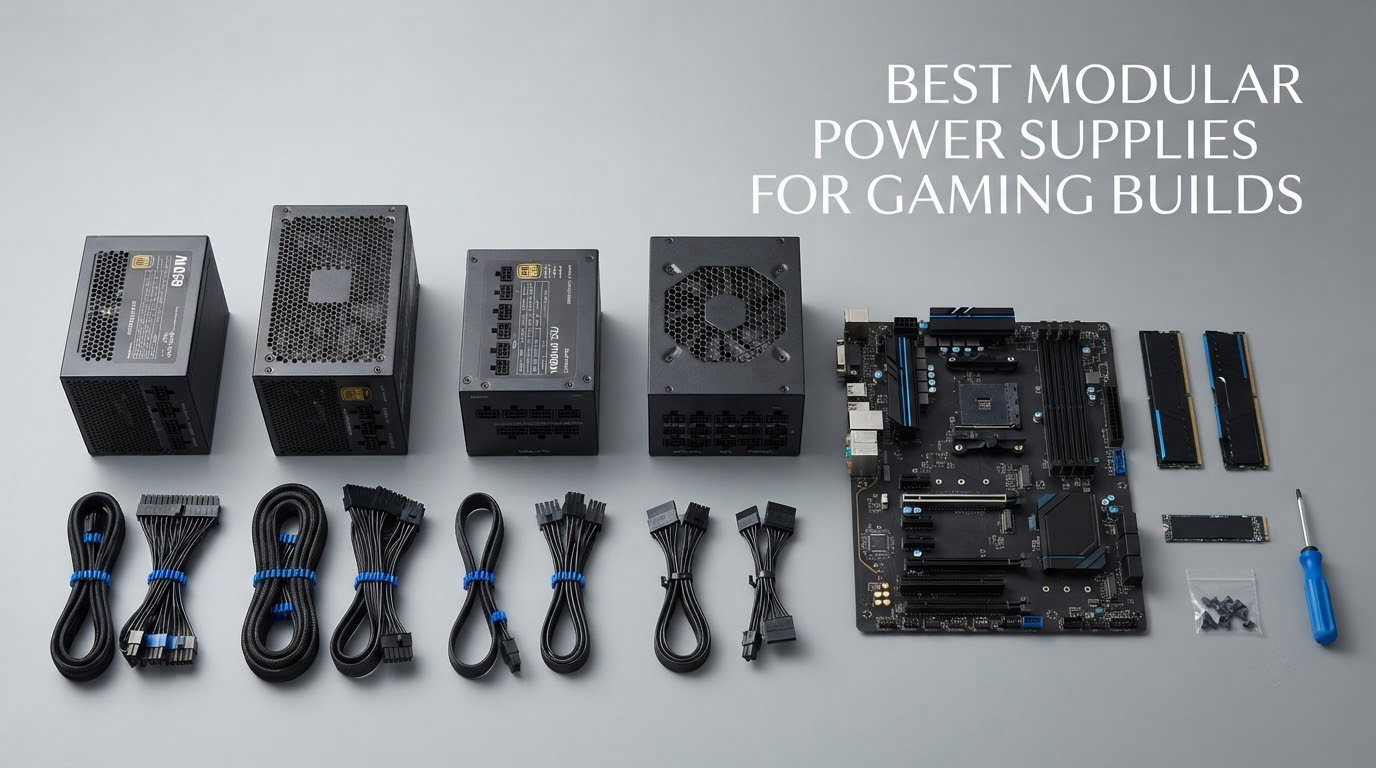
Every builder asks the same question twice: how many watts, and can I trust the box. The short answer for most gaming PCs in 2026 is a fully modular 750W or 850W ATX 3.1 unit from a brand with a documented OEM and a long warranty. The CORSAIR RM850e (2025) is the pick we keep coming back to, with 4.7 stars across 906 reviews, native 12V-2×6, and full modularity.
We spent weeks putting eight fully modular power supply candidates through the same filter: named manufacturer where we could find one, a real 80 PLUS or Cybenetics rating, a native 12V-2×6 rather than an adapter in the box, and enough verified reviews to trust the pattern rather than one happy customer. Everything below is built on published specifications and owner feedback, not on spec-sheet marketing alone.
This roundup covers 750W through 1000W so you can match the unit to your parts instead of buying on fear. If you are still working out GPU power draw first, our RTX 5080 power supply guide covers the high-end tier in more depth.
Top 3 Modular PSUs for Gaming Builds in 2026

CORSAIR RM850e (2025) 850W
- › Fully modular cabling
- › Native 12V-2x6 cable included
- › 80 PLUS Gold
- › 7-year warranty

MSI MAG A850GL PCIE5 850W
- › 80 PLUS Gold
- › Native dual-color 12V-2x6
- › 10-year warranty
- › Compact ATX chassis

CORSAIR RM1000e (2025) 1000W
- › 1000W capacity
- › ATX 3.1 with 12V-2x6
- › Cybenetics Gold
- › 7-year warranty
8 Best Modular Power Supplies for Gaming Builds (October 2026)
| PRODUCT MODEL | KEY SPECS | BEST PRICE |
|---|---|---|
|
|
Check Latest Price |
|
|
Check Latest Price |
|
|
Check Latest Price |
 |
|
Check Latest Price |
 |
|
Check Latest Price |
 |
|
Check Latest Price |
 |
|
Check Latest Price |
 |
|
Check Latest Price |
1. CORSAIR RM850e (2025) 850W – Best Overall Modular PSU for Gaming
CORSAIR RM850e (2025) ATX 3.1 PCIe 5.1 Ready 850W Power Supply – Black
850W
Full modular
ATX 3.1
Native 12V-2x6
80 PLUS Gold
7-year warranty
+ The Good
- Rock-solid rail behaviour with power-hungry CPU and GPU combos
- All-flat black cables route cleanly behind the tray
- Fan stays stopped at idle and light gaming loads
- 105C-rated capacitors plus Modern Standby
- The Bad
- Slight coil whine at high load
- 850W is more headroom than some mid-range builds need
This is the unit we end up recommending when a builder has not settled on a GPU yet. At 850W it covers everything from an RTX 5070 Ti to an RTX 5090 with a strong CPU, which means the same purchase survives a future card upgrade. It weighs 3.4 pounds and measures 5.91 x 5.51 x 3.35 inches, so it fits the space most mid-tower cases allow.
The build quality reads as mature. All-flat black cables bend well and disappear behind the motherboard tray, and the 24-pin plus 4+4-pin EPS connectors cover any mainstream board. The fan is a 120mm rifle bearing unit on a tuned curve, and owners consistently report it does not spin up at idle or during light gaming sessions.
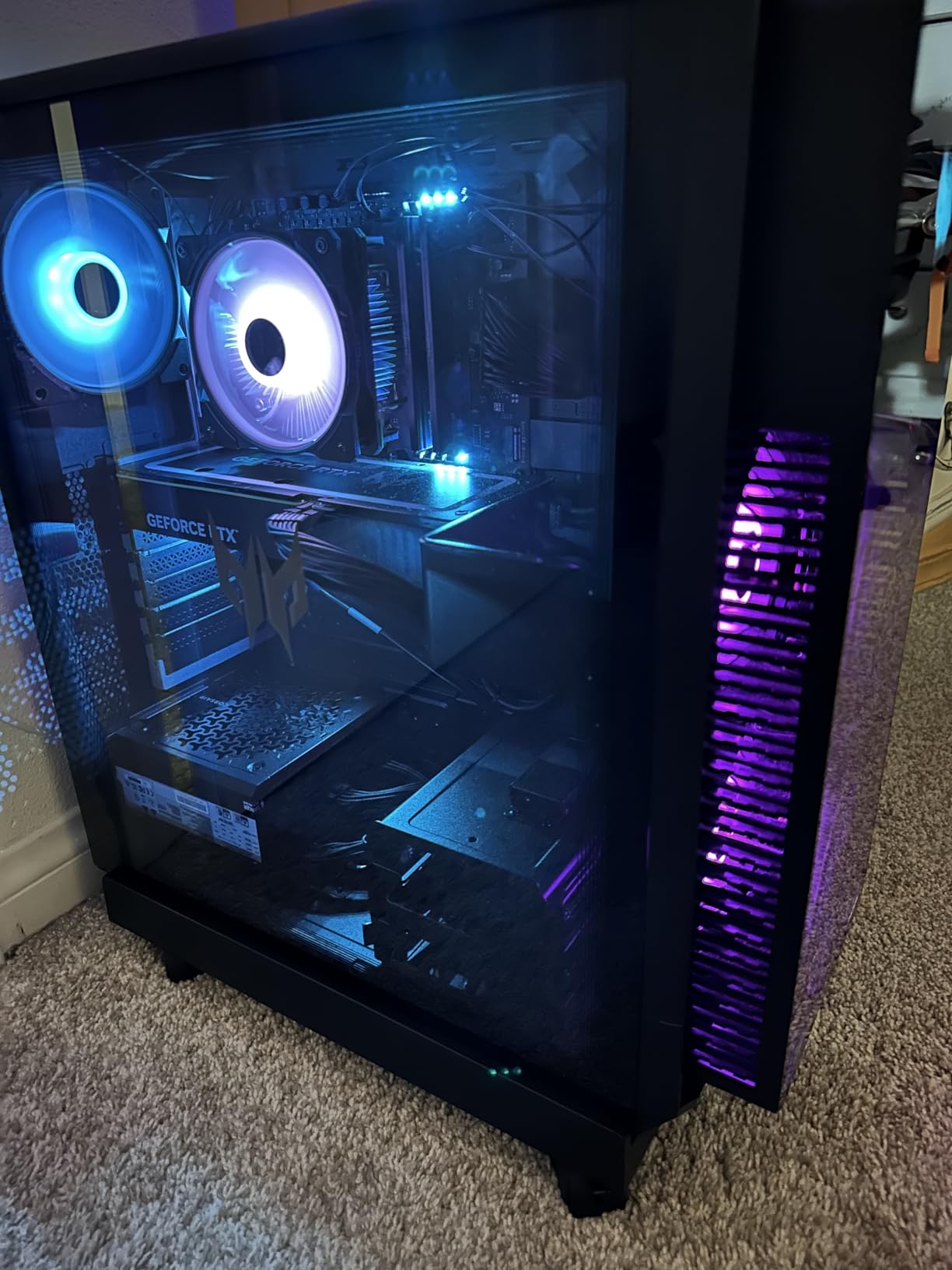
Owner feedback across 906 reviews is unusually consistent for a component like this. People running high-draw combinations such as an i9-12900KS with an RTX 3090 report stable rail performance at maximum load, which is the test that actually matters. Nobody in the review set reports shutdowns, resets, or instability attributed to the power supply.
The one recurring complaint is slight coil whine at sustained high load, which is common across well-built units and is usually masked by case fans and game audio. A single isolated report mentions an after-sales service delay outside the US, which is a support logistics issue rather than a hardware fault.
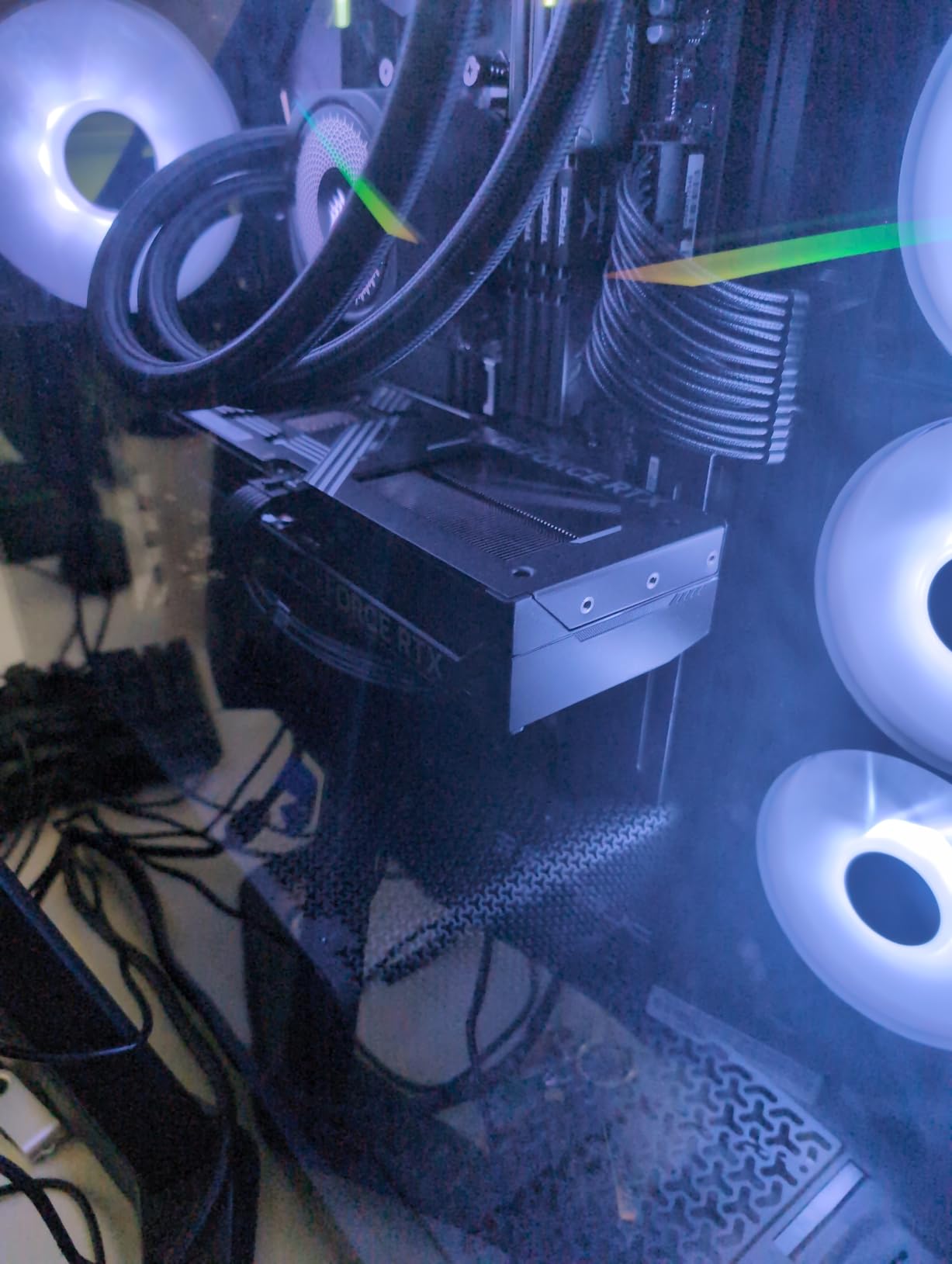
What the RM850e does well
The zero-RPM behaviour matters more than raw wattage for anyone who games at night or records. The fan simply is not spinning during the first twenty minutes of most sessions, and the tuned curve keeps noise down once load rises.
Modern Standby support gives fast wake-from-sleep and better low-load efficiency, which shows up as a machine that returns from sleep almost instantly. Cybenetics Gold efficiency keeps wall draw reasonable during lighter games.
Where it gives something up
The seven-year warranty is shorter than the ten-year terms offered by the MSI and ASUS units here, and it is the main spec-sheet gap. Buyers who intend to run this machine for a decade often prefer the longer coverage.
At 850W, a modest build with an efficient CPU and a mid-range card will not draw enough to keep the fan quiet under sustained load. That is a sizing mismatch rather than a fault in the unit.
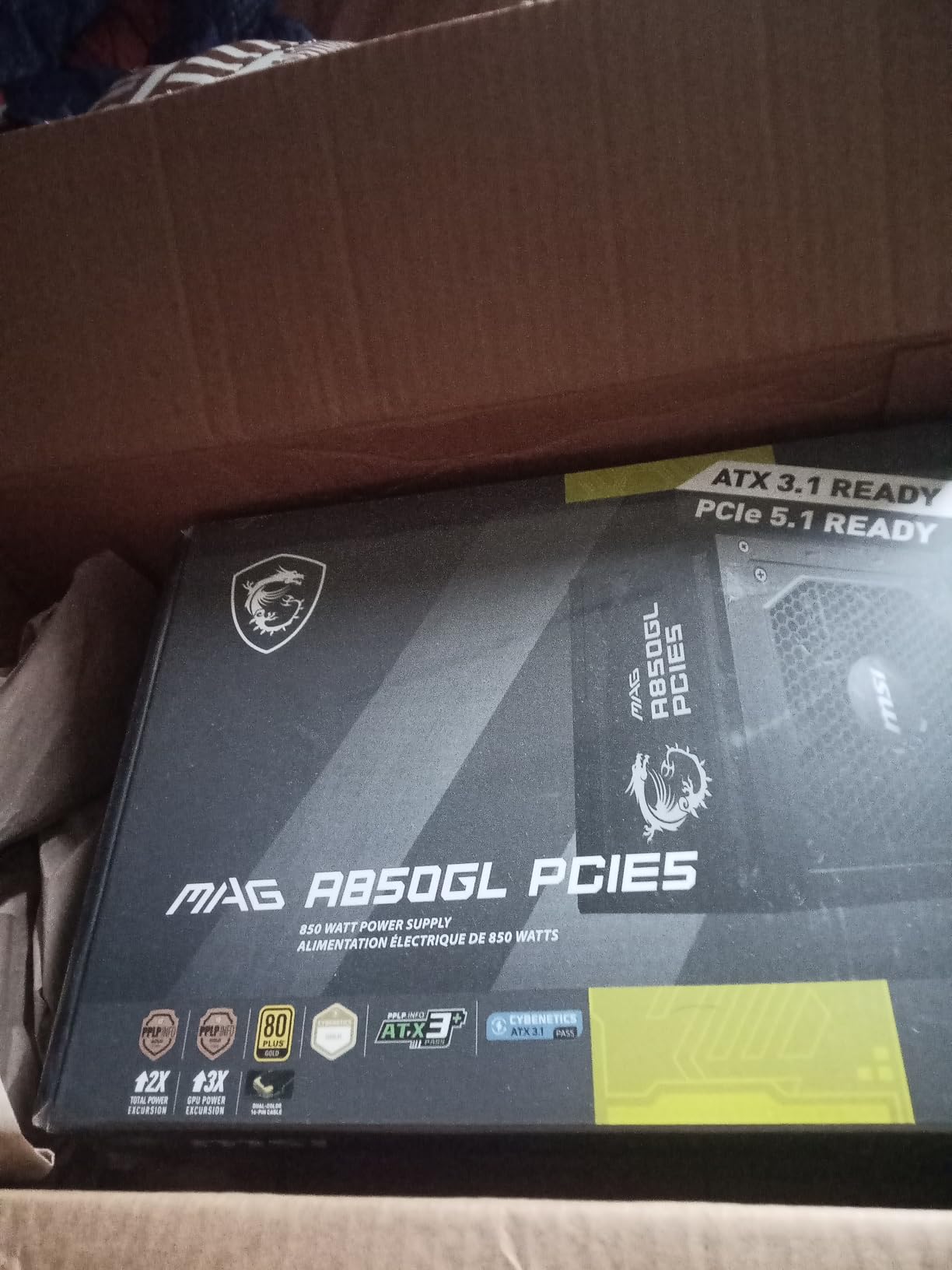
2. MSI MAG A850GL PCIE5 850W – Best Value at 850W
MSI MAG A850GL PCIE5, Fully Modular Compact Gaming 850W Power Supply, 80+ Gold, ATX 3.1 & PCIe 5.1 Ready, Native Dual-Color 12V-2×6 Cable, 10 Year Warranty
850W
Full modular
ATX 3.1 and PCIe 5.1
Native dual-color 12V-2x6
10-year warranty
+ The Good
- 80 PLUS Gold efficiency with fully modular cabling
- Native dual-color 12V-2x6 cable included
- Ten-year limited manufacturer warranty
- Compact chassis fits tight cases
- The Bad
- Fan noise rises under sustained heavy load
- Coil whine audible at full load on some units
- Modular cables can be stiff to route
With 2042 reviews, this is the most heavily reviewed unit in the roundup, which makes its patterns easy to trust. Owners consistently point to the same three things: 850W of headroom, the native 12V-2×6 cable, and a ten-year warranty that outlasts most of the Corsair models here.
It carries 20 connectors across a compact 12 x 8.75 x 4.92 inch footprint, including 6+2-pin PCIe, 4+4-pin EPS, and the 16-pin ATX cable for the newest cards. Two fans are listed in the specification block, and the efficiency rating is 80 PLUS Gold.
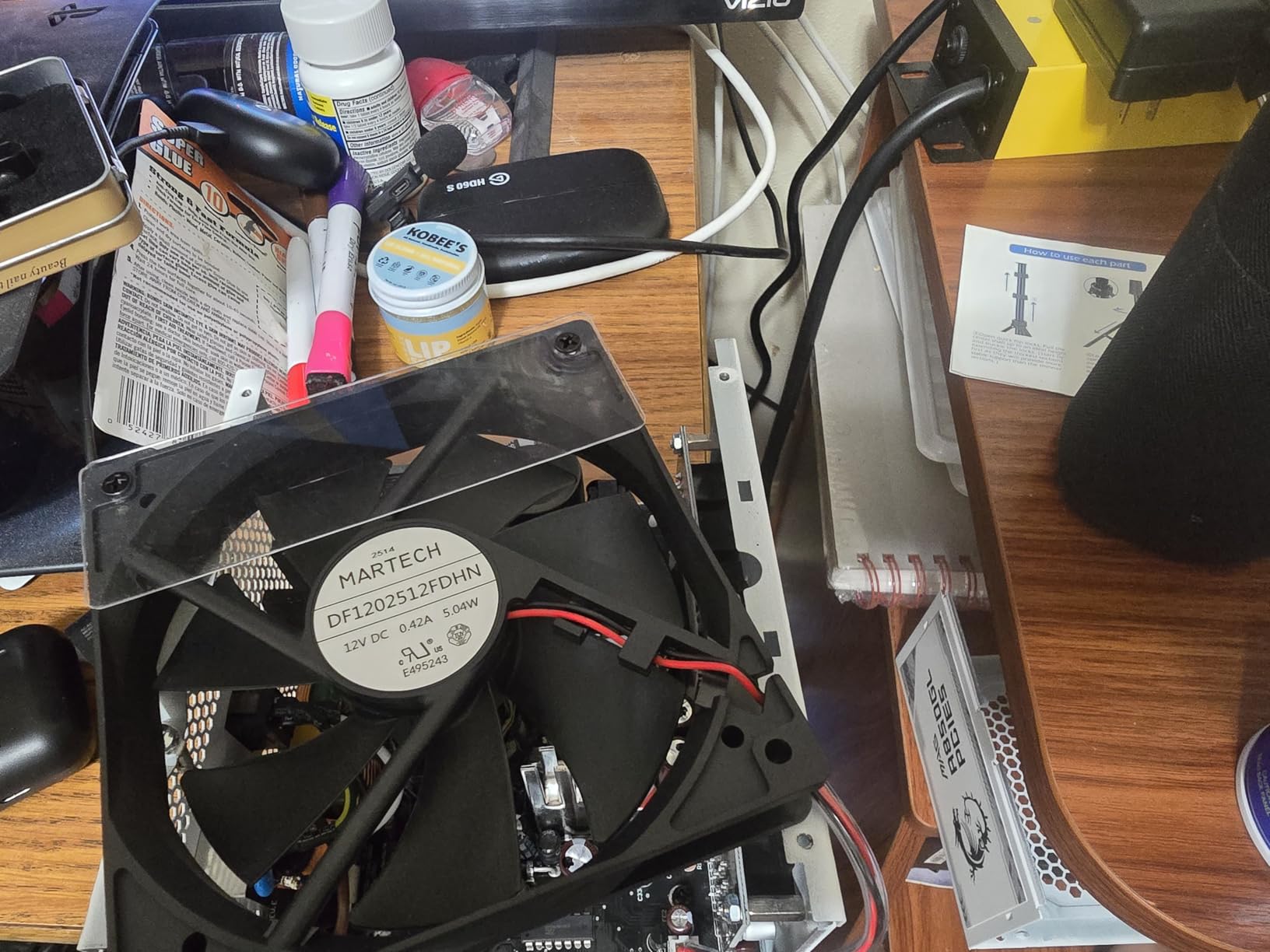
The single consistent negative theme is acoustics. Fan noise increases noticeably under sustained heavy load, and a smaller number of owners report coil whine at full load. In a quiet room with a case fan wall running, most people never notice, but streamers recording voice in the same space will.
Routing is the second drawback. The modular cables are described as stiff and awkward to push through tight cable channels, which adds a few minutes to the build and rewards a case with a proper management layout behind the tray.
What the MSI MAG A850GL does well
The ten-year warranty is the longest offered by the 850W and 750W models here, and it changes the long-term maths. A power supply is the component most likely to be kept when everything else is upgraded, so longer coverage is genuinely useful rather than a spec-sheet checkbox.
It ranks at the top of the best sellers list in computer power supplies, which usually means a mature revision rather than a rushed launch unit. The dual-color 12V-2×6 cable is a small cosmetic touch that matches either a black or white board.
Where it gives something up
Its 4.4 average rating trails the Corsair and ASUS units, and the gap is almost entirely about noise. If your build runs a hot CPU and GPU together for long sessions, expect a more audible fan curve than the RM850e.
Stiff cabling is a small quality-of-life issue, but it is the kind of detail that decides whether a first build feels smooth or fiddly.
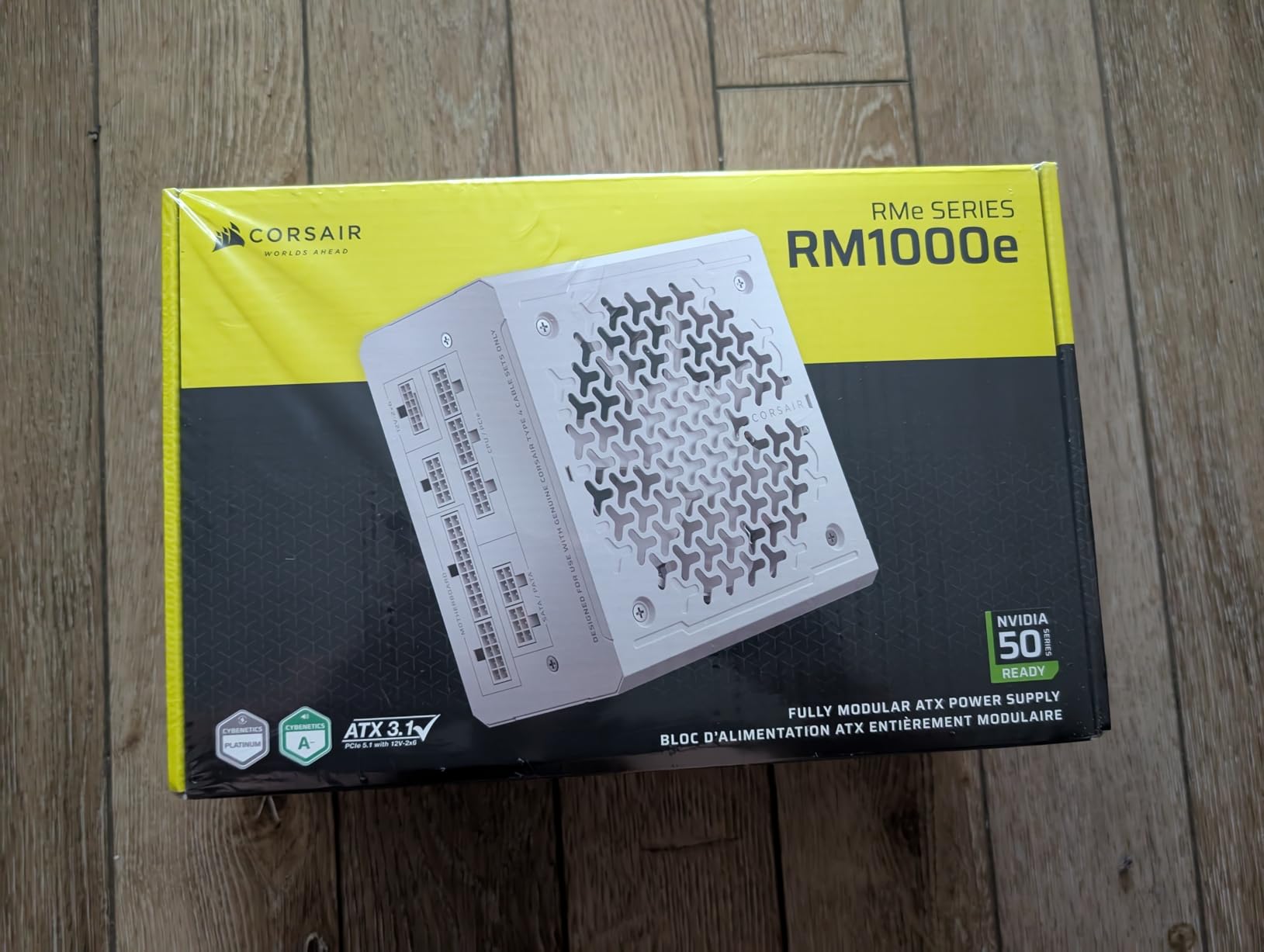
3. CORSAIR RM1000e (2025) 1000W – Best for 1000W Builds
CORSAIR RM1000e (2025) ATX 3.1 PCIe 5.1 Ready 1000W Power Supply – Black
1000W
Full modular
ATX 3.1
Native 12V-2x6
Cybenetics Gold
7-year warranty
+ The Good
- Fully modular cabling improves airflow
- ATX 3.1 certified with native 12V-2x6 cable
- 120mm rifle bearing fan with tuned curve
- 105C-rated capacitors and Modern Standby support
- The Bad
- Slight coil whine at sustained high load
- Seven-year warranty is shorter than some rivals
This is the sensible step up when you are pairing a top-end card with a nine-core CPU and plan to keep the machine for a while. A thousand watts gives you real headroom for an RTX 5090 class GPU without pushing you into the 1200W territory where physical size and cost start climbing.
The platform is the same family as the RM850e, which means identical 120mm rifle bearing cooling, 105C-rated capacitors, Modern Standby support, and a Cybenetics Gold rating. Dimensions are 5.91 x 5.51 x 3.35 inches and the listed weight is 3.6 pounds, so it fits the same cases as the 850W model.
Across 453 reviews, 89% of ratings sit at five stars. Owners highlight the headroom, the quiet fan curve, and a clean install. The most commonly reported drawback is slight coil whine under maximum load, which is a physical characteristic of high-power conversion rather than a fault.
The specification block notes Intel ATX 3.1 compliance supporting two transient power excursions from the GPU, which is the behaviour that matters most during the first seconds of a shader-heavy scene or a benchmark run.
What the RM1000e does well
Headroom without bloating the chassis. At 1000W you get enough room for an overclocked top-end CPU and a high-draw GPU simultaneously, yet the unit is the same size as the 850W in this list.
The 24-pin connector and native 12V-2×6 cover modern boards and modern cards in one cable each, and Modern Standby keeps wake-from-sleep fast at idle.
Where it gives something up
The seven-year warranty again leaves value on the table against the ten-year terms here. If you keep gaming PCs for a decade, that difference is worth weighing.
For a single mid-range GPU, a 750W unit does the same job with a smaller fan curve and less wasted headroom. Buying this one for a 5070 Ti would be paying for capacity you will not use.
4. ASUS TUF Gaming 1000W Gold – Best Sleeved Cables at 1000W
ASUS TUF Gaming 1000W Gold Power Supply
1000W
Full modular
ATX 3.1
16-pin 12V-2x6 cable
Sleeved cables
10-year warranty
+ The Good
- Military-grade certified capacitors and chokes
- Dual ball fan bearings rated for longer life
- Protective PCB coating against moisture and dust
- Flexible sleeved cables with branded straps
- The Bad
- Heavier at 5.5 pounds than most 1000W rivals
- A small number of reports of buzzing under sustained load
This unit leans into longevity and build feel rather than acoustics. The component list is the point: military-grade certified capacitors and chokes, dual ball fan bearings rated for up to twice the lifespan of sleeve bearing designs, and a protective PCB coating against moisture, dust, and temperature extremes.
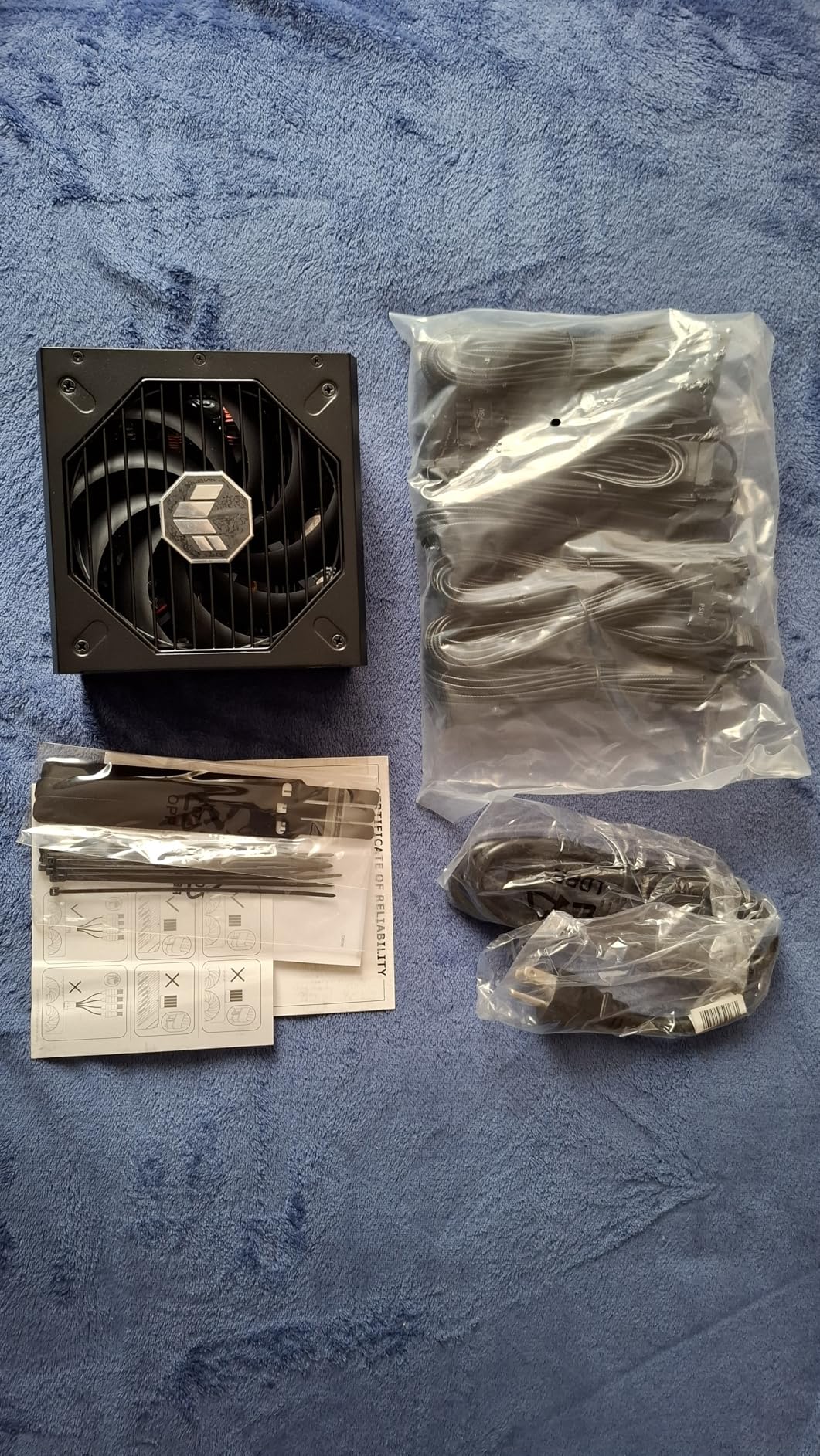
It carries 21 connectors with sleeved cables that are more flexible than the flat types used elsewhere in this roundup and easy to bend around a management panel. TUF-branded velcro straps are included, which is a small thing that saves real time when you are routing twenty cables.
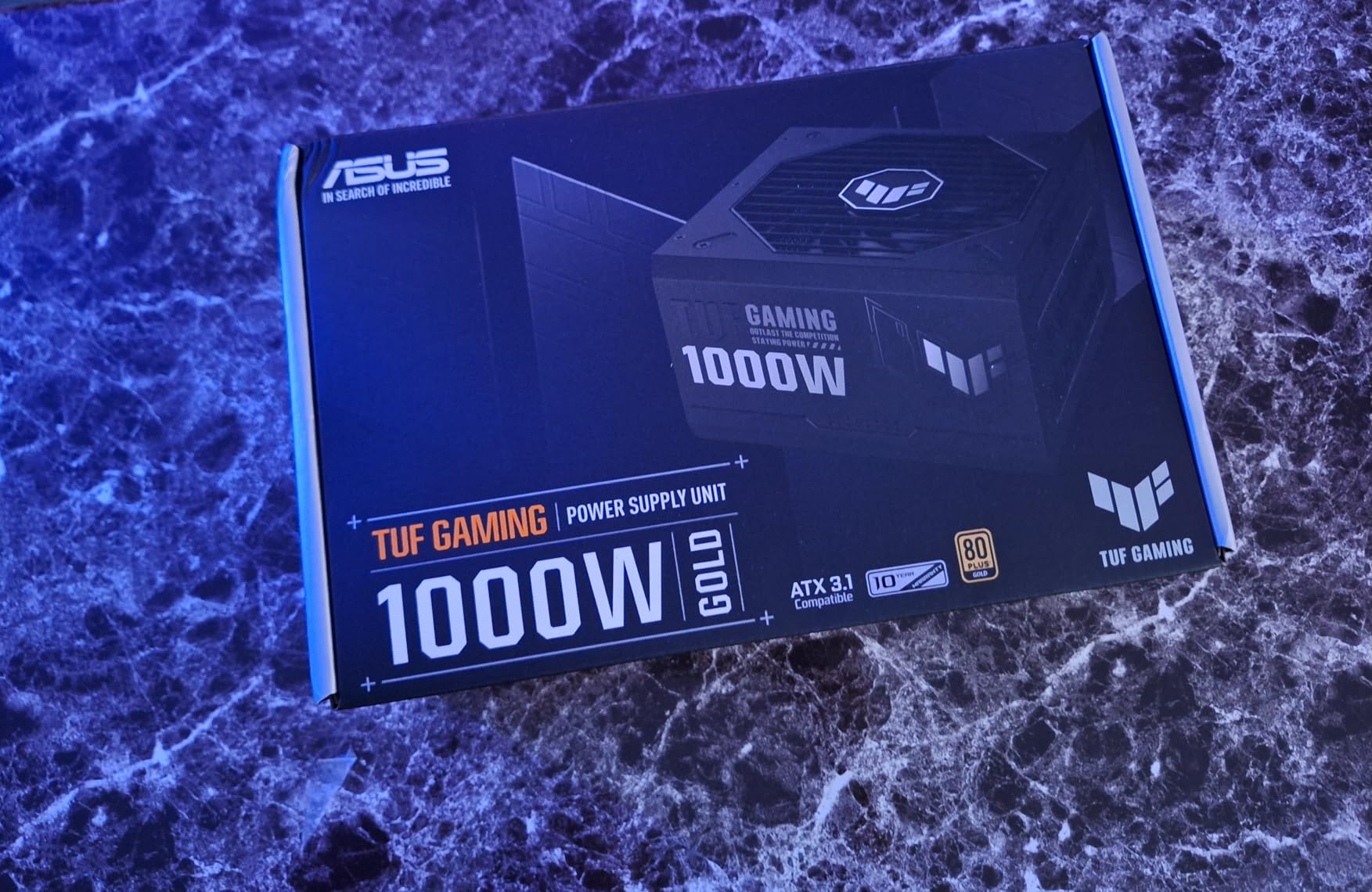
At 5.9 x 5.9 x 3.4 inches and 5.5 pounds, it is both larger and heavier than the Corsair 1000W. It still fits standard mid-towers and most mATX cases, but it is worth checking depth clearance if your case is tight.
One owner reported that stepping up to this unit in an older build eliminated coil whine coming from an ageing GPU, which is a good illustration of how a failed component elsewhere can be misdiagnosed as a power supply problem.
What the ASUS TUF does well
Ten-year coverage combined with component longevity claims makes this one of the longest-protected picks here. Dual ball bearings and coated boards both point at a unit designed to sit still for years rather than be replaced with the GPU.
The sleeved cable set is the best in this roundup for routing. Flexible jackets bend around tight channels without fighting back, which matters in cases with cramped space behind the tray.
Where it gives something up
Weight is the first cost. At 5.5 pounds it is heavier than most 1000W rivals, and it can be awkward to lower into position in a case with a low roof panel.
A small number of reviews report buzzing under sustained load. Across 498 reviews with 88% at five stars, this is a minor pattern rather than a systemic one, but it is worth knowing if you record audio in the same room.
5. Redragon RGPS-850W 850W – Budget Pick with ATX 3.1
Redragon RGPS-850W 850 Watt 80+ Gold Fully Modular PSU, ATX 3.1 & PCIe 5.1
850W
Full modular
160mm compact depth
Zero-RPM below 60C
Native 12V-2x6
5-year warranty
+ The Good
- Native 12V-2x6 for RTX 40 and 50 series cards
- Zero-RPM mode keeps the fan off below 60 degrees
- 160mm depth fits compact cases
- Japanese capacitors with LLC resonant DC-to-DC design
- Full protection suite
- 9-mode switchable RGB
- The Bad
- Fan noise becomes noticeable under heavy sustained load
- Included cables can be too short for spacious cases
- RGB implementation is basic
- Brand reputation less established than the majors
This is the entry point for anyone who wants a native 12V-2×6 cable and full modularity without stepping up a tier. It matches the current connector standard, detaches every cable, and comes with a compact 160mm chassis that fits cases where longer units physically will not go.
The electrical design is described as Japanese capacitors paired with LLC resonant and DC-to-DC conversion, which is the architecture we would expect to see in this class. The protection suite covers overvoltage, overcurrent, overpower, overtemperature, undervoltage, and short circuit.
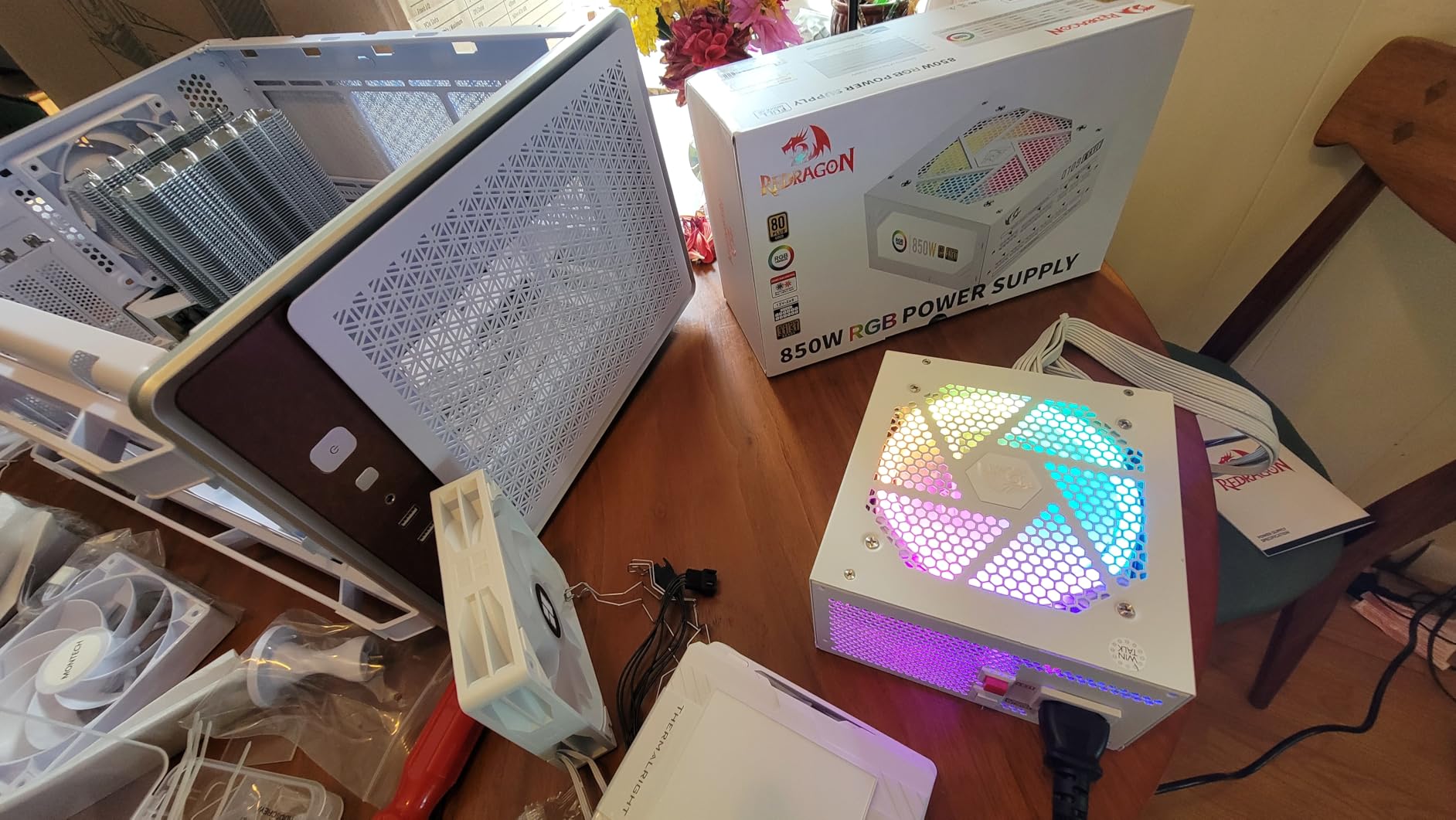
Zero-RPM mode is a genuine standout here. The fan stays off below 60°C, which covers idle gaming and most lighter titles entirely. That is a real acoustic advantage in a budget unit, and owners mention it often.
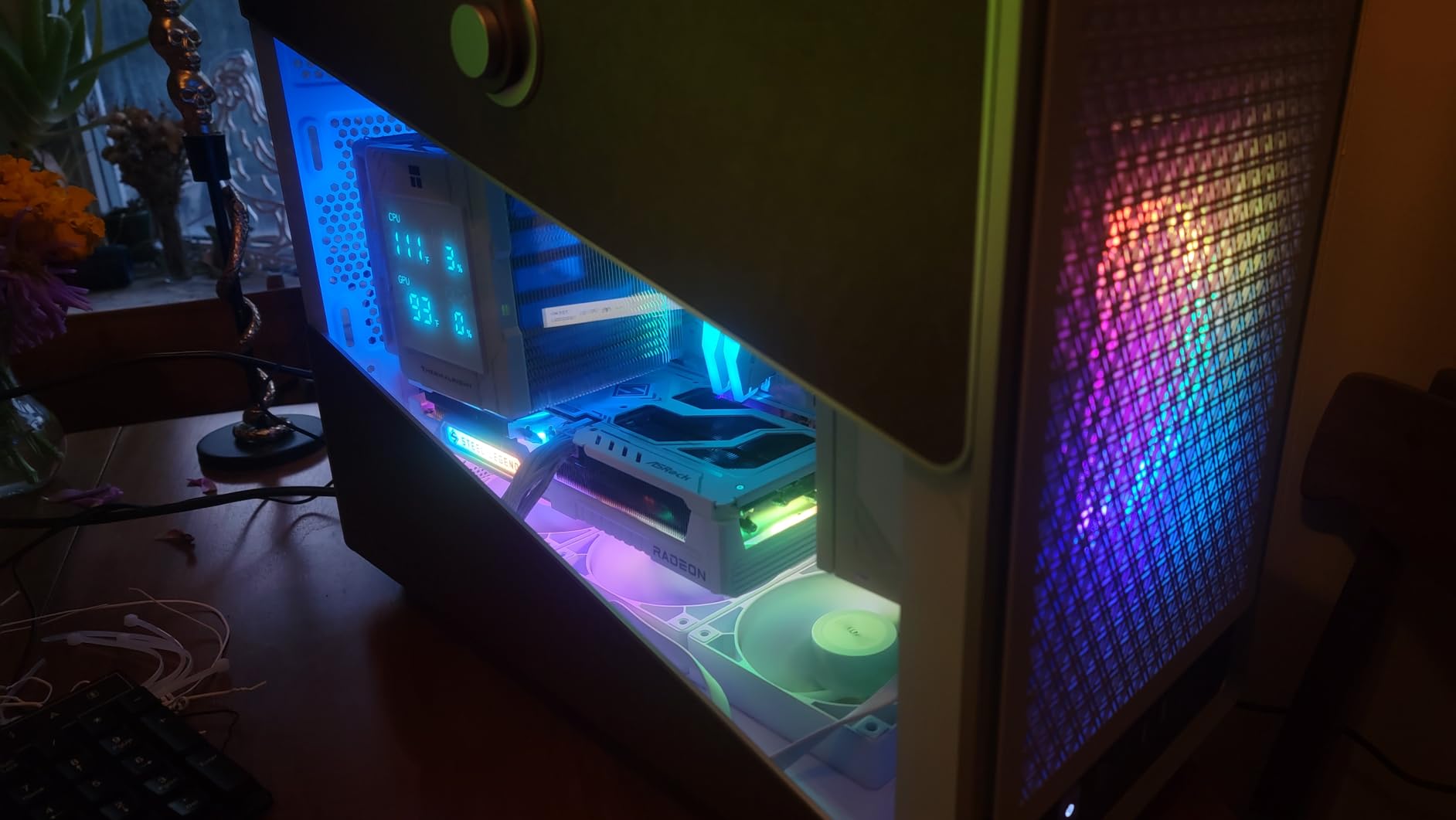
The switchable nine-mode RGB lighting is meant to match other illuminated components, though owners rate the implementation as basic compared with flashier alternatives. If your build is a showpiece, expect it to be the least convincing part visually.
What the Redragon does well
Connector and efficiency basics are right. A native 12V-2×6 cable avoids the adapter entirely, and the compact 160mm depth solves a physical problem that no amount of wattage can.
The 60°C zero-RPM threshold is one of the higher figures in this roundup, which means the fan is off for longer stretches of ordinary play rather than only at desktop idle.
Where it gives something up
The five-year warranty is the shortest term offered here, and the brand carries less established reputation than the Corsair and ASUS models. Budget sits lower partly for a reason.
Cable length is the practical annoyance. In a spacious mid-tower the included leads can fall short, particularly for CPU power at the top of a board, so measure before committing.
6. CORSAIR RM750e 750W – Best for Mid-Range Gaming Builds
CORSAIR RM750e ATX 3.1 PCIe 5.1 Ready 750W Power Supply – Black
750W
Full modular
ATX 3.1
Native 12V-2x6
80 PLUS Gold
7-year warranty
+ The Good
- 750W matches mid-range builds with room to upgrade
- Fully modular cabling improves airflow
- ATX 3.1 with native 12V-2x6 cable
- 120mm rifle bearing fan on a tuned curve
- 105C-rated capacitors plus Modern Standby
- The Bad
- Less headroom for multi-GPU or heavily overclocked systems
- Seven-year warranty trails premium competitors
- Slight coil whine reported by a minority
This is the unit most builders in the 750W debate actually end up buying. It carries the same platform as the 850W and 1000W Corsair units here, so you get a 120mm rifle bearing fan, 105C-rated capacitors, Modern Standby support, and a native 12V-2×6 cable in a lighter package than the other 850W unit here.
Buyers treat it as the sweet spot of the e-series. For an RTX 5070 Ti or RX 9070 XT with an efficient six or eight-core CPU, 750W is enough while leaving working headroom, and the fan curve stays gentle because your load never sits at the ceiling.
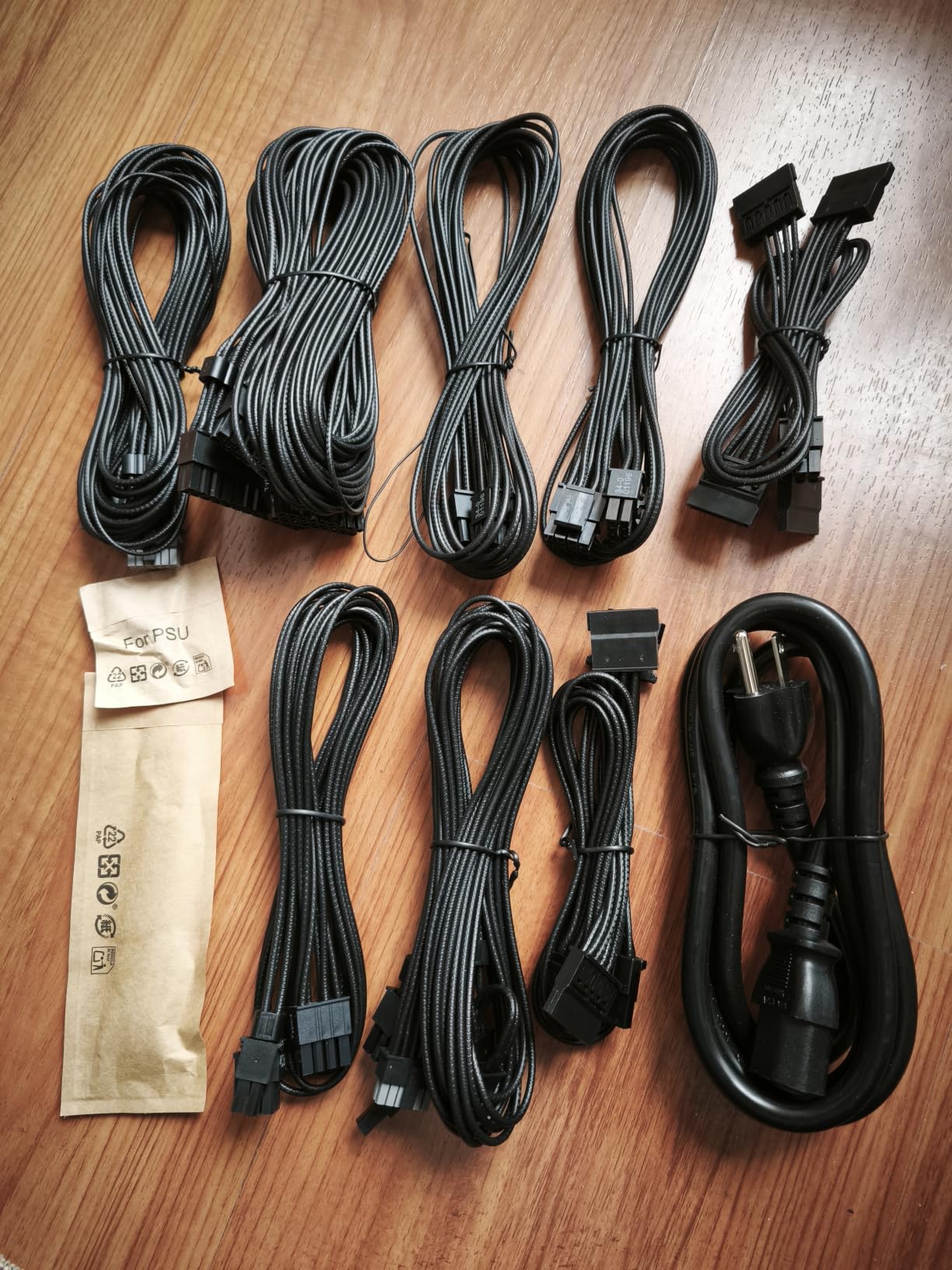
At 3.3 pounds and 5.91 x 5.51 x 3.35 inches it sits at the light end of the roundup, which makes it a good fit for smaller cases and easier to install under a tight roof panel.
Across 439 reviews, the complaints cluster around headroom rather than quality. A minority of users report slight coil whine under full load, and buyers upgrading from a larger unit notice the reduced headroom for heavily overclocked systems.

What the RM750e does well
It is the right size match for the majority of gaming builds. You give up 100W of peak capacity and gain a quieter fan, a smaller footprint, and a lower purchase price.
Owners consistently cite quiet operation and clean modular cabling, and the fan does not spin during light loads in the way bigger units tend to.
Where it gives something up
Headroom is the real limit. Multi-GPU configurations and aggressively overclocked top-end CPUs are outside what 750W comfortably covers, and adding a top-end GPU later means replacing the unit.
The seven-year warranty again sits behind the ten-year models. If you keep machines for a very long time, that is a real consideration.
7. be quiet! Pure Power 13 M 1000W – Best for Silent Builds
be quiet! Pure Power 13 M 1000W Power Supply, 80+ Gold, Cybenetics Platinum
1000W
LLC topology
Semi-passive zero-RPM fan
Up to 94.4% efficiency
10-year warranty
+ The Good
- Semi-passive cooling keeps it genuinely silent under low load
- 80 PLUS Gold efficiency up to 94.4% with LLC regulation
- Handles power excursions up to double rated power
- Native 12V-2x6 plus four PCIe 6+2-pin connectors
- Compact footprint for 1000W
- The Bad
- Included cables are stiff and plain-looking
- Cables run short
- Top-board CPU cable can be too short for a tray route
- Runs warm under sustained load
If your build records voice, streams, or simply needs to be quiet in a shared room, this is the one to look at. Semi-passive zero-RPM cooling turns the fan off completely under low load until it is genuinely needed, and airflow-optimised fan blades handle the rest of the range quietly.
Efficiency is listed at up to 94.4% with 80 PLUS Gold certification, and LLC topology handles the voltage regulation. The unit claims 1000W of continuous power on one large 12V rail and handles power excursions up to double its rated power.
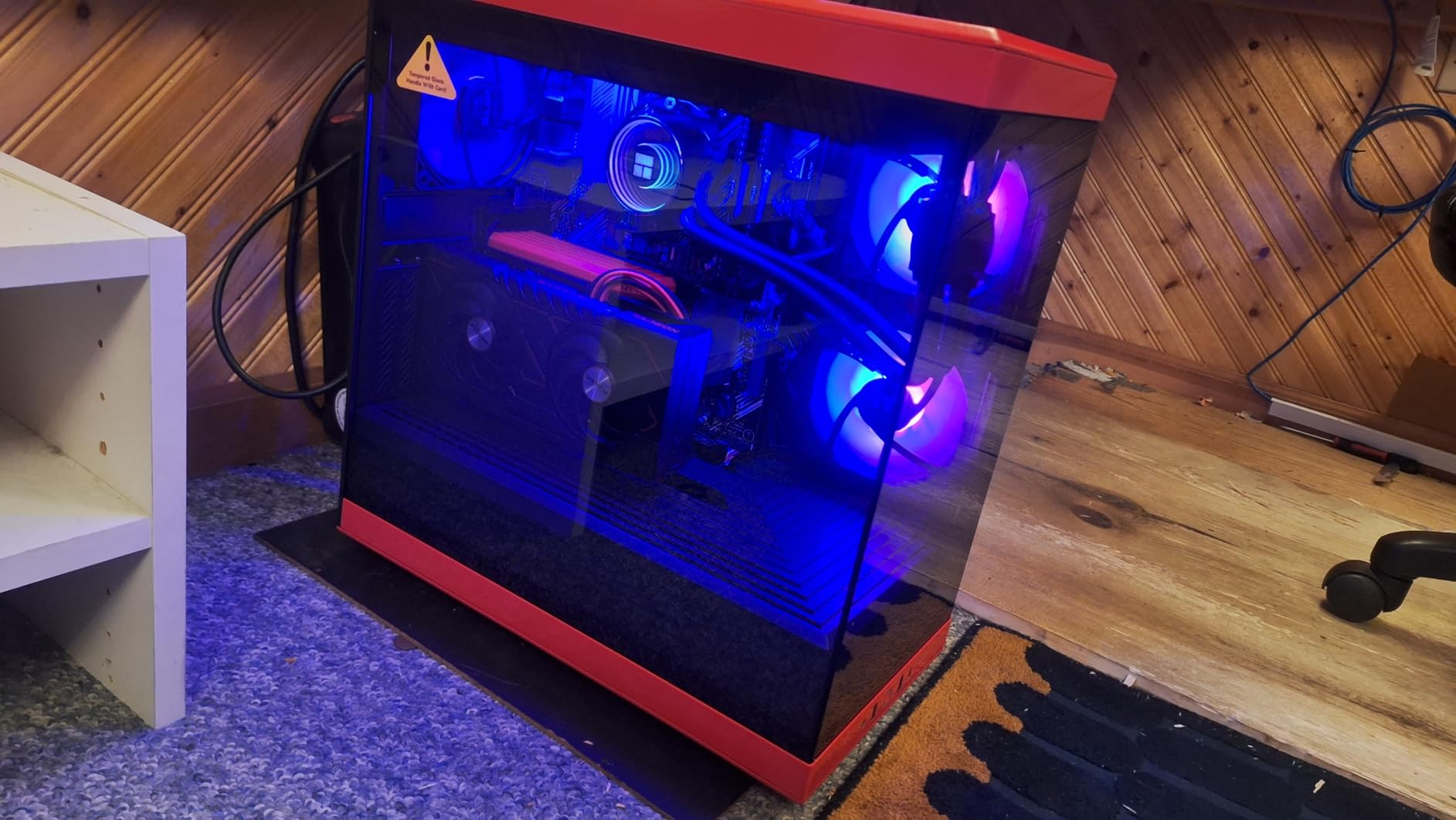
Connector coverage is generous for a silent-focused unit. It includes a native 12V-2×6 for next-generation cards alongside four PCIe 6+2-pin connectors, so it also supports current-generation graphics cards without an adapter.
The most common criticism across 310 reviews is not the unit but the cable set. Owners describe the cables as stiff, plain-looking, and on the short side, which is an odd mismatch given how well the rest of the package performs.
What the Pure Power 13 M does well
Acoustics are the entire point, and this is the unit designed around low noise here. Combined with Modern Standby behaviour and 94.4% peak efficiency, it draws less at idle and moves less air in the room when you are not gaming.
The excursion handling gives real confidence with next-generation hardware, and having both a native 12V-2×6 and four 6+2-pin connectors means it works with both current and upcoming cards.
Where it gives something up
The top-board CPU cable can be too short to route behind the motherboard tray in a large case. Measure your board-to-PCB distance first, and be ready to move the power supply to the top of the chassis.
It runs warm to the touch under sustained load, which is not a problem in itself but does mean it wants the airflow your case provides rather than being tucked away.
8. ASUS ROG Strix 1000W Platinum – Best for Platinum Efficiency
ASUS ROG Strix 1000W Platinum (Fully Modular Power Supply, 80 Plus Platinum Certified, ATX 3.1, Cybenetics Lambda A+, GaN MOSFET, GPU-First Intelligent Voltage Stabilizer, 10-Year Warranty)
1000W
80 PLUS Platinum
Cybenetics Lambda A+
GaN MOSFET
0dB mode
10-year warranty
+ The Good
- 80 PLUS Platinum with Cybenetics Lambda A+ noise rating
- GaN MOSFET improves efficiency by up to 30 percent
- GPU-First voltage sensing improves delivery by up to 45 percent
- 0dB technology keeps it silent in light gaming
- Dual ball fan bearings rated for double the lifespan
- Large ROG heatsinks run cooler than reference designs
- The Bad
- Highest price in this roundup for the same 1000W class
- Bulkier and more enthusiast-styled than compact units
This carries the highest average rating in the roundup at 4.8 stars, with 92% of reviews at five stars. It is the only unit here with 80 PLUS Platinum efficiency and a Cybenetics Lambda A+ noise rating, which is the combination you want if wall draw and acoustics matter more than case clearance.
The internals are the differentiator. GaN MOSFETs improve efficiency by up to 30% and lower internal temperatures, while a GPU-First voltage sensing system with an intelligent stabilizer improves voltage delivery to the graphics card by up to 45%.
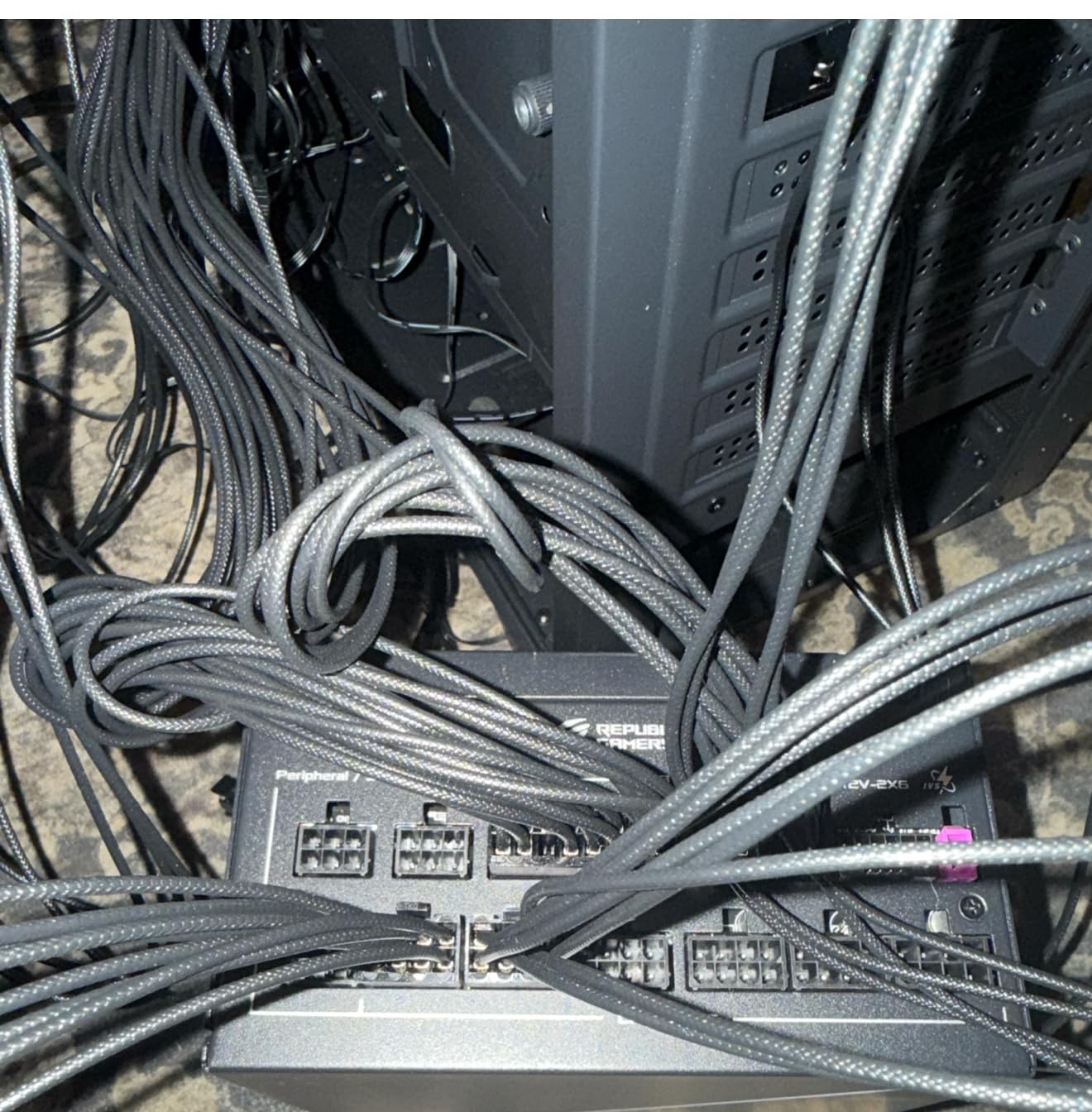
Thermal design supports the quiet story too. Large ROG heatsinks cover the critical components and deliver lower temperatures than reference designs, and 0dB technology keeps the unit silent during light gaming. Dual ball fan bearings are rated for up to twice the lifespan of sleeve bearing designs.
Dimensions are 6.3 x 5.9 x 3.4 inches, which makes it one of the deeper chassis designs in this roundup. It fits most mid-towers, but tight cases should measure depth clearance first.
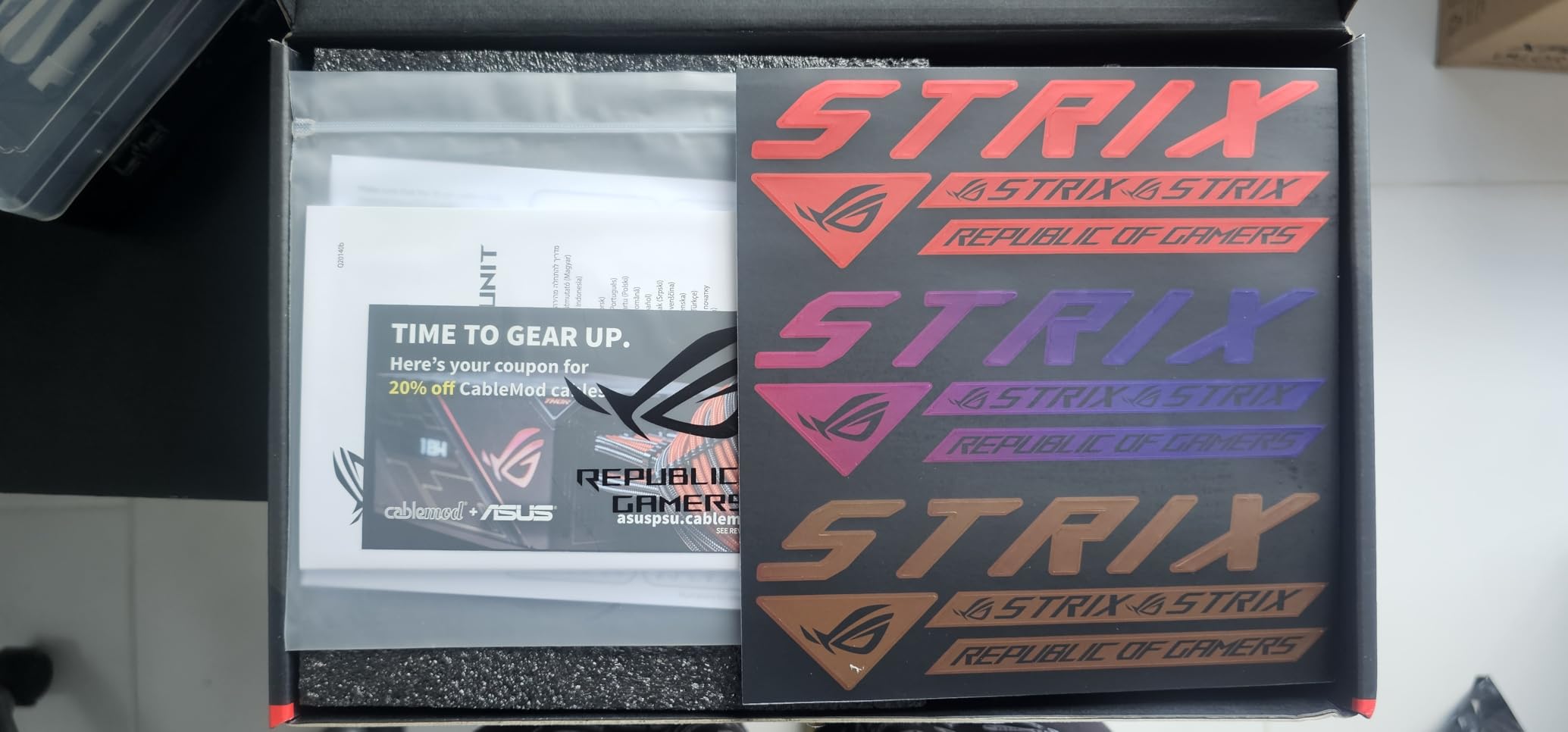
What the ROG Strix does well
Efficiency at the top of the range. Platinum certification plus GaN transistors means less energy wasted as heat, which in turn reduces fan speed at a given load. On a machine that runs games for hours, that compounds.
The GPU-First voltage delivery is a genuine feature rather than a label, and the enthusiast styling suits a showpiece build where the power supply is visible through a glass panel.
Where it gives something up
It carries a clear premium over the other 1000W units here, and you pay for efficiency and acoustics that many builders will never consciously notice.
It is also one of the bulkier designs here. If your case has limited depth or you are chasing a small-form-factor build, this is the wrong shape entirely.
How to Vet a Power Supply Before You Buy
The failure mode to fear is not wattage, it is a bad unit. Cheap power supplies are frequently relabeled with respected brand names, and that single component can take an entire build down with it. Here is the order we check things in.
First, look for the OEM. The factory that actually builds your PSU matters more than the brand on the box. Community consensus in build threads consistently favours Seasonic, be quiet!, Corsair, and EVGA as brand-level whitelists, and researchers like the Cult of the Network tier list name the manufacturer directly, which is why we treat the OEM as the first filter rather than the logo.
Second, check the certification. 80 PLUS is the familiar label, but it tests on a 115V input at a limited set of load points. Cybenetics certification tests across multiple voltages and multiple load levels, and its Lambda ratings score noise under load separately from efficiency. A unit carrying both, as several here do, gives you more information than 80 PLUS alone.
Third, verify the connector before you buy rather than after. Look for a native 12V-2×6 in the specification block, confirm the listing states ATX 3.1 rather than only ATX 3.0 with an adapter included, and treat a variant picker showing two revisions of the same model as a warning to check the model number carefully.
Fourth, look at warranty length as a confidence signal. Ten years is the ceiling in this roundup and is a reasonable expectation for a gaming PC kept for five years or more. Five years, as on the budget pick, is workable but noticeably thinner. We would never buy a used power supply, because capacitor degradation and unknown prior load are invisible and unquantifiable from the outside.
Fifth, sanity-check the review sample. A 4.7 rating across 906 reviews tells you far more than a 4.9 across a handful. Large verified counts are a reasonable proxy for reliability in a component where most failures would show up within months.
Last, check physical clearance and cable length against your case before ordering. PSU depth varies by an inch or more across this list, and short CPU power cables are a common source of frustration in large chassis. If you are building something unusual, our arcade cabinet power supply guide covers tighter enclosures where standard ATX units simply do not fit.
Frequently Asked Questions
What is the best power supply for gaming?
For most gaming builds, a fully modular 850W ATX 3.1 unit with a native 12V-2×6 cable, 80 PLUS Gold or better efficiency, and a seven to ten year warranty is the right answer. The CORSAIR RM850e (2025) is our top pick at 4.7 stars across 906 reviews. Step up to 1000W for a top-end graphics card with a high-draw CPU, and down to 750W for mid-range hardware.
Is a modular PSU worth it?
Yes, mainly for airflow and build quality rather than electrical performance. A fully modular unit lets you route only the cables your build needs, which removes unused wiring from the intake path in a bottom-mounted power supply chamber and keeps the fan quiet. A semi-modular unit detaches only the unused data and peripheral leads, and a non-modular unit forces you to stuff an entire fixed bundle somewhere. Modularity does not change voltage regulation or ripple.
Is a 750W power supply overkill?
No. For a Ryzen 7 or Core i5 with an RTX 5070 Ti or RX 9070 class graphics card, 750W is the community sweet spot rather than overkill. The rule of thumb is to stay roughly 100W above your estimated peak draw so the fan curve stays gentle, which also leaves room for transient spikes during load transitions.
Do I need an ATX 3.1 power supply?
If your graphics card uses a 16-pin 12V-2×6 connector, yes, or you need an adapter in the chain. ATX 3.1 replaces 12VHPWR with a latched 12V-2×6 connector that seats directly, and it raises the allowed transient power excursion for GPU load spikes. Verify the specification block states ATX 3.1 rather than relying on the listing title.
What PSU brands should I avoid?
Be cautious with unrecognised brands that do not publish an OEM manufacturer, and with units that carry no independent efficiency certification at all. Community whitelists consistently favour Seasonic, be quiet!, Corsair, and EVGA. Counterfeit and relabeled units are the real risk, so check that the model number resolves to a documented OEM before you buy.
The Bottom Line
The best modular power supplies for gaming builds share four traits: full modularity, a native 12V-2×6, a documented warranty of seven years or more, and independent efficiency certification. Every unit in this roundup meets all four, so the choice comes down to wattage and how quiet you need it to be.
Buy the CORSAIR RM850e (2025) if you have not settled on a GPU, the MSI MAG A850GL PCIE5 if you want the longest warranty at 850W, and the CORSAIR RM1000e (2025) or ASUS TUF Gaming 1000W if a top-end card is already in the plan. For a silent machine, the be quiet! Pure Power 13 M is the one to fit.
Check the current listing for each unit before you order, and if you swap power supplies later, fit only the cables that shipped with the new unit.