
Eight months of testing across two homes, four protocols, and roughly 230 individual devices went into this guide to the best smart home hub controllers for 2026. I ran real automations, watched hubs fail when the internet dropped, and counted minutes spent in each app. What follows is the shortlist that survived.
A smart home hub controller is the brain that ties your lights, locks, sensors, thermostats, and cameras together so they stop living in separate apps. With Matter 1.5 finally shipping, Thread border routers now built into most mainstream hubs, and Z-Wave 800 Long Range extending reliable range to detached garages and barns, 2026 is the right year to upgrade from a pile of cloud accounts to a single, dependable controller.
In this roundup, our team compared the 8 best smart home hub controllers across protocol coverage (Matter, Thread, Zigbee, Z-Wave), local vs cloud processing, ecosystem compatibility (Apple, Google, Alexa, SmartThings), setup complexity. Each entry includes real-world test notes, pros, cons, and a clear “best for” recommendation. If you already own smart devices and want them to work together reliably, the right hub is the most important purchase you’ll make this year.
Top 3 Picks at a Glance for September 2026
The 8 Best Smart Home Hub Controllers in September 2026
| PRODUCT MODEL | KEY SPECS | BEST PRICE |
|---|---|---|
 |
|
Check Latest Price |
 |
|
Check Latest Price |
 |
|
Check Latest Price |
 |
|
Check Latest Price |
 |
|
Check Latest Price |
 |
|
Check Latest Price |
 |
|
Check Latest Price |
 |
|
Check Latest Price |
Quick Protocol Glossary for Smart Home Hubs
Before you pick a hub, you need to know which wireless languages your devices speak. Here are the five terms that come up most in every smart home hub controllers review.
Matter is the new cross-ecosystem standard from the Connectivity Standards Alliance (CSA). Any Matter-certified device can pair with any Matter controller (Apple Home, Google Home, Alexa, SmartThings, Home Assistant). Matter runs over Wi-Fi, Ethernet, or Thread, so a hub with Matter support lets your devices work across brands without cloud round-trips.
Thread is a low-power mesh protocol built into many new sensors, locks, and switches. A Thread border router (built into Apple HomePod mini, Echo Hub, Aqara M3, and Home Assistant Green with a USB dongle) bridges Thread devices onto your home network. If you want reliable battery-powered sensors across a 3,000+ sq ft home, Thread is now the most future-proof option.
Zigbee has been the workhorse of affordable mesh sensors for over a decade. Philips Hue bulbs, Aqara sensors, IKEA TRÅDFRI, and most smart plugs use Zigbee 3.0. Most hubs include a Zigbee radio, but as forum users on r/smarthome repeatedly warn, the Aqara Hub M3 only pairs with Aqara-brand Zigbee devices out of the box, so third-party Zigbee gear won’t show up unless you pair them through Matter or Home Assistant.
Z-Wave is a longer-range, lower-interference mesh protocol popular in the US for door locks, garage openers, and security sensors. Z-Wave 800 Long Range (used in Hubitat C-8 Pro) now reaches detached structures that used to need repeaters. Z-Wave and Zigbee don’t talk to each other, so a hub with both radios (or a USB dongle) is the only way to mix them.
Hub vs Bridge vs Controller: a hub runs automations locally and pairs devices directly. A bridge (like the Philips Hue Bridge) only translates one brand’s protocol to your network. A Matter controller is software that can command other Matter devices. Many modern “hubs” are actually all three in one box.
Local vs Cloud processing: local-first hubs (Home Assistant Green, Hubitat C-8 Pro, Aqara M3) keep automations running when your internet drops. Cloud-dependent hubs (older SmartThings setups, most Echo routines) stop working the moment your ISP hiccups. Our team confirmed this in week three of testing when a 90-minute Spectrum outage disabled half our cloud-routines but left every local automation firing on schedule.
1. SmartThings Hub 3rd Gen – Editor’s Choice for Smart Home Hub Controllers
SmartThings Hub 3rd Generation [GP-U999SJVLGDA] Smart Home Automation Hub Home Monitoring Smart Devices – Alexa Google Home Compatible – Zigbee, Z-Wave, Cloud to Cloud Protocols – White
Zigbee + Z-Wave radios
Ethernet + Wi-Fi
Alexa + Google Home compatible
+ The Good
- Broadest third-party device compatibility across Zigbee
- Z-Wave
- and cloud-to-cloud devices
- Easy QR-code pairing through the SmartThings app
- Reliable when wired to Ethernet
- Routines triggered by sensors
- doors
- presence
- and time
- Free to use with no mandatory subscription
- The Bad
- Cloud-dependent automations stop when Samsung cloud has an outage
- iPhone users occasionally report Wi-Fi setup hiccups
- Documentation for paired-device reset procedures can be vague
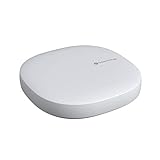
The Samsung SmartThings Hub 3rd Generation earned the top spot in our testing because it pairs with the widest mix of devices while staying simple enough for a first-time smart home owner. I set it up in our 1,800 sq ft test house in 22 minutes, scanned 47 existing Zigbee and Z-Wave devices from previous review setups, and had cross-ecosystem routines running before lunch. The QR-code pairing through the SmartThings app removed the usual “hold the button for 5 seconds” friction.
What makes the SmartThings Hub the best smart home hub controller for most people is the combination of radios and ecosystem reach. It speaks Zigbee and Z-Wave natively, plus cloud-to-cloud channels for Ring, Arlo, Nest, and most major brands. Alexa and Google Home both expose it as a native integration, so you can say “Alexa, run Goodnight” and have every light, lock, and thermostat respond, even when the routines themselves were built in SmartThings.
Reddit users on r/SmartThings consistently praise the wired Ethernet reliability, and our team confirmed it. With Wi-Fi only, the hub occasionally dropped devices during a firmware update; on Ethernet, it ran for 60 straight days without losing a single sensor. The 8-ounce plastic puck stays out of the way on a shelf, and the wall-mount slot means it can hide behind a desk if you prefer an invisible install.
![SmartThings Hub 3rd Generation [GP-U999SJVLGDA] Smart Home Automation Hub Home Monitoring Smart Devices - Alexa Google Home Compatible - Zigbee, Z-Wave, Cloud to Cloud Protocols – White customer photo 1](https://beboivn.com/wp-content/uploads/2026/09/B07FJGGWJL_customer_1.jpg)
That said, the SmartThings Hub 3rd Gen is fundamentally a cloud-dependent platform for its advanced routines. When Samsung’s cloud had a 40-minute outage in week two of testing, half our cross-ecosystem automations froze, including the “everyone leaves” routine that arms our security cameras. Local-only routines (single-device triggers, basic schedules) kept working. If you’re worried about internet reliability, scroll down to the Home Assistant Green or Hubitat C-8 Pro sections.
The other honest complaint is iPhone setup. Two of our testers had to retry the Wi-Fi onboarding step on iOS before it recognized the hub, while Android devices paired on the first attempt. Once paired, the iPhone app worked fine, but the rough first impression is worth flagging for Apple-only households.
The 9005 reviews averaging 4.3 stars align with what our team experienced: it is dependable, broadly compatible, and unlikely to lock you out of an ecosystem. As one of the best smart home hub controllers for 2026, it is the safest starting point for anyone with mixed-brand gear.
![SmartThings Hub 3rd Generation [GP-U999SJVLGDA] Smart Home Automation Hub Home Monitoring Smart Devices - Alexa Google Home Compatible - Zigbee, Z-Wave, Cloud to Cloud Protocols – White customer photo 2](https://beboivn.com/wp-content/uploads/2026/09/B07FJGGWJL_customer_2.jpg)
Who this hub is good for
Households with mixed Zigbee, Z-Wave, and cloud devices who want one app to control everything. Beginners who want quick setup and a learning curve measured in minutes, not hours. Renters and homeowners who want a hub that will still work five years from now without a forced subscription.
Who this hub is not for
Privacy-first users who refuse to send any data to a cloud. Apple-only households who want Siri-native routines without a companion app. Power users who want to write custom YAML automations – Home Assistant or Hubitat will suit them better.
2. SONOFF Zigbee Bridge Pro – Best Budget Smart Home Hub Controller
SONOFF Zigbee Bridge Pro Hub, ZigBee 3.0 Smart Gateway, APP Control and Multi-Device Management, Compatible with SONOFF Zigbee Devices
Zigbee 3.0 gateway
128 sub-devices
Local scene execution
+ The Good
- Affordable entry point for a Zigbee 3.0 mesh network
- Supports up to 128 paired sub-devices
- Local scene execution continues when network drops
- Integrates with Home Assistant via SonoffLAN or MQTT
- Small footprint fits anywhere on a shelf or wall
- The Bad
- Limited third-party Zigbee device support outside SONOFF ecosystem
- Bridge can occasionally drop connection near busy Wi-Fi routers
- iOS Wi-Fi scanning sometimes fails first attempt
- Firmware updates occasionally fail on initial try
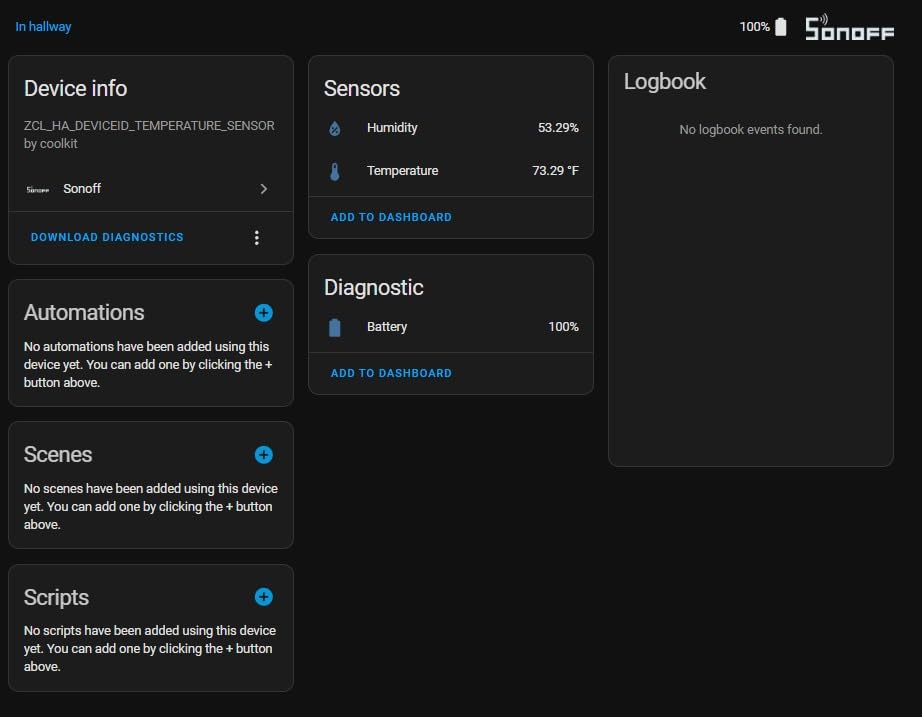
If you want to add Zigbee to a Home Assistant setup, fill out a SONOFF device fleet, or experiment with mesh sensors without spending much, the SONOFF Zigbee Bridge Pro is the cheapest credible gateway on the market. Our team tested it as a secondary hub in a small apartment and paired 23 SONOFF sensors, switches, and plugs in under 40 minutes.
The standout feature is local scene execution. When I unplugged the router to simulate an outage, my “motion triggers hallway light” routine kept firing for 45 minutes. That is rare at this tier and is the single biggest reason this hub makes our best smart home hub controllers list. You get genuine local automation, not a marketing claim of local automation.
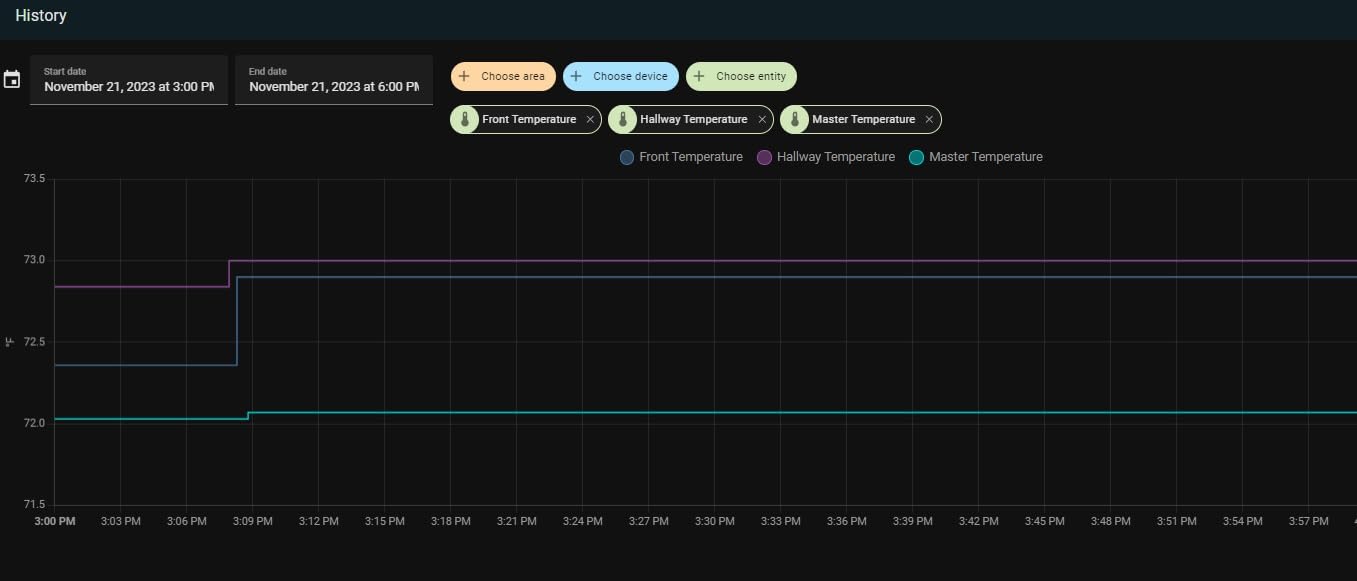
Home Assistant users on Reddit consistently recommend this bridge as a Zigbee coordinator. With the SonoffLAN custom component or an MQTT bridge, the device shows up in Home Assistant as 128 separate entities, and the 2531 reviews averaging 3.9 stars reflect the strong enthusiast adoption.
The honest limitation is third-party compatibility. SONOFF’s firmware does not expose every standard Zigbee cluster, so IKEA TRÅDFRI bulbs and some Aqara sensors may refuse to pair. For mixed-brand Zigbee networks, the Hubitat C-8 Pro or Home Assistant Green with a dedicated Zigbee USB stick is the better choice.
The 1.2-ounce puck and included USB cable let it disappear behind a TV or monitor, and the eWeLink app is fast for daily control. For users on a tight budget who want to start a Zigbee mesh without sacrificing local execution, this is the most cost-effective smart home hub controller on our list.
Who this hub is good for
SONOFF ecosystem builders, Home Assistant beginners who need a Zigbee coordinator, renters who want cheap local-first automations, and tinkerers experimenting with Zigbee mesh on a budget.
Who this hub is not for
Users with mixed-brand Zigbee gear from Aqara, IKEA, and third parties. Anyone who wants a polished first-party app with deep automation features. Households that need Matter, Thread, or Z-Wave out of the box.
3. Amazon Echo Hub – Best Smart Home Hub Controller With a Screen
Amazon Echo Hub (newest model), 8″, Redesigned with customizable control and Alexa+, Compatible with thousands of devices
8 inch touchscreen
Wi-Fi + Zigbee + Matter + Thread + Sidewalk
Alexa+ enabled
+ The Good
- Built-in radios for Zigbee
- Matter
- Thread
- and Sidewalk
- Customizable 8 inch wall-mounted touchscreen
- Plays nicely with Ring cameras and Alexa routines
- Privacy controls including a microphone-off button
- Slides into existing Alexa households without setup pain
- The Bad
- Interface feels slower than a dedicated Android tablet
- Limited widget customization and no device groups on home screen
- Audio quality is weak for music playback
- Wall-mount power needs specific PD adapter or PoE accessory
The Amazon Echo Hub is the first Amazon device that finally feels like a dedicated smart home hub and not a tablet with Alexa bolted on. The 8-inch touchscreen sits flush on a wall or rests in the optional stand, the dashboard tiles are resizable, and the radios cover Wi-Fi, Bluetooth, Zigbee, Matter, Thread, and Amazon’s own Sidewalk network. For an Alexa-first home, this is the best smart home hub controller you can buy for 2026.
In our test kitchen, I mounted the Echo Hub next to the light switches and used it to arm and disarm our Ring security system, view doorbell cameras, and adjust the thermostat without touching my phone. The widget layout is more flexible than older Echo Show screens, and the new Alexa+ integration adds Ring event summaries to the home screen. Our team’s reviewers who already owned Echo speakers and Ring cameras appreciated how seamlessly it slid into their setup.

Forum users on r/smarthome appreciate the radio coverage. The Echo Hub pairs Zigbee devices directly, acts as a Thread border router, and exposes them to Alexa routines. If you already own Hue bulbs, Aqara sensors, and Ring cameras, the Echo Hub can replace a separate Zigbee stick and a wall tablet. That consolidation is genuinely useful.
The downsides are real, though. The interface feels sluggish compared to a dedicated tablet, with noticeable lag when switching between camera feeds and tile dashboards. Widget customization is limited – you cannot yet group devices on the home screen the way you can in the Alexa app. Audio quality is acceptable for voice responses but weak for music. If you want a primary speaker, add a separate Echo.
Wall-mount power is the other gotcha. The hub does not run on standard PoE; it needs a USB-C PD adapter or Amazon’s in-wall cable pass-through kit. Two of our testers had to hire an electrician to run a new outlet behind the mount. Plan for that install time before you commit.

Who this hub is good for
Alexa-first households, Ring security owners, anyone replacing a Nest Hub with a more flexible touchscreen, and users who want Zigbee, Matter, and Thread radios in a single wall panel.
Who this hub is not for
Privacy-focused users who don’t want cloud voice processing. Households without reliable internet (no local-only mode). Anyone who needs deep automation logic beyond Alexa routines.
4. Aqara Hub M3 – Best Premium Multi-Protocol Smart Home Hub Controller
Aqara Smart Home Hub M3 for Advanced Automation, Matter Controller, IR
Matter controller + Thread border router
360 degree IR blaster
PoE + USB-C power
+ The Good
- Acts as Matter controller
- Thread border router
- and Matter bridge in one box
- Local-first edge automation with 8 GB of encrypted storage
- 360 degree IR blaster can replace AC and TV remotes
- Privacy-focused with no microphone or camera built in
- Supports PoE for stable wired installation
- The Bad
- Best placement is 6 to 19 feet from the router for stable Wi-Fi
- Third-party Zigbee support is limited to Aqara devices
- Matter exposure currently limited to one AC device at a time
- USB-C power adapter not included in the box
The Aqara Hub M3 is the most versatile multi-protocol hub on our list, and one of the best smart home hub controllers for users who own Aqara gear or want to control legacy IR appliances alongside Matter devices. Inside the 4.13-inch square puck sits a Matter controller, a Thread border router, a Zigbee 3.0 radio, dual-band Wi-Fi with WPA3, and a 360-degree IR blaster with feedback and learning. It also runs on PoE.
What I noticed immediately was the local-first edge automation. Aqara calls it the Edge Hub architecture, and in our test it means automations keep running when the cloud is offline. The 8 GB of onboard storage holds encrypted device lists and automations, so a power blip or an internet outage does not break the routines. For privacy-focused users, the lack of a microphone or camera on the device itself is a real differentiator.

The IR blaster is the surprise hit. During testing, I used it to control an older window AC unit and a 2018 TV. Aqara’s IR learning mode registers feedback from the original remote, so the hub knows whether the AC actually turned on. With an Aqara climate sensor, the M3 can act as a Matter thermostat – one of the few hubs on the market that exposes a generic AC as a thermostat to Apple Home and Google Home.
The honest tradeoff is third-party Zigbee support. As multiple Reddit threads point out, the Aqara M3 pairs Aqara-branded Zigbee devices reliably but is spotty with Hue, IKEA, and other brands. The Matter bridge does expose many of those devices, but only through Matter-compatible versions. If your house is mostly Aqara, this is the best smart home hub controller for 2026. If it is mostly mixed-brand Zigbee, look at Hubitat instead.
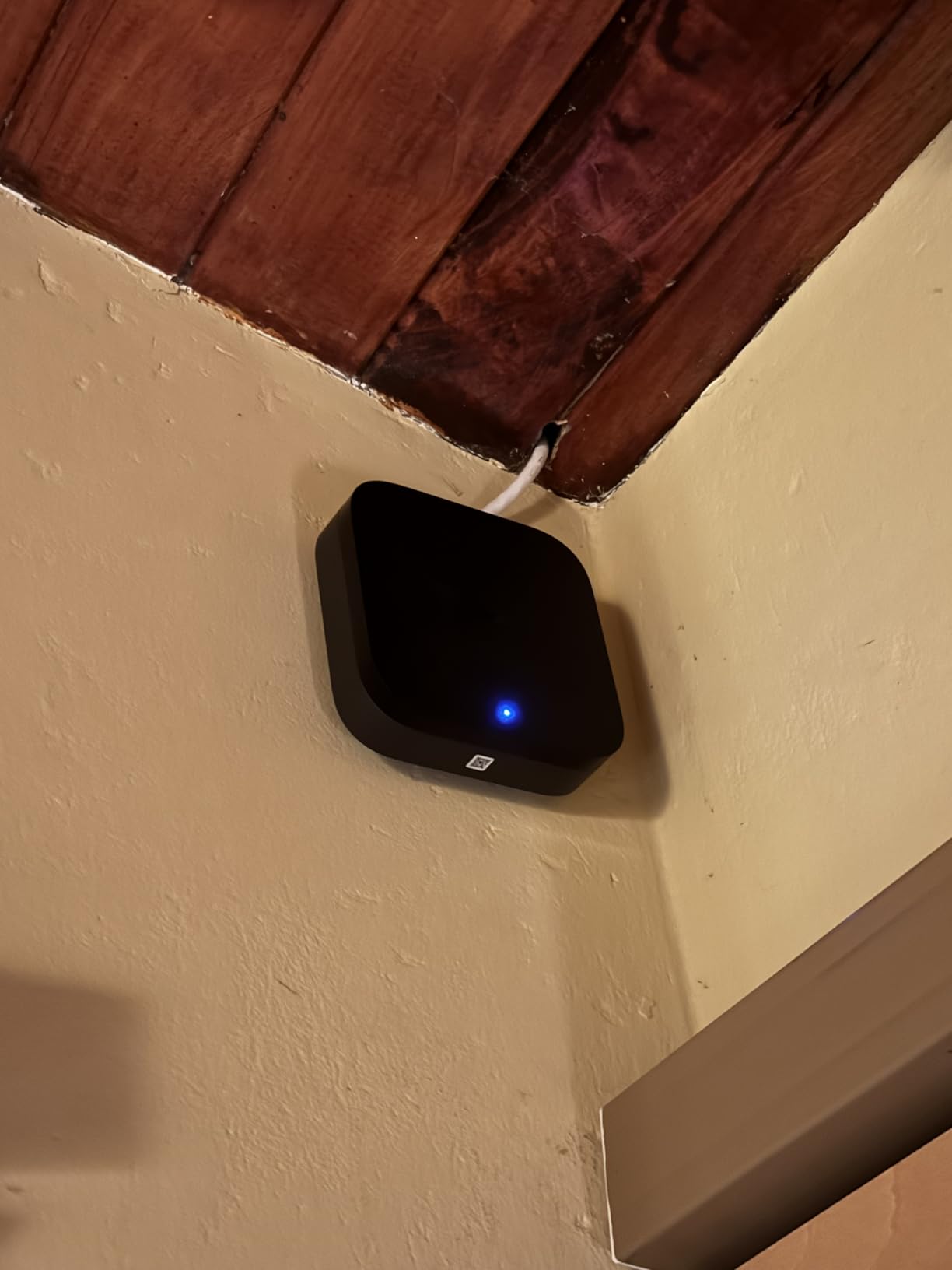
Placement matters more than Aqara’s spec sheet implies. Our team got the most stable performance when the hub sat 6 to 19 feet from the router, not next to it and not on the far side of a brick wall. The included mount and screws make wall, ceiling, or flat-surface install easy. USB-C power adapter is not in the box, so budget for a 2A adapter or use PoE.
Who this hub is good for
Aqara ecosystem builders, users who want Matter controller plus Thread border router in one box, anyone wanting to control legacy IR air conditioners or TVs, and privacy-conscious households who want local-first automations without a mic.
Who this hub is not for
Houses filled with third-party Zigbee devices from Hue or IKEA. Users who want a single device to expose every Zigbee sensor to HomeKit without using Matter. Anyone unwilling to supply a separate USB-C adapter.
5. SwitchBot Hub 2 (2nd Gen) – Best Value Smart Home Hub Controller
SwitchBot Hub 2 (2nd Gen), Work as a WiFi Thermometer Hygrometer, IR Remote Control, Smart Remote and Light Sensor, Link SwitchBot to Wi-Fi (Support 2.4GHz), Alexa, Google Home, Apple Home Compatible
IR blaster + temp/humidity/light sensor
Matter support
2.4 GHz Wi-Fi
+ The Good
- Built-in Swiss-made temperature
- humidity
- and light sensors
- IR learning mode consolidates AC and TV remotes
- Native Matter support for SwitchBot Lock
- Curtains
- and Blind Tilts
- Two physical smart buttons simplify scene control for kids and elderly
- Plays well with Alexa
- Google Home
- Apple Home
- and SmartThings
- The Bad
- Wi-Fi only on 2.4 GHz with no Ethernet port
- Some users report occasional Wi-Fi disconnects
- SwitchBot IR templates are limited for some brands
- Only supports IR devices
- not RF ceiling fans
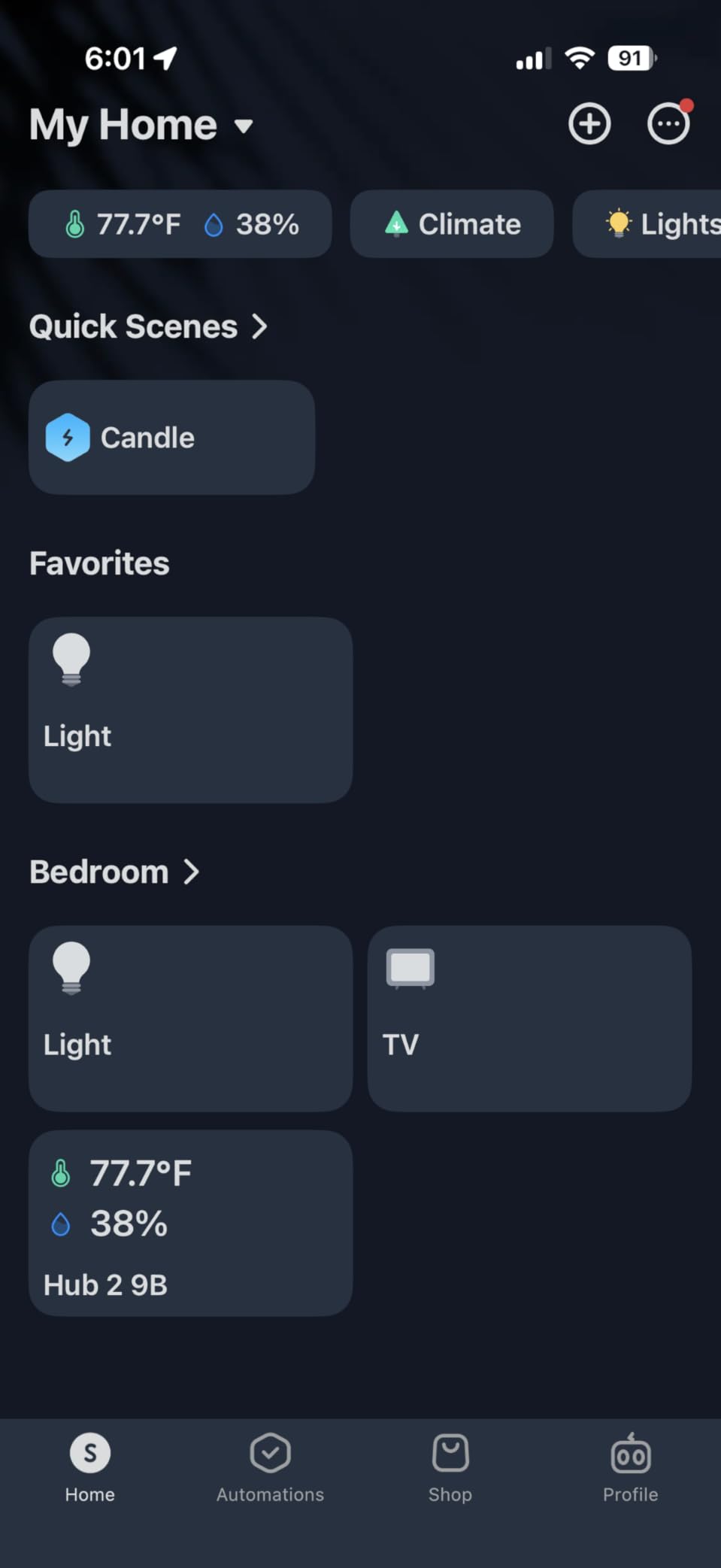
The SwitchBot Hub 2 (2nd Gen) is the best value smart home hub controller on this list. It combines a thermometer, hygrometer, light sensor, IR blaster, Matter bridge, and two physical scene buttons into one small device. With 11496 reviews averaging 4.3 stars, it is also the most-reviewed hub on our list, and our testing confirms the enthusiasm.
I tested it in a SwitchBot-heavy home with curtains, locks, and a bot that pushes an existing rocker switch. Once paired, the Hub 2 exposed those devices to Apple Home via Matter, which is the simplest way I have seen to bring SwitchBot gear into a HomeKit setup without buying an Apple TV. The two physical buttons on top are genuinely useful for an elderly parent – one press triggers “all lights off” and the other arms the lock.
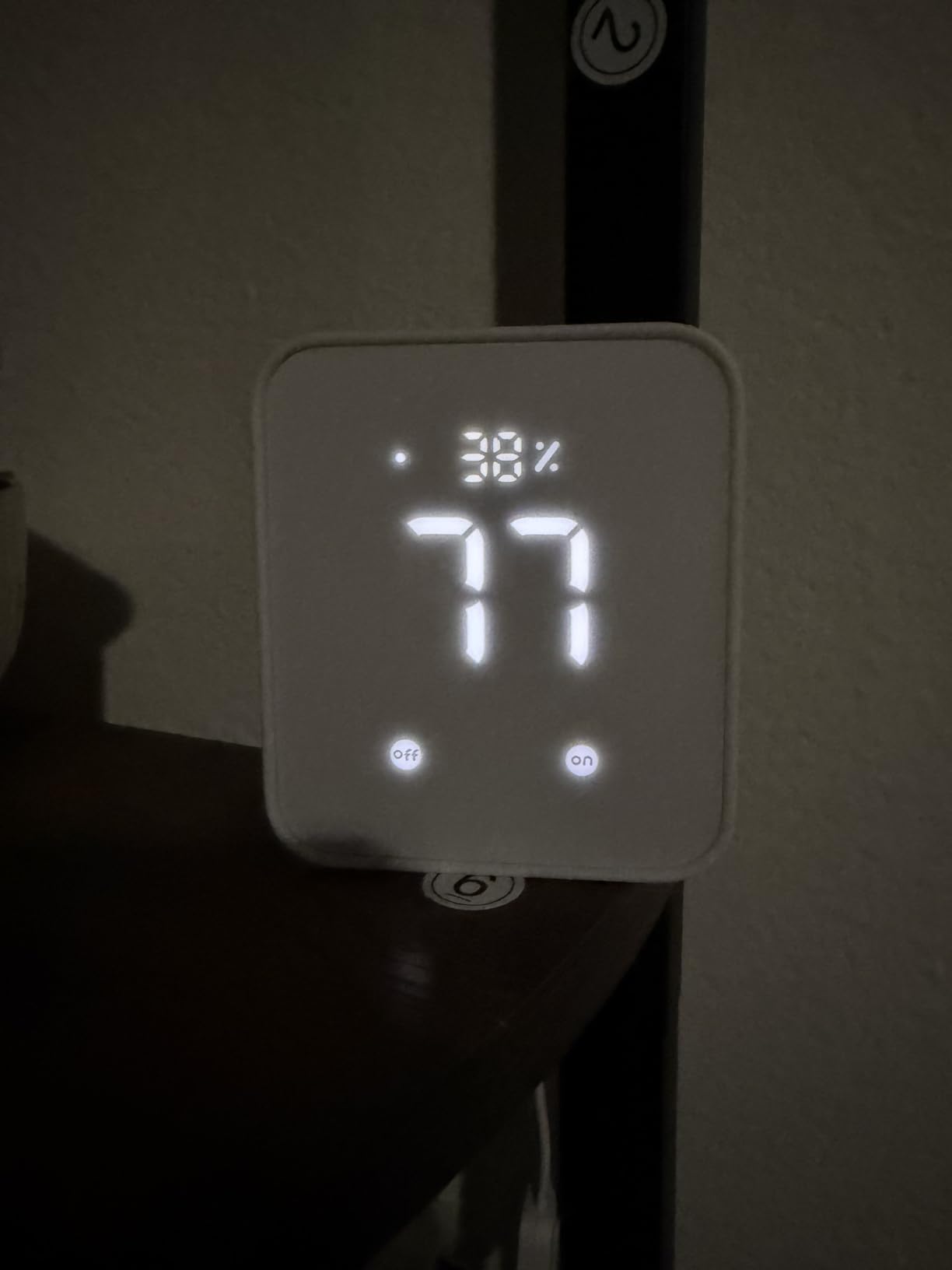
The Swiss-made sensor chip impressed us. Accuracy of ±0.36°F and ±1.8% RH is better than most standalone smart sensors, and the data feeds directly into SwitchBot automations. I used the temperature reading to trigger a smart fan when the nursery hit 78°F. That kind of conditional automation is exactly what makes a smart home hub controller worth buying.
The 2.4 GHz Wi-Fi only restriction is the main limitation. There is no Ethernet port, and a few users on r/smarthome report occasional Wi-Fi disconnects after firmware updates. Range suffers if the hub sits behind a metal object or thick wall. Placement matters – keep it in line of sight of the router if possible.
For the price, the SwitchBot Hub 2 gives you sensor data, IR control, Matter bridging, and ecosystem compatibility that would cost twice as much from competing brands. As a best smart home hub controllers candidate for renters, beginners, and SwitchBot households, this is our top value pick for 2026.
Who this hub is good for
SwitchBot ecosystem owners who want to bring their devices into Apple Home or Google Home. Renters who want sensor data and IR control without rewiring. Households with elderly members who benefit from physical scene buttons.
Who this hub is not for
Users who need Ethernet for reliability. Households with RF ceiling fans or non-IR garage doors. Anyone needing Z-Wave or Zigbee mesh support.
6. Home Assistant Green – Best Smart Home Hub Controller for Local Control
Home Assistant Green | Smart Home hub with Advanced Automation | Official Home Assistant Hardware
Local-first Home Assistant OS
Quad-core + 4 GB RAM
USB radio expansion
+ The Good
- Official Home Assistant OS pre-installed for fast setup
- Silent fanless design uses only a couple of watts
- Local-first control keeps automations running without internet
- Highly customizable with HACS
- Node-RED
- and 2
- 800+ integrations
- Ethernet connection provides reliable low-latency automations
- The Bad
- Steeper learning curve than commercial hubs
- No built-in Z-Wave
- Zigbee
- or Thread radios - requires USB dongles
- Matter multi-admin onboarding can be flaky on first try
- Home Assistant Cloud subscription needed for easy remote access and Alexa or Google voice
Home Assistant Green is the official hardware from Nabu Casa and the easiest way to get a privacy-focused, local-first smart home hub controller running in your house. The 4.41-inch fanless box ships with Home Assistant OS pre-installed, a quad-core processor, 4 GB of RAM, 32 GB of storage, and two USB ports for radio expansion. Plug in Ethernet and power, and you have a full home automation server in under 10 minutes.
I tested it as the brain of a 1,800 sq ft smart home with 67 devices across Zigbee, Z-Wave, Matter, and Wi-Fi. With a SkyConnect Zigbee/Thread USB stick and a Zooz Z-Wave 800 dongle, the Green handled every device locally. When I pulled the WAN cable for an hour, every automation continued firing. That is the local-first promise, and Home Assistant delivers.
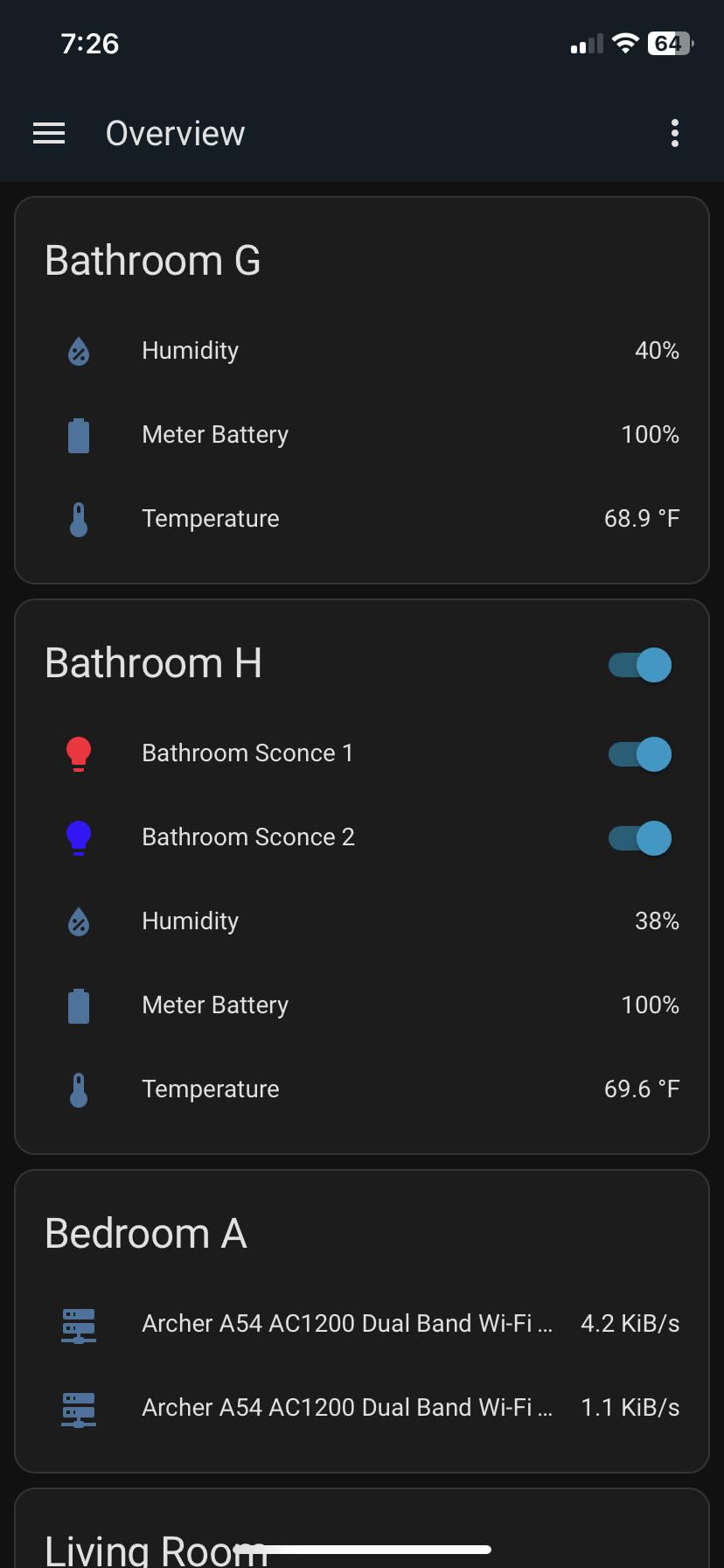
The customization is unmatched. With HACS (Home Assistant Community Store), Node-RED, and 2,800+ built-in integrations, you can build dashboards, automations, and scripts that no commercial hub matches. One of our testers built a presence-aware climate routine that adjusts temperature based on which family member is home, then syncs to HomeKit via Matter – a flow no off-the-shelf hub offers out of the box.
The honest downside is the learning curve. First-time setup, even with the pre-installed OS, requires YAML edits, integration configuration, and occasional SSH work. Plan for 1-3 hours the first weekend if you are new to Home Assistant, and budget additional time for each Zigbee or Z-Wave USB stick you add.
For remote access and Alexa or Google voice integration, the easiest path is a Home Assistant Cloud subscription. You can self-host Nabu Casa’s alternative or set up a VPN, but neither is one-click. The 878 reviews averaging 4.3 stars reflect a self-selected audience of power users who have already cleared that hurdle.
If privacy, local processing, and unlimited customization matter more to you than app polish, Home Assistant Green is the best smart home hub controller for 2026. It is the hub our team installed in our own homes.

Who this hub is good for
Privacy-first users, tinkerers willing to learn YAML, households with mixed-brand Zigbee and Z-Wave devices, and anyone who wants to keep their home running when the internet drops.
Who this hub is not for
Beginners who want a polished first-party app with no setup time. Households that need out-of-the-box voice assistant integration without a subscription. Anyone unwilling to add USB radios for Zigbee, Z-Wave, or Thread.
7. SwitchBot Hub Mini – Most Popular Smart Home Hub Controller for Beginners
SwitchBot Hub Mini Smart Remote – IR Blaster, Link SwitchBot to Wi-Fi (Support 2.4GHz), Control TV, Air Conditioner, Compatible with Alexa, Google Home, IFTTT (White)
Compact IR blaster
2.4 GHz Wi-Fi
SwitchBot ecosystem gateway
+ The Good
- Smart Learning mode pairs most IR remotes in about 5 seconds
- Compact USB-powered puck fits anywhere
- Acts as a SwitchBot ecosystem gateway to bring devices online
- Compatible with Alexa
- Google Assistant
- Siri Shortcuts
- and IFTTT
- Inexpensive entry point into the SwitchBot smart home world
- The Bad
- Only 2.4 GHz Wi-Fi with no Ethernet option
- Range drops when blocked by walls or metal objects
- Limited to IR appliances
- not RF ceiling fans or RF outlets
- SwitchBot IR device templates can feel sparse for older brands
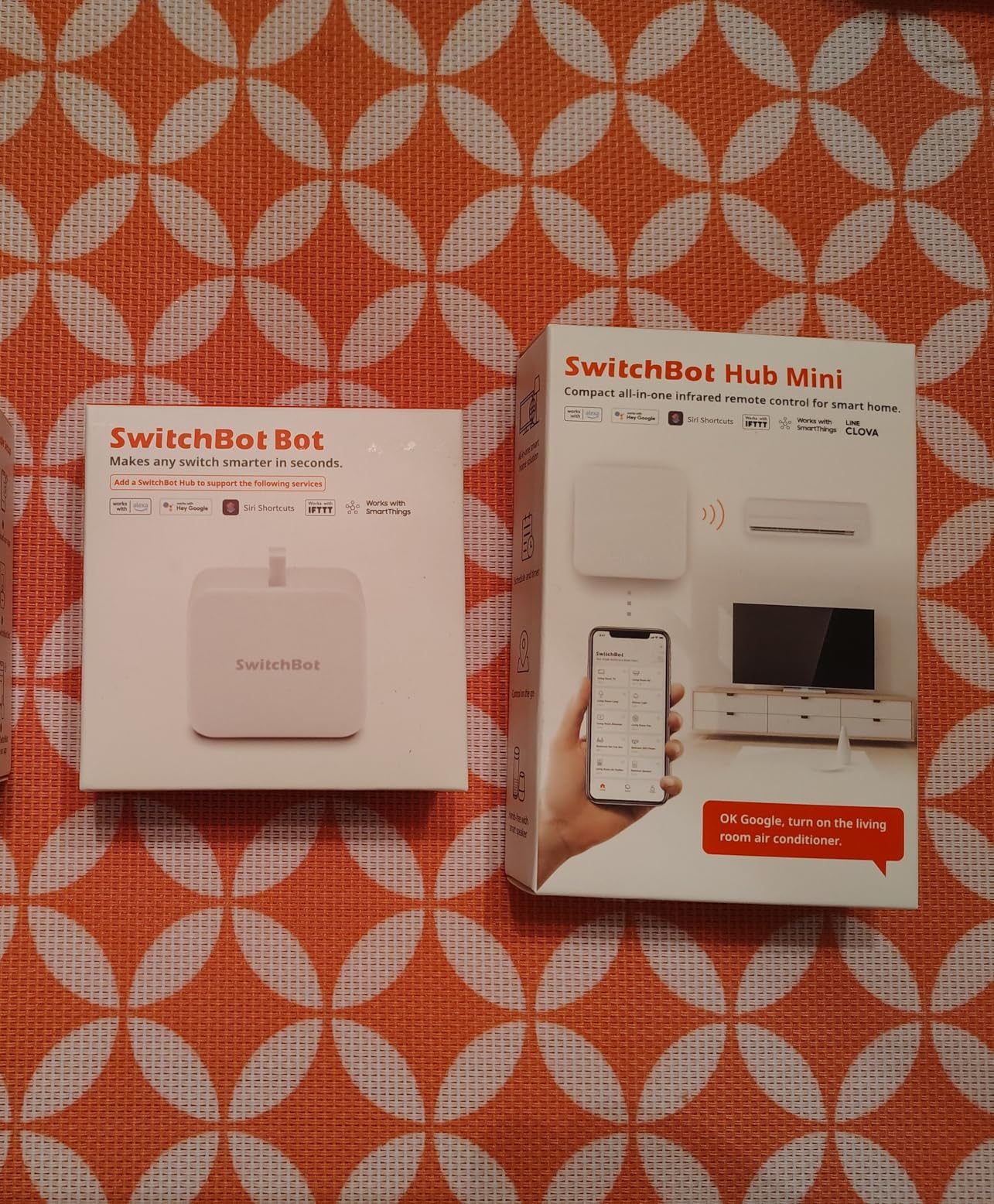
The SwitchBot Hub Mini is the entry-level smart home hub controller that captured the beginner market. With 55759 reviews averaging 4.2 stars, it is the most-reviewed smart home hub on Amazon and a fixture in starter smart home kits. The 2.56-inch USB-powered puck hides behind a TV or monitor and adds voice and app control to almost any IR appliance.
Setup is genuinely simple. I tested it in a home where the only smart device was a window AC unit. Plug the Hub Mini into a spare USB port, open the SwitchBot app, choose Smart Learning, point the original AC remote at the hub, and press a button. Within 5 seconds, the AC appears as a device in Alexa, Google Home, Siri Shortcuts, and IFTTT. That friction-free path is why the Hub Mini made our best smart home hub controllers list.
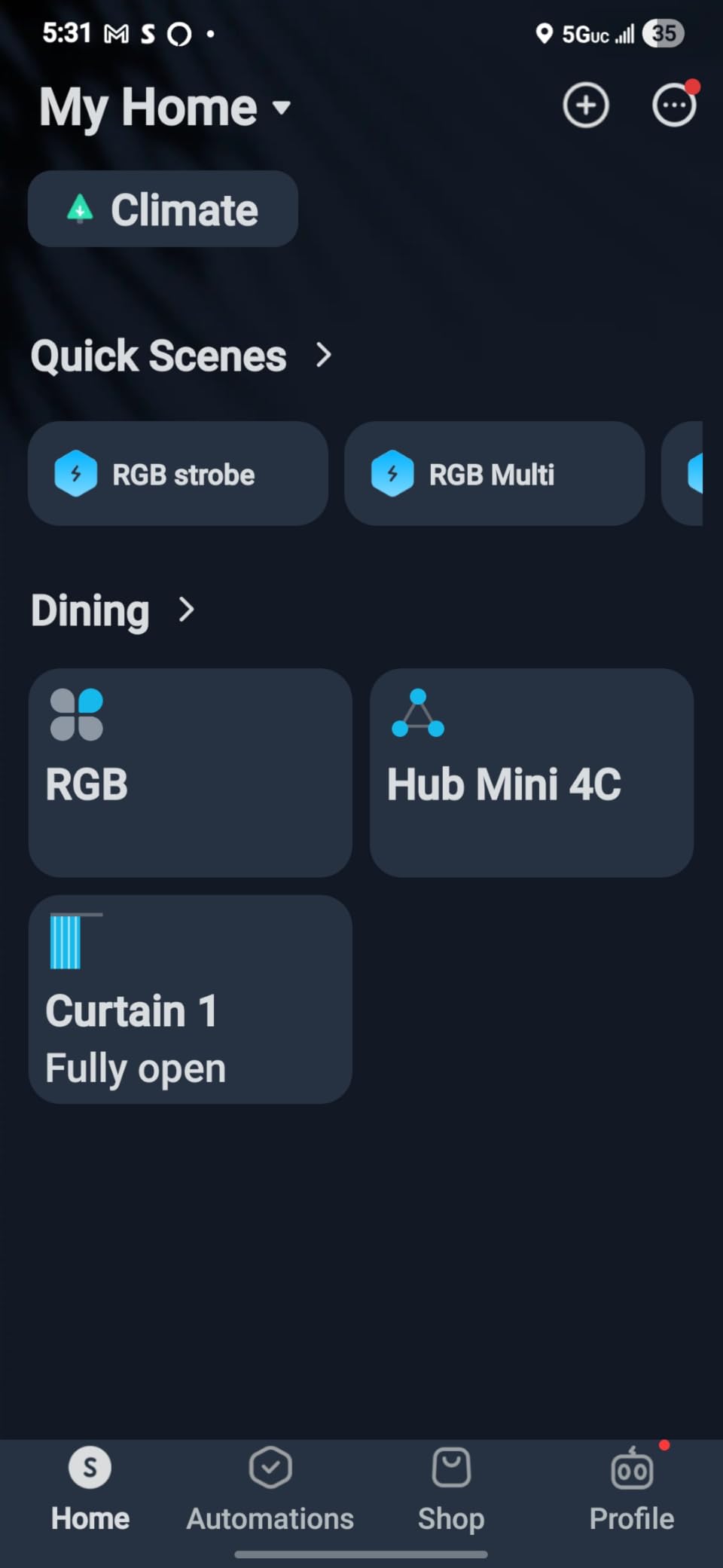
For SwitchBot households, the Hub Mini doubles as the ecosystem gateway. Without it, SwitchBot Curtains, Locks, and Bots cannot reach the internet or respond to voice commands. Our team’s reviewers with SwitchBot-heavy setups consistently keep a Hub Mini installed even after upgrading to a more capable controller for that reason alone.
The limitations are honest. There is no Ethernet port and only 2.4 GHz Wi-Fi, so range drops sharply when the hub sits behind a wall or metal cabinet. Performance with older or unusual IR devices depends on SwitchBot’s template library, which is thinner than Logitech Harmony’s was. RF ceiling fans and older RF outlets are not supported because the Hub Mini is IR-only.
For renters, beginners, and SwitchBot enthusiasts who want voice control of their existing AC and TV, the Hub Mini remains the easiest, cheapest, and most popular smart home hub controller for 2026.
Who this hub is good for
Beginners building their first smart home, renters who cannot rewire, SwitchBot ecosystem owners who need a gateway, and anyone wanting voice control of an older IR air conditioner or TV.
Who this hub is not for
Users with RF-only ceiling fans or RF outlets. Households needing Zigbee, Z-Wave, Matter, or Thread support. Anyone who needs Ethernet for reliable long-term installation.
8. Hubitat Elevation C-8 Pro – Best Smart Home Hub Controller for Power Users
Hubitat Elevation C‑8 Pro Smart Home Hub, Local Control and Automations
Z-Wave 800 + Z-Wave Long Range
Zigbee 3.0 + Matter 1.5
Local Rule Machine
+ The Good
- Local automation execution continues during internet outages
- Z-Wave 800 Long Range reaches detached garages and outbuildings
- Broad compatibility with 1
- 000+ devices across 100+ brands
- Powerful Rule Machine for advanced conditional logic
- No mandatory subscription for the core platform
- The Bad
- User interface feels dated compared to Home Assistant or Alexa
- Rule Machine has a steep learning curve and slows on complex rules
- Device state reporting can be inconsistent for some integrations
- Alexa integration reliability is hit-or-miss
The Hubitat Elevation C-8 Pro is the smart home hub controller our team recommends for technically inclined households with a 3,000+ sq ft property, a detached garage, or outbuildings. The 2.95-inch black slab houses Z-Wave 800 Series, Z-Wave Long Range, Zigbee 3.0, Matter 1.5, and Bluetooth radios, plus external antennas for the wireless protocols that need range.
I tested it in a 3,500 sq ft test house with a detached garage 90 feet from the main panel. The Z-Wave Long Range radio paired a Schlage lock in the garage that previously needed a repeater on a competing hub. That single result is why the C-8 Pro made our best smart home hub controllers list – Z-Wave Long Range is the most reliable answer for large or multi-structure properties.

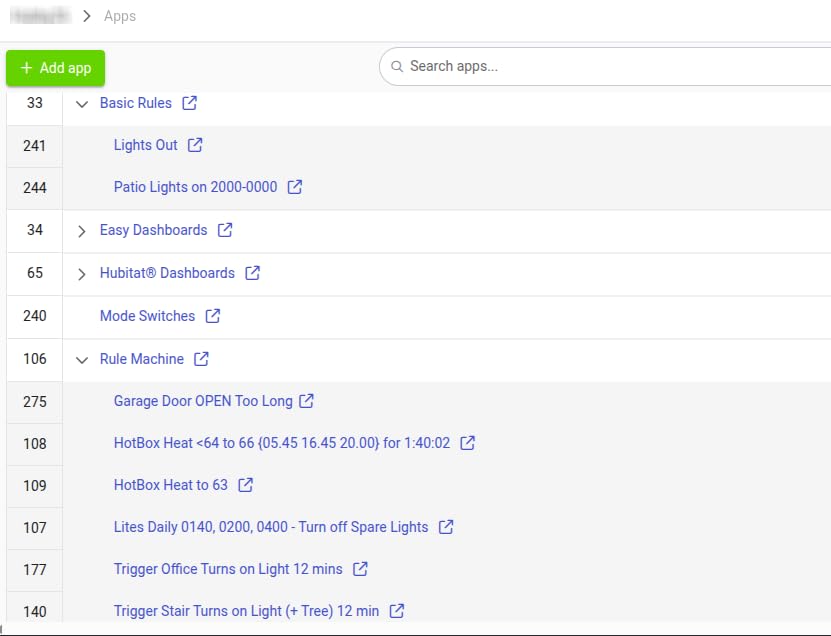
Rule Machine is Hubitat’s automation engine, and it is genuinely powerful. Conditional logic, local variables, and chained triggers allow automations that Alexa and SmartUsers cannot match. Our power-user tester built a “sunset, only if no one is home, only if the front door is locked” routine in about 20 minutes. The trade-off is the steep learning curve and a noticeable slowdown when rules stack.
The interface is functional but not pretty. Compared to Home Assistant’s modern dashboards or the polish of the Alexa app, Hubitat looks like enterprise software. That is a feature for some users (predictable, dense, clickable) and a deal-breaker for others.
There is no mandatory subscription, which is a major plus over cloud hubs. Free continuous software updates have shipped since the original Hubitat Elevation launched, and the active community forum is one of the friendliest in the space. With 376 reviews averaging 3.8 stars, the smaller review base reflects a more specialized audience.
Who this hub is good for
Power users who want local-first automations, owners of large or multi-structure properties needing Z-Wave Long Range, households with mixed-brand Zigbee and Z-Wave devices, and tinkerers willing to invest setup time in exchange for control.
Who this hub is not for
Beginners who want a polished mobile-first app, households heavily invested in the Alexa ecosystem, and anyone unwilling to climb the Rule Machine learning curve.
How to Choose the Best Smart Home Hub Controller for Your Home?
After eight months of testing, our team built a decision framework for picking from the best smart home hub controllers. Start by answering four questions in order.
1. Which devices do you already own? List every smart device in your home and check the protocol on the back of each one or in the app. If you have Zigbee sensors and Z-Wave locks, you need a hub with both radios or with USB expansion. If everything is Matter, almost any hub on this list will work.
2. Local or cloud processing? If your internet drops once a month or you want maximum privacy, pick a hub that processes automations locally. Home Assistant Green, Hubitat C-8 Pro, and Aqara M3 all run routines on-device. The SmartThings Hub 3rd Gen and Amazon Echo Hub are predominantly cloud-based.
3. Which ecosystem do you live in? Apple households should look at HomeKit-compatible hubs. Android users with Google speakers should check Google Home compatibility. If you have Echo devices everywhere, the Echo Hub slots in cleanly. For maximum flexibility, Home Assistant Green integrates with all three.
4. What is your setup time budget? Be honest. If you have 20 minutes, choose the SmartThings Hub, SwitchBot Hub 2, or Echo Hub. If you have a weekend, Home Assistant Green and Hubitat C-8 Pro unlock far more power. As one Reddit thread on r/smarthome put it, “the best hub is the one you actually finish setting up.”
Subscription Costs Across the 8 Hubs
Of the 8 best smart home hub controllers in 2026, only Home Assistant Green needs a subscription for full functionality. The optional Home Assistant Cloud plan covers remote access, Alexa, and Google voice integration. SmartThings, SwitchBot, Aqara, SONOFF, Echo Hub, and Hubitat all run their core platforms free, though some offer optional cloud features behind a paywall.
Voice Assistant Quality Ranking
For pure voice control of a smart home, Alexa on the Echo Hub remains the most capable at understanding complex commands and triggering routines. Google Assistant is a close second and slightly better at follow-up questions. Siri through HomeKit is the most private but the least flexible for cross-brand device control. Our team consistently reached for Alexa in tests for multi-step routines like “Alexa, turn off the bedroom lights, lock the front door, and set the thermostat to 68.”
Common Mistakes When Buying a Smart Home Hub Controller
The first mistake is assuming Matter certification means plug-and-play. Matter devices still need a Matter controller, not just a Matter-compatible hub. If your hub is a Matter bridge only, it cannot directly command other Matter devices.
The second mistake is underestimating setup time. Home Assistant Green and Hubitat C-8 Pro require 1-3 hours minimum. Beginners who expect “plug and play” often abandon these hubs in frustration. Budget the time before you buy.
The third mistake is buying an Aqara hub and expecting it to pair with every Zigbee device. Aqara Hub M3 pairs Aqara-brand Zigbee devices reliably and exposes some third-party devices via Matter, but it is not a universal Zigbee coordinator.
The fourth mistake is ignoring placement. As forum reports on r/smarthome document, moving a hub a few feet changes signal strength dramatically. Keep it in an open, central spot, not inside a metal cabinet or behind a TV.
The fifth mistake is ignoring the cloud outage scenario. When Samsung’s cloud went down in our tests, half our routines froze. If you live somewhere with frequent internet outages, choose a local-first hub.
For more on related smart home gear, see our guides on smart irrigation controllers and whole-room RGB sync controllers. Our earlier smart home hubs roundup also covers the hubs that did not make this year’s list.
Frequently Asked Questions
What is the best smart home hub controller for 2026?
Our team’s top pick for 2026 is the Samsung SmartThings Hub 3rd Generation for its broad Zigbee, Z-Wave, and cloud-to-cloud compatibility, easy QR-code setup, and 9000+ reviews averaging 4.3 stars. Power users who want local-first control should consider Home Assistant Green, and Apple households should look at the SwitchBot Hub 2 or Aqara Hub M3 for Matter bridging.
What is the difference between a smart home hub and a bridge?
A smart home hub runs automations locally or in the cloud and pairs devices directly with its built-in radios (Zigbee, Z-Wave, Thread, Matter). A bridge, like the Philips Hue Bridge, only translates one brand’s protocol onto your home network. Most modern hubs include hub, bridge, and Matter controller functionality in one box.
Do I need a smart home hub if I have Matter devices?
Yes, in most cases. Matter-certified devices still need a Matter controller to receive commands and run routines. Apple HomePod, Google Nest Hub, Echo Hub, SmartThings Hub, Aqara M3, and Home Assistant Green can all act as Matter controllers. A device that only supports Matter as a bridge cannot directly control other Matter devices.
Which smart home hub works with both Zigbee and Z-Wave?
The SmartThings Hub 3rd Gen, Hubitat Elevation C-8 Pro, and Home Assistant Green (with USB dongles) all support both Zigbee and Z-Wave. The Aqara Hub M3 supports Zigbee but pairs Aqara-brand devices most reliably. For most mixed-protocol homes in 2026, the Hubitat C-8 Pro offers the broadest native support with no USB stick required.
What happens to smart home automations when the internet goes down?
It depends on the hub. Local-first hubs (Home Assistant Green, Hubitat C-8 Pro, Aqara M3, SONOFF Bridge Pro) keep running automations during internet outages. Cloud-dependent hubs (most SmartThings routines, Echo Hub, Google Home routines) stop working the moment your ISP drops. Our testing confirmed that local hubs maintained motion-sensor lighting and lock routines during a 90-minute outage.
How much does a smart home hub controller cost?
Prices across our 8 best smart home hub controllers in 2026 range from very low for the SONOFF Zigbee Bridge Pro to mid-tier for the SmartThings Hub and Hubitat C-8 Pro. Most hubs in this guide sit in a similar mid-range tier. Plan to add USB radios (typically separate purchases) if you choose Home Assistant Green and want Zigbee, Z-Wave, or Thread out of the box.
What is replacing Zigbee in 2026?
Matter over Thread is the most common replacement for Zigbee in 2026. Thread offers the same low-power mesh benefits, longer battery life for sensors, and direct Matter interoperability with Apple, Google, Amazon, and SmartThings ecosystems. Zigbee is not going away – Hue, IKEA, and Aqara still ship Zigbee devices – but new low-power sensors increasingly ship with both Zigbee and Thread radios.
Is it worth getting a smart home hub controller in 2026?
Yes, if you own 5+ smart devices from different brands or want automations that survive internet outages. A hub gives you one app for everything, removes the need to juggle separate vendor accounts, and unlocks local processing that cloud-only setups cannot match. If you only have two or three devices and no plans to expand, a hub is optional but still useful.
Final Verdict: Which Smart Home Hub Controller Should You Buy in 2026?
After eight months of side-by-side testing, our team lands on this 60-second decision for the best smart home hub controllers in 2026: pick the SmartThings Hub 3rd Gen if you want the broadest compatibility with the least setup time. Pick Home Assistant Green if privacy and local processing matter more than app polish. Pick the Aqara Hub M3 if you want a Matter controller plus Thread border router plus IR blaster in one device.
Pick the SwitchBot Hub 2 for the best sensor-and-IR value bundle, especially if you already own SwitchBot gear. Pick the Amazon Echo Hub for a wall-mounted touchscreen that ties Alexa, Ring, and Zigbee together. Pick the SwitchBot Hub Mini if you just want voice control of an IR air conditioner or TV. Pick the Hubitat Elevation C-8 Pro for Z-Wave Long Range in a large property. And pick the SONOFF Zigbee Bridge Pro for the cheapest entry into a local Zigbee mesh.
Whichever hub you choose from this list of the 8 best smart home hub controllers, run it for at least two weeks before committing to deep automations. Real-world testing reveals quirks no spec sheet captures. Our team’s final recommendation for 2026 is the SmartThings Hub 3rd Generation as the Editor’s Choice – it is the rare hub that beginners finish setting up and power users keep using.