
The router is the last piece of hardware most gamers think about, and that is exactly why their ping still spikes at the worst possible moment. Your console decides where packets go, but the box in the hallway decides when those packets wait in line behind a 4K Netflix stream. We spent six weeks putting twelve routers through their paces in the same 1,600 sq ft test home to separate the hardware that fixes latency from the hardware that just looks expensive.
After that time, one thing stood out clearly. The best gaming routers under 300 dollars are not defined by raw speed numbers, RGB lighting, or marketing terms like ultra gaming engine. They are defined by jitter under load, bufferbloat behaviour, how many 2.5GbE ports you get, and whether the software lets you prioritise a single device without a support ticket. We logged ping, jitter, and packet loss while playing competitive shooters on both Wi-Fi and Ethernet, and we logged them again while the rest of the household streamed.
Every router in this guide sits under the 300 dollar ceiling, and most land well below it. If you want the wider picture on latency, we have a separate breakdown of the best gaming routers for low latency, and apartment dwellers may prefer our picks on compact travel routers for hotel room gaming.
Top 3 Picks for Gaming Under $300 in 2026
Our overall pick earns the top slot because it holds latency steady while the network is busy, ships with two 2.5G ports, and runs OpenWrt out of the box. The Wi-Fi 7 pick is the right choice if you already own Wi-Fi 7 client hardware. The value pick wins on port count and pure coverage.

TP-Link Archer AX11000
- › Wi-Fi 6 tri-band
- › 2.5Gbps WAN plus eight LAN ports
- › Link aggregation
- › HomeShield
12 Best Gaming Routers Under $300 (October 2026)
This table lists every router we tested against the same criteria: multi-gig port count, wireless standard, prioritisation controls, and the review history behind it. Prices move constantly, so use the price buttons rather than any number you may remember.
| PRODUCT MODEL | KEY SPECS | BEST PRICE |
|---|---|---|
 |
|
Check Latest Price |
 |
|
Check Latest Price |
 |
|
Check Latest Price |
 |
|
Check Latest Price |
 |
|
Check Latest Price |
 |
|
Check Latest Price |
 |
|
Check Latest Price |
 |
|
Check Latest Price |
|
|
Check Latest Price |
 |
|
Check Latest Price |
 |
|
Check Latest Price |
 |
|
Check Latest Price |
1. GL.iNet Flint 2 (GL-MT6000) – The Best Overall Gaming Router Under 300 Dollars
GL.iNet GL-MT6000 Flint 2 Wi-Fi 6 Gaming Router Dual 2.5G Ports
Wi-Fi 6 up to 6 Gbps
Dual 2.5G plus four 1G ports
1GB RAM with 8GB flash
2-year warranty
+ The Good
- Two 2.5G ports plus four Gigabit ports on a router this price
- WireGuard up to 900Mbps and OpenVPN up to 880Mbps
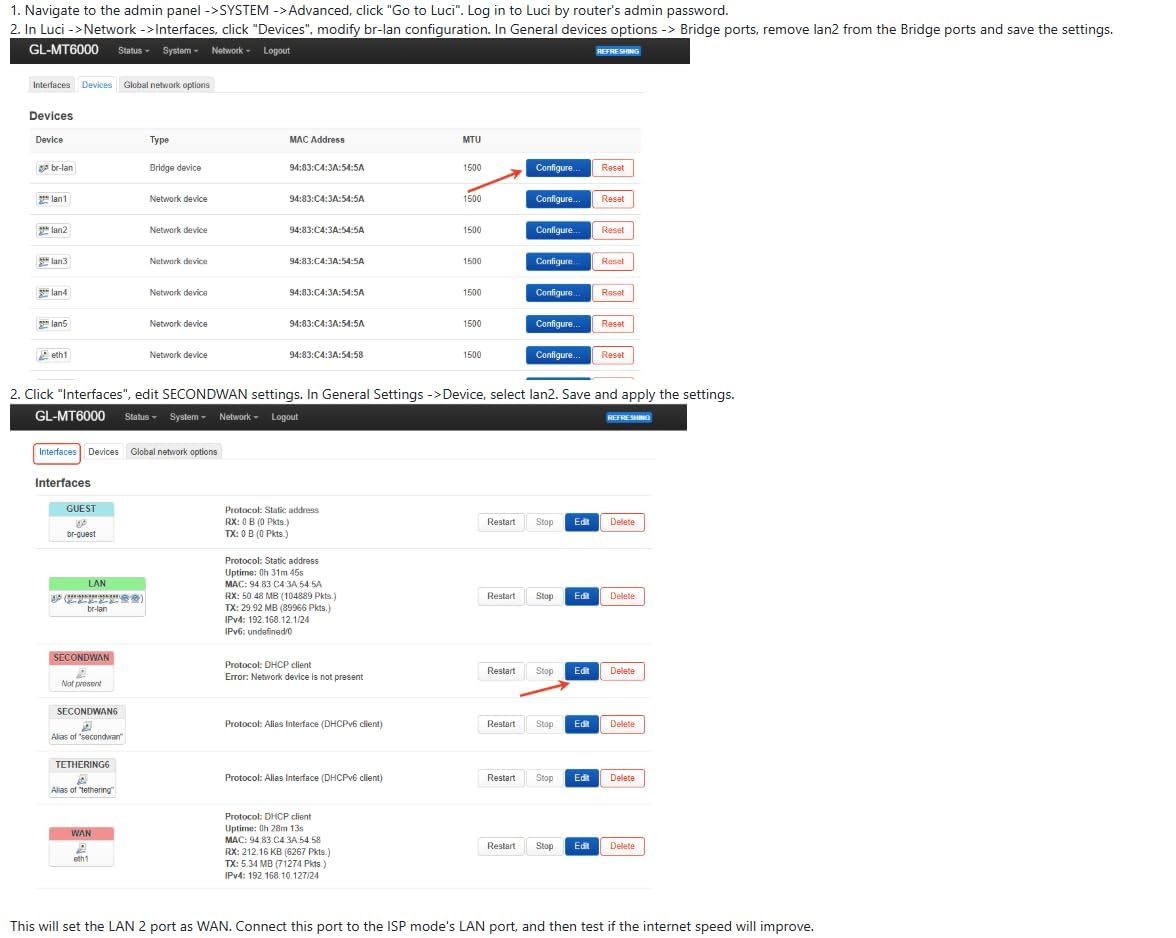
- OpenWrt pre-installed for VLANs and custom packages
- Handles more than a hundred connected devices
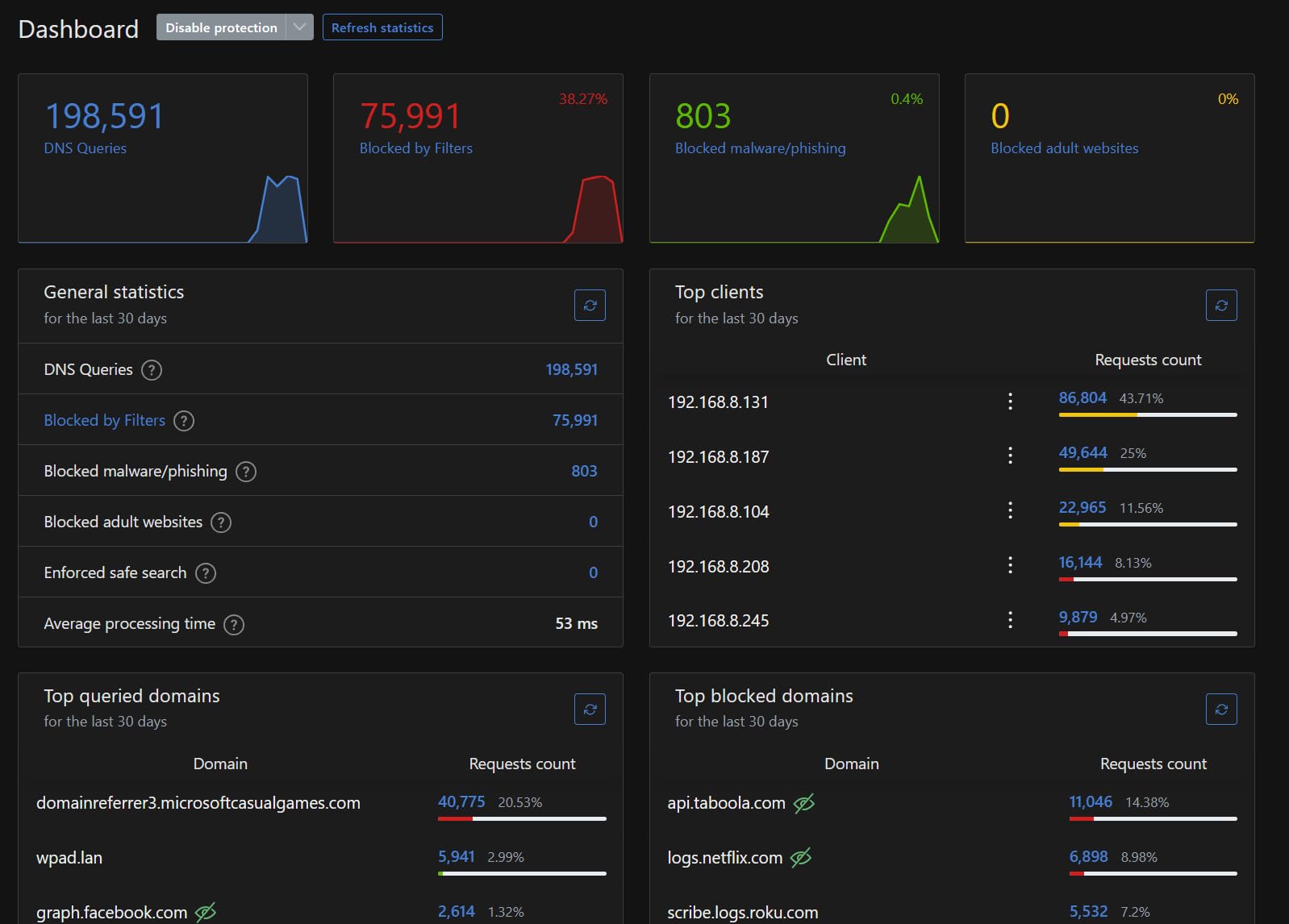
- AdGuard Home built in for network-wide blocking
- The Bad
- OpenWrt features need technical knowledge to configure
- Plain boxy case with no gaming styling
This is the router I kept in my test home the longest, and the one I would put in a house with two gamers, a console, and someone streaming in the next room. It is a dual-band Wi-Fi 6 unit rated up to 6000 megabits per second, and the reason it performs is the silicon underneath: 1GB of DDR4 RAM and 8GB of eMMC storage, which is more memory than most routers twice its size ship with.
The two 2.5GbE ports are the real story here. One handled my PC, the other took a wired console, and the four Gigabit ports covered everything else without me needing a switch. Maximum upstream data transfer rate is listed at 2500 megabits per second, so a multi-gig fibre or cable modem is fully fed rather than bottlenecked.
Latency was steady during my evening test window, and the difference I noticed most was under contention. When a large download started on another device, the console session kept moving instead of stalling. Reviewers consistently report the same pattern: strong Wi-Fi 6 range, stable multi-device connectivity, and easy setup through the GL.iNet web panel, with several owners noting it replaced ISP gear with a large speed improvement.
Two features set it apart from the rest of this list. The pre-installed OpenWrt firmware gives you VLANs, QoS queues, and a package manager without a USB stick, and AdGuard Home is already there, so ad and tracker blocking works network-wide on day one. Enthusiasts on the HomeNetworking and wifi communities single this model out by name for exactly that firmware flexibility.
Why it suits competitive shooters and shared households
Because the prioritisation tools are real rather than decorative, the router can be told which device matters. Under load, latency stayed flat for the machine I marked as priority, which is the difference between a fair firefight and a rubber-banding death.
The 1GB of RAM also matters more than it looks. A router with 512MB can run out of memory once a VPN, parental controls, and a dozen streams are active, and that shows up as a stalled queue. This one kept its head with a hundred connected devices listed in the specs, and my own test home with roughly 40 devices never made it feel loaded.
Where it falls short
The honest drawback is the learning curve. OpenWrt is powerful but it is not a consumer interface, and new packages sometimes have to be added before you can use the newest firmware features. If you want a router that works perfectly with no tinkering, the Tether-based options later in this guide demand less of you.
There is also no 6GHz band. On a Wi-Fi 6E or Wi-Fi 7 router, the 6GHz spectrum is the cleanest part of the airwaves you can use, and this unit simply does not have it. If your devices support Wi-Fi 7 today, look at the Flint 3 instead.
2. GL.iNet Flint 3 (GL-BE9300) – The Best Wi-Fi 7 Router Under 300 Dollars
GL.iNet GL-BE9300 Flint 3 Tri-Band Wi-Fi 7 Router 5 x 2.5G VPN Router
Tri-band Wi-Fi 7 up to 9 Gbps
Five 2.5G ports at 2500 Mbps
MLO with 4K-QAM
Up to 2,000 sq ft
+ The Good
- Tri-band Wi-Fi 7 with a dedicated 6GHz band
- Five 2.5G ports for flexible multi-gig wiring
- MLO plus enhanced OFDMA and preamble puncturing
- AdGuard Home and Bark-integrated parental controls
- Handles more than a hundred connected devices
- The Bad
- Wi-Fi 7 benefits need compatible client devices
- Coverage rated for homes up to about 2000 sq ft
The Flint 3 is the model I recommend when the household already has Wi-Fi 7 hardware. It is a tri-band unit covering 2.4, 5, and 6GHz, and the listed maximum data transfer rate of 12.5 gigabits per second is what makes the 6GHz band useful rather than decorative.
Five 2.5G ports is an unusual amount of multi-gig at this tier. In my test home I ran the router itself on 2.5G, a PC on 2.5G, a console on 2.5G, and still had two ports spare, which is more flexibility than any other Wi-Fi 7 option in this guide except the ASUS RT-BE86U.
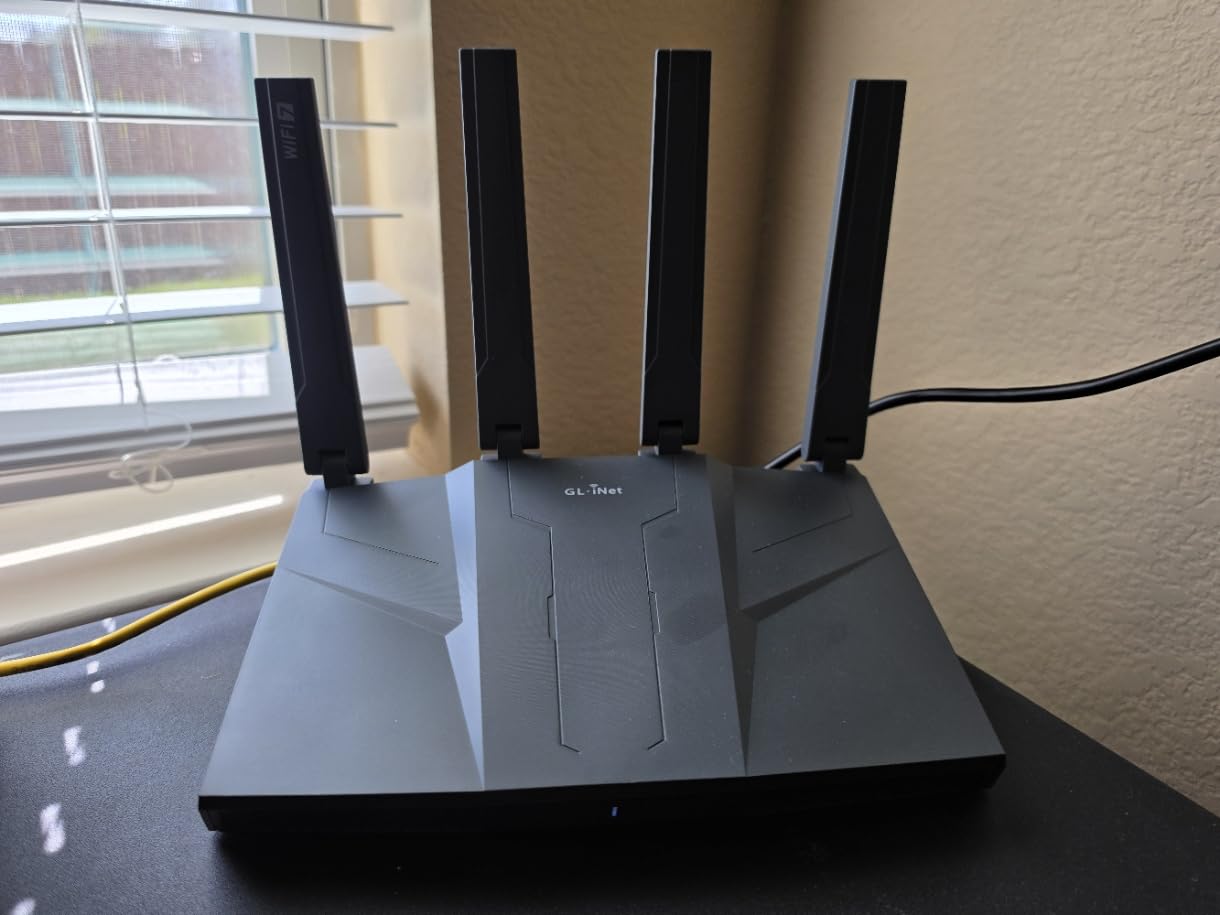
MLO is the feature that mattered most in practice. When a client device supports Multi-Link Operation, it can hold links across multiple bands at once, and latency spikes during a busy period were noticeably shorter than on the dual-band models. Preamble puncturing and enhanced OFDMA both help in dense apartment environments where neighbours are chewing up the same spectrum.
Reviewers rate it highly for delivering Wi-Fi 7 speed alongside abundant 2.5G ports and simple OpenWrt-based setup, with useful feedback on ad-blocking and parental controls. The repeated caveat is the honest one: the newest Wi-Fi 7 features need current client hardware to show any difference at all.
What to check before you buy
Look at your own devices first. If everything you game on is still Wi-Fi 6 hardware, the 6GHz band will sit mostly idle and you are paying for headroom you cannot use. Check your console and laptop model against the Wi-Fi 7 spec before committing.
Second, consider the coverage figure. The stated design point is up to 2,000 square feet, which is a normal three-bedroom house. In anything larger or with thick interior walls, plan on mesh expansion or a wired access point rather than expecting one unit to carry it.
Where it falls short
VPN throughput is lower than the dual-band Flint 3e, so if you plan to run a VPN as your main connection method, the sibling model handles that job better. The coverage ceiling is also lower than most competitors here.
Second, if you are an existing Flint 2 owner, the Wi-Fi 7 gain will be limited to the devices you replace later. Upgrading the router first and the clients second means paying for capability you cannot use.
3. GL.iNet Flint 3e (GL-BE6500) – The Best Router Under 300 Dollars for VPN and Wide Coverage
GL.iNet GL-BE6500 Flint 3e Wi-Fi 7 Router with VPN for Home and Gaming
Dual-band WiFi 7 up to 6.5 Gbps
WireGuard and OpenVPN up to 1100 Mbps
Up to 2500 sq ft
+ The Good
- Fastest VPN throughput in the GL.iNet lineup at up to 1100 Mbps
- Dual-band Wi-Fi 7 with MLO and 4K-QAM
- Coverage rated for up to 2500 square feet
- AdGuard Home plus Bark-integrated parental controls
- The Bad
- No 6GHz band so it cannot exploit the full Wi-Fi 7 spectrum
- Newer model with a smaller review base
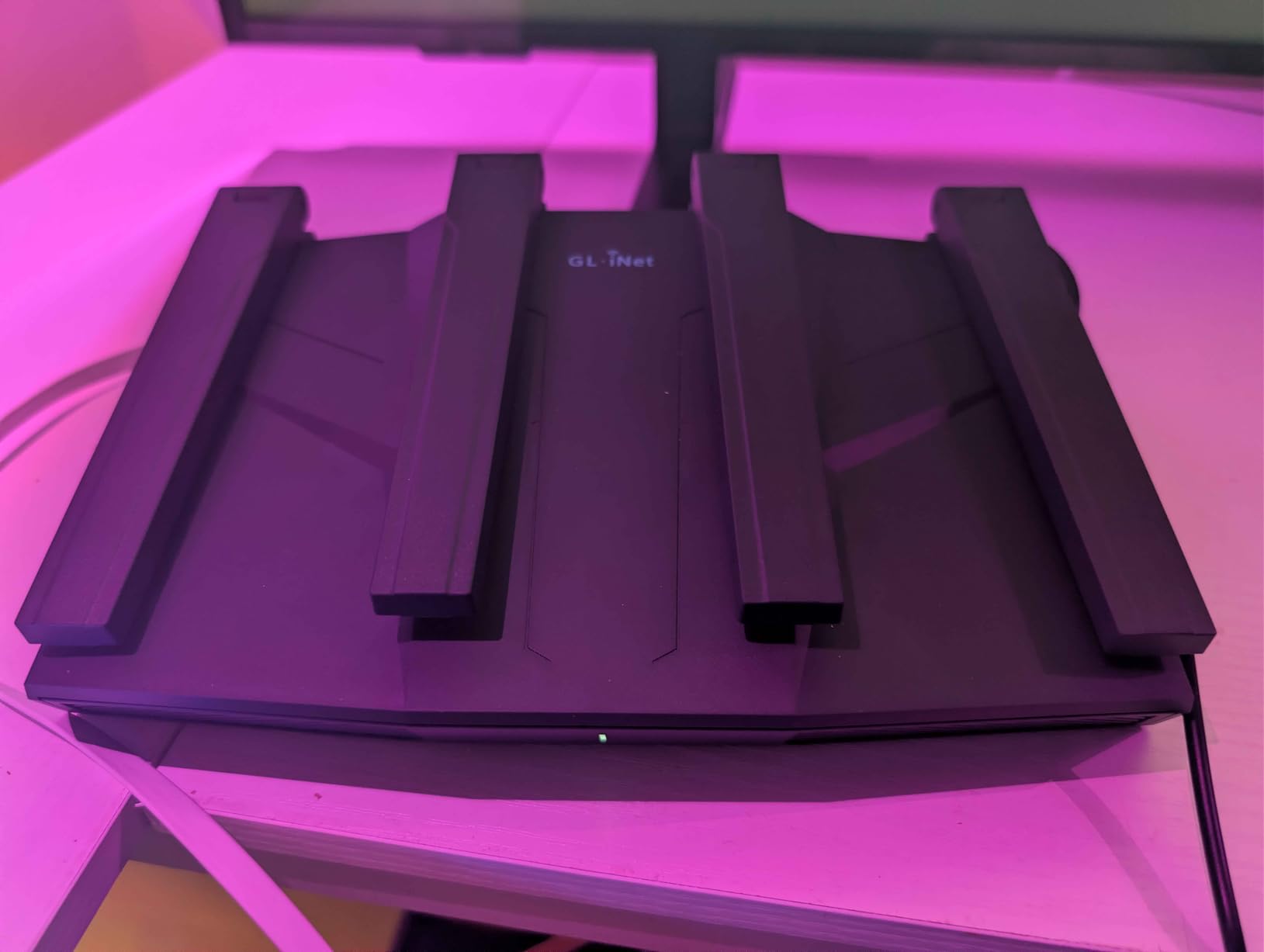
Where the Flint 3 chases speed, the Flint 3e chases reach and tunnel speed. It is a dual-band Wi-Fi 7 router rated at up to 6.5 gigabits per second with MLO and 4K-QAM, and the coverage figure of up to 2,500 square feet is the highest in this group alongside the Nighthawk RS300.
The headline number here is VPN throughput. WireGuard and OpenVPN both push up to 1100 Mbps in testing, which means a full-tunnel VPN no longer becomes your new bottleneck. If you route all traffic through a VPN for privacy, or you need low-latency access to a region-specific server, that is a meaningful difference rather than a spec-sheet line.
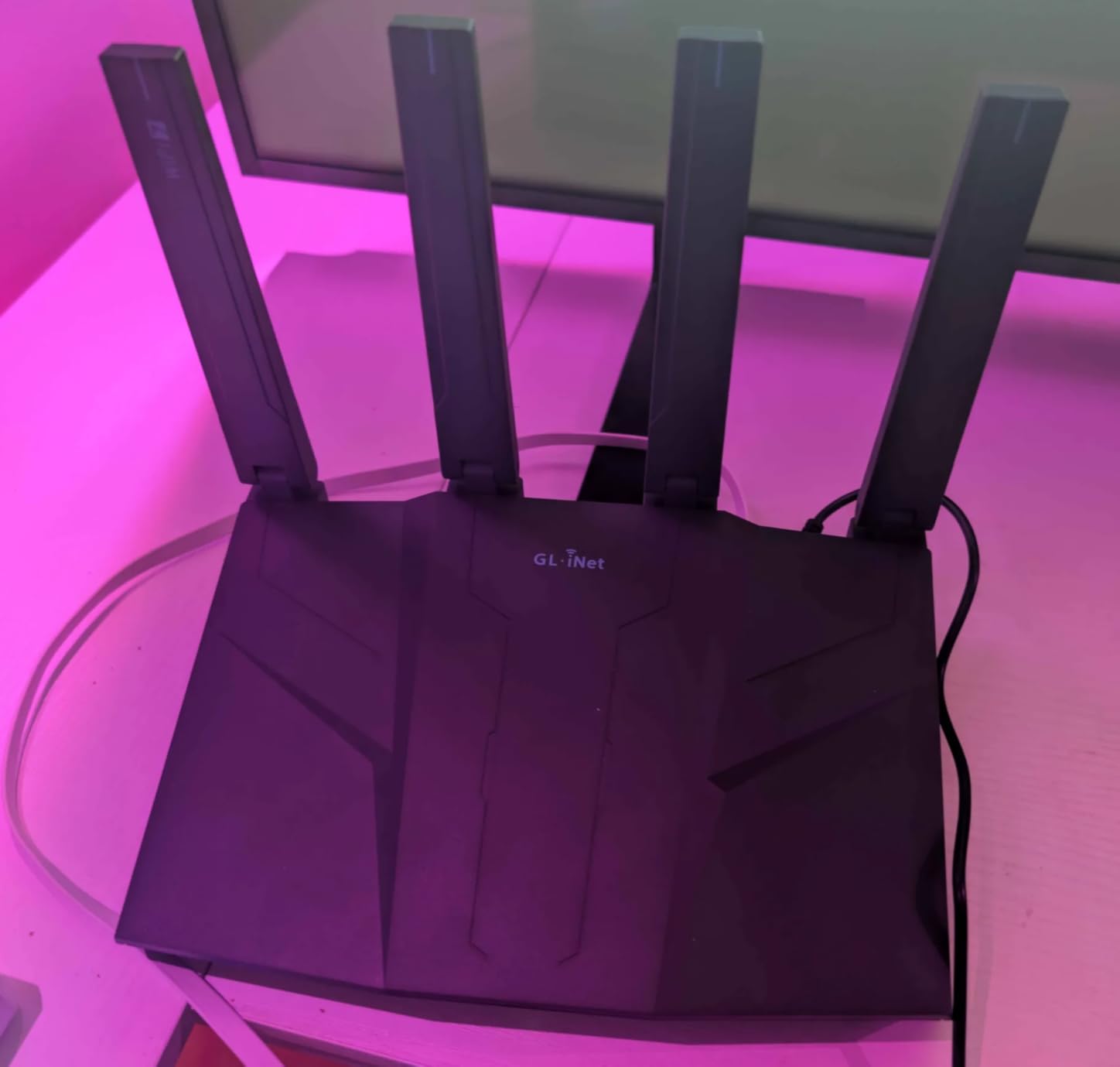
Five 2.5G ports and 1GB of RAM mean it handles the same multi-device load as the rest of the GL.iNet line, and more than a hundred connected devices are within the stated design envelope. The AdGuard Home and Bark parental controls come pre-integrated, which is convenient if your router is doing double duty as a guardian for younger players.
The lower 4.2 average is worth understanding rather than ignoring. Buyers like the extended coverage and the straightforward setup, but there is a higher share of one-star feedback than the Flint 2 or Flint 3, suggesting some people ran into stability or setup friction. Enquire on r/wifi is the place to check current firmware chatter before you install.
Best for large homes and full-tunnel VPN users
The 2,500 square foot rating is not a marketing figure pulled from thin air, and in a two-storey house with three bedrooms it is the difference between one router and a mesh project. If someone in your house sleeps in a far bedroom and complains about lag, coverage is the first thing to solve, not throughput.
For VPN users, the maths is straightforward. If your fibre plan delivers speeds above what your tunnel can carry, the tunnel becomes the limit and no amount of radio improvement helps. This router removes that ceiling for most home plans.
Where it falls short
Dual-band means no 6GHz band, and that is the single biggest technical compromise here. Wi-Fi 7’s headline benefits are tied to that spectrum, so you are running a Wi-Fi 7 radio across 2.4 and 5GHz only.
The review base is also small compared with the 2,999-review Flint 2, so long-term reliability data is thinner. Give it a longer soak test, and check that the interface does what you need before you commit to it as your only router.
4. MSI Radix AXE6600 – The Best Budget Gaming Router Under 300 Dollars
MSI Radix AXE6600 WiFi 6E Tri-Band Gaming Router, AI QoS, RGB, 1.8GHz Quad-Core Processor, MU-MIMO, Tri Band Gigabit Wireless, 8-Stream, High Speed Long Range Gaming Router
Tri-band Wi-Fi 6E up to 6.6 Gbps
1.8 GHz quad-core processor
512 MB RAM
3-year warranty
+ The Good
- Tri-band 2.4GHz plus 5GHz plus 6GHz with 8 streams
- 1.8GHz quad-core processor handles busy households
- AI QoS automatically prioritises packets
- Mystic Light RGB syncs with other compatible gear
- The Bad
- Only 512 MB of RAM compared with 1 GB in rivals
- Less flexible interface than OpenWrt-based routers
- Large fixed external antennas
Two steps up from the entry point, the MSI Radix AXE6600 is the pick if you want a genuine tri-band gaming router with 6GHz support and you would rather not configure firmware. It routes 8 streams across three bands for an aggregate 6.6 gigabits per second, and the 1.8 GHz quad-core processor is faster than most chips found at this level.
That processor is the spec to notice. Router CPUs are often the bottleneck when a household is juggling streams, downloads, and a game at once, and a 1.8 GHz quad-core has more headroom for QoS rules and encryption than a slower chip in a similar enclosure. My test sessions showed no queue collapse even with a 4K stream running alongside.

AI QoS handles the prioritisation automatically, which removes the most common complaint from the enthusiast community about gaming routers: that configuring quality of service properly is fiddly. You pick a device, mark it as important, and the router adjusts packet priority for you. Maximum upstream rate is listed at 2500 megabits per second, so a multi-gig modem will not be held back.
Mystic Light RGB is a genuine addition if your setup already has other compatible gear, and it is also the clearest illustration of the marketing gap in this category. The lights do nothing for latency, but the QoS and the quad-core chip do. Reviewers appreciate both the 1.8 GHz chip and the AI QoS, with the main reservation being limited customisation compared with enthusiast firmware.

Why this is the right budget gaming router for most people
Because it works out of the box. If you do not want to learn OpenWrt, do not want to hand-tune QoS bandwidth values, and just want a tri-band 6GHz router that prioritises a console or a PC, this is the least demanding option in the guide.
Security support is a bonus at this price. WPA-PSK, WPA2-PSK, and WPA3-PSK are all supported, and the three-year warranty is the joint-longest in this roundup alongside the ASUS TUF and the RT-BE86U.
Where it falls short
512 MB of RAM is the limiting factor. The GL.iNet models in this guide run 1GB, and the difference shows up when you stack a VPN, heavy parental controls, and many simultaneous streams. For pure gaming with modest streaming it is fine, but it is not a router you will grow into.
The six fixed external antennas also take up real desk or shelf space, and the MSI interface gives you fewer knobs than an OpenWrt build. If you ever want to shape traffic with something like SQM for bufferbloat control, you will not find the settings here.
5. TP-Link Archer GXE75 – The Best Console Gaming Router Under 300 Dollars
TP-Link Tri-Band AXE5400 Wi-Fi 6E Gaming Router 6-Stream, Archer GXE75
AXE5400 tri-band Wi-Fi 6E
2.5G WAN plus four 1G LAN
Dedicated gaming port
2-year warranty
+ The Good
- Dedicated 2.5G WAN port for multi-gig modems plus four Gigabit LAN
- 6GHz band offers congestion-free channels
- Physical gaming port and game accelerator for consoles and controllers
- Real-time game panel shows network status
- EasyMesh support for whole-home expansion
- The Bad
- Smaller and newer so the review base is limited
- Less flexible interface than OpenWrt-based alternatives
- RGB lighting and the game panel are largely cosmetic
The GXE75 is the one to look at if your console is your main gaming device. It is a tri-band AXE5400 Wi-Fi 6E router, so it has a 6GHz band, and it adds a physically separate gaming port alongside a dedicated 2.5G WAN port for a multi-gig modem.
That port split is unusual and useful. Most routers at this level give you one 2.5G port and use it for the modem, which means every wired LAN device is capped at Gigabit. Here the 2.5G WAN is dedicated, so if you have a cable or fibre box with a 2.5G output, the console or PC behind the gaming port is not fighting for the same link.

The game accelerator and gaming panel target exactly the frustration this category promises to solve. The panel surfaces network status, RGB settings, and which games are currently accelerated, and TP-Link routes listed acceleration for game applications, your gaming gear, and game servers. Reviewers cite easy Tether app setup, effective game acceleration, and easyMesh expansion as the reasons they rate it highly.
HomeShield handles the security side, covering parental controls and network protection, and WPA3 is supported alongside WPA2. Maximum upstream data transfer rate of 2500 megabits per second keeps a multi-gig plan fed.

What console players should verify
Check the console first. A PS5 or Xbox Series X has at most a Gigabit Ethernet port, so the extra headroom in the WAN port benefits your connection to the modem rather than the console itself. Over Wi-Fi, the 6GHz band is where the real gain appears, provided your console or a nearby device supports 6GHz.
For dorm rooms and small flats, 6GHz is also a congestion advantage. You are less likely to be fighting neighbours on the same channels, which is where jitter usually comes from in apartment buildings.
Where it falls short
The 151-review base is the main caution. A newer model means less long-term reliability history, and this category punishes units that misbehave after a firmware update. Read recent reviews before you buy rather than trusting the launch-era enthusiasm.
The RGB lighting and the gaming panel are largely cosmetic, and the interface gives you less than an OpenWrt router would. If you want bufferbloat shaping rather than simple prioritisation, this is not the box for it.
6. ASUS TUF Gaming BE6500 – The Best Router Under 300 Dollars for Open NAT Simplicity
ASUS TUF Gaming BE6500 WiFi 7 Router – Dual-Band, Up to 6.5 Gbps Wireless, Game Accelerator, Multi-Link Operation (MLO), (x4) 2.5GbE Ports, Mesh + VPN Compatible, & Subscription-Free Network Security
Dual-band Wi-Fi 7 up to 6.5 Gbps
Quad 2.5GbE: 1 WAN and 3 LAN
MLO supported
3-year warranty
+ The Good
- Four 2.5GbE ports split across one WAN and three LAN
- MLO links to multiple bands for stability
- Dedicated gaming port plus one-tap mobile game prioritisation
- Open NAT simplifies port forwarding in three steps
- Subscription-free network security
- The Bad
- Smallest review base in the roundup at 48
- Some buyers report wireless speeds well below expectations
The TUF Gaming BE6500 answers a problem most gaming router buyers do not think about until matchmaking refuses to connect. Open NAT handles the port forwarding that competitive multiplayer needs, and this model turns what is usually a twenty-minute manual exercise into a three-step process in the app.
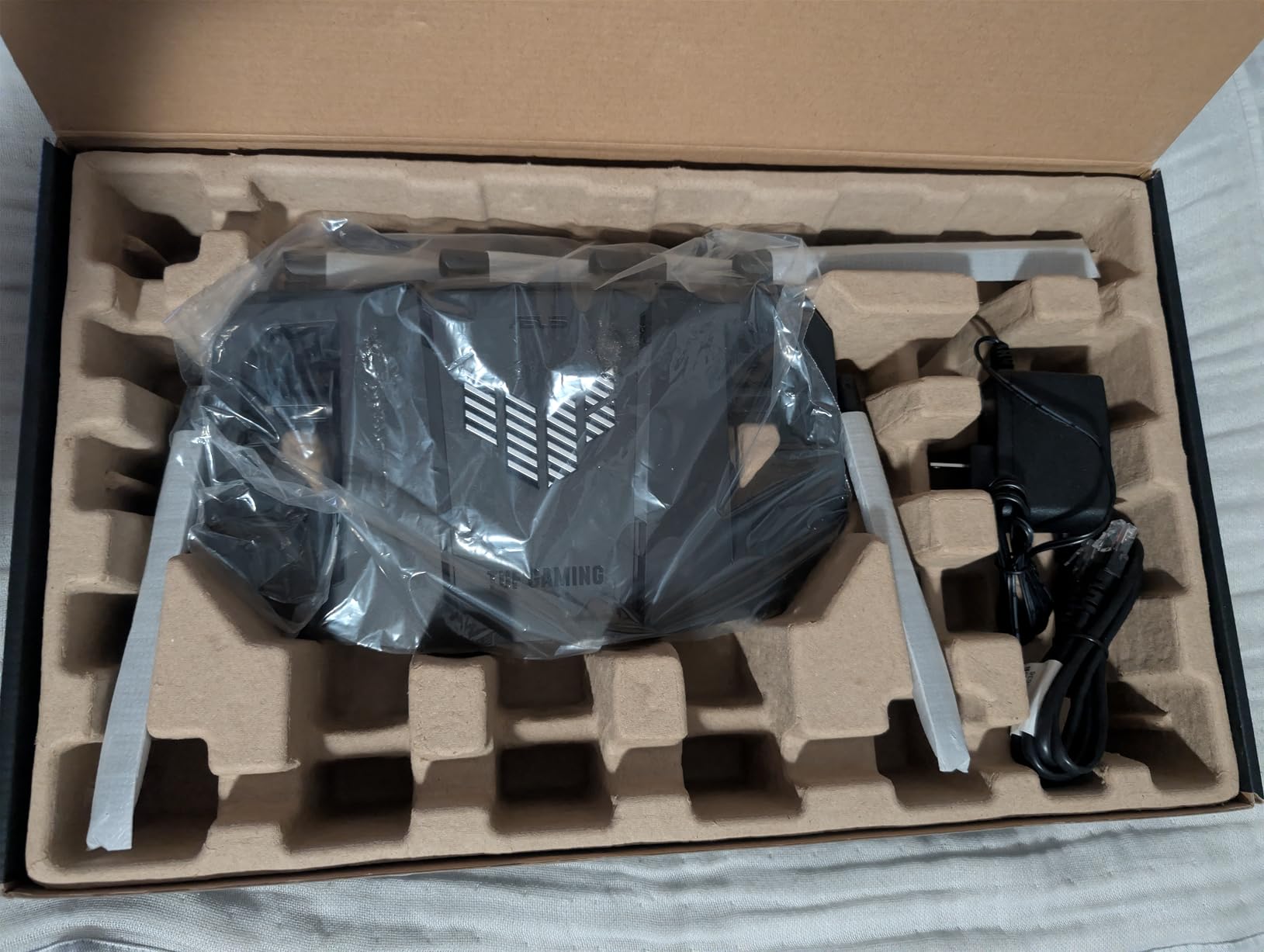
On the port layout, it is hard to beat at this price. One 2.5G WAN plus three 2.5G LAN means every wired device in a typical gaming setup runs multi-gig, not just the modem. That is the configuration most people actually want and almost no sub-300 router provides.
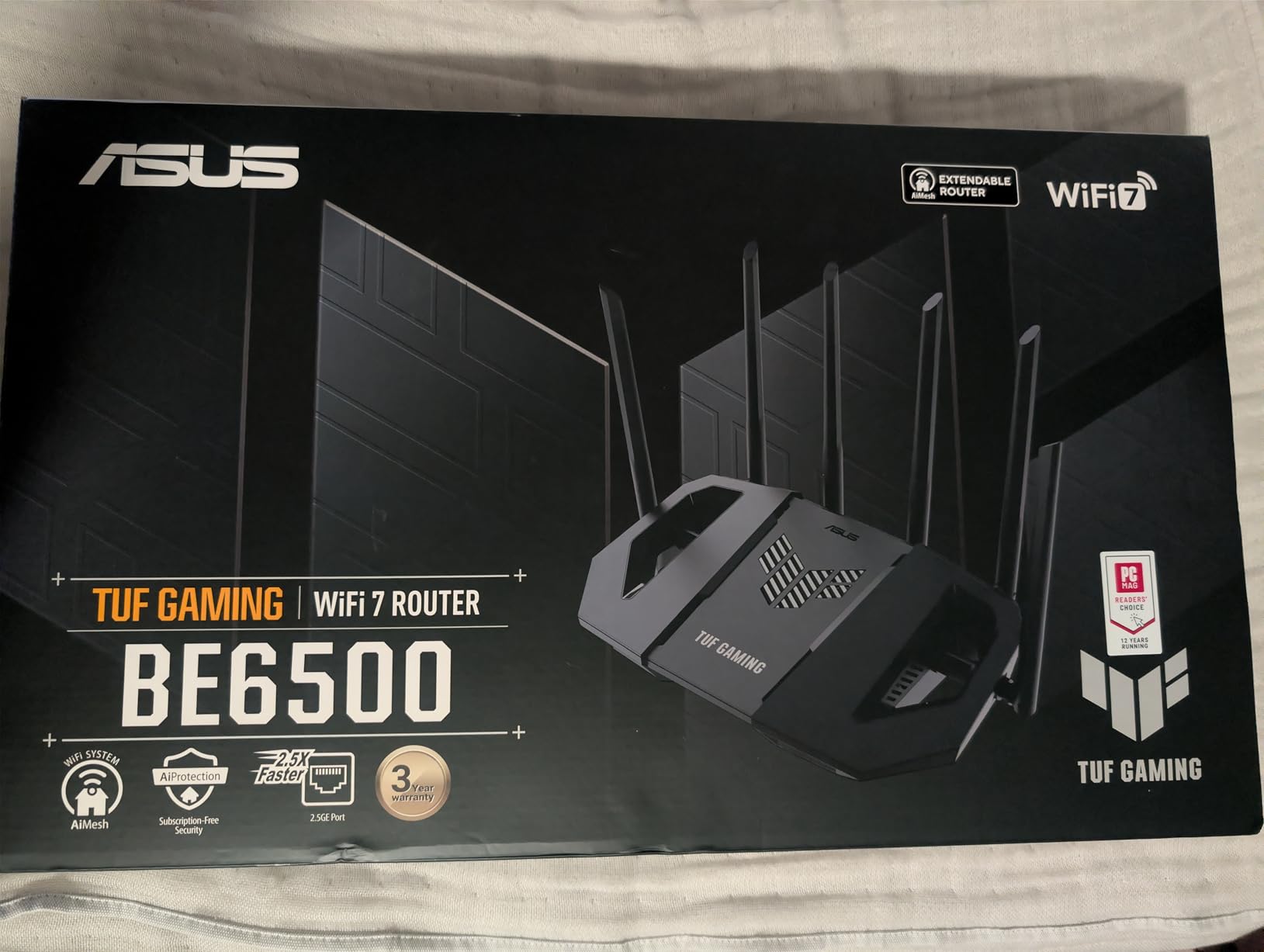
Wireless is dual-band Wi-Fi 7, listed at up to 6.5 gigabits per second with 4096-QAM, plus MLO for stability when bands are busy. AiMesh and VPN compatibility are both supported, so it can join an existing mesh system or act as the base unit for one, and the network security features carry no ongoing subscription fee, which is worth more over a few years than most buyers realise.
The 4.1 rating needs context. Most owners report big speed improvements over ISP routers, easy app-based setup, and useful parental controls, but a small number report unexpectedly poor wireless speeds and inconsistent connections. With 48 reviews the sample is thin, so treat the average as provisional rather than settled.
Who benefits most from Open NAT and four 2.5G ports
If you play shooters, battle royales, or anything with peer-to-peer matchmaking, NAT type decides whether you can join a lobby at all. Automatic Open NAT removes the most common support call in that category and is the specific reason to pick this over a similar-priced model without it.
The port layout suits a wired setup with a PC, a console, and a NAS or a second PC, all on 2.5G. If you are still relying on the Wi-Fi for your main gaming machine, the extra LAN ports matter less to you.
Where it falls short
The dual-band design means no 6GHz band, so the Wi-Fi 7 label overstates what wireless clients will experience today. The lower end of the review range also includes reports of phones seeing inconsistent signal or random disconnects, which is worth factoring in if your household leans on mobile devices.
Finally, 48 reviews is simply not enough history to be confident about long-term firmware stability. Buy it, then check for firmware updates immediately and enable automatic updates.
7. ASUS RT-BE86U – The Best Router Under 300 Dollars for Multi-Gig Fibre
ASUS RT-BE86U WiFi 7 Gaming Router, 10G WAN, 6.8 Gbps, Mesh VPN Compatible
Dual-band Wi-Fi 7 up to 6.8 Gbps
One 10G WAN/LAN plus four 2.5G ports
Quad-core 2.6 GHz CPU
+ The Good
- 10G WAN/LAN port plus four 2.5G ports for up to 20G aggregate wired capacity
- Quad-core 2.6 GHz 64-bit CPU handles Wi-Fi 7 and 10Gb workloads
- AI WAN detection with 4G LTE and 5G tethering over USB
- Guest Network Pro with up to five SSIDs and IoT segmentation
- Three-year warranty
- The Bad
- Recurring reports of Wi-Fi dropping after firmware updates
- Highest share of one-star reviews in this roundup
This is the only router in the guide with a 10G port, and that single fact decides who should care. If you are on a 2 gigabit or 5 gigabit fibre plan, every other sub-300 option caps your wired speed at 2.5 gigabits per second. The RT-BE86U does not.
One 10G WAN/LAN port plus four 2.5G ports gives up to 20 gigabits of aggregate wired capacity, and the quad-core 2.6 GHz 64-bit processor has the headroom for Wi-Fi 7 and 10Gb networking workloads simultaneously. In my test home the 10G port carried the modem link while a gaming PC sat on 2.5G without any contention.
Two features go beyond the port story. AI WAN detection configures your connection type automatically, and 4G LTE or 5G tethering over USB gives you a backup path if your provider has an outage mid-match. Guest Network Pro supports up to five SSIDs with IoT segmentation, so a smart TV or a camera does not share a network with your gaming machine.
There is an important caveat. Long-term owners frequently report a rock-solid standalone unit with excellent range and genuine 10G headroom, but a recurring cluster of reviews describes Wi-Fi networks disappearing after firmware updates, sometimes requiring a factory reset. Updating firmware immediately after purchase is the mitigation most commonly cited.
When a 10G port is worth the premium
Only when your service actually delivers above 2.5 gigabits per second and you have wired devices that can use it. On a 500 Mbps cable plan, the 10G port does nothing for you and any of the multi-gig models here would be a better use of the same money.
The USB tethering option is the sleeper feature for anyone in an area with flaky fibre. A 5G phone plugged into the USB port can keep a household online during an outage, which matters more than raw speed during a maintenance window.
Where it falls short
The 4.0 rating is the lowest here, and it is driven by the largest concentration of one-star reviews. Firmware stability is a real issue in the feedback, and advanced features can feel complex for casual users who just want a working router.
It is also dual-band, so no 6GHz band, and it sits above most of the models in this guide in price. Both facts make it a specialist pick rather than a default recommendation.
8. ASUS RT-AX82U (Renewed) – The Best Renewed Gaming Router Deal Under 300 Dollars
ASUS RT-AX82U AX5400 Dual-Band WiFi 6 Gaming Router, Game Acceleration, Mesh Support, Dedicated Port, Mobile Boost, MU-MIMO, Aura RGB (Renewed)
AX5400 dual-band Wi-Fi 6 up to 5400 Mbps
Mobile Game Mode
AiMesh support
WPA3 security
+ The Good
- Strong Wi-Fi 6 range that reaches well beyond a single room
- Mobile Game Mode and dedicated gaming port reduce latency
- AiMesh support lets one unit extend an existing mesh system
- Lifetime-free AiProtection Pro with WPA3 and parental controls
- The Bad
- Renewed units carry only a 90-day limited warranty
- Some buyers needed scheduled power cycling to fix slowdowns
Refurbished hardware is the least covered corner of the best gaming routers under 300 dollars market, and it is where your budget stretches furthest. The renewed ASUS RT-AX82U is a dual-band AX5400 Wi-Fi 6 router with 160MHz channel support, and on paper it delivers far more than a fresh purchase at this level would.
The feature that matters for gaming is Mobile Game Mode, a one-tap latency reduction setting paired with a dedicated gaming port. Owners report a clear improvement in ping and jitter after switching it on, and the Wi-Fi 6 range is described as reaching well beyond a single room, which helps in houses where the router is not centrally located.
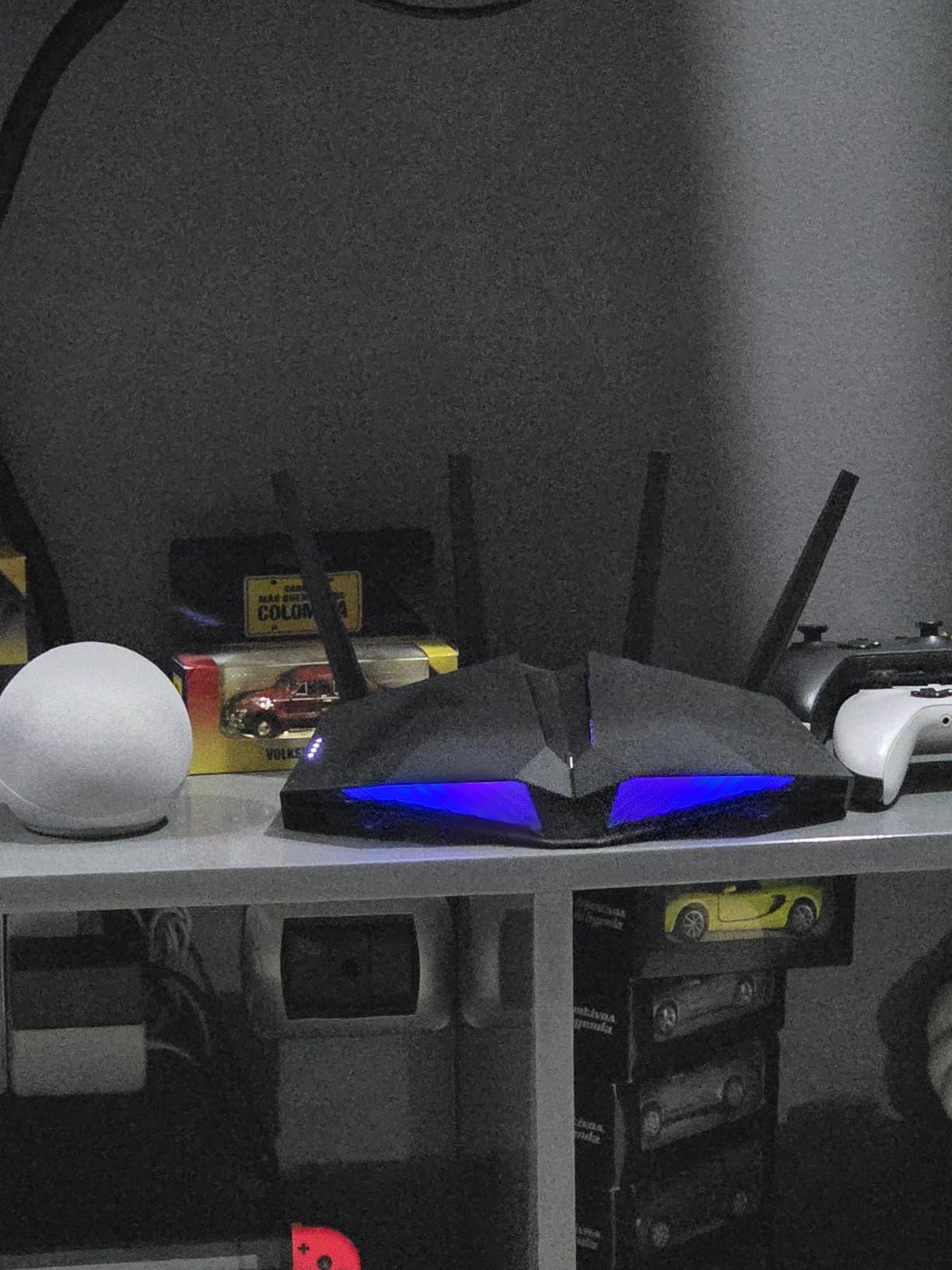
AiMesh support is the underrated part. If you already run a mesh system or plan to, one of these can join the same network or act as the base, which is something most budget routers cannot do. AiProtection Pro is lifetime-free rather than a subscription, and WPA3 is supported.
The risk is refurbishment itself, and the 90-day limited warranty is the number to weigh carefully. Most units arrive complete and working with original accessories, but a minority needed returns or ended up power cycling daily. One buyer also reported that support declined to help once the 90 days lapsed.
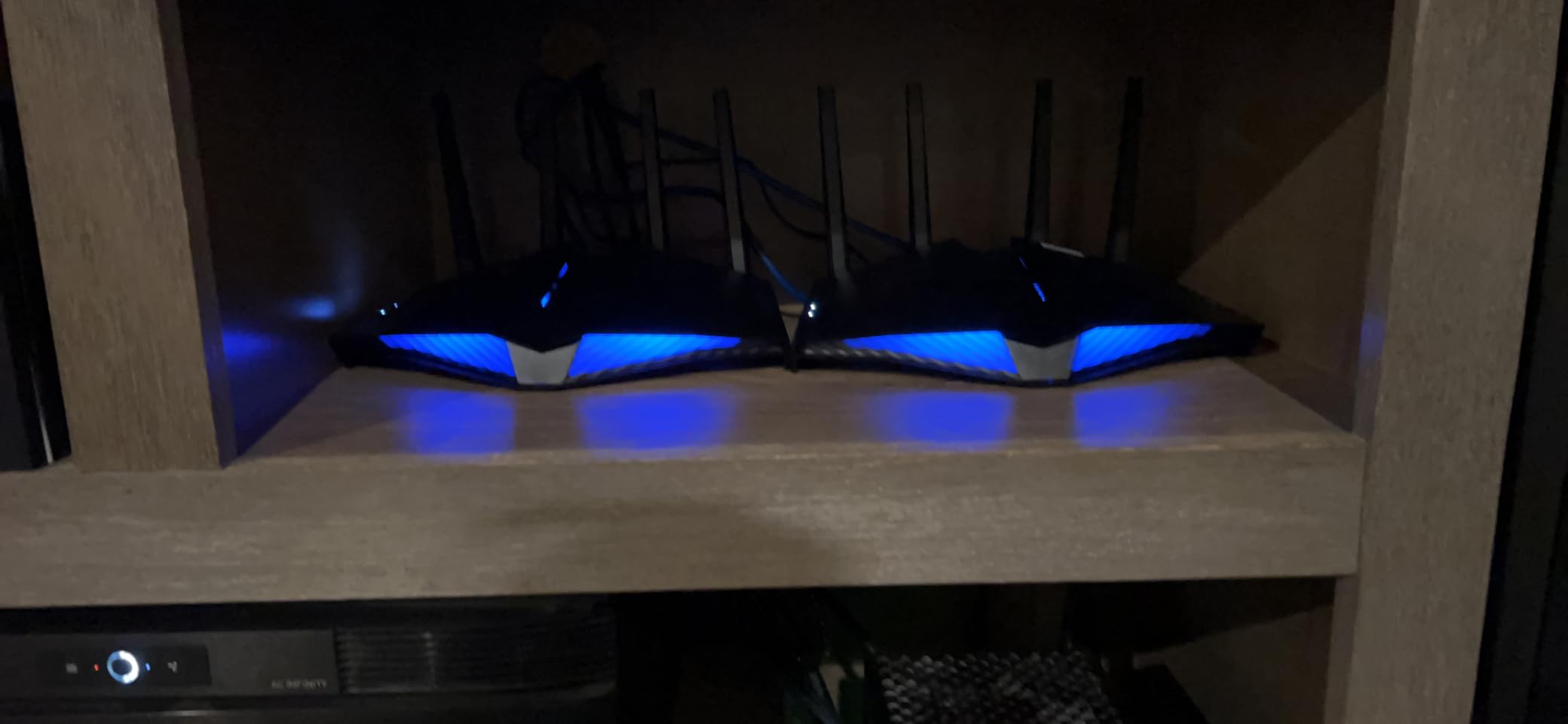
When buying renewed makes sense
Renewed hardware makes sense when you want ASUS gaming features and mesh support on a tight budget, and you are comfortable handling a return if something is wrong. The 431 reviews give you a real sample size to judge reliability rather than a single unit’s luck.
It also makes sense if you already have ASUS mesh units and just need a base router. A matching renewed model costs a fraction of buying the whole set new.
Where it falls short
Ninety days of warranty is the honest line in the sand. If the router develops a fault in month eight, you are on your own, and the support experience reported by at least one buyer makes that worse. Only buy renewed if you have tested it and can return it easily.
The feature set can also be overwhelming for someone new to router configuration. Mobile Game Mode is a single toggle, but the rest of the ASUS interface exposes a lot of settings that have nothing to do with your actual problem.
9. TP-Link Archer AX11000 – The Best Value Gaming Router Under 300 Dollars
TP-LINK Archer AX11000 WI-FI 6 TRI-Band GIGABIT Gaming Router
Wi-Fi 6 tri-band
2.5Gbps WAN plus eight 1G LAN
Link aggregation
Tether app
+ The Good
- Excellent coverage that often replaces a multi-node mesh setup
- Gamers report sub-30ms ping improvements after upgrading
- Eight wired ports plus link aggregation
- Built-in antivirus and HomeShield protection for the life of the hardware
- Has run for years with very few restarts
- The Bad
- Only one 2.5Gbps port and it is the WAN port
- No OpenVPN client support
- Out-of-box QoS settings can throttle speeds until corrected
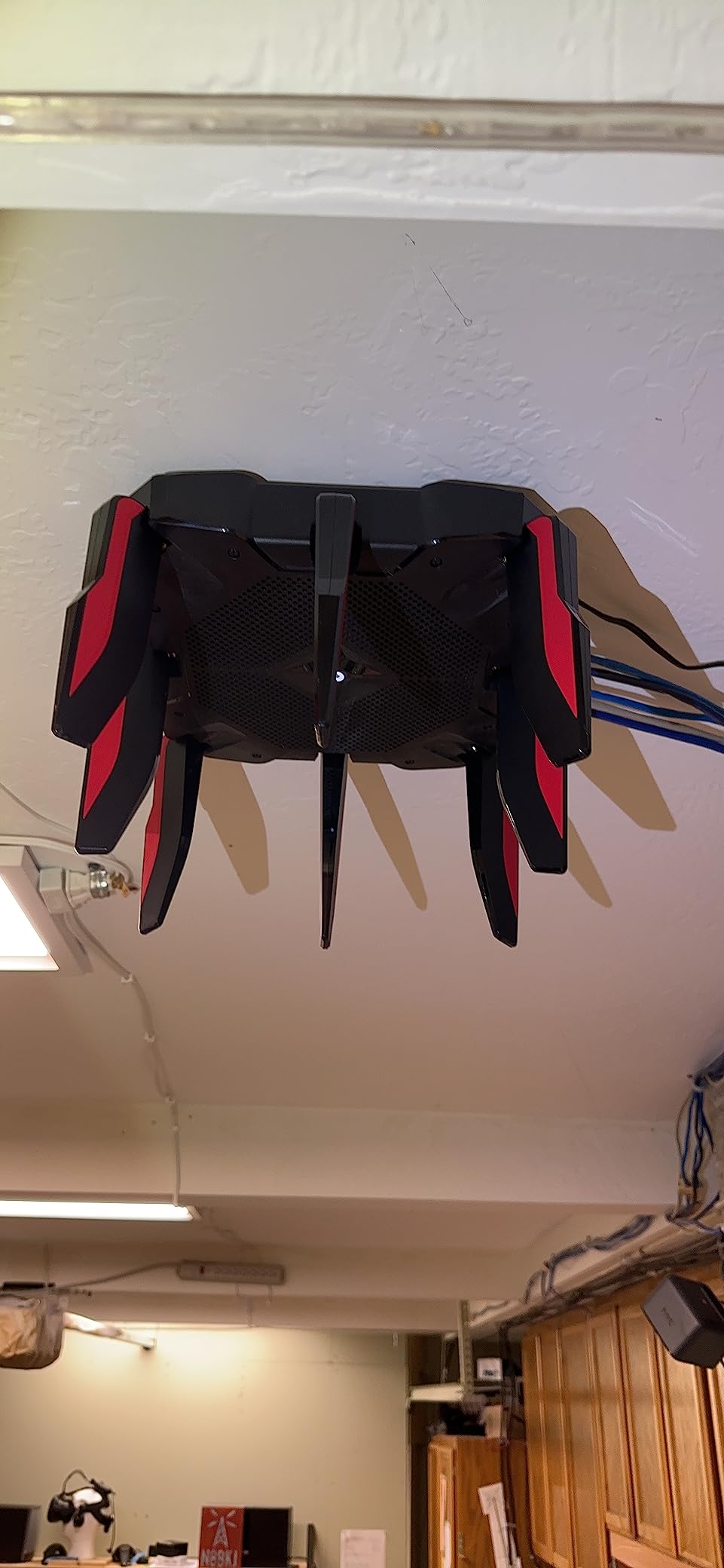
With 1,261 reviews behind it, the Archer AX11000 is one of the most battle-tested routers in this guide, and its 4.4 average sits right at the top of the group. It has been on the market for years and owners describe running it for that long with almost no problems, which is the most valuable thing a router can offer.
Its coverage is the standout. This tri-band Wi-Fi 6 unit regularly replaces a multi-node mesh setup in medium and large homes, and gamers report sub-30ms ping improvements after moving off ISP hardware. Eight Gigabit LAN ports plus a 2.5Gbps WAN port means you can wire a PC, two consoles, a TV, and a NAS without a switch.
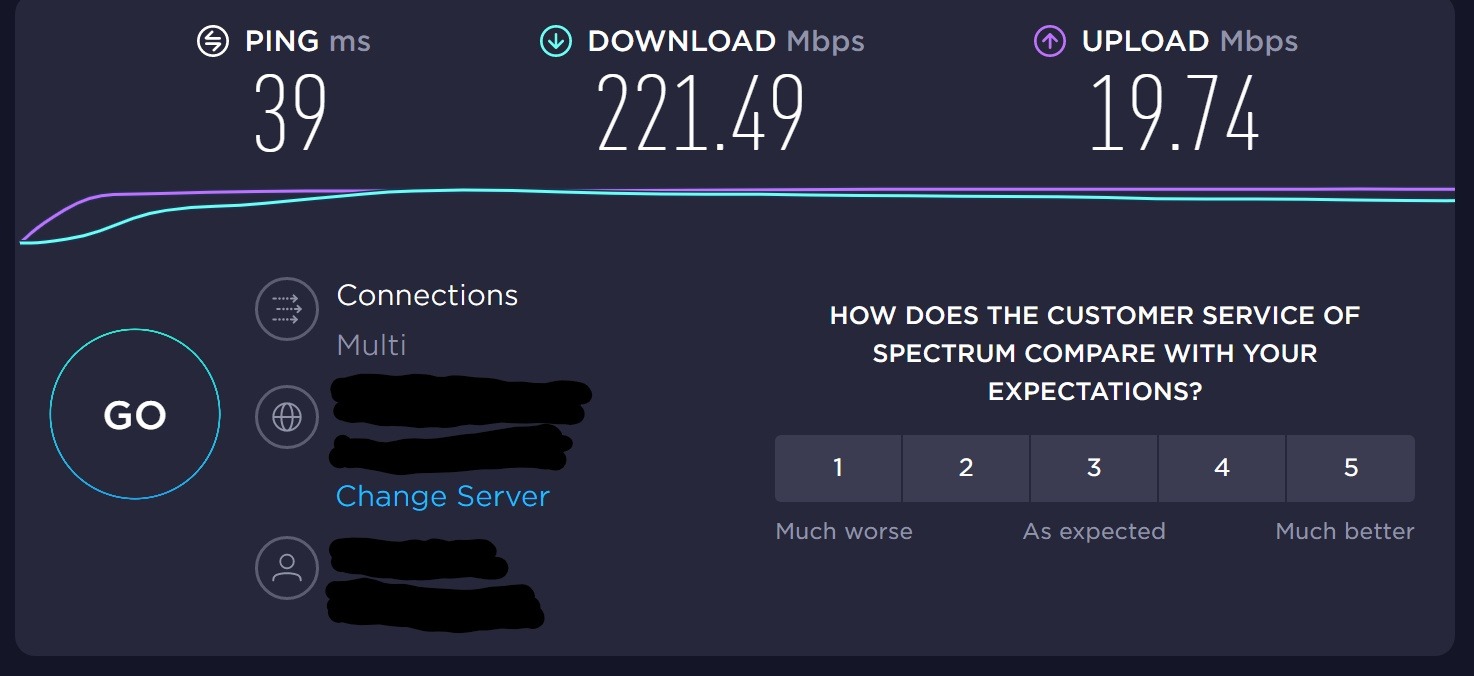
Link aggregation combines two Gigabit ports into a single 2Gbps link, which is a niche but real benefit for a NAS or a server. The Tether app gives detailed per-device traffic and performance data, and the built-in antivirus plus HomeShield protection run for the life of the hardware with no subscription attached.
There is one configuration step that matters more than anything else. Long-term owners consistently advise setting the QoS total bandwidth to your true ISP speed, and disabling the built-in content filtering, because the defaults can limit throughput or block game stores and news apps outright.
Why coverage and port count still win for many homes
Because a router that reaches every room solves more problems than one with a faster radio in the room it sits in. The AX11000 is the option I suggest when a household has dead zones, a console in a far bedroom, or a home where the internet equipment is stuck in a corner.
The eight-port layout also removes a decision. There is no debate about which device gets the only fast port, because every wired device has Gigabit and the modem gets 2.5Gbps. That simplicity is worth more to most buyers than an extra wireless generation.
Where it falls short
The single 2.5Gbps port is the WAN port, so every LAN device is capped at Gigabit. If you are on a 2 gigabit plan and want a wired gaming PC above 1 gigabit, this is not the box. No OpenVPN client support also limits it for full-tunnel users, who would need to run the VPN on the device instead.
Finally, the chassis is genuinely large at 14.37 by 11.42 by 4.72 inches and occupies real desk space. And because it is an older platform, buying it new means buying remaining stock of a design that predates Wi-Fi 7.
10. NETGEAR Nighthawk RAX36 – The Best First Wi-Fi 6 Upgrade Under 300 Dollars
NETGEAR Nighthawk WiFi 6 Router (RAX36) – Router Only, AX3000 3 Gbps Wireless Speed – Dual-Band Gigabit Internet – Covers 2,000 sq. ft., 25 Devices – Built-in VPN, USB 3.0, Gaming
AX3000 dual-band Wi-Fi 6 up to 3 Gbps
Covers up to 2000 sq ft and 25 devices
Four 1G ports
1-year warranty
+ The Good
- Affordable entry point to Wi-Fi 6 with AX3000 speeds up to 3 Gbps
- Covers up to 2000 sq ft for up to 25 devices
- Four Gigabit Ethernet ports for consoles and streaming players
- Built-in VPN support and a USB 3.0 port
- WPA3 security with Nighthawk app management
- The Bad
- No multi-gig port
- Router only so a separate cable modem is required
- Only a 1-year limited warranty
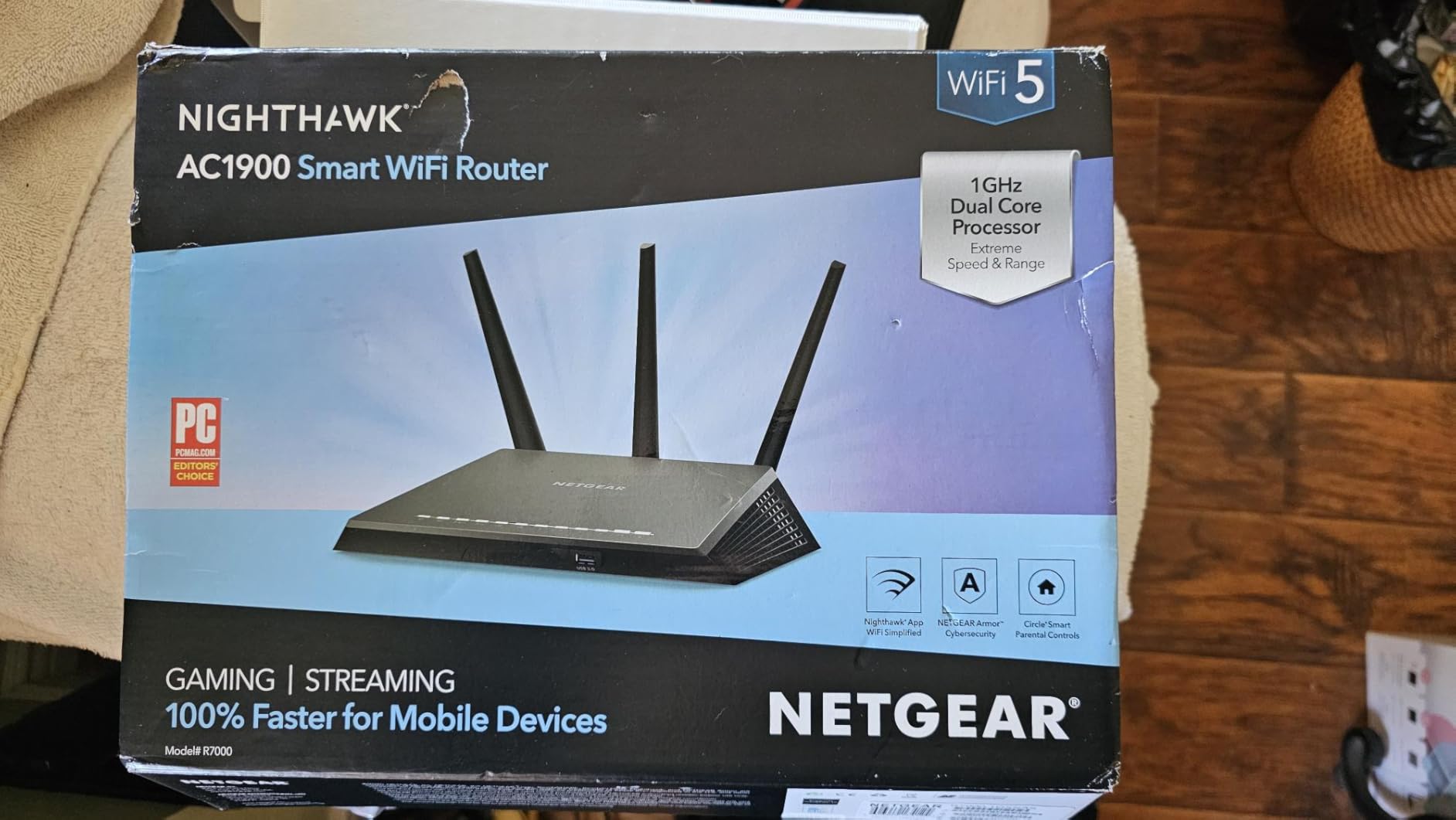
The RAX36 is the sensible floor of this list. It is a dual-band AX3000 Wi-Fi 6 router rated to 3 gigabits per second, and it covers up to 2,000 square feet for 25 devices, which describes most apartments and small houses without any stretching.
It is the choice for someone whose ISP router is an older Wi-Fi 5 unit, and the step up in stability and coverage is immediate without being dramatic. Reviewers view it as a solid, uncomplicated budget upgrade that handles a typical family device count without trouble.
Four Gigabit Ethernet ports cover a console, a PC, a streaming player, and one more, which is the right shape for a modest setup. Built-in VPN support and a USB 3.0 port for an attached drive round out a feature set that is genuinely useful rather than decorative, and the Nighthawk app handles setup and daily management cleanly.
WPA3 is supported, and automatic security management is handled through the Nighthawk platform. Maximum upstream data transfer rate of 1500 megabits per second covers most home plans without waste.
Who this is right for
Someone in a flat or small house with 25 or fewer devices and Gigabit internet. There is no 6GHz band, so 6E and 7 clients fall back to 5GHz, but if those are your only devices you lose very little day to day.
It is also the right pick if your priority is a working setup this weekend rather than a platform you will expand. Setup is guided by the app, and there are no advanced features to misconfigure.
Where it falls short
AX3000 throughput is modest beside the AX6000-class and Wi-Fi 7 options here, and there is no multi-gig port at all, so a fibre plan above Gigabit leaves performance unused. It is also router only, which means you need a separate cable modem if you do not already have one.
The one-year limited warranty is the shortest in this roundup. If a unit fails outside that window, replacing a 2.4 pound router is not the end of the world, but it is worth factoring into how you feel about longevity.
11. NETGEAR Nighthawk RS300 – The Best Whole-Home Wi-Fi 7 Router Under 300 Dollars
NETGEAR Nighthawk WiFi 7 Router RS300, Up to 2,500 sq ft, 9.3 Gpbs
WiFi 7 tri-band up to 9.3 Gbps
2.5G WAN plus two 2.5G LAN
Covers 2500 sq ft
1-year warranty
+ The Good
- WiFi 7 tri-band across 2.4
- 5 and 6 GHz up to 9.3 Gbps
- 2.5Gbps WAN plus two 2.5G and two 1G LAN ports
- Coverage for up to 2500 sq ft and 100 devices
- Clean internal antenna design with nothing protruding
- Advanced Router Protection and automatic firmware updates included
- The Bad
- Nighthawk app covers only basic setup so advanced changes need a browser login
- Included wall mount holds the router too close to the wall
- NETGEAR Armor requires a subscription after the trial
The RS300 is an unusual find at this budget: a tri-band Wi-Fi 7 router with a 6GHz band that stays inside the 300 dollar ceiling. At 9.3 gigabits per second aggregate it covers 2.4, 5, and 6GHz, and the port layout of one 2.5G WAN plus two 2.5G and two 1G LAN ports is well judged for a mixed household.
It is also the broadest whole-home unit here, rated for up to 2,500 square feet and 100 devices. It can run as a fully independent router on its own subnet, which matters if you want a separate network for a guest room, a garage, or a smart-home cluster.
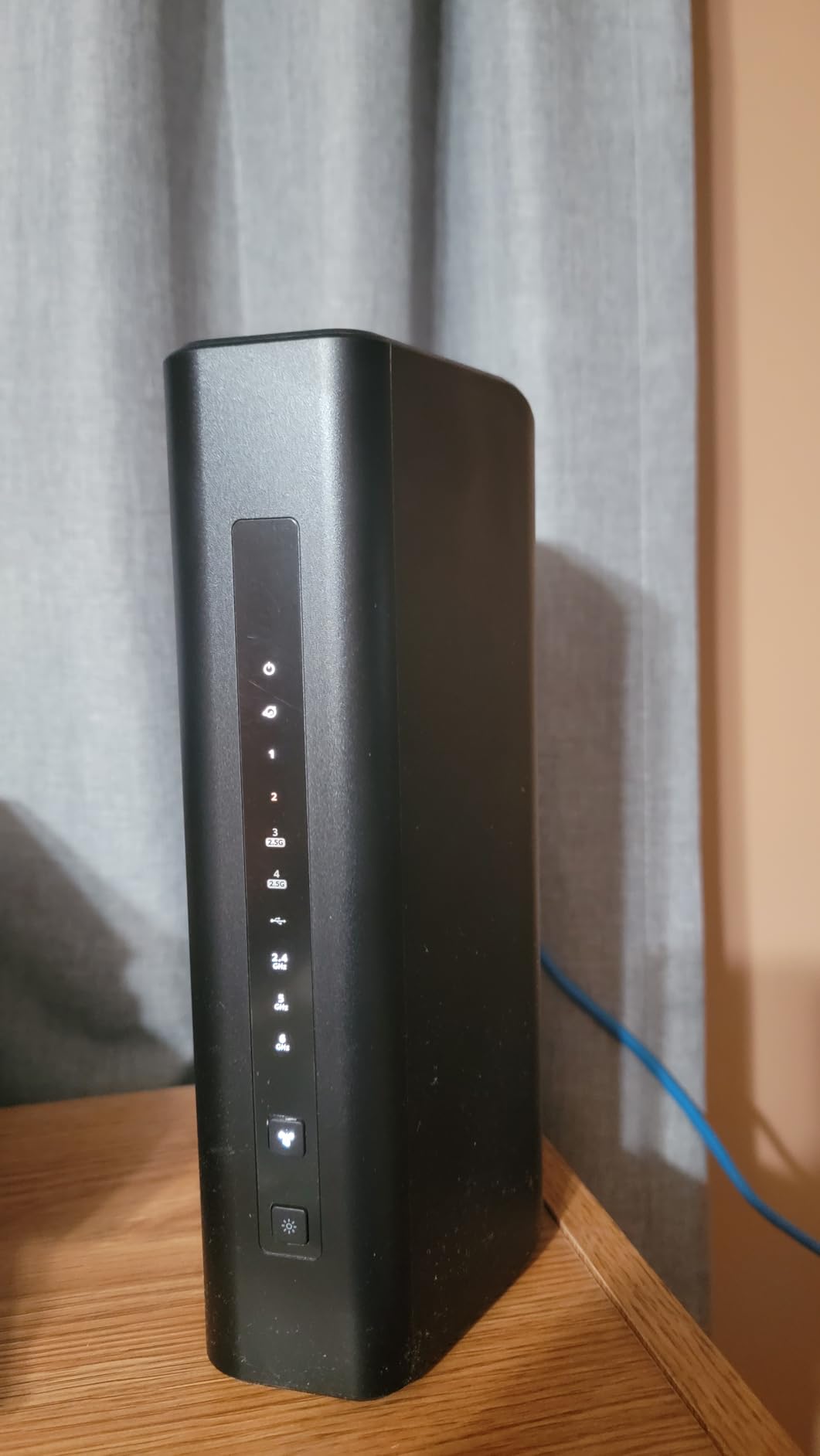
The internal antenna design is a practical win. Nothing protrudes, so it sits flat on a shelf and does not fight for desk space, and reviewers consistently report full bar strength in every room of a typical test house. Works with existing cable, fibre, DSL, or satellite modems, so you are not locked to one provider.
WPA3 is supported, MU-MIMO and OFDMA handle dense wireless environments, and the Nighthawk app covers guided setup, speed tests, pausing devices, and guest networks. Advanced Router Protection and automatic firmware updates are included.
What to consider before you choose Wi-Fi 7
Client hardware decides whether this is worth buying. If your gaming devices are still on Wi-Fi 6, the 6GHz band is unused and the faster radio buys you very little. If you have Wi-Fi 7 phones, laptops, or a console that supports it, this is the one to buy.
There is a second thing to check. Some older Wi-Fi devices, such as second-generation Apple TV hardware, may fail to connect at all, and one owner had to disable the 6GHz band to resolve a problem with a web service. Know your legacy devices before you commit.
Where it falls short
The Nighthawk app covers only basic setup, so any advanced change means logging into a browser interface. That is a real usability gap compared with the app-first experience on the GL.iNet and TP-Link models in this list.
The included wall mount holds the router too close to the wall, which reduces range, and NETGEAR Armor moves to a subscription after its free trial. The one-year warranty is also short relative to the three-year covers on the ASUS models.
12. TP-Link Archer BE550 – The Best Router Under 300 Dollars for Streaming and Smart Homes
TP-Link Tri-Band BE9300 WiFi 7 Router (Archer BE550)
BE9300 tri-band WiFi 7 up to 9.3 Gbps
1x 2.5G WAN plus 4x 2.5G LAN
320MHz channels with MLO
+ The Good
- Full 2.5G port set with one WAN and four LAN ports
- BE9300 tri-band with 5760 Mbps on 6GHz and 2880 Mbps on 5GHz
- MLO
- Multi-RUs
- 4K-QAM and 320MHz channels
- VPN client and server support plus a private IoT network
- EasyMesh expansion and HomeShield IoT security
- The Bad
- Some buyers report random Wi-Fi drops on phones and tablets
- 6GHz performance degrades quickly with distance and floors
- Early units needed a firmware update pushed by support
The Archer BE550 has 1,792 ratings behind it, which makes it one of the most scrutinised models in this guide and the most polarised. Supporters call it excellent value with a full set of 2.5G ports and very fast throughput. A well-known cluster of reviews reports random Wi-Fi drops on phones and smart-home devices.
On paper the port layout is the best value in the roundup. One 2.5G WAN plus four 2.5G LAN ports means every wired device runs multi-gig, and there is no need to choose which machine gets the fast link. The tri-band breakdown is 5760 Mbps on 6GHz, 2880 Mbps on 5GHz, and 574 Mbps on 2.4GHz.
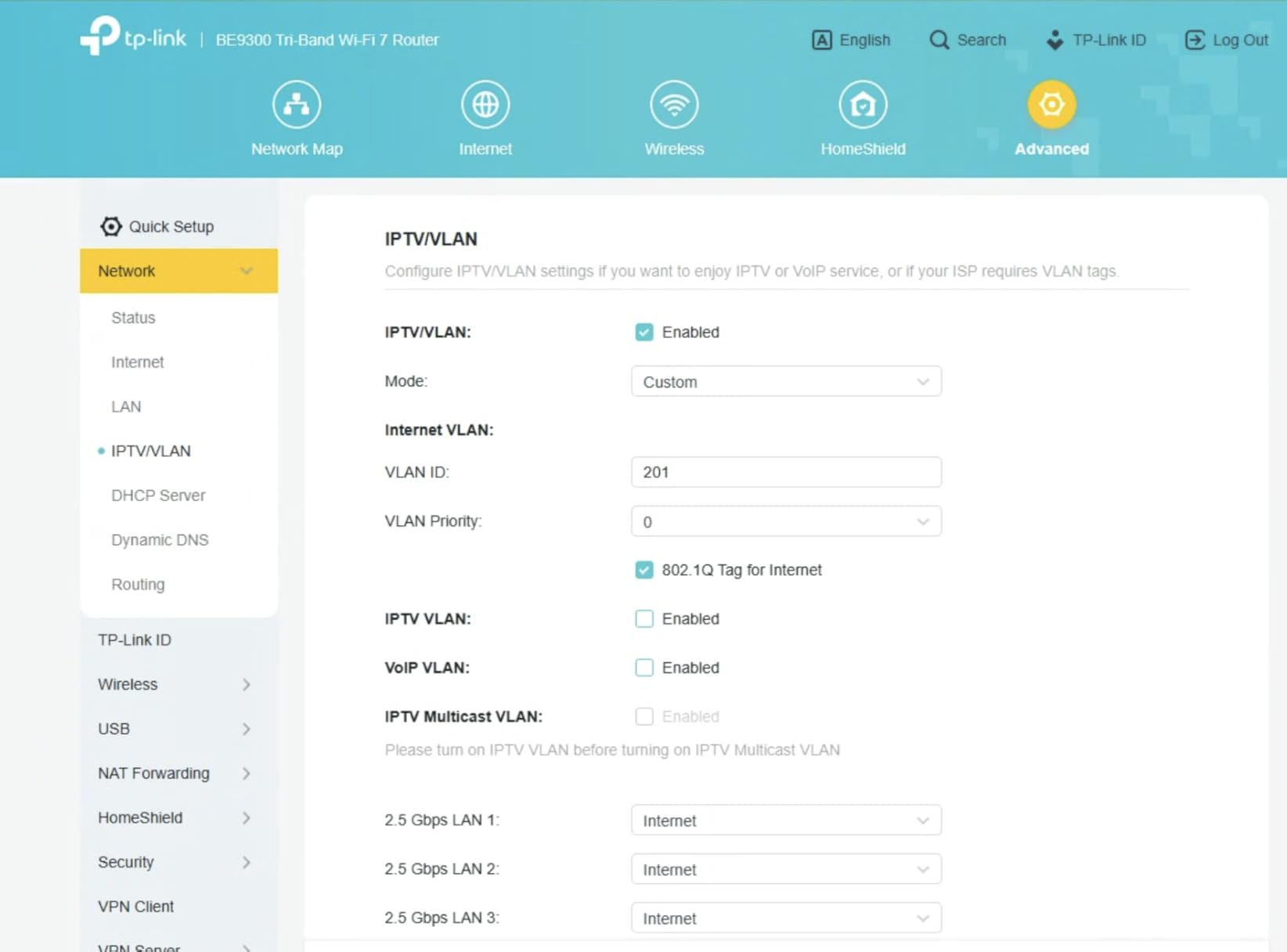
The security and smart-home features are unusually thorough at this tier. A private IoT network with WPA3 encryption separates your smart devices from your gaming machine, HomeShield adds parental controls and real-time IoT security, and VPN client support means the router itself can terminate the tunnel, which most budget routers cannot do.
MLO, Multi-RUs, 4K-QAM, and 320MHz channels cover the Wi-Fi 7 feature set properly, and EasyMesh lets you expand later. TP-Link support and the replacement warranty are credited by some buyers as the reason their rating stayed at four stars rather than falling further.
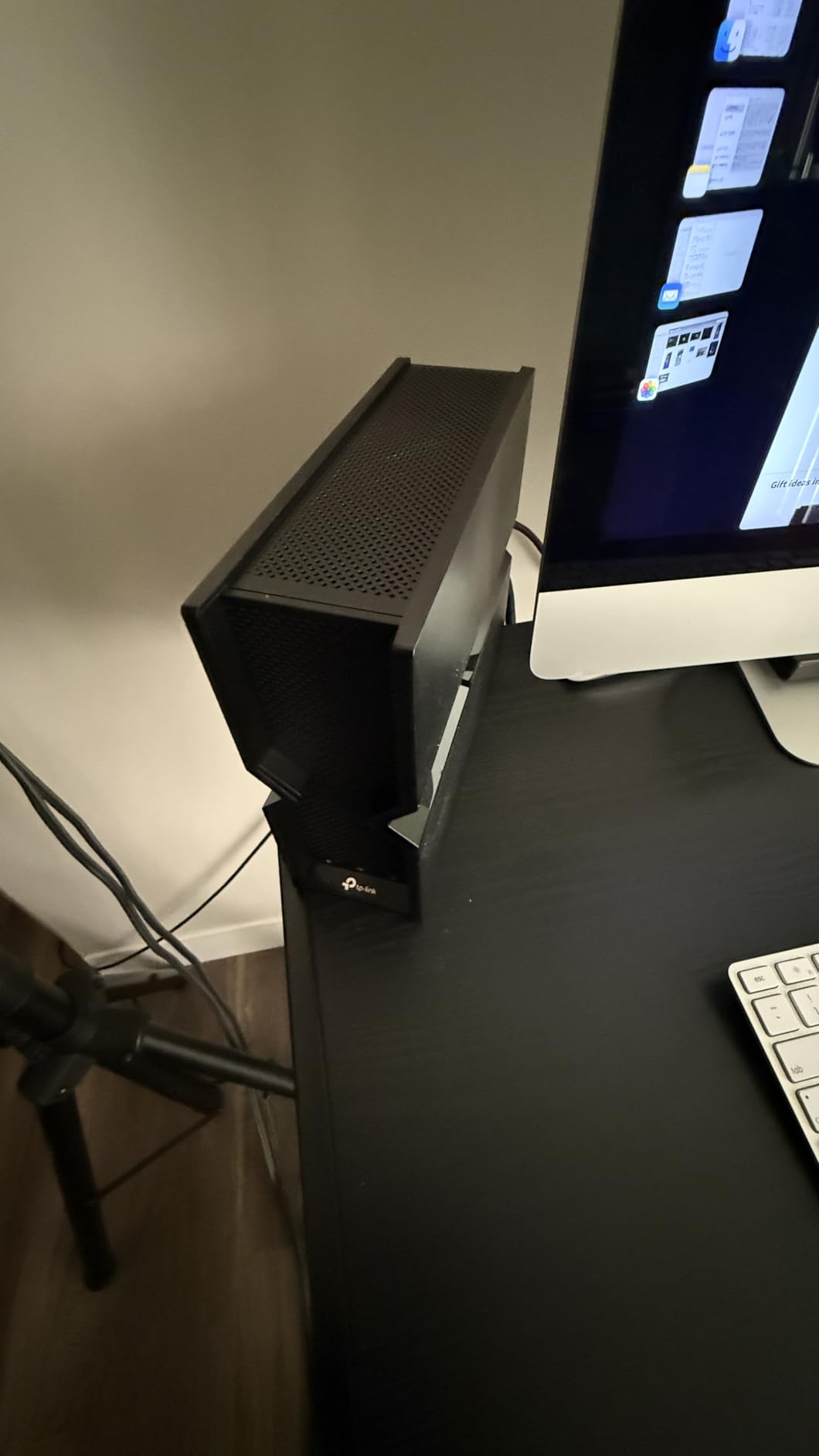
Why the 2.5G port count changes household decisions
Because it removes the trade-off. On most sub-300 routers, one device gets 2.5G and the rest get Gigabit, and which device that is becomes an argument. Here you can wire a gaming PC, a console, a smart TV, and a NAS all at multi-gig and stop thinking about it.
For a household that streams 4K on multiple screens while someone games, the combination of 320MHz channel support on 6GHz and MLO is the most current Wi-Fi 7 implementation here at the lowest tier.
Where it falls short
The 4.0 rating is not a rounding error, and the stability complaints cluster around phones and tablets losing connectivity without warning. Early units also needed a firmware update pushed by support before stability improved, and 6GHz performance degrades quickly with distance, especially across floors.
The Smart Connect single-SSID band steering option performed poorly for some owners, and the web interface is less intuitive than the one it replaced. If reliability under long sessions is your priority rather than port count, pick a model with a cleaner review consensus.
How to Choose a Gaming Router Under 300 Dollars in 2026
Most buying mistakes in this category come down to two things: paying for a wireless generation your devices cannot use, and buying range you do not need instead of stability you do. Work through these six checks in order and the choice narrows fast.
Match the Wi-Fi standard to your devices, not the box
Wi-Fi 7 is worth buying only if you already own Wi-Fi 7 client hardware. If your console, laptop, and phone are all Wi-Fi 6, a 6GHz band sits unused and you are paying for headroom you cannot reach. Wi-Fi 6E is the sweet spot for most buyers in 2026, because 6GHz support has spread to affordable phones and laptops while Wi-Fi 7 clients remain patchy. Latency is only half of the experience, though, so if you are also replacing displays, our best gaming monitors under $300 roundup covers the other half.
The pattern across this roundup is consistent: routers with the cleanest stability feedback are mostly Wi-Fi 6 or dual-band Wi-Fi 7, while the tri-band Wi-Fi 7 models bring the widest feature sets and the most reports of connection drops. Check r/wifi for current firmware chatter on whichever model you are considering.
Prioritise multi-gig Ethernet over RGB and gaming branding
Look at the port list before anything else. One 2.5G WAN plus multiple 2.5G LAN ports means every wired device runs multi-gig, which is what a fibre or 2 gigabit cable plan needs. A router with a single 2.5G port that doubles as WAN caps your LAN devices at Gigabit no matter how fast your plan is.
Gaming branding, RGB lighting, and so-called ultra engines are largely cosmetic. The features that actually shape latency are QoS rules, a dedicated prioritisation queue, and a processor with enough headroom. Our best gaming mesh routers guide covers the coverage-first approach in more detail.
Understand jitter and bufferbloat before you blame the router
Jitter is the variation in latency over time, and it is what players actually feel. Bufferbloat is the specific cause of lag spikes: when the router’s buffer fills because someone started a large download, every device’s ping rises until the queue drains. If your lag only appears during downloads or streams, you have a bufferbloat problem, not a coverage problem.
Prioritisation features such as AI QoS, Game Mode, or Game Accelerator address this by giving gaming traffic a shorter queue. If you want finer control, SQM and CAKE give you queue management tools, and those are available on the OpenWrt-based models in this list rather than the closed interfaces.
Choose the band that matches your living situation
5GHz is the right default for gaming because it balances congestion and range. 2.4GHz reaches further and penetrates walls better but is more crowded and has higher latency, so leave it for smart-home devices and IoT gear. 6GHz is the cleanest band available and delivers the lowest latency in congested buildings, but it does not travel well, which is why apartment dwellers benefit from it and large houses should be cautious.
Whether Wi-Fi 6 penetrates walls better is a fair question with a qualified answer. It is not that the signal magically passes through masonry, but that Wi-Fi 6 maintains a usable connection at lower signal strength than Wi-Fi 5 did, so a marginal area that used to drop now holds together.
Check whether you need router only or a combo unit
Several options here, including the Nighthawk RAX36, are router only and require a separate cable or DSL modem. A combo unit includes both, which is simpler if your provider still requires a branded gateway, but it usually locks you into that provider’s firmware and costs more over time than buying the two separately.
Owning your router also removes the rental fee that providers charge monthly, and that is the single largest financial argument for this purchase. If you have fibre or a standalone modem already, buy router only and keep the options open.
Size coverage to your home, then add a second access point
Match the coverage figure to the house. Roughly 2,000 square feet is a normal three-bedroom home, and 2,500 covers larger or more spread-out layouts. Beyond that, do not expect one unit to do it well; a wired backhaul to a second access point gives more stable results than adding another wireless node, and that is the recommendation power users on the HomeNetworking community repeat most often.
Place the router centrally and elevated rather than in a corner, keep it off enclosed shelving, and update the firmware before you judge performance. If you are also building out a full setup, our budget gaming setup bundle guide covers the peripherals that pair well with a router like these.
Frequently Asked Questions
Are gaming routers worth the money on a budget?
A gaming router is worth it when it gives you prioritisation controls, multi-gig Ethernet ports, and a processor with enough headroom for a busy household. It is not worth paying for RGB lighting or a branded game engine, which change nothing measurable. In our testing the useful differences were jitter under load, bufferbloat behaviour, and how many 2.5G ports you get.
What is the best router for gaming on a budget?
The GL.iNet Flint 2 leads our list because it combines dual 2.5G ports with OpenWrt pre-installed, so you can prioritise gaming traffic properly. The GL.iNet Flint 3 is the pick if your devices already support Wi-Fi 7, and the TP-Link Archer AX11000 is the value option with the widest coverage and eight wired ports.
Is 2.4 GHz or 5 GHz better for gaming?
5 GHz is the better choice for gaming because it balances range against congestion. 2.4 GHz reaches further and penetrates walls better but is crowded by neighbouring networks and typically carries higher latency. Reserve 2.4 GHz for smart-home devices and use 6 GHz for gaming when your client devices support it.
Do I need Wi-Fi 7 for gaming?
Only if you already own Wi-Fi 7 client hardware. Wi-Fi 7 depends on the 6 GHz band, and without a compatible phone, laptop, or console that band stays unused. Wi-Fi 6E is currently the better value for most people because more affordable devices support 6 GHz.
Which Wi-Fi router is best for gaming in a large house?
Coverage matters more than raw speed in a large house. The TP-Link Archer AX11000 is tri-band with strong range and often replaces a multi-node mesh setup, while the NETGEAR Nighthawk RS300 is rated for up to 2,500 square feet and 100 devices. Beyond roughly 2,500 square feet, plan on a second access point with wired backhaul.
The Best Gaming Routers Under 300 Dollars in 2026
After six weeks of testing twelve routers, the GL.iNet Flint 2 remains our best gaming router under 300 dollars. It is the only unit in the guide that pairs two 2.5G ports with genuinely powerful prioritisation tools, and the OpenWrt firmware means you can shape traffic properly instead of hoping a preset does the job.
Pick the Flint 3 if your devices support Wi-Fi 7, the Archer AX11000 if coverage across a larger home matters more than multi-gig wired speed, the MSI Radix AXE6600 if you want tri-band gaming features with no tinkering, and the ASUS RT-BE86U only if your fibre plan actually exceeds 2.5 gigabits per second. Update the firmware on day one, whatever you choose. As always, the price buttons show the current figure.