
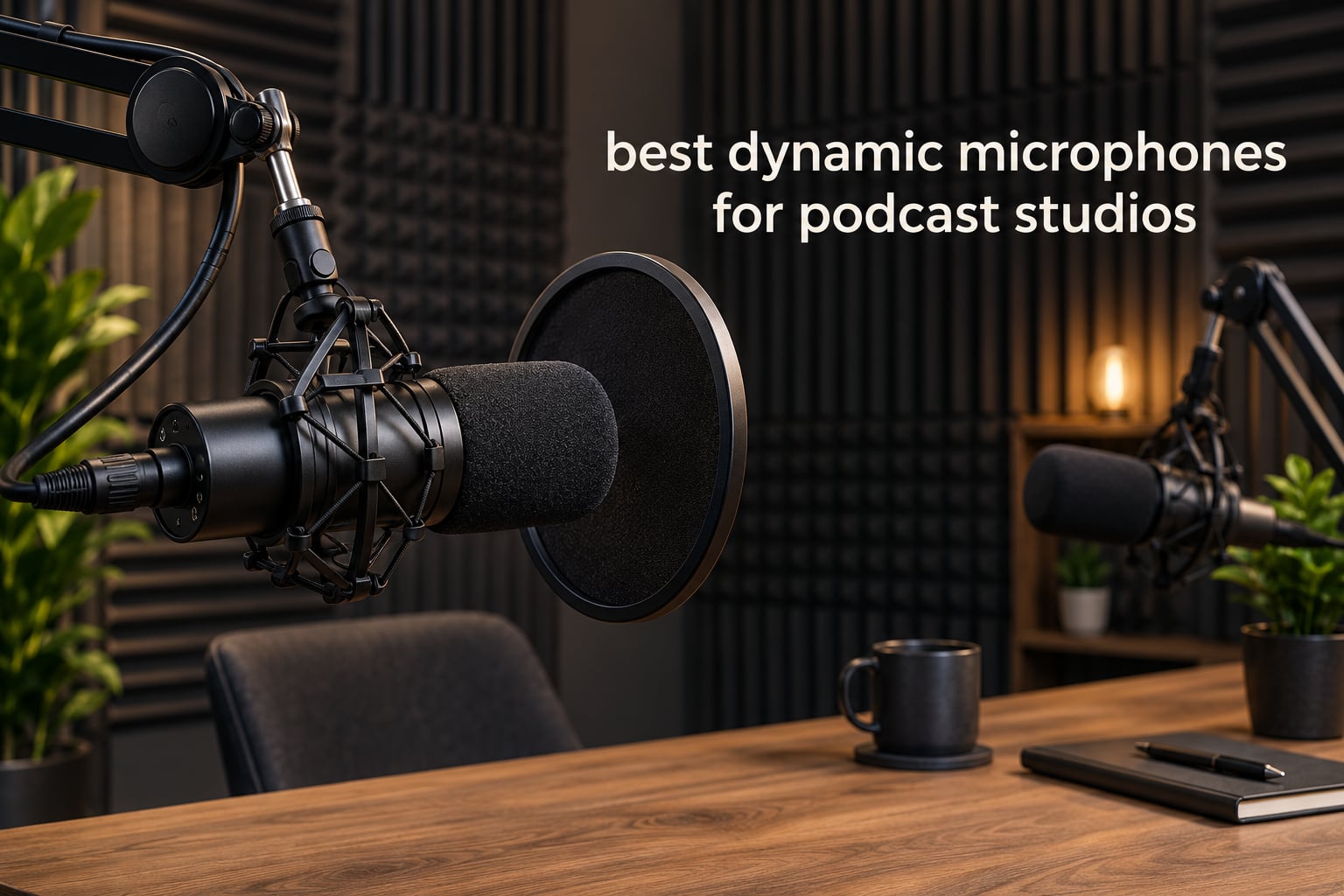
A dynamic podcast microphone is a moving-coil mic that hears your voice through a magnetic field, which makes it far less bothered by room noise, air conditioning and traffic than a condenser. That single trait is why it is the default choice for a dedicated podcast studio, and why the best dynamic microphones for podcast studios below all share a cardioid or tighter pickup pattern. Our all-round winner is the Shure SM7B, but it is not the right pick for every room or every budget.
We spent weeks putting 12 dynamic broadcast mics through the same routine: spoken-word recordings at a desk, on a boom arm and handheld, in rooms with a fan running and in a treated corner. We compared output level, self-noise, off-axis rejection on a second voice, plosive control and how much clean preamp gain each one asked for.
Three questions decide your purchase before any brand does: how noisy is your room, how much gain can your interface deliver, and do you want a USB mic you can grow out of or a pure XLR mic you will never outgrow. If you are still working out whether a dynamic is even the right microphone type, start with our complete guide to dynamic microphones.
Top 3 Dynamic Microphones for Podcast Studios for October 2026
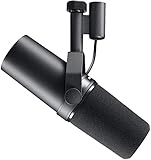
Shure SM7B
- › 50 Hz - 20000 Hz response
- › 150 ohm cardioid
- › Built-in pop filter and shock isolation
- › Needs roughly 60 dB of clean gain

Rode PodMic
- › 20 Hz - 20 kHz response
- › 150 ohm cardioid
- › Internal pop filter and shock mount
- › All-metal body with swing mount

FIFINE AM8
- › 50 Hz - 16 kHz response
- › USB-C and XLR output
- › Gain knob and headphone jack
- › Tap-to-mute with LED
12 Dynamic Microphones Compared Side by Side for October 2026
| PRODUCT MODEL | KEY SPECS | BEST PRICE |
|---|---|---|
|
|
Check Latest Price |
|
|
Check Latest Price |
|
|
Check Latest Price |
 |
|
Check Latest Price |
 |
|
Check Latest Price |
 |
|
Check Latest Price |
 |
|
Check Latest Price |
 |
|
Check Latest Price |
 |
|
Check Latest Price |
 |
|
Check Latest Price |
 |
|
Check Latest Price |
 |
|
Check Latest Price |
1. Shure SM7B – The Best All-Round Broadcast Dynamic
Shure SM7B Dynamic Vocal Microphone for Podcasting & Streaming
50 Hz - 20,000 Hz
150 ohm cardioid
XLR output
2.7 lb metal body
+ The Good
- Warm broadcast-ready tone
- Excellent off-axis rejection
- Built-in pop filter and shock isolation
- All-metal build
- Low-cut and presence boost switches
- The Bad
- Needs roughly 60 dB of clean gain
- Dark voicing on deep voices
- Heavy on a weak boom arm
The SM7B is the mic most podcast rooms end up with, and after weeks of side-by-side recording I understand why. The tone is full and smooth with a gentle top end that never turns harsh when a host gets excited.
It ships with an integrated pop filter and an air-suspension shock mount, removing two accessory purchases most broadcast mics force on you. A low-cut filter and a presence boost switch handle rumble and bite in circuit.
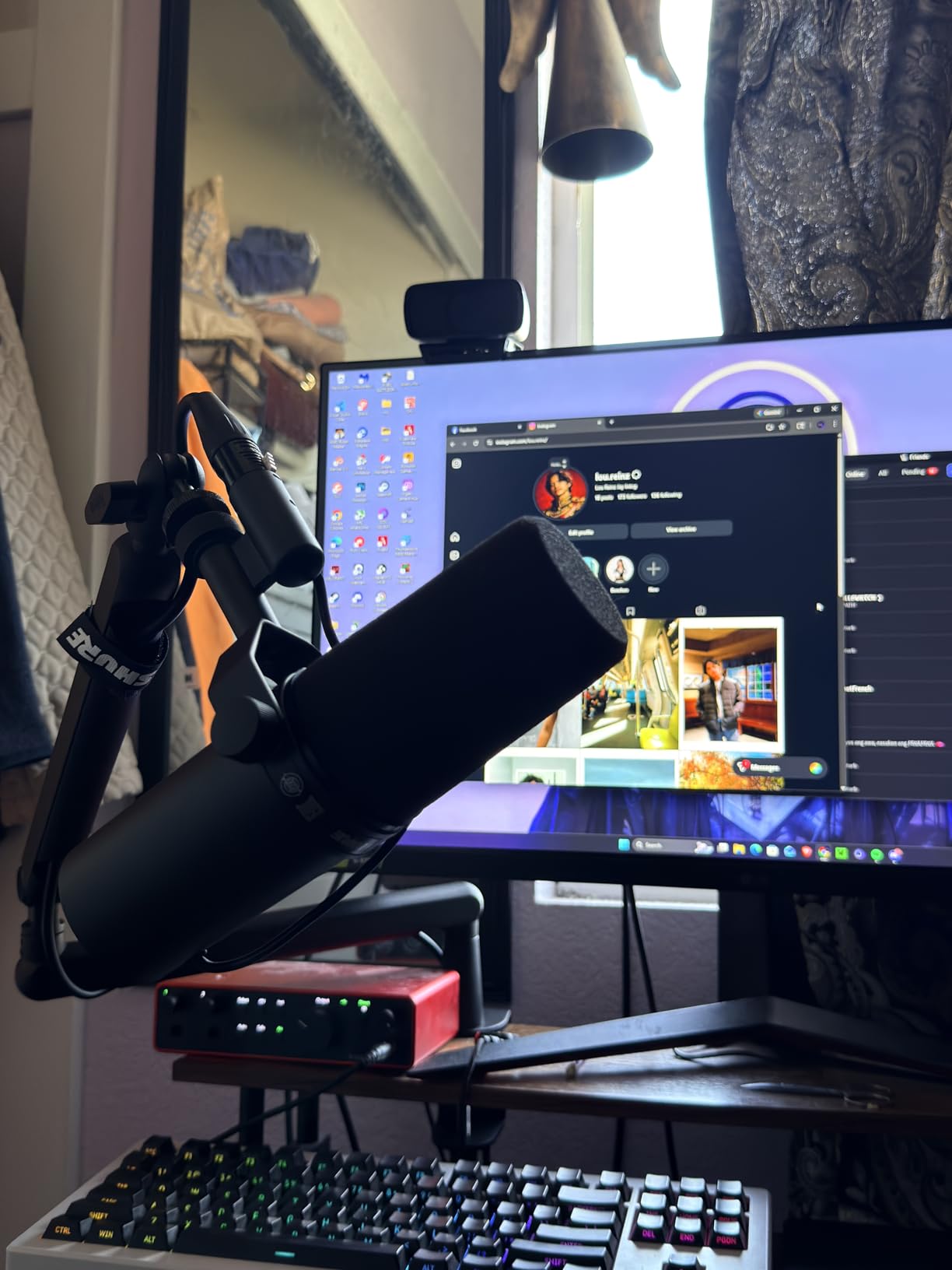
Gain is what trips up new owners. At -59 dBV/Pa and 150 ohm impedance this is a quiet mic, and reviewers consistently report adding an inline booster or using a high-headroom interface to reach a usable level.
Build quality is the other strength. The all-metal chassis and electromagnetic shielding let it live on a boom arm for years. We also compared it against our broader podcast microphone guide, and nothing there matched it for full-range clarity on speech.
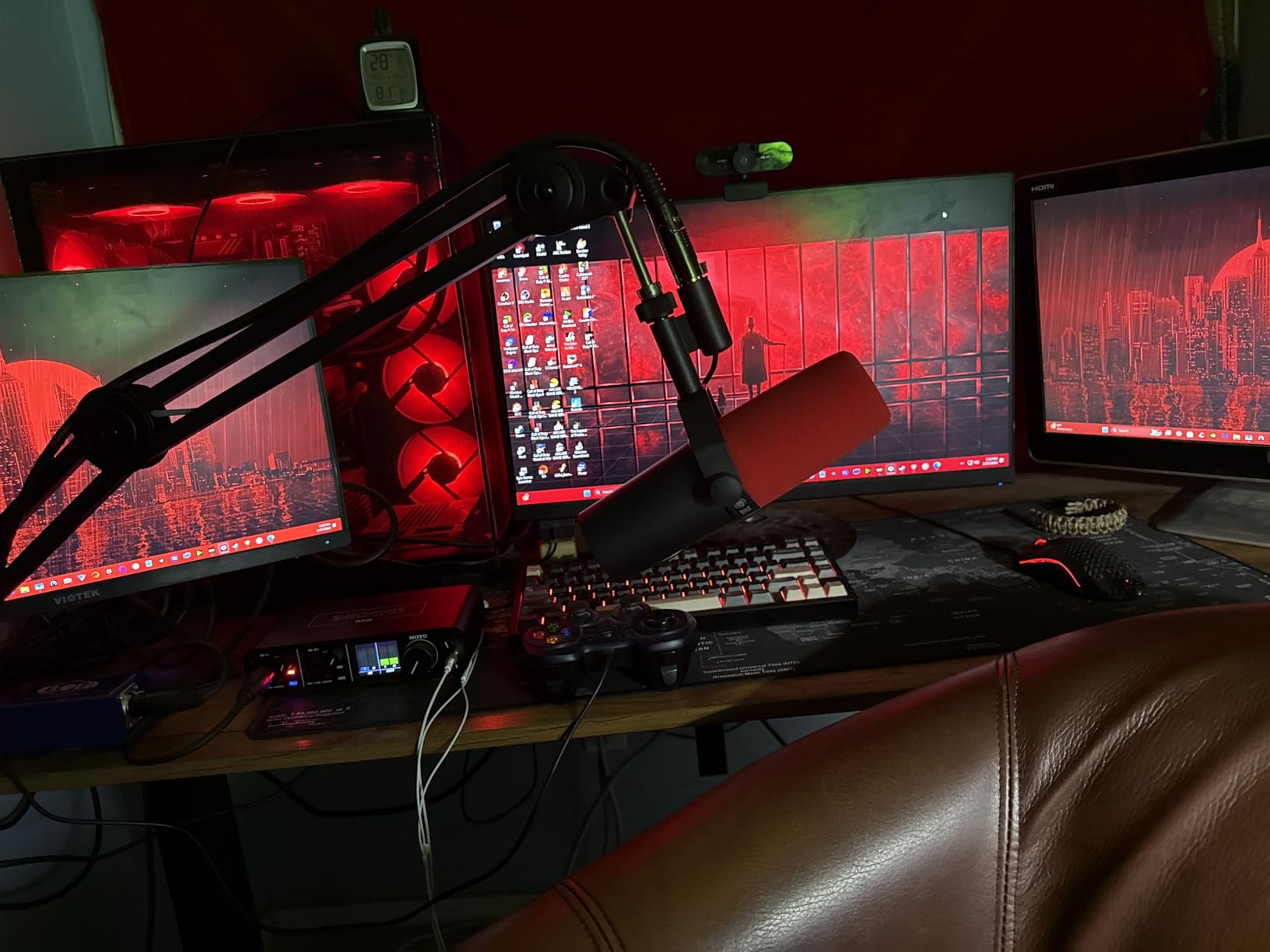
Room fit and gain requirements for the SM7B
In a treated studio with a good preamp, this mic needs no help. In an untreated bedroom the isolation still holds, but budget for an inline booster or an interface with real headroom.
The voicing is dark, so deep voices may want a gentle high shelf after recording. Lighter voices usually need only a touch of presence lift.
What you need to buy alongside it
An XLR cable and an interface or mixer with a usable gain range are the essentials. A pop filter is optional since one is built in.
Count the total cost. Podcasters who compared notes often found that a mid-tier mic plus a decent interface beats a flagship mic with a weak preamp at the same spend.
2. FIFINE AM8 – The Best Budget USB and XLR Hybrid
FIFINE AmpliGame AM8 USB/XLR Dynamic Microphone for Gaming Streaming
50 Hz - 16 kHz
USB-C and XLR
Gain knob and headphone jack
Desk stand included
+ The Good
- Clear voice at a very low price
- USB and XLR in one body
- Rejects keyboard and fan noise
- Good included desk stand
- Zero-driver setup
- The Bad
- RGB ring is dim and cable dependent
- On-mic controls vanish in XLR mode
- Plastic-heavy housing
- Room echo if placed badly
The AM8 is the pick if you want to record tonight with nothing but a laptop. Plug the USB-C cable in, set the gain knob, and you have a usable voice track with tap-to-mute and a headphone jack. No drivers, no interface.
Once you outgrow the USB path, the same body outputs XLR, so the mic travels with you into a real studio chain. Reviewers describe the voice as clear and warm for the money, and keyboard and fan rejection is better than the price implies.
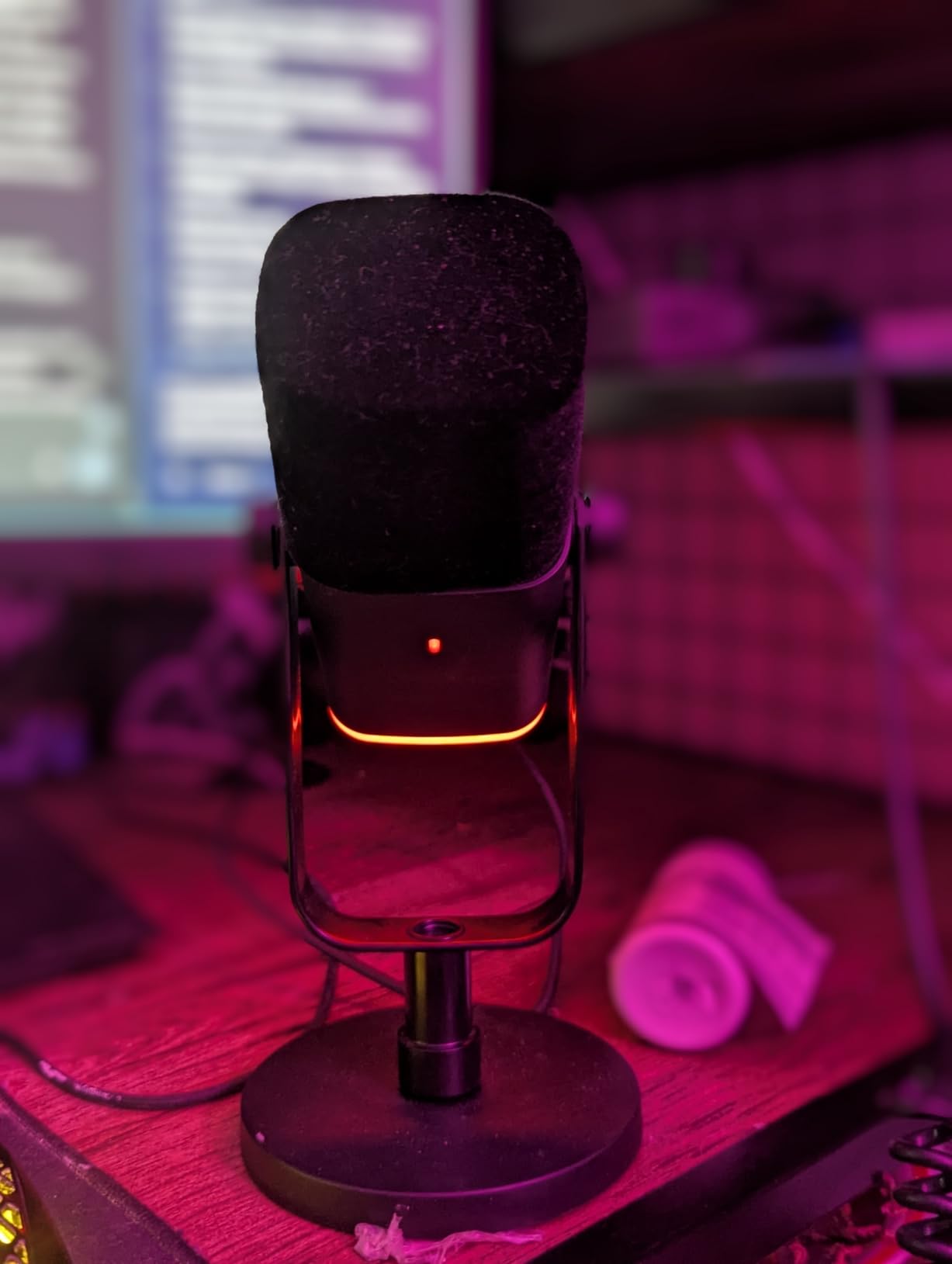
Two honest limitations. The RGB ring is dim and can cut out if the cable is jostled, which matters if the mic sits on camera. The gain knob, mute and headphone monitoring also disappear the moment you switch to XLR mode.
The housing is largely plastic, and in a larger untreated room the mic can pick up echo if it is not kept close. Stay within about four inches and that problem disappears.
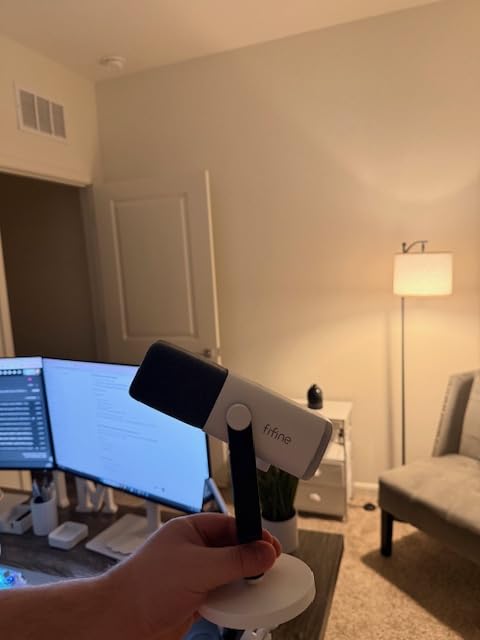
Who should buy the AM8 first
Solo creators, streamers moving off a headset, and anyone recording their first ten episodes without an interface. You can publish before spending anything beyond the mic.
It also works as a second host mic on a remote show, since each person can record locally over USB and you assemble the tracks later.
When to skip it
Skip it if you will record in a large live room with other people talking, or if you need the on-mic controls to keep working on XLR. For a large treated studio, look at the Rode PodMic or the SM7B instead.
The XLR cable is not in the box, so add it to your list before you switch outputs.
3. Rode PodMic – The Best Value Broadcast Dynamic
RØDE PodMic Cardioid Dynamic Broadcast Microphone, XLR
20 Hz - 20 kHz
150 ohm cardioid
XLR output
937 g metal body
+ The Good
- Rich warm broadcast tone
- Strong off-axis rejection
- All-metal body
- Internal pop filter and shock mount
- Broadcast capsule tuned for speech
- The Bad
- Low output demands clean gain
- XLR only so an interface is required
- No headphone monitoring jack
- Heavier than expected
The PodMic is the most-recommended first serious podcast microphone we tested. It is a broadcast dynamic with a full metal body, an internal pop filter and internal shock mounting, at a price that does not force you into a used interface. The tone is rich and warm without sounding thick.
Off-axis rejection was among the strongest in this group. With a second voice at conversational distance behind the host, the PodMic kept that voice well under the direct signal, which is exactly what you want from a shared room.
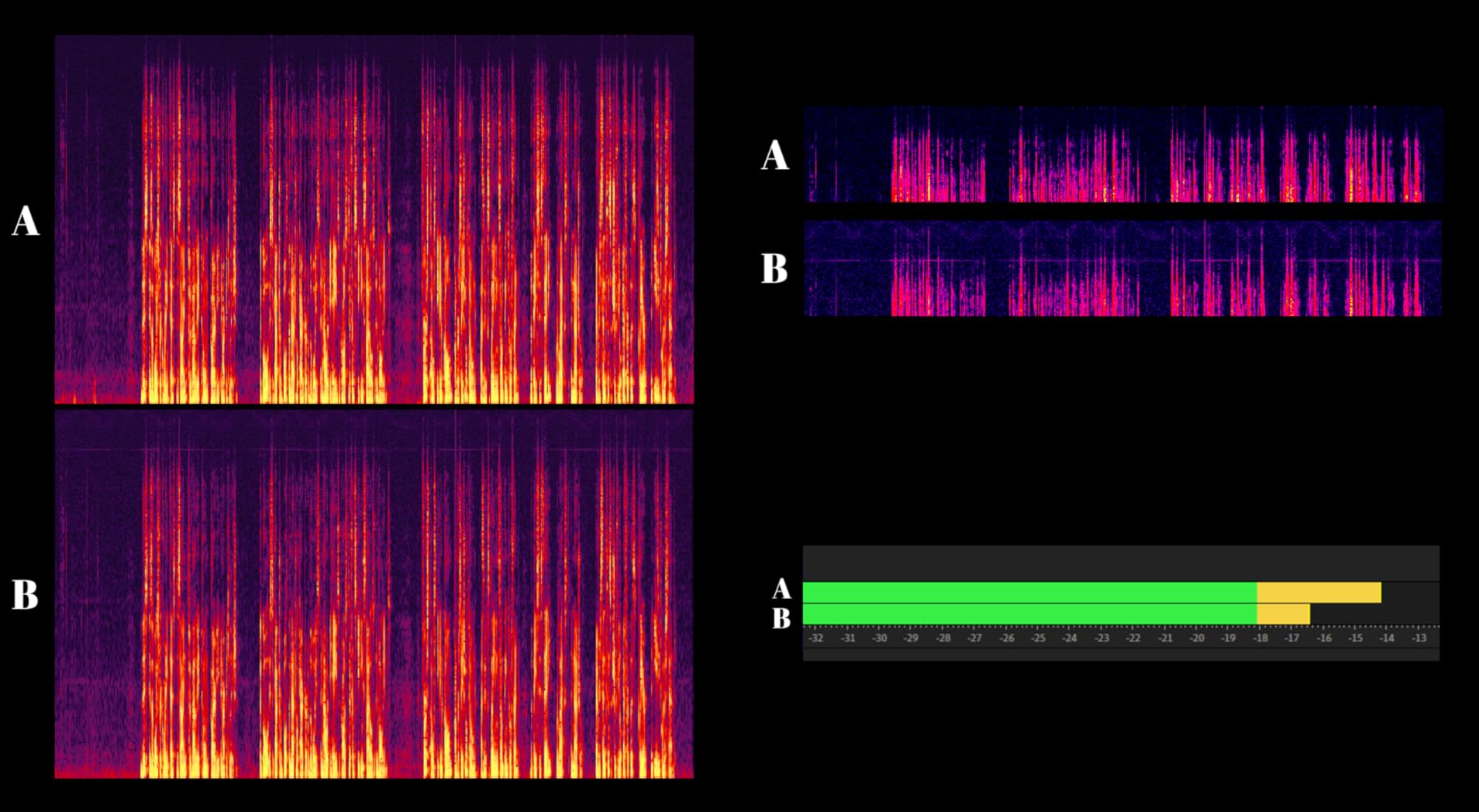
The catch is output level. Pair it with an underpowered interface and hiss appears once you push the gain. Elektronauts threads have owners pairing the PodMic with a cheap inline booster and calling it perfect for their needs.
It is XLR only, so an interface is required before the first recording. There is no headphone jack on the mic. At 937 g it is heavier than people expect, so a light boom arm can sag.
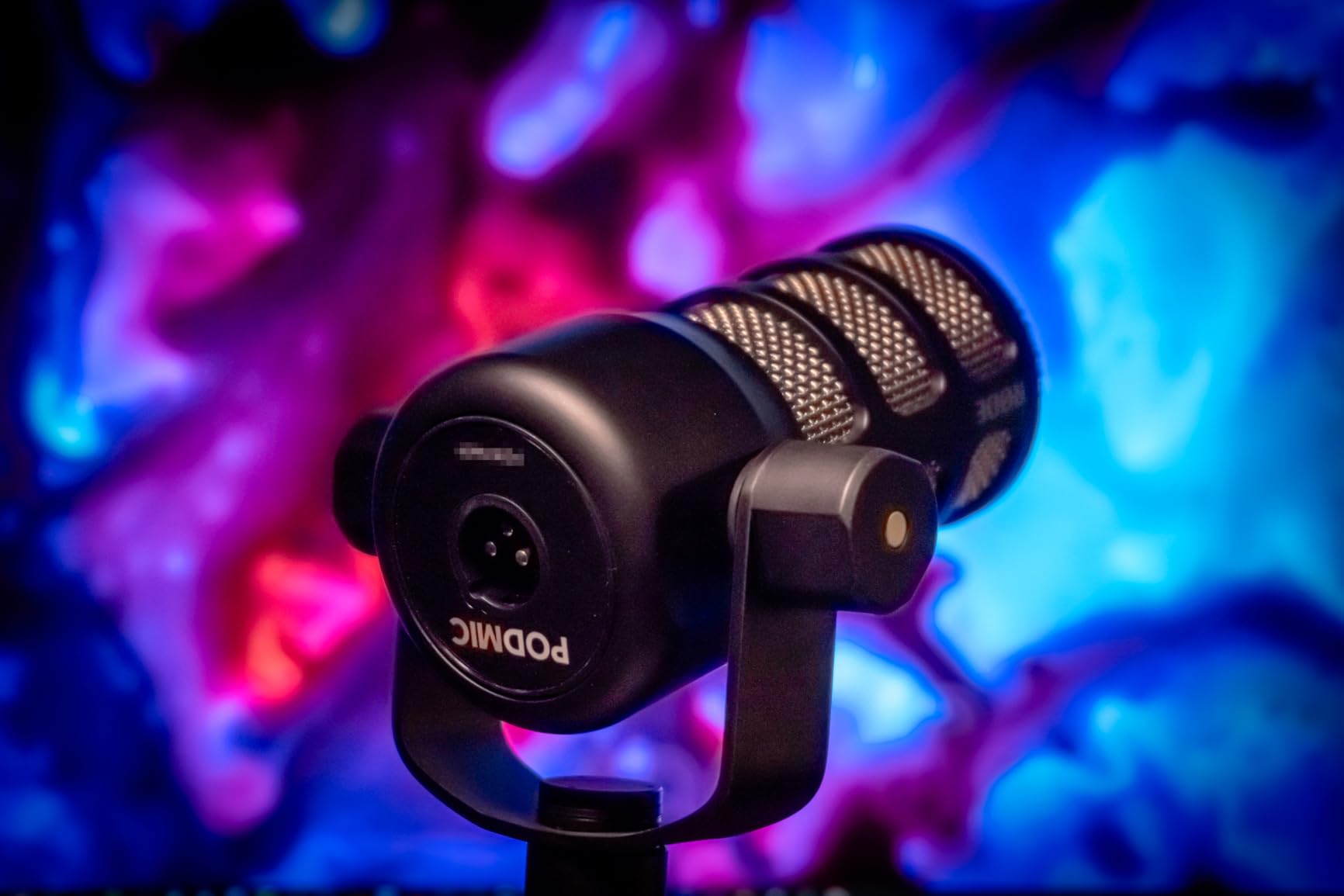
Pairing the PodMic with a preamp
Any interface with real clean gain will do, and a mixer channel works if you want physical faders for two guests. If you hear hiss, the preamp is the weak link, not the mic.
Avoid preamps that are extremely quiet at high gain. That mismatch comes up constantly in forum threads, and fixing it means swapping the interface rather than the microphone.
What the swing mount changes
The integrated swing mount suspends the mic in shock isolation without buying a separate arm, which cuts the accessory list. It also holds the capsule at a consistent mouth distance.
If you move to a boom arm later, the mount keeps working as a backup and the metal body handles the swap.
4. Samson Q2U – The Best Complete Starter Kit
Samson Q2U USB/XLR Dynamic Microphone Recording and Podcasting Pack
50 Hz - 15 kHz
USB-C and XLR
Zero-latency headphone output
Handheld cardioid
+ The Good
- Clear full natural voice
- Dual USB-C and XLR output
- Everything needed in the box
- Handheld form factor suits beginners
- Low self-noise
- The Bad
- Weak desktop tripod stand
- Needs a pop filter for plosives
- Occasional USB detection glitch
- No on-mic gain or monitoring
The Q2U is the rare mic that arrives with a complete kit: tripod stand, extension, mic clip, windscreen, USB-C cable and an XLR cable. Working radio professionals have long recommended it for beginners, and the reasoning holds up. The voice is full and natural with low self-noise.
Both outputs are real. USB-C goes into a computer, XLR goes into an interface later, and a 3.5 mm headphone port on the body gives zero-latency monitoring while recording on USB.
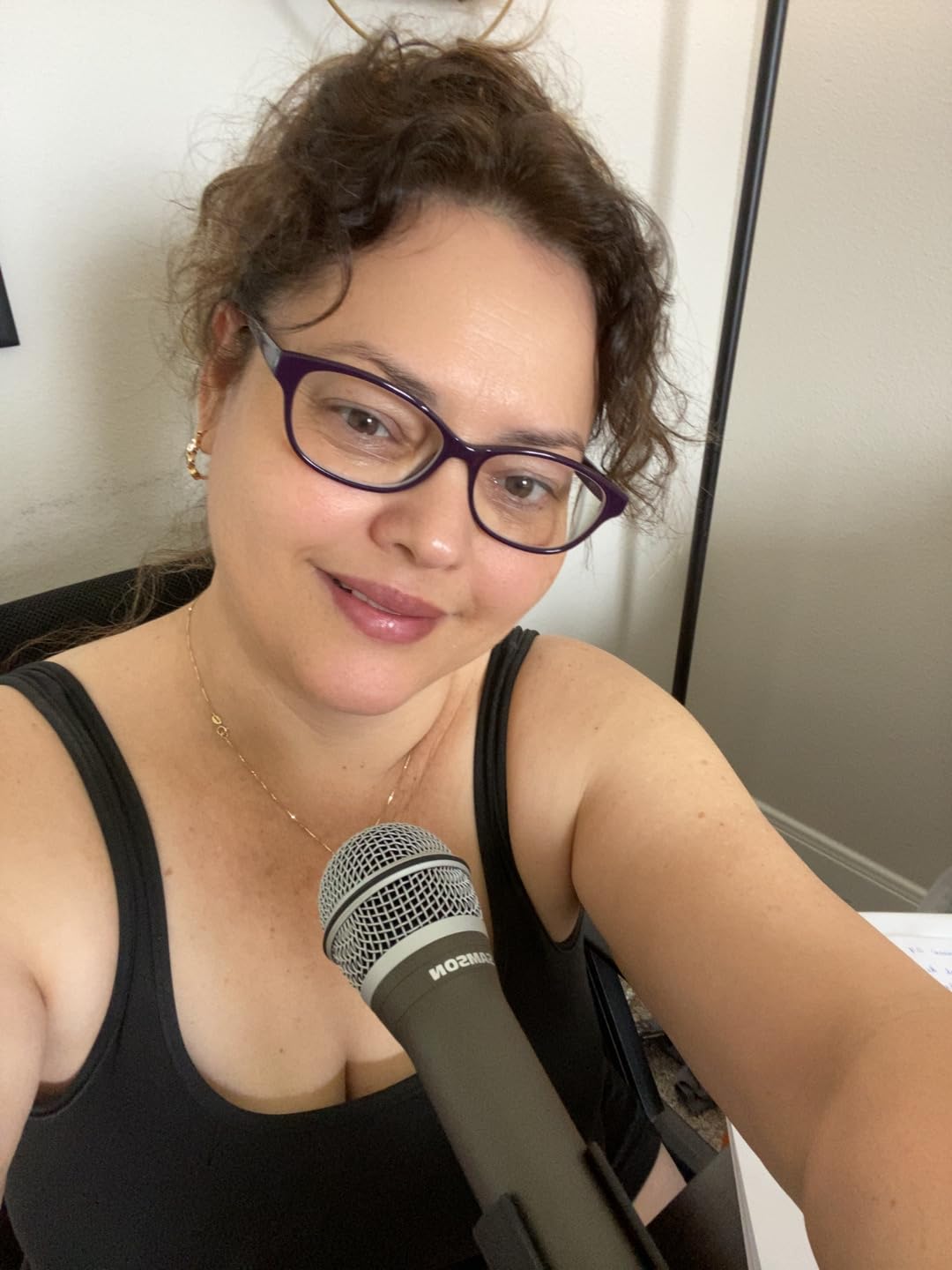
The included stand is the weak link. The tripod is light and the clamp screw goes loose, transmitting desk vibration into the capsule, so budget for a proper arm early. The windscreen helps with plosives but does not fully replace a pop filter.
There are no on-mic gain or monitoring controls, so levels are set in software. Older units could fail USB enumeration after a power cycle until the cable was re-seated; a firmware update addresses that quirk.
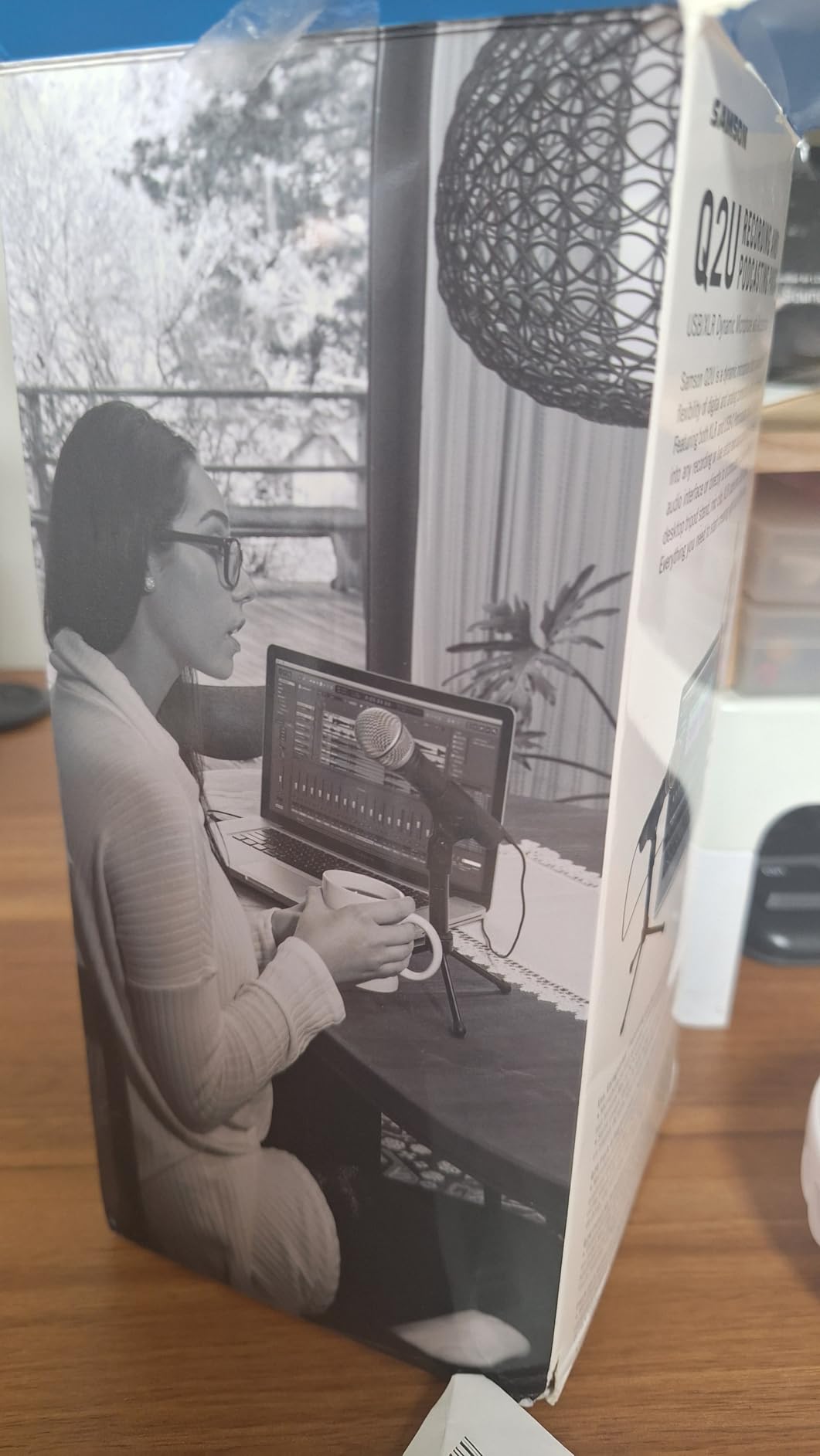
Handheld technique versus boom-arm technique
Held in the hand, the cardioid pattern forgives small movements better than most desk-mounted mics, which makes it friendly for first-time hosts and encourages better vocal delivery.
Mounted on a stand, the same pattern requires you to stay within a few inches. Decide which style you want before you buy stands.
Best value for a complete package
The Q2U wins on everything-in-the-box economics. Comparing accessory lists, it removes the four small purchases that normally add up on a first setup.
It also works as a second guest mic in a roundtable format, where two handheld dynamics and one mixer often beat two desk mics on a shared table.
5. FIFINE K688 – The Best Metal-Build Value Upgrade
FIFINE AmpliTank K688 Dynamic Microphone, XLR/USB Podcast Recording PC Mic
50 Hz - 16 kHz
USB-C and XLR
130 dB max SPL
0.51 kg metal body
+ The Good
- Strong rejection of fans and drives
- Metal build
- Shock mount and windscreen included
- Real-time monitoring jack
- Easy rear gain control
- The Bad
- Flimsy bundled tripod stand
- XLR cable not included
- Delicate tap-to-mute spring
- Room sound if gain is pushed too far
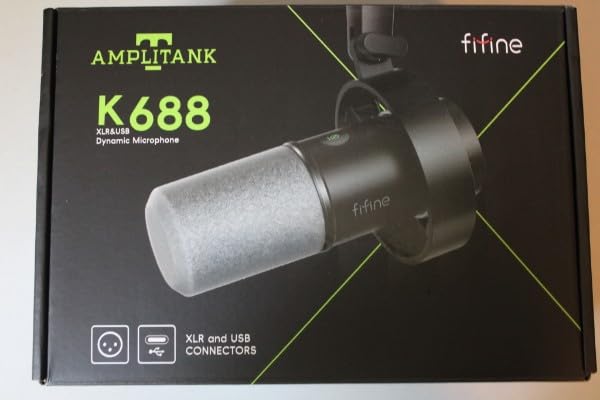
The K688 is the natural step up from a plastic budget mic. The metal chassis feels far more substantial, and the shock mount and windscreen in the box handle desk thumps and plosives without extra purchases. Recorded with a fan and hard drive running, the background stayed well under the voice.
Both USB-C and XLR are present. On USB you get front tap-to-mute, a rear gain knob and a 3.5 mm headphone jack with real-time monitoring volume.
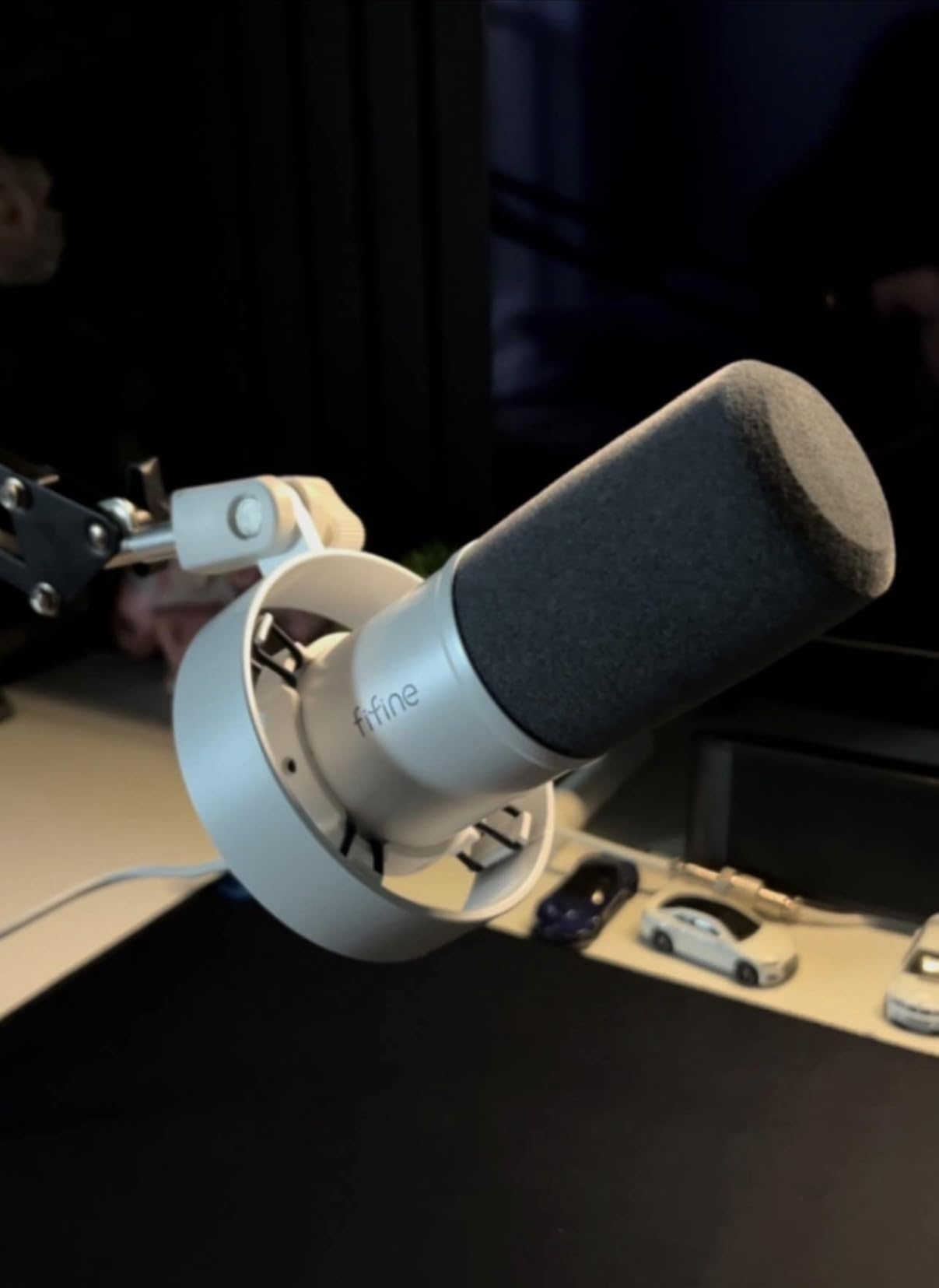
The bundled mini tripod is flimsy and reviewers report it degrading within a few months, so treat it as temporary. The XLR cable is also not in the box, an easy oversight when you move to the studio path.
One small build note: the tap-to-mute spring is delicate and can pop off if pressed hard. Pushing the gain too far also opens the door to room sound, so set levels before you turn it up.
When the metal body actually matters
On a boom arm that gets bumped, and in a studio where the mic stays assembled for years, a metal chassis simply lasts longer. It also damps the ringing you hear from lighter plastic bodies.
If your setup stays portable and you record in different rooms each week, build matters less than the included accessories.
Accessories to buy on day one
An XLR cable and a replacement stand cover almost everything, since the shock mount and windscreen are already supplied.
Recording two people at once? Buy a second mic and run both into a two-channel interface with matched gain so levels match on edit.
6. Shure MV7X – The Best Pick If You Already Own an Interface
Shure MV7X XLR Dynamic Podcast & Recording Microphone – Black
50 Hz - 16 kHz
XLR output only
508 g metal body
Integrated shock mount
+ The Good
- Broadcast voicing tuned for speech
- Integrated shock mount
- Cardioid isolation cuts room noise
- Adjustable yoke mount
- Compact 508 g weight
- The Bad
- XLR only so no direct USB use
- No on-mic gain or headphone controls
- Needs a separate interface
The MV7X is built for people who already run an interface. You get Shure broadcast voicing on a dynamic cardioid capsule, an integrated shock mount inside the body, and an adjustable yoke mount with a thread adapter in the box.
At 508 g it is the lightest broadcast dynamic we tested, and that matters more than the spec sheet suggests. It sits on a boom arm all day without pulling it down.
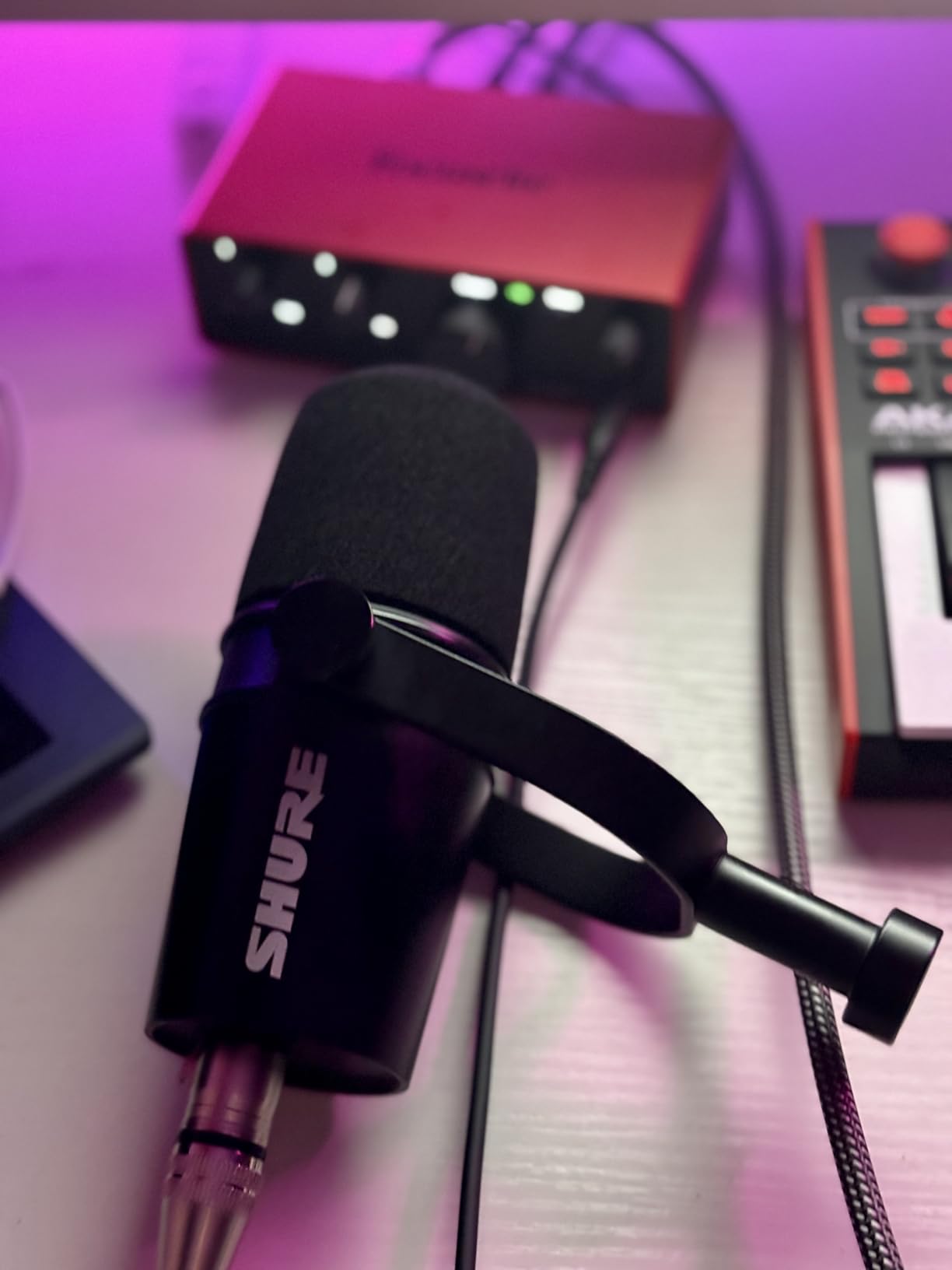
There are no on-mic controls at all. No gain knob, no headphone jack, no mute button. Everything happens at your interface or in software, which suits an existing workflow and does not suit a beginner.
Because output is XLR only, you cannot connect it to a computer as a USB mic. Plan the interface into the budget before you commit.
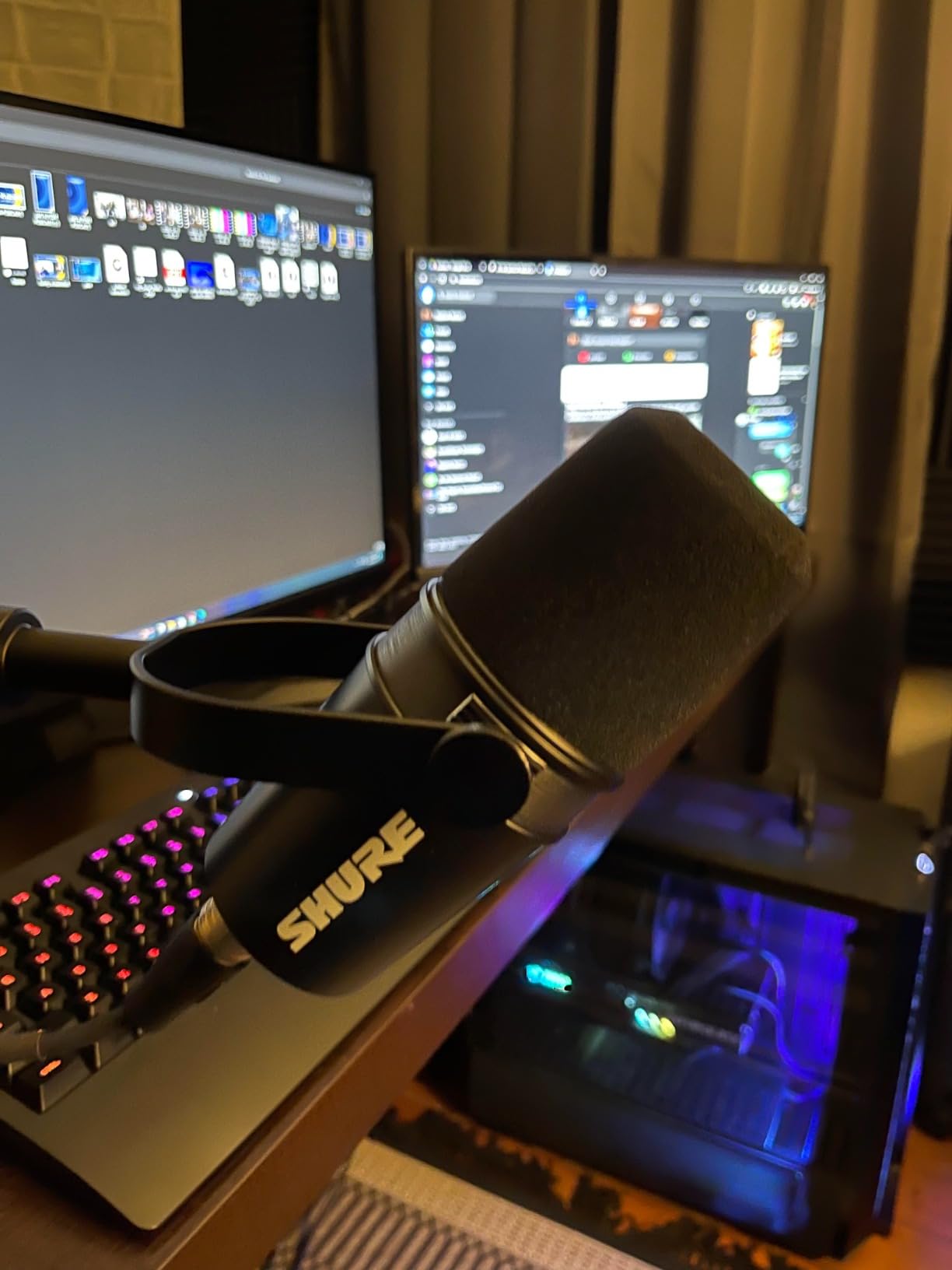
Why shock isolation inside the body helps
An internal shock mount keeps stand and boom vibration from reaching the capsule, so a desk knock or a boom swing does not print as a thud. You can work more loosely without protecting every mic movement.
External mounts still help, but the isolation stage is already handled before you add anything.
Who this mic is wrong for
It is wrong for anyone recording solo without an interface, and wrong for video work where a physical mute button matters. In those cases the Shure MV7+ is the sibling to look at.
For a two-mic co-hosted show on one interface, its light weight and integrated isolation make it easy to position accurately.
7. MAONO PD200XS – The Best All-in-One Kit With Boom Arm
MAONO PD200XS XLR/USB Dynamic Microphone Kit, RGB Gaming Mic with Software
40 Hz - 16 kHz
USB-C and XLR
680 ohm cardioid
Boom arm and shock mount included
+ The Good
- Warm smooth tone across a wide range
- Cardioid rejection cuts background noise
- Includes a sturdy adjustable boom arm
- Software EQ and compression
- USB and XLR in one body
- The Bad
- XLR cable not included
- Software features are USB only
- Needs close mic placement
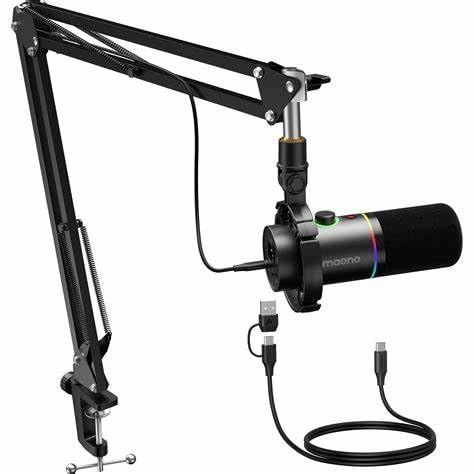
The PD200XS is sold as a kit, and the kit is the selling point: microphone, shock mount, an adjustable boom arm, a USB-C cable and a thread adapter all arrive together. Very few bundles at this level include an arm sturdy enough to hold a dynamic mic at a consistent height.
The tone is warm and smooth across 40 Hz – 16 kHz, and the cardioid pattern does a solid job of keeping room noise down in a normal bedroom. Over USB, MAONO Link puts EQ, a limiter and compression on the signal path rather than in post.
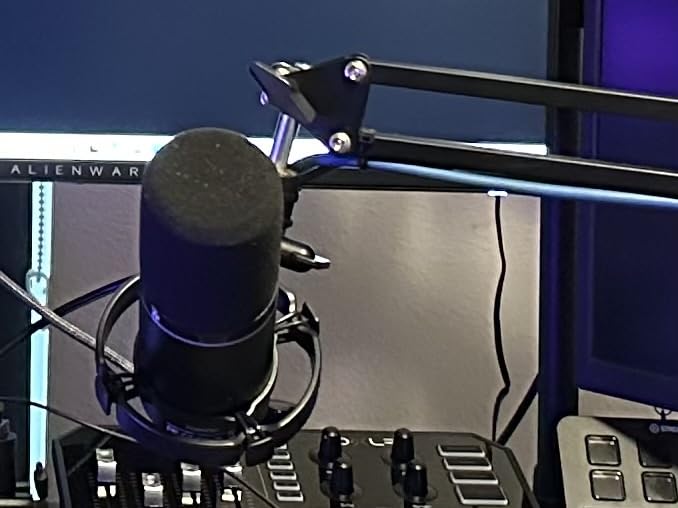
The XLR cable is not included, and every software feature disappears once you move to XLR mode. That is the trade for a single knob handling mic gain and headphone volume together, plus one-click mute with an LED.
One technique note: like most dynamics here, it sounds best kept close. Speaking from mid-chest distance rather than at the pop filter brings in more room than you expect.
What the bundled arm changes
A boom arm fixes the two things that ruin desk-mic audio: desk thumps and a moving capsule distance. It also keeps the mic out of frame on a video podcast, which many creators consider worth the arm alone.
Check the clamp fit on your desk edge first, since a loose clamp transmits the vibration it was meant to remove.
When the software layer earns its place
If you record on USB and publish with little editing, on-mic EQ and limiting saves real time per episode. It matters less once you start doing proper post-production.
Treat the software as a starting point, then move the same processing into your own chain once you outgrow it.
8. Audio-Technica AT2040 – The Best Hypercardioid for Two-Host Setups
Audio-Technica AT2040 Hypercardioid Dynamic Podcast Microphone
Hypercardioid
Up to 15 kHz response
XLR output
2.2 lb metal body
+ The Good
- Tightest off-axis rejection in this group
- Warm assertive speech tone
- Solid metal build
- No proximity effect at close range
- Good signal-to-noise ratio
- The Bad
- Needs substantial clean gain
- Rolls off the deepest bass
- Less shock isolation than advertised
- Less forgiving of off-axis placement
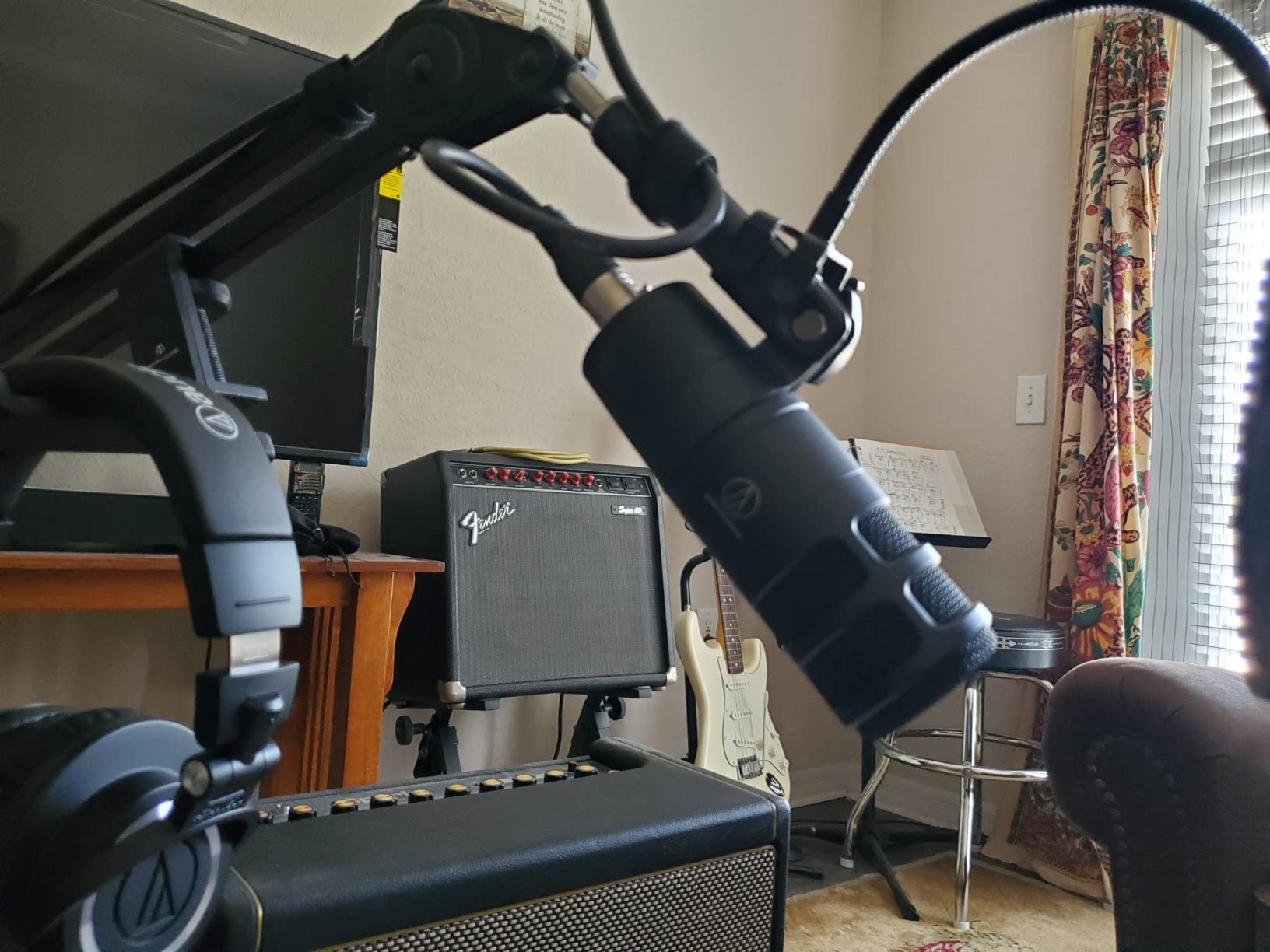
The AT2040 is the only hypercardioid in this roundup, and that single difference matters if you record two people in one room. A hypercardioid rejects sound from behind far more aggressively than a cardioid, so a second host across the table bleeds in far less.
The tone is warm and assertive, which suits spoken word, and the multistage foam windscreen inside the grille handles plosives without a separate pop filter. A built-in 80 Hz high-pass trims rumble in circuit.
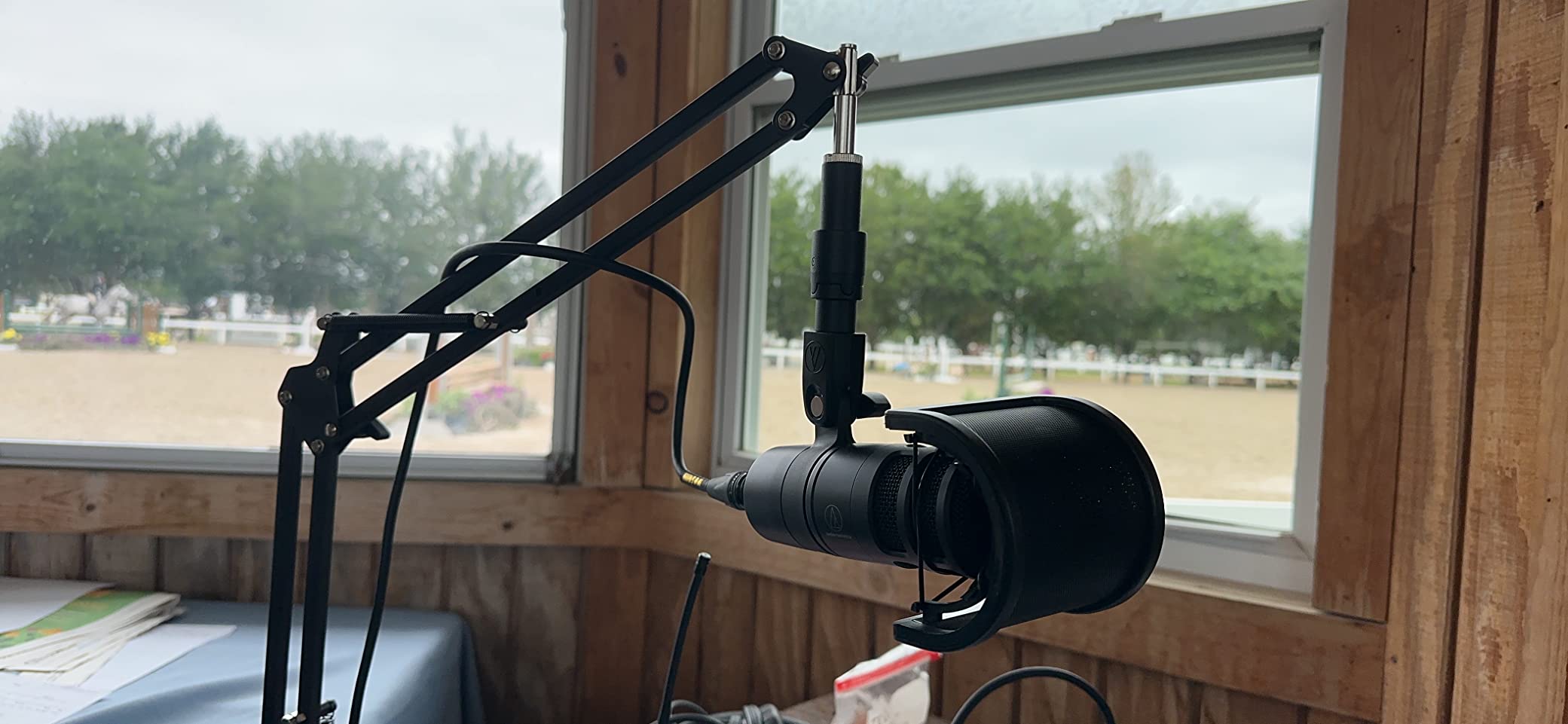
The trade is placement precision. A hypercardioid has narrow rear rejection and a hot rear lobe, so a guest drifting behind the mic will sound odd. Mark both hosts’ positions before you record.
It also needs substantial gain, and reviewers comparing it directly to the PodMic call it a strong alternative that wants a little EQ. Deep bass is rolled off and there is no pad.
Cardioid versus hypercardioid for two hosts
A cardioid is more forgiving when people move around, treating front and rear more evenly. A hypercardioid buys cleaner separation at the cost of a narrower sweet spot.
If your hosts sit still at marked positions, the hypercardioid is the better engineering choice. If they shift, lean toward a cardioid such as the PodMic.
Plosives, proximity and handling
The internal windscreen removes most plosive spikes, and the lack of proximity effect means the mic stays controlled when you move close for emphasis.
Some users report less shock isolation than the spec sheet implies, so keep the supplied mount tight and avoid tapping the desk.
9. Shure MV7+ – The Best Dynamic Mic for Video Podcasting
Shure MV7+ USB-C & XLR Podcast Dynamic Microphone – Black
50 Hz - 16 kHz
USB-C and XLR
LED touch panel
1.9 lb metal body
+ The Good
- Clear voice with little room noise
- USB and XLR in one body
- Customizable LED panel for camera work
- Auto Level and real-time denoising
- Lighter than most broadcast mics
- The Bad
- XLR cable not included
- Speaker bleed returns on the recording
- On-mic features are USB only
- Default voicing can sound plain
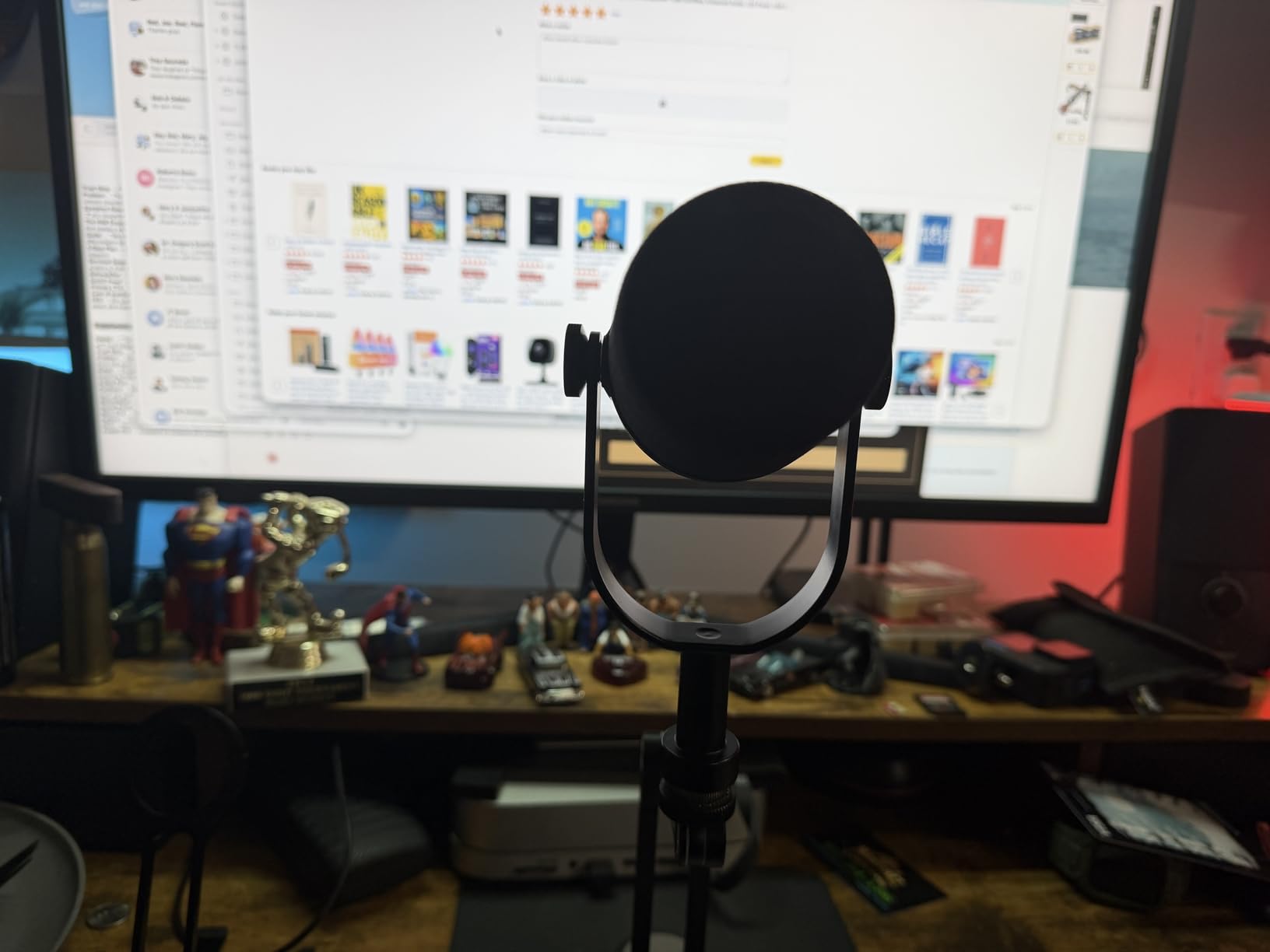
The MV7+ is the bridge mic: a genuinely good USB microphone for beginners with an XLR output waiting when the show grows. Out of the box the voice is clear with very little room noise, and Auto Level removes the guesswork from setting input gain for a new host.
On camera it is the most interesting option here. The full-colour LED touch panel shows live level metering, handles tap-to-mute, and can be set to a colour that matches a set. Plate, Hall and Studio reverb effects are built in for rooms needing a touch of space.
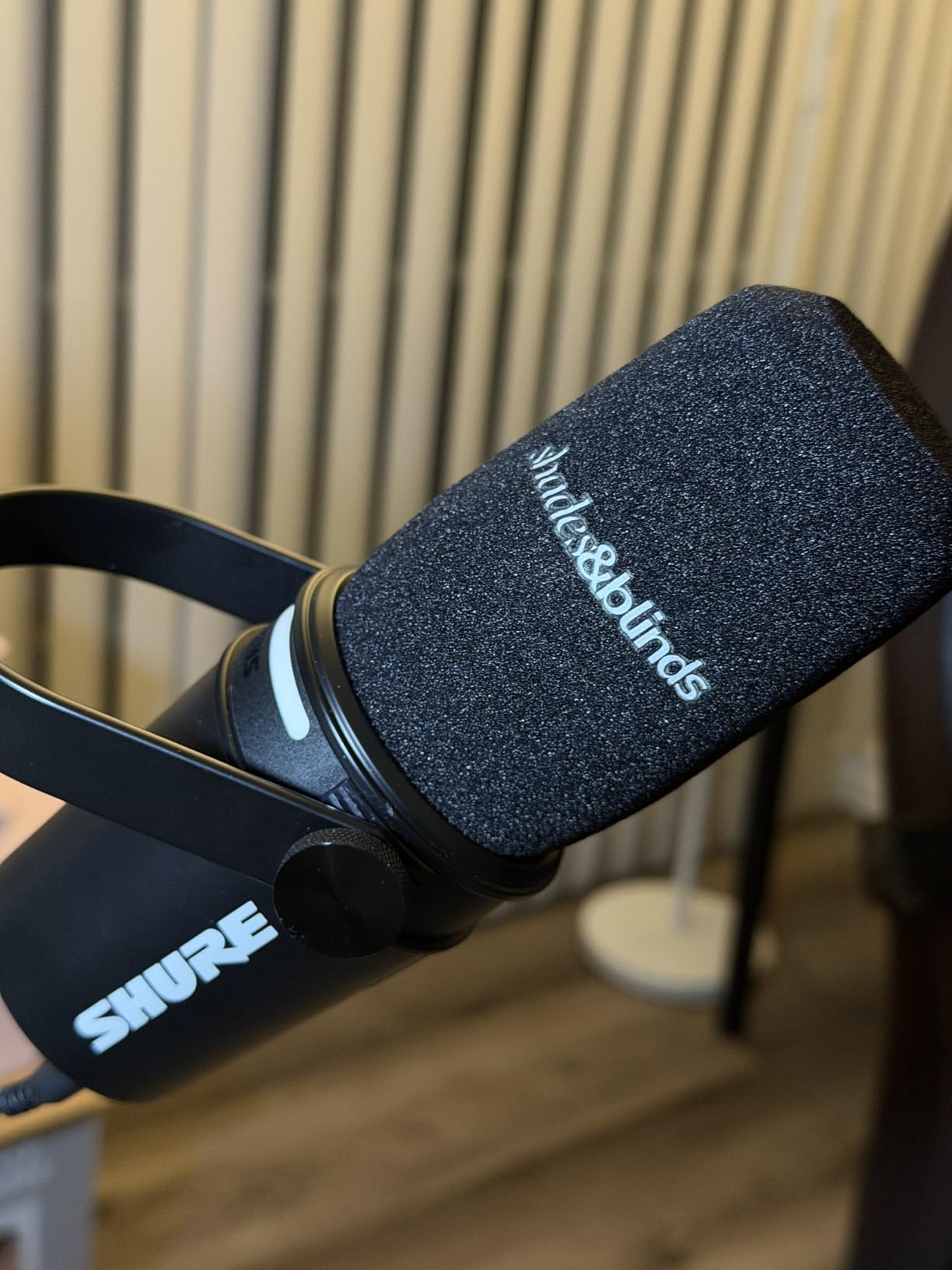
Watch your monitoring setup. Play audio through speakers and that bleed comes back into the recording, which no on-mic processing removes cleanly. Headphones are the answer, not louder speakers.
Every on-mic feature and app control is USB only, and the XLR cable is not included. Some users also find the default voicing a little plain without EQ.
Why the LED panel matters on camera
A visible level meter tells a host and camera operator at a glance that the take is clean, without anyone watching a screen in software. That saves retakes and editing time.
The touch panel also replaces a physical mute button, so the mic sits cleanly on a boom with nothing protruding to catch the light.
Headphone monitoring versus speakers
Zero-latency headphone monitoring over USB means you hear yourself with no delay, which is the only sane way to stay on mic position. It solves the bleed problem completely.
For a two-host video setup, give each host their own mic and headphone level, and record local tracks so a network hiccup never ruins the conversation.
10. Elgato Wave DX – The Best Compact XLR for Small Booms
Elgato Wave DX Dynamic XLR Microphone, Cardioid Pattern
50 Hz - 15 kHz
XLR output
600 ohm cardioid
407 g metal body
+ The Good
- Clear accurate speech capture
- Good keyboard and room rejection
- No inline booster required
- Compact 407 g body
- Swivel mount with thread adapters
- The Bad
- XLR cable not included
- No on-mic gain or monitoring controls
- Slightly bright and breath-sensitive
The Wave DX is repeatedly described by owners as the best value XLR dynamic, and our testing agrees. Speech capture is clear and accurate, it holds up cleanly in OBS and Discord, and after a little EQ it competes with mics costing far more.
What makes it easy is the gain requirement. At 600 ohm impedance it works with any mainstream XLR preamp or interface without an inline signal booster, removing the most common source of frustration with broadcast dynamics.
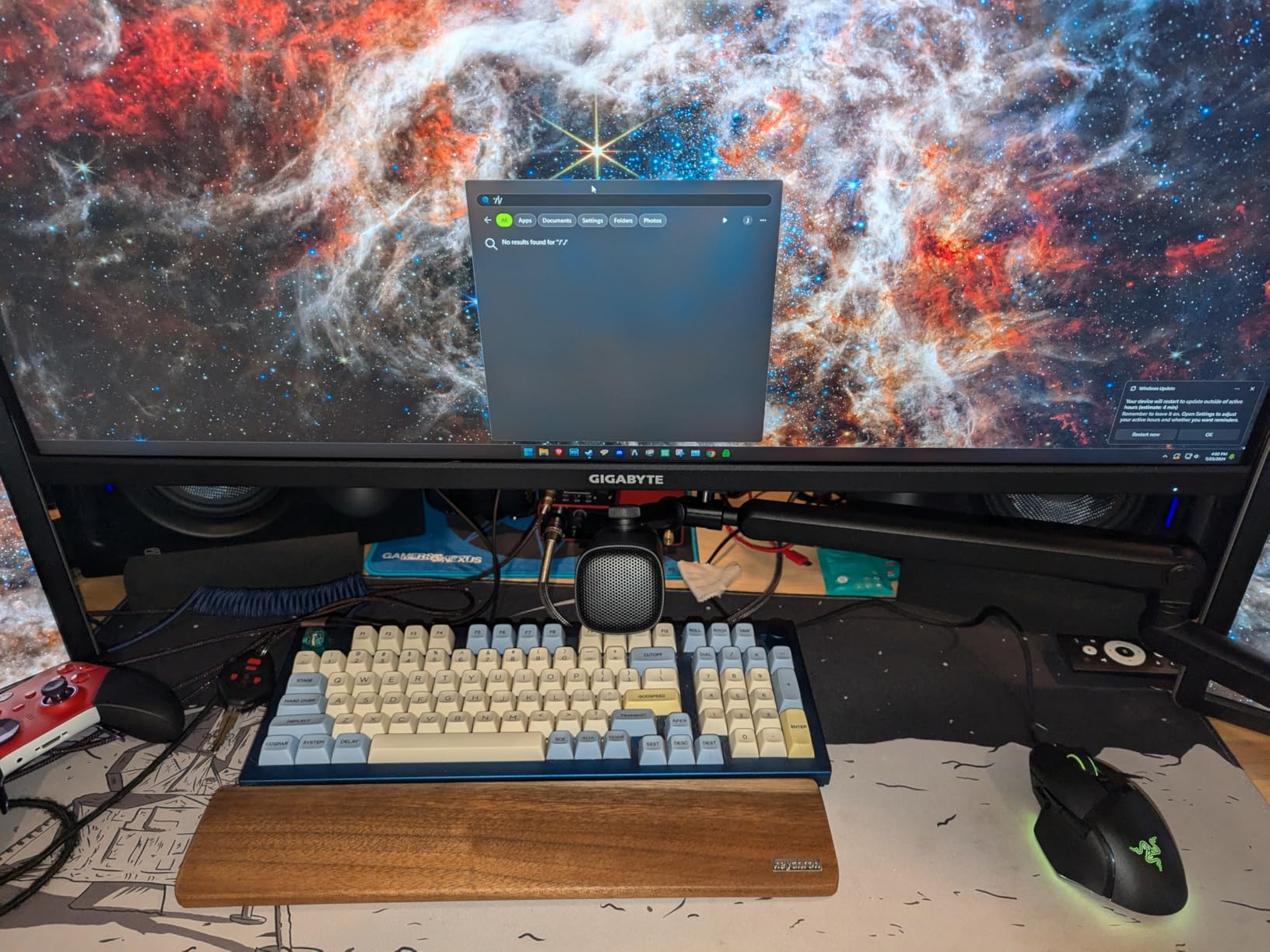
The trade is that nothing lives on the mic. No gain knob, no mute, no headphone jack. Every control sits in software or at your interface.
Some users find the voicing slightly bright and prone to picking up breath, so keep a pop filter in front and treat a high-pass filter as part of your starting chain.
Mounting on a small or cheap boom arm
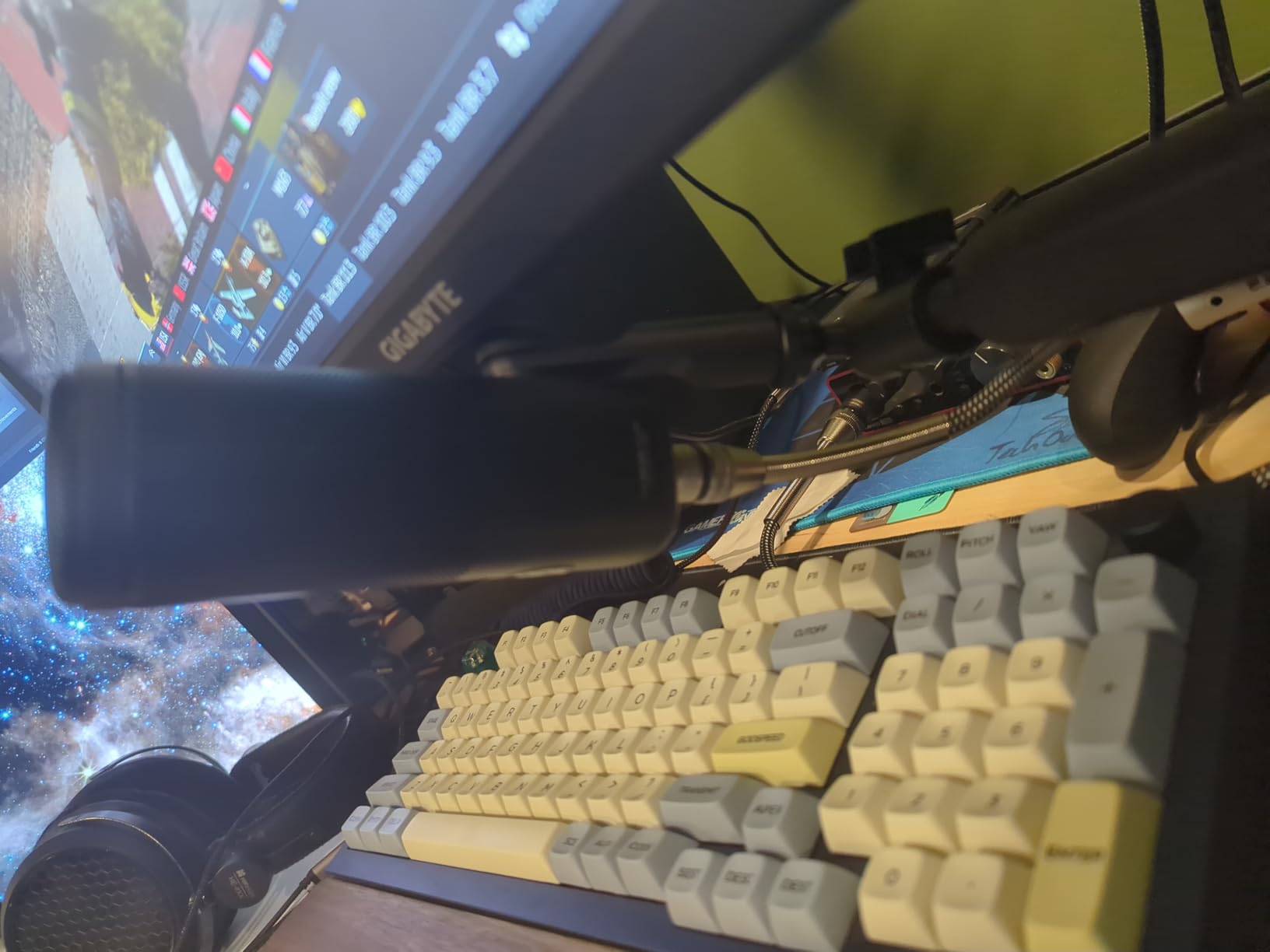
At 407 g this is the lightest mic we tested, and it keeps a modest boom arm extended without sagging. The mono swivel mount includes 5/8-inch, 3/8-inch and 1/4-inch adapters, so it fits most arms without extra hardware.
A lightweight body is also easier for guests to reposition, reducing the chance of a host drifting out of the polar pattern.
Where it sits against dearer broadcast mics
A small amount of high-pass filtering and high-shelf reduction gets you close to a broadcast voicing from a far more expensive mic. That makes it a strong value pick for a home studio wanting a broadcast sound.
If you later move the mic into a shared room with other people talking, consider a model with tighter rear rejection.
11. MAONO PD400X – The Best Software-Controlled Dynamic Under Mid-Range
MAONO PD400X Dynamic Microphone, USB/XLR Podcast PC Mic with Software
40 Hz - 16 kHz
USB-C and XLR
3-in-1 control knob
78 dB signal to noise
+ The Good
- Rich detailed sound for the tier
- Both USB and XLR cables included
- Substantial metal body
- 3-in-1 knob with tap-to-mute and meters
- Rejects peripheral noise well
- The Bad
- Included desktop stand is short and rigid
- Tap-to-mute feels soft
- Software features are USB only
The PD400X is the more mature sibling of the smaller MAONO kit. The body is heavier metal, and unlike most kits at this level it ships with both an XLR cable and a USB cable, so you are not hunting for a connector on recording day.
Sound is rich and detailed for the tier, and reviewers regularly compare it favourably to costlier broadcast mics. The cardioid pattern effectively rejects peripheral noise, including motorized equipment outside a window.
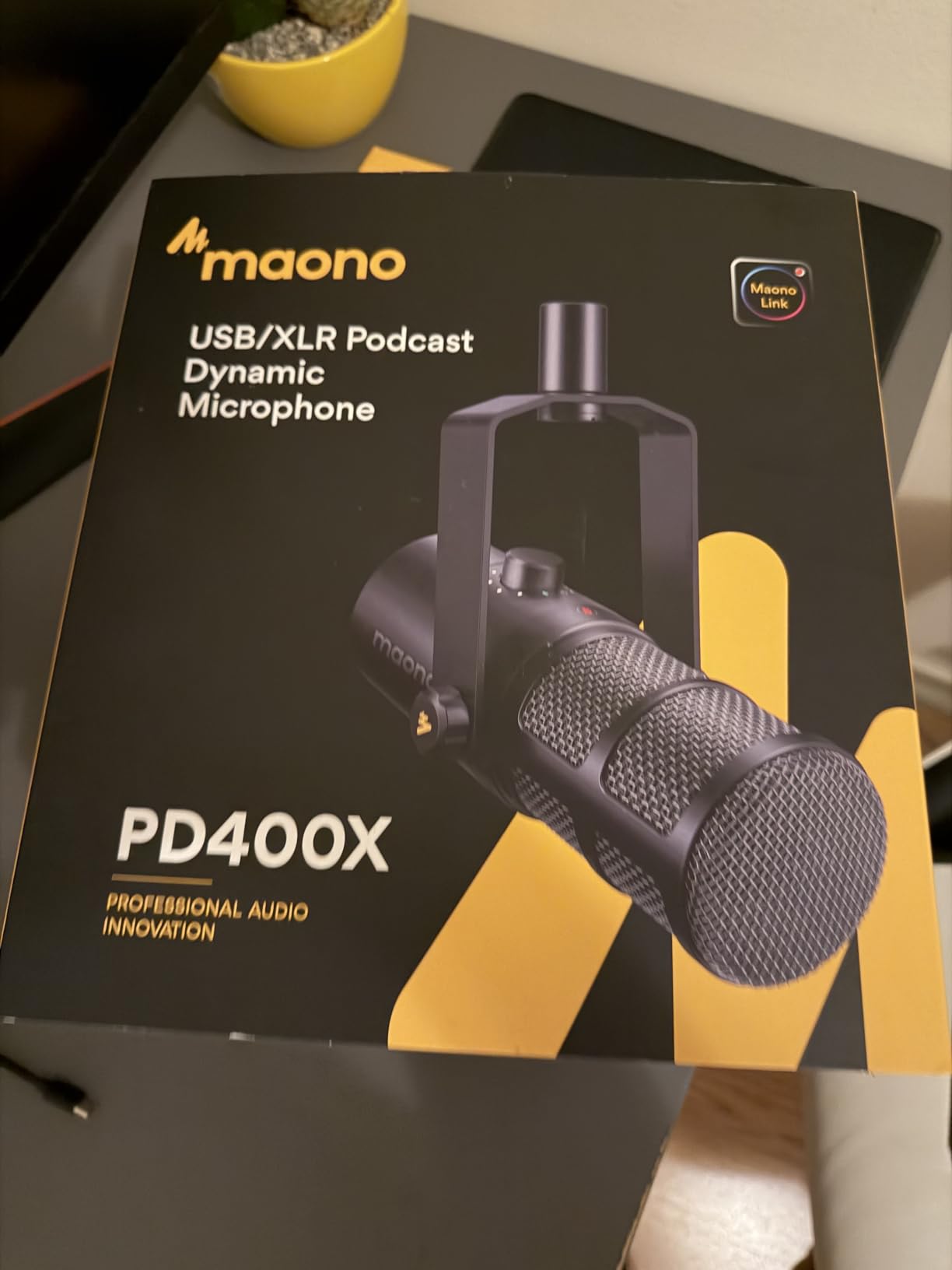
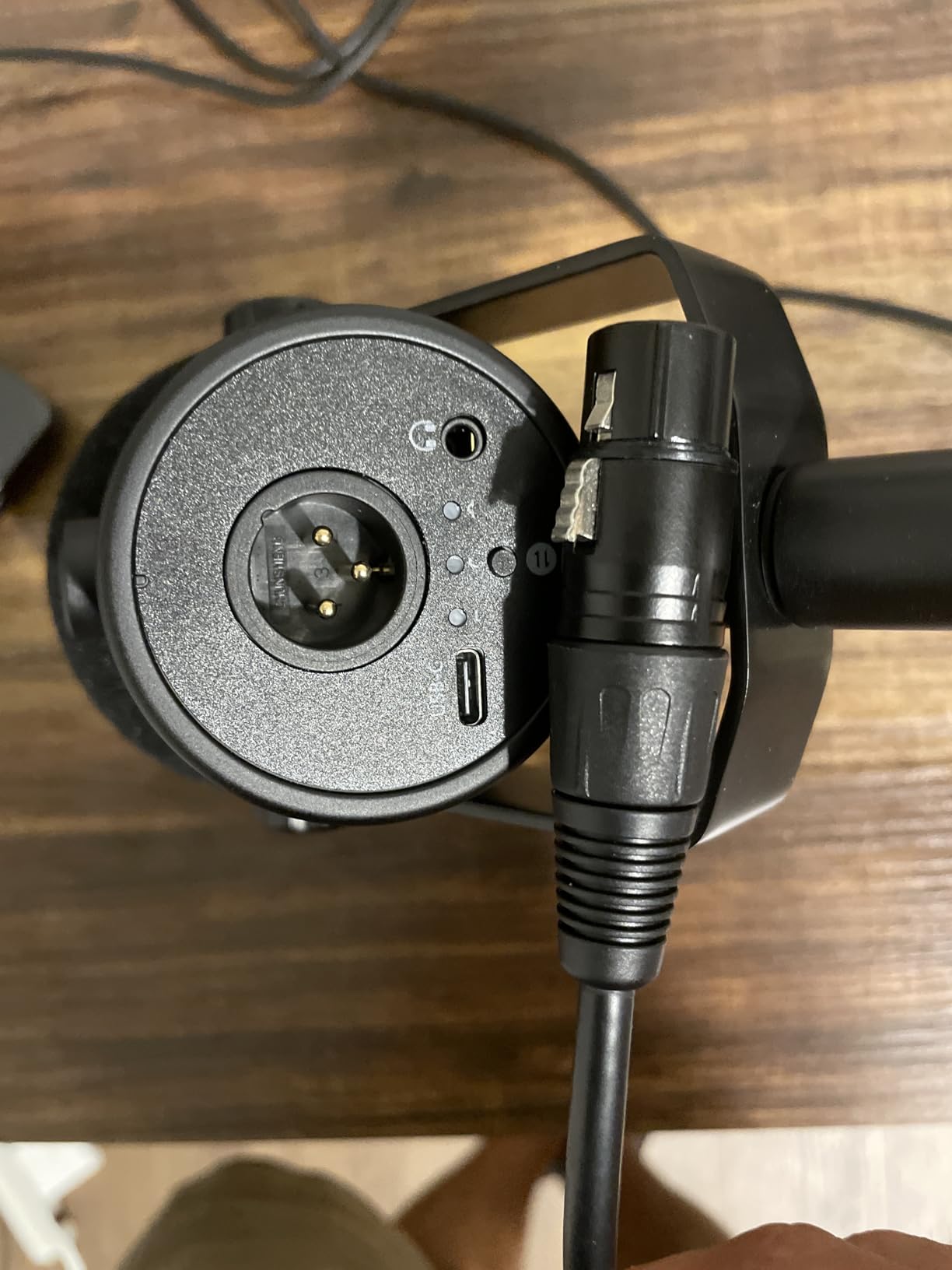
The 3-in-1 digital knob handles mic gain, headphone volume and monitor mix, and the tap-to-mute key carries an LED indicator with level meters beside it. That is more on-mic control than any other mic here at this level.
The catch is the included desktop stand, which is short and rigid, and a tap-to-mute surface some find less tactile than a physical button. Software features run over USB only.
When on-mic hardware control pays off
If you record without an engineer and without opening a mixing application, having gain and monitoring on the mic body removes a whole class of mistakes. Set the level once and trust it.
When you do your own post-production, that hardware becomes redundant and the software mode is the part that matters.
Room and positioning expectations
Rejection is good for a home room but not magic. Move the mic within four inches of your mouth and slightly off-axis, and room tone drops noticeably compared with speaking across the desk.
Pair it with a proper arm rather than the bundled base, and match the gain of a second mic carefully so levels line up on edit.
12. beyerdynamic M 70 Pro X – The Best Flat Response and Supplied Accessories
beyerdynamic M 70 Pro X Dynamic Broadcast Microphone, Streaming & Podcast
Up to 18 kHz response
Supercardioid pattern
XLR output
16 oz polycarbonate body
+ The Good
- Flat accurate response with speech presence boost
- Supercardioid rejection of off-axis noise
- Pop filter and shock mount included
- Less gain hungry than an SM58
- Good long-term build
- The Bad
- Bright voicing exaggerates sibilance
- Supercardioid demands precise placement
- Shock mount feels mismatched
- Reported self-noise in quiet rooms
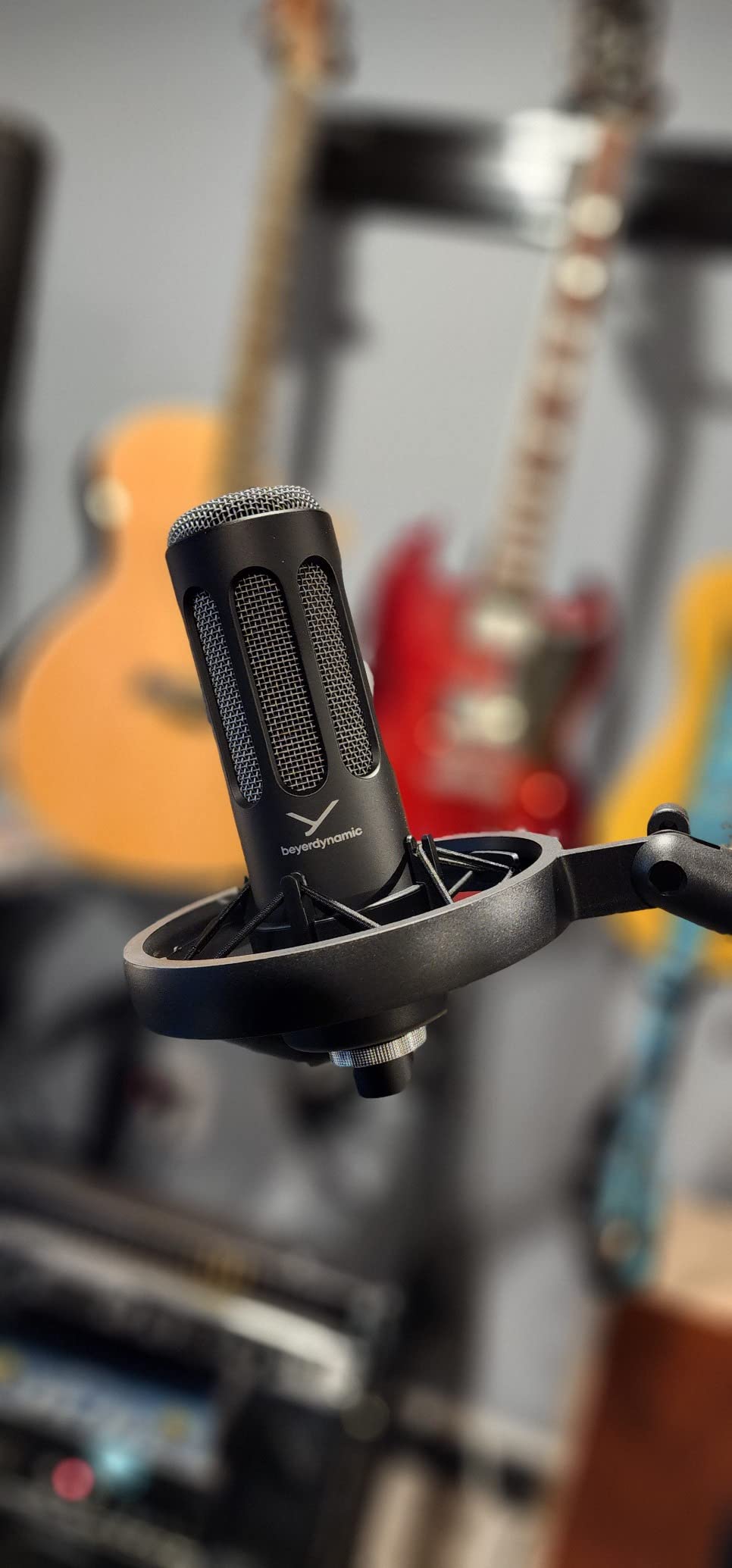
The M 70 Pro X is an underrated one. The response is flat and accurate with a presence boost tuned for speech intelligibility, which makes it a useful reference in a treated studio where you want to hear what is actually there.
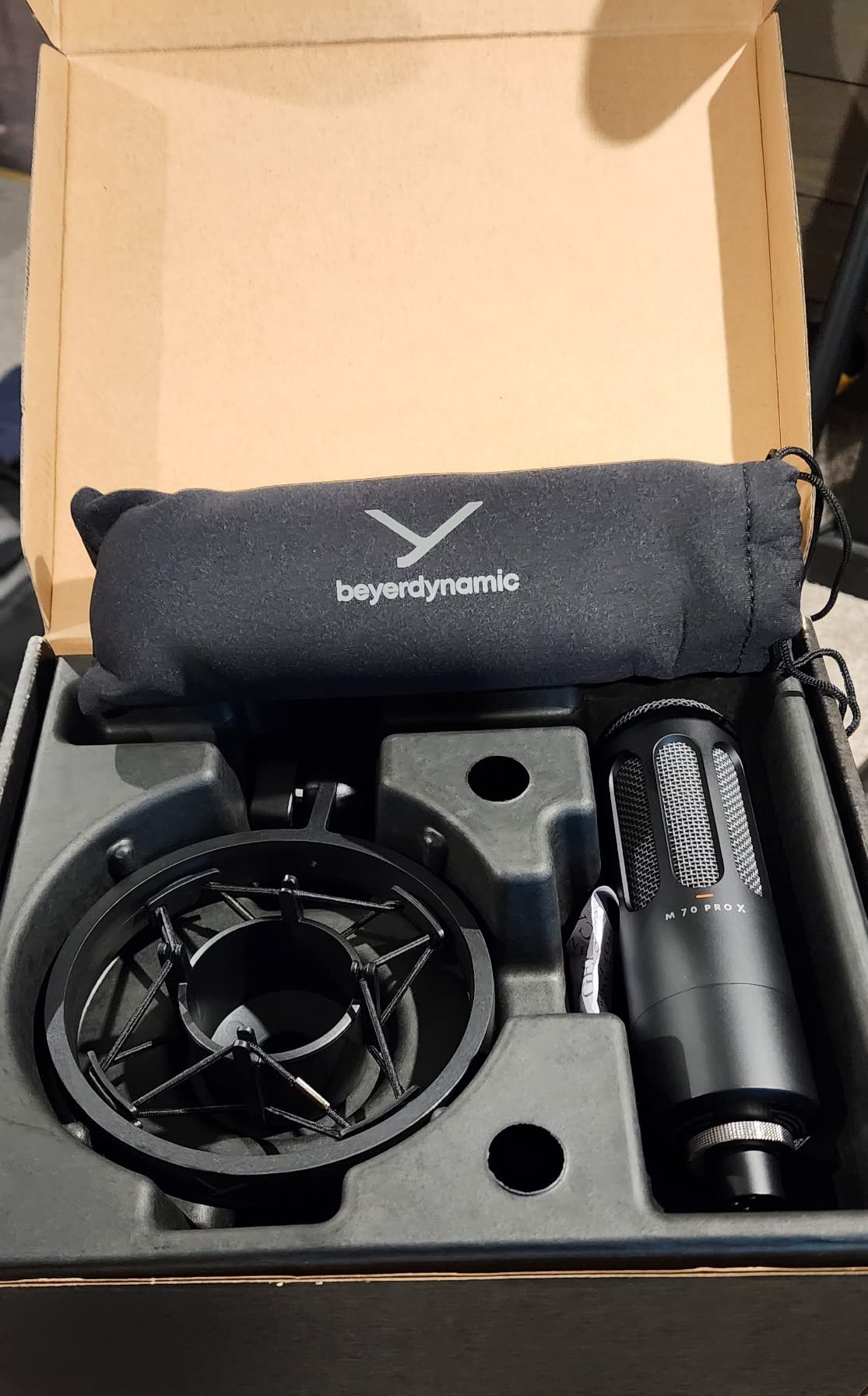
It asks for less gain than an SM7B and sounds more transparent than heavier-sounding rivals at this level, and the supercardioid pattern rejects off-axis room noise well. The pop filter and elastic shock mount are in the box, plus a carrying bag.
The recurring complaint is brightness. On a voice with sharp sibilance, sibilant sounds can come across as aggressive sizzle, and a de-esser is worth having ready.
The supercardioid pattern also demands precise on-axis placement, some users feel the included shock mount is not ideally matched to a dynamic capsule, and a few report self-noise in a very quiet treated room.
Tonal match versus other broadcast mics
Owners describe it as rivalling an Shure MV7X after light EQ while asking for less gain than a flagship broadcast mic. That is a useful position when you already own a chain that adds warmth.
If your chain is already bright, pick a warmer voiced mic instead and save the EQ headroom for something else.
When a flat mic earns its price
In a properly treated room, a flat mic makes mixing faster because there is less voicing to undo. It also stays useful if you later add instruments to the same chain.
Because review volume on this model is smaller than the others here, treat the specification sheet as the deciding factor rather than owner anecdote.
How to Choose a Dynamic Podcast Microphone
Rank a mic against these seven factors before you look at brand names. They are ordered by how much they actually change the finished recording.
1. Room noise level. The noisier the room, the tighter the pickup pattern and the closer you need to sit. A treated studio lets you breathe with a cardioid mic; an untreated bedroom with a computer fan wants a hypercardioid or supercardioid model and short mic distance.
2. Gain your interface can deliver. Sensitivity is measured in dBV/Pa or mV/Pa, and lower numbers mean a quieter mic. Quiet microphones need more preamp gain, and pushing a cheap preamp hard adds hiss that no amount of editing fully removes. Check your interface’s clean gain range before choosing a low-output broadcast mic.
3. Polar pattern. Cardioid picks up front and rejects the sides and rear. Hypercardioid and supercardioid patterns reject the rear more aggressively, which helps in shared rooms, at the cost of a narrower sweet spot. Omnidirectional is almost never right for podcasting.
4. Output type. USB-C microphones plug straight into a computer and often add monitoring, mute and gain controls. XLR microphones go through an interface or mixer, giving you analog gain control, patching and multiple guests on one device. Hybrids do both.
5. Plosive and vibration handling. An internal pop filter and internal shock mount save money and desk space. If a mic has neither and sits on a desk stand, you will be fighting desk thumps every session.
6. Build and mounting. Metal bodies and rigid grilles survive boom arms and travel. Check the included mount as well as the body, because a flimsy bundled stand is the most common complaint in this category.
7. Accessories in the box. Cables matter more than people expect. Several kits here ship with USB only and leave the XLR cable as a separate purchase, which is an easy oversight when you switch to the studio path.
Dynamic versus condenser for podcasting
A dynamic microphone uses a moving coil inside a magnet, so it produces a signal directly from the motion of the voice coil. A condenser uses a thin diaphragm held at a fixed charge, which makes it far more sensitive and far more reactive to room sound and handling.
For an untreated room, a shared space or any setup with traffic outside the window, a dynamic is the practical choice, because rejection of room sound matters more than the last bit of detail. If you want a third option, our ribbon microphone guide covers the gentler alternative.
Gain staging: how much preamp each route needs
Budget interface preamps give roughly 50 to 55 dB of clean gain before adding audible noise, and an inline booster adds about 25 dB in front of that stage. The Shure SM7B needs roughly 60 dB of clean gain, so it sits above what many budget interfaces deliver cleanly. The Elgato Wave DX needs no booster at all, and mid-output dynamics such as the MV7X and the PD400X sit in between.
Set gain in a fixed order: turn up the preamp until your loudest speaking peaks sit around -12 dBFS, set your monitoring level, and leave both alone. Hiss at a fader position of eight or nine out of ten means the preamp is the weak link. Set aside a little setup time for power conditioning if your studio shares a circuit with computers and lighting; our rackmount power conditioner guide covers that side of the chain.
Mic placement, pop filters and the 3:1 rule
The 3 to 1 rule states that each microphone should sit at least three times further from its own sound source than that source is from the next microphone. A speaker at four inches from one mic means the second mic should be at least twelve inches from that speaker. The rule works because cardioid rejection only holds if off-axis sound actually arrives off-axis, so spacing preserves the isolation your pattern provides.
Distance is the cheapest treatment there is. Moving from eight inches to four inches roughly doubles your direct-to-room ratio before a single panel is bought. For plosives, put a pop filter about two inches in front of the capsule and speak around it rather than straight through the centre, aiming the mic roughly fifteen degrees off-axis.
Two-host and remote guest workflows
For two hosts in one room, give each host their own mic and point it at their own mouth rather than at the centre of the table. Feed both mics to separate channels and match the gain so both voices sit at the same level. A cardioid handles two hosts in a treated room comfortably; in a noisier shared room, a hypercardioid such as the Audio-Technica AT2040 buys clearer separation for the price of more precise positioning.
For remote guests, local recording is the only reliable approach. Each guest records on their own machine and the tracks are assembled afterwards, which removes the variable that wrecks remote shows: the guest’s room noise. Later upgrades in a larger studio are worth the dynamic microphone choices you make, but the local track habit matters more.
Frequently Asked Questions
What is a good dynamic microphone for podcasting?
A good dynamic microphone for podcasting combines a cardioid or hypercardioid pattern with an internal pop filter and shock mount. Our all-round pick is the Shure SM7B, which pairs a warm broadcast tone with strong off-axis rejection but needs roughly 60 dB of clean preamp gain. For a first podcast without an interface, the FIFINE AM8 or Samson Q2U record over USB immediately and later convert to XLR.
Which microphone is best for podcasts?
The Shure SM7B is the best all-round dynamic for podcasts because it handles treated studios and untreated rooms equally well and never sounds harsh. If you have no interface yet, the FIFINE AM8 or MAONO PD200XS give you a usable recording today over USB. If you already run a two-channel interface, the Shure MV7X or the Rode PodMic cost less and demand less gain.
What is the best microphone for recording vocals in an untreated room?
A dynamic microphone with a tight polar pattern is the right choice in an untreated room, and closer is better than more expensive. Look for a hypercardioid or supercardioid pattern such as the Audio-Technica AT2040 if another person shares the room, and keep the mic within four inches of your mouth. Acoustic panels on the wall behind you still help, but placement delivers more improvement per dollar.
Is a dynamic mic good for recording vocals?
Yes. A dynamic mic records vocals well because it hears sound through a magnetic coil rather than a charged diaphragm, which makes it far less sensitive to room reflections, air handling and handling noise. The cost is sensitivity: dynamic mics output a quieter signal and need more preamp gain. The trade is usually worth it for speech, and most broadcast radio and podcast studios use dynamics for exactly this reason.
Which type of microphone is better for podcasting, a dynamic or condenser?
Choose a dynamic when the room is untreated, shared or noisy. Choose a condenser when you work in a treated studio and want more detail and air on the voice. Condensers pick up room sound, keyboard noise and plosives at a much higher level, which is why untreated-room podcasters overwhelmingly land on a cardioid dynamic such as the Shure SM7B or the Rode PodMic.
What is the 3 to 1 rule for microphones?
The 3 to 1 rule states that each microphone should sit at least three times further from its own sound source than that source is from the next microphone. With a host four inches from their mic, the second mic should be at least twelve inches from that host. The rule works because cardioid and hypercardioid rejection only hold when off-axis sound genuinely arrives off-axis, so spacing preserves the isolation your mic pattern provides.
What is the best preamp for the Shure SM7B?
The best preamp for the Shure SM7B is any interface with roughly 60 dB of clean gain, because the mic’s low sensitivity demands that much headroom before conversion. Budget interfaces typically deliver 50 to 55 dB cleanly, which is why many owners add an inline booster in front. Alternatively the Shure MV7+ or a mid-output dynamic such as the Elgato Wave DX avoids the problem entirely.
Do you need a cloudlifter for the Shure SM7B?
Only if your preamp runs out of clean gain. An inline booster of the Cloudlifter type adds roughly 25 dB, which covers the gap between a typical interface and the roughly 60 dB the SM7B asks for. If you hear hiss when the fader sits near maximum, add a booster or move to a higher-headroom interface. If your preamp reaches the level cleanly, skip the extra box.
Final Verdict on the Best Dynamic Microphones for Podcast Studios
The Shure SM7B remains our pick as the best dynamic microphone for podcast studios in 2026, because it handles a treated room and an untreated bedroom with the same hardware and the same warm, full voicing. Just budget for the gain it asks for. If that budget is out of reach, the Rode PodMic gives you the same category of broadcast tone for less, and the FIFINE AM8 gets you recording over USB today with an XLR path for later.
Whichever you choose, put it close to your mouth, filter the low end in circuit, and check that your preamp can drive it without hiss. Those three steps deliver more improvement than any upgrade in this roundup.